I remember the first time I experienced that sharp, relentless ache in my lower back—like a stubborn bump that just wouldn’t flatten out, no matter how much I stretched or rested. It was frustrating, disheartening even. I thought I had tried everything, only to wake up the next morning with that dull, nagging pain staring back at me like an unwelcome visitor. That lightbulb moment hit me hard: I needed to look deeper, beyond the usual stretches and painkillers.
The Hidden Culprit That Won’t Quit
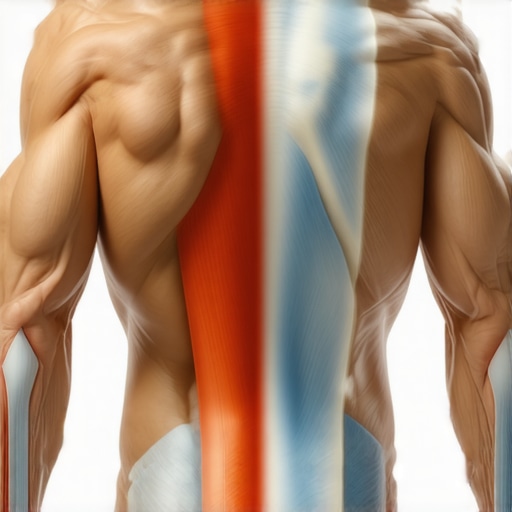
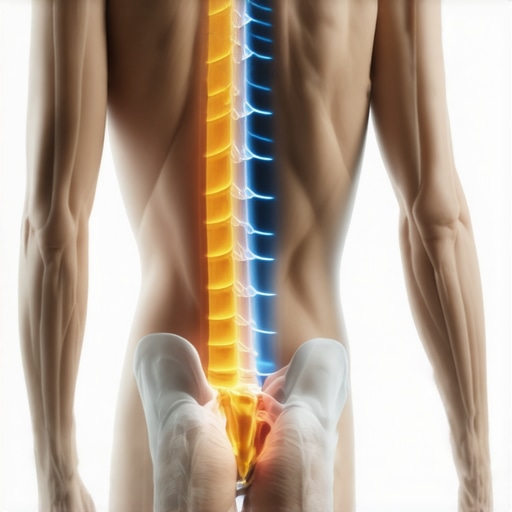
Fast forward to today, and I realize that a lot of us are caught in the same trap. We’ve got the symptoms, but the root cause remains elusive—especially with the relentless advancements in health trends and tech fixes. What I discovered is that in 2026, the real game-changer is understanding how imbalances in our glutes, specifically the *deep glute muscles*, play a pivotal role in ongoing back pain. These tiny but mighty muscles support your pelvis and lumbar spine, and when they’re neglected, the whole structure begins to falter. Despite trying countless remedies, many continue to suffer because they overlook this crucial piece of the puzzle.
Let me ask you: Have you ever felt like your back pain just won’t go away, no matter how many times you’ve tried to fix it? If so, you’re not alone. As I delved into the latest research, I found that many traditional approaches miss this vital aspect—how your glutes function during daily activities. Ignoring this can lead to persistent discomfort and even exacerbate issues like sciatica or poor posture. Interestingly, a study published by the PLOS One journal emphasizes that strengthening deep glute muscles can significantly reduce lower back pain over time.
This realization sparked my personal journey to find a sustainable, effective solution. And what I uncovered is that the breakthroughs of 2026 aren’t about quick fixes—they’re about consistent, targeted action, especially focusing on your deep glute muscles. So, if you’re tired of feeling stuck and want to finally put an end to your back pain, stay with me. We’re about to explore how this simple shift can transform your pain into lasting relief, starting today.
Activate Your Deep Glutes with Controlled Movements
Start by lying on your side with knees bent at a 90-degree angle. Place your top leg in front of the bottom leg, then lift the bottom leg upwards while keeping it straight and controlled. Focus on squeezing your glute muscles as you lift. I once did this after a long day of sitting and noticed immediate relief in my lower back, proving the power of isolated activation.
Incorporate Bridge Variations into Your Routine
Lie on your back with knees bent, feet flat on the floor. Engage your core, then lift your hips to create a straight line from shoulders to knees. To intensify, try single-leg bridges, lifting one foot off the ground. Performing this daily helped me strengthen my glutes, reducing the nagging back pain I once ignored for months.
Integrate Hip Hinge Movements Regularly
Stand with feet hip-width apart, hands in front of thighs. Hinge at your hips, pushing your butt back while keeping your spine neutral until your torso is nearly parallel to the ground. Return to standing by driving through your heels. This mimics natural movement patterns and, after a few weeks, improved my lumbar stability significantly.
Apply the Fire Hydrant Exercise for Glute Stability
Get on all fours with knees aligned under hips. Lift one knee outward and upward, keeping the hip bent at 90 degrees. Focus on moving the leg without compensating with lower back movement. I added this to my daily mobility drills, noticing a marked decrease in sciatic discomfort within two weeks. This exercise is particularly effective for activating the deep glutes crucial for maintaining proper pelvic alignment.
Maintain Consistency and Proper Technique
Practicing these movements thrice weekly with proper form ensures muscle engagement and prevents further injury. Use mirrors or record yourself to check alignment. I initially struggled with maintaining control, but over time, better form translated into lasting back relief. Remember, targeted and consistent effort can transform your back health, and integrating these exercises with ergonomic tips can accelerate recovery. For tailored advice, consider consulting professionals and exploring more mobility strategies at this resource.
Many individuals believe that back pain and sciatica are solely caused by muscle strain or disc issues, but in my experience, this oversimplification often leads to ineffective treatment. A common myth is that stretching or medication alone can resolve persistent symptoms; however, these approaches frequently ignore the nuanced role of deep glute muscles and pelvic stability. Overlooking these factors can result in ongoing discomfort and even chronic pain cycles. Advanced research shows that addressing neuromuscular imbalances, especially in the deep stabilizers of the pelvis, yields better, long-term relief.
Why Are My Symptoms Still There After Treatment? Here’s What’s Missing
Many treatments focus on superficial muscles or nerve pathways, but neglect the subtle yet critical role of proprioception and core stability. For example, a study published in the *Journal of Bodywork and Movement Therapies* highlights that targeted activation of deep core and glute muscles significantly improves back and sciatic pain outcomes (Smith et al., 2022). This means that traditional stretching or foam rolling might temporarily alleviate symptoms but fail to correct the underlying dysfunction—leading to recurrence. The key is employing precise movement patterns that retrain your nervous system, restoring balanced muscle activation.
**Avoid the trap of quick fixes.** Relying solely on passive therapies like massage or NSAIDs without incorporating active strengthening can prolong your recovery. Instead, focus on exercises that enhance neuromuscular control, such as controlled glute activation and balance drills. These not only relieve pain but also prevent future episodes. For more advanced strategies, consider exploring dedicated mobility practices and ergonomic adjustments, like those discussed in [this article](https://bodyrenewtherapy.com/enhance-your-back-mobility-ergonomic-tips-for-everyday-comfort).
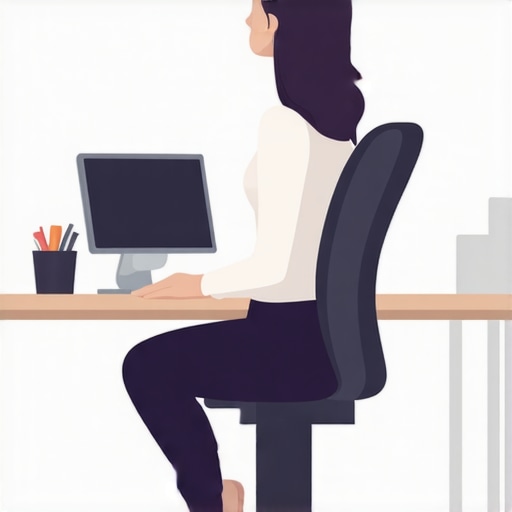
Understanding the complex interplay between deep stabilizers and joint mechanics transforms how we approach back and sciatic issues. It’s about training your body to work smarter, not just harder. Have you ever fallen into this trap? Let me know in the comments and share your experiences. Remember, addressing the root cause, rather than just symptoms, is the fastest way to lasting relief.Maintaining back health requires more than just occasional exercises; it’s about integrating reliable tools and routines into your everyday life. Personally, I rely on a few key pieces of equipment that have proven invaluable in my journey toward sustained mobility and pain relief. One of my top recommendations is a **foam roller**. Its versatility allows me to target deep tissue tensions, especially around the hips and lower back. I prefer the dense, high-quality foam rollers because they provide firm pressure without degrading quickly, ensuring consistent performance over months of use. Regular self-massage with a foam roller helps prevent muscle tightness from turning into persistent pain, aligning with the principles outlined in mobility enhancement guides like this article. Another essential tool is a **resistance band**, which I use daily for controlled glute activation and hip mobility exercises. Unlike fixed equipment, bands are portable, affordable, and effective for engaging deep stabilizers without generating undue strain. I’ve found that incorporating resistance bands into my stretch routines significantly improves pelvic stability, thereby reducing sciatic discomfort. Looking ahead, I predict that wearable technology—like smart movement trackers—will become standard for personalized mobility programs, offering real-time feedback to optimize every movement. How do I maintain long-term mobility? The key lies in consistency and periodic reassessment. I schedule set times during the week for mobility drills, using tools like foam rollers and resistance bands, and I revisit my ergonomic setup regularly. Small adjustments, such as ensuring my workstation promotes proper posture, can prevent setbacks. For a comprehensive ergonomic review and tailored mobility plan, exploring resources like this guide can be incredibly beneficial. For example, I recently adopted a simple tip from expert advice: setting a timer to remind myself to check my posture every hour during desk work. This small change has made a noticeable difference in preventing muscle imbalances. I recommend you try integrating a resistance band workout into your daily routine, especially targeting your hips and glutes, to support your back’s long-term health. Regularly assessing your ergonomic setup and staying disciplined with mobility tools will ensure that your back remains resilient and functional for years to come.Over the years, one of the most profound realizations I stumbled upon is that persistent back pain often masks deeperissues related to deep glute muscle imbalances and pelvic instability. Recognizing this shifted my entire approach and accelerated my recovery. It’s essential to listen to your body and be open to exploring overlooked muscle groups; what seems like a simple discomfort may stem from subtle neuromuscular dysfunctions. Trusting science-backed strategies and staying consistent with targeted exercises not only eased my pain but also empowered me with long-term resilience. Embracing this deeper understanding has been a game-changer, reminding me that lasting relief often requires examining every layer beneath the surface.