
Why Your Choice of Work Shoes Matters More Than Your Chair
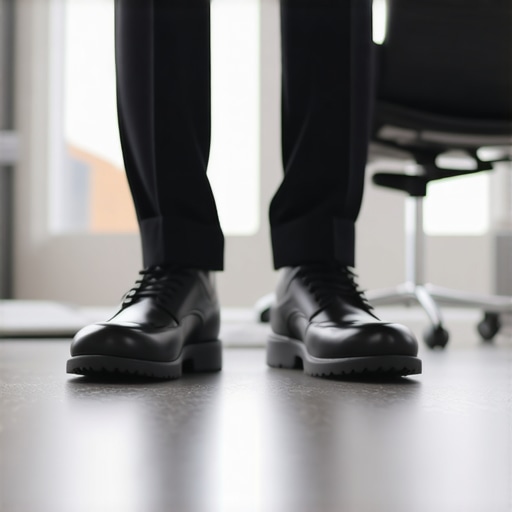
Ever found yourself clutching your lower back after a long day at your desk? Or maybe a sudden twinge in your neck that just won’t quit? I’ve been there—waking up stiff, feeling that dull ache simmering into something sharper during meetings. It was a lightbulb moment for me: all those hours spent trying to fix my posture with ergonomic chairs and cushions weren’t enough. The real culprit was my shoes.
Let me share a quick story. One afternoon, after battling persistent sciatic pain, I finally realized that my footwear might be sabotaging my efforts for relief. I swapped out my old, unsupportive sneakers for a pair designed with comfort and stability in mind. Guess what? The pain eased noticeably within days. That’s when I understood something crucial: your shoes are the foundation of your posture, yet they’re often overlooked.
Today, I promise to reveal why this overlooked aspect can dramatically change your pain levels. I’ll guide you through how your work shoes influence your spine’s health, and what you can do about it.
Why Focusing on Shoes Can Transform Your Comfort
Most of us spend hours in our chairs, trying to find that perfect ergonomic setup. But here’s the truth—your feet are the roots that anchor you. If your shoes are ill-suited or worn out, every step aggravates your spine, hips, and knees. It’s a classic case of bad foundations leading to a shaky structure.
Research shows that footwear significantly impacts posture and overall musculoskeletal health. Wearing supportive shoes can reduce strain on muscles and joints, helping prevent asymmetric stress that often leads to back pain or sciatica flare-ups. Conversely, those stylish but unsupportive shoes might look great but can compromise your alignment over time.
I made a mistake early on: I thought all shoes were the same, just different looks. But as I started paying attention to the fit, support, and cushioning, my pain subsided. It’s easy to dismiss this as superficial, but your choice of footwear influences your entire day-to-day comfort.
And if you’re wondering whether your current work shoes are the problem, I encourage you to explore signs of poor footwear: persistent foot fatigue, imbalance, or discomfort that radiates upward. For a deeper understanding of your symptoms, consider reading about key symptoms to watch for during back pain.
Is Your Footwear Trading Comfort for Style?
Now, I’ll be honest: I’ve fallen into the trap of choosing shoes based on looks, not function. Early on, I ignored the importance of arch support and cushioning. That was a mistake. After all, our feet are complex structures that absorb shock and stabilize our entire posture. When neglected, the consequences ripple upward—leading to neck tension, shoulder strain, or worse, chronic pain.
Making these connections between footwear and pain helped me improve my daily comfort. And it’s something I want for you, too. If you’ve been battling unexplained discomfort, your shoes might be the silent culprit. To learn more about how to prevent or address these issues, check out proven approaches to conquer sciatica.
So, are you ready to evaluate your footwear and take the first step toward a pain-free workday? Trust me, your body will thank you for it, and you’ll start feeling more energized and mobile much sooner than you think. Now, let’s explore how exactly your shoes impact your spinal health—and what you can do about it.
Assess Your Current Shoes and Foot Support
Start by examining your existing work shoes. Take them off and analyze their condition: look for worn-out soles, flattened arch support, or compression in cushioning. I once found my favorite sneakers had lost all structural integrity after a few months, causing imbalance and discomfort. Replace worn shoes with ones that offer firm arch support, heel stabilization, and shock absorption. To find suitable options, review the pitfalls of minimalist footwear and choose wisely.
Identify Signs of Poor Footwear Fit
Check if your shoes cause foot fatigue, uneven weight distribution, or discomfort that radiates upward. I remembered feeling constant heel pain that I dismissed as plantar fasciitis—only to realize my shoes’ narrow toe box was cramping my toes, throwing my gait off. Use a mirror or ask a colleague to observe your walk. Ensure your shoes fit snugly but not tight, with enough room for toe movement. Consider consulting a podiatrist or visiting a specialist for personalized advice.
Choose Supportive Footwear for Extended Wear
Opt for shoes that stabilize your heel and arch during long hours at your desk. I switched to support shoes with a firm heel counter and cushioned midsole, which immediately reduced my lower back stiffness. When trying new shoes, walk around in them for at least 10 minutes, focusing on maintaining a neutral pelvis and proper knee alignment. Remember, your footwear is the foundation of your posture; neglecting it invites musculoskeletal issues. For detailed guidance, see mobility exercises that complement footwear changes.
Incorporate Footwear Changes into Your Routine
Make a conscious effort to switch to your supportive shoes first thing in the morning and avoid wearing unsupportive options during the day. Keep an extra pair at your desk or in your bag. I set reminders to check my footwear before sitting and after walking. This simple step prevents slipping into habitual poor postures caused by improper support. Regularly inspect your shoes’ condition; replace them before they lose their supportive qualities entirely. Learn more about the importance of consistent footwear habits at practical tips for avoiding back pain during everyday activities.
Adjust Your Work Environment to Complement Proper Footwear
Pair supportive shoes with ergonomic adjustments—like an adjustable chair, footrest, and monitor height—to optimize your posture. I found that elevating my feet slightly on a footstool while wearing supportive shoes helped balance my pelvis and reduce sciatic discomfort. Remember, even the best footwear can’t compensate for poor workspace ergonomics. To fine-tune your setup, visit ergonomic tips that enhance back health and get personalized recommendations.
Many believe that back pain and sciatic issues stem solely from poor posture or injury, but the reality is often more complex. A common misconception is that strengthening exercises alone can resolve deep-rooted mobility issues, yet neglecting underlying neural or fascial restrictions can create a temporary fix, not a lasting solution. For instance, focusing only on core strength can overlook functional movement patterns that prevent pain, a mistake that prolongs discomfort and reinforces poor habits. Advanced practitioners recognize that pain is frequently linked to mechanoreceptor dysfunctions or fascial adhesions—nuances that are easy to miss without detailed assessments. In fact, researchers like Dr. Steven Sturgis highlight that the fascia’s role in transmitting tension is crucial; ignoring this can lead to persistent stiffness despite conventional treatments.
Why do some therapies seem to work temporarily but fail long-term?
It’s often because they don’t address the root cause—be it neural tension, fascial restrictions, or subtle biomechanical imbalances. For example, releasing a trigger point without understanding the nerve pathways involved might give quick relief but won’t prevent recurrence. That’s why integrated approaches, combining mobility drills with neural mobilizations, prove more effective. Be cautious of claims that promise instant fixes—true healing demands a nuanced understanding of the body’s interconnected systems. Have you ever fallen into this trap? Let me know in the comments, and consider consulting an expert who examines the full spectrum of mobility, neural health, and fascial integrity to ensure lasting relief.
How do I maintain progress over time
Keeping your back and neck healthy is an ongoing process that requires the right tools and consistent routines. Personally, I swear by a few key pieces of equipment and software that keep me on track. First, a quality foam roller, like the TriggerPoint GRID, has been indispensable for releasing fascial restrictions and easing muscular tension. I use it daily, focusing on my lower back and hips, as recommended in mobility routines, to prevent stiffness and improve circulation. Another tool I rely on is a TENS unit, which helps with long-term nerve relaxation, especially if I’ve had a flare-up. I’ve found that combining foam rolling with targeted nerve glides, as discussed in this guide, significantly reduces pain recurrence. Software-wise, I use posture-tracking apps like Upright GO to give real-time feedback during my workday, making sure I don’t slip into poor postures, thus avoiding regressions. In the near future, I predict wearable technology specializing in spinal alignment will become more sophisticated, providing even more personalized feedback.
Why a dedicated mobility routine makes all the difference
Integrating a daily mobility practice, such as the simple exercises I do every morning, keeps my spine flexible and less prone to injury. These routines address not just muscles but neural pathways, ensuring long-term resilience. For instance, dedicated stretches targeting my hips and thoracic spine have helped me maintain a high level of function. Remember, maintaining mobility isn’t just about stretching; it’s about enhancing neuro-fascial feedback loops that keep your nervous system healthy. I encourage you to try the neck and upper-back mobility drills to see immediate improvements.
How do you keep your back and neck working well over the long haul?
Invest in quality tools like foam rollers, support devices, and digital habits that promote awareness and proper movement. Regularly scheduled check-ins with mobility experts, either virtually or in person, can catch issues early before they become chronic. Remember, addressing fascial stiffness, neural tensions, and postural habits synergistically is key to lasting relief. Don’t forget to incorporate ergonomic assessments and timely support adjustments, as detailed in these tips. A concrete step I recommend is to set a daily reminder to perform a quick mobility drill—like the 3-minute thoracic rotation—to reinforce your gains. Practical, continuous effort in these areas ensures your back and neck stay functional and pain-free for years to come.
What I Wish I Knew Before My Back Became a Story of Support
One of the toughest lessons I learned was that superficial fixes can only take you so far. It took persistent pain and a deep dive into my habits to realize that real change comes from addressing the roots—like supporting your feet and neural pathways, not just your posture degree. Sometimes, small adjustments—like choosing the right shoes—can unlock a world of mobility I thought was lost. Trust me, understanding this gave me the clarity to listen to my body’s subtle cues and act before pain took over.
My Go-To Tools for Real Transformations
Over the years, I’ve curated a set of resources that genuinely make a difference. From the simple exercises I practice daily to the mobility routines that keep my spine supple, these tools have become essential. I rely on my foam roller for fascia release and a posture-tracking app like Upright GO for real-time feedback. They work because they’re rooted in a personalized approach, not generic advice, helping me stay proactive rather than reactive.
Believe in Your Movement Potential
What excites me most about this journey is realizing that long-term relief is within everyone’s reach. It’s not about perfect posture or rigorous routines but about consistent, mindful movement. When I committed to daily mobility drills and prioritized neural health, I noticed profound changes—less stiffness, fewer flare-ups, more vitality. Remember, your body craves gentle, persistent attention. With dedication, you can rewrite your pain story and move freer each day.