
Why your couch is the worst place for your sciatica

It was a slow burn. One evening, as I sank into my favorite couch after a long day, a familiar sharp pain shot down my leg. I brushed it off, thinking it was just a cramp or fatigue. But days turned into weeks, and that discomfort grew into a persistent, maddening nerve pain that disrupted my sleep and robbed me of my mobility. That lightbulb moment hit me hard — the very place I sought comfort was secretly making my sciatica worse.
The Couch Dilemma: Comfort or Catastrophe?
I’ve learned the hard way that our everyday habits can be silent saboteurs for our spine health. Our favorite spot — yes, that plush, cozy couch — might be doing more harm than good when it comes to sciatic nerve pain. Many don’t realize that prolonged sitting in less-than-ideal positions can dangerously strain your lower back and pelvis, aggravating the sciatic nerve, which runs from your lower back all the way down your leg.
From my experience, I kept returning to the same mistake: ignoring the importance of proper posture while seated, especially in a relaxed environment like my couch. I believed that resting was enough, but I wasn’t giving my body the recovery it needed. The truth is, passive places like our couches are often the worst for nerve health because they encourage slouching, poor pelvic alignment, and limited movement.
Research supports this, revealing that static sitting positions, particularly those with poor lumbar support, can increase pressure on the discs and nerves, leading to heightened sciatic pain (see [this article](https://bodyrenewtherapy.com/why-your-pelvic-tilt-is-making-your-desk-chair-unbearable)).
So, if you’ve ever experienced that nagging pain after binge-watching your favorite series or relaxing into your recliner, you’re not alone. Understanding the connection between your seating habits and sciatic discomfort is the first step towards relief.
Now, let’s explore practical ways to transform your sitting routine — because the good news is, you can make simple changes to put your back and nerves back in alignment. Are you ready to reclaim your comfort and mobility? Keep reading, because what follows just might be the game-changer you need.
Practice Active Sitting Positions
Start by setting a timer every 30 minutes to remind yourself to shift positions or stand up. During my messy first attempt, I used a simple alarm on my phone to prompt me, and it helped break long, passive sitting intervals. Instead of remaining slouched, I slowly hinge forward and then sit back, engaging my core muscles to support my spine.
Use Lumbar Support Correctly
Place a small pillow or lumbar roll behind your lower back whenever you sit. I experimented with different cushions until I found one that supported my lumbar curve properly, easing pressure on my sciatic nerve. Remember, the goal isn’t just padding but proper spinal alignment, which can significantly reduce nerve irritation.
Adjust Your Seat Height and Angle
Adjust your chair so that your feet rest flat on the floor and your knees are at a 90-degree angle. During a hectic day, I initially overlooked this and noticed increased discomfort. After correcting my seat height, my hips sat more naturally, relieving stress on my lower back and decreasing sciatic pain. This adjustment fosters better pelvic positioning, which is critical for nerve health.
Incorporate Movement into Your Routine
Every hour, stand and perform gentle pelvic tilts or hip circles. I added a 2-minute routine of hip rotations and gentle stretches during my workday, which loomed as a messy but necessary step. These movements promote circulation and prevent stiffness, directly protecting the sciatic nerve from prolonged compression.
Practice Micro-Breaks with Targeted Exercises
Take short breaks to perform specific stretches like knee-to-chest or piriformis releases. I personally found these exercises easy to integrate into my day, helping me loosen tight muscles that contribute to nerve pinching. Check out expert strategies for lasting relief for detailed routines.
Refine Your Posture During Daily Tasks
When bending, squat rather than hinge at the waist to reduce strain. Once, I tried bending from the hips only, which worsened my pain; switching to a squat position alleviated that tension. Maintaining proper posture while lifting, reaching, or even gardening can make a huge difference in sciatic health.
Utilize Ergonomic Tools
Implement ergonomic accessories such as adjustable desks, footrests, and supportive mats. My cluttered home setup was causing uneven pressure, but simple adjustments transformed my sitting environment into a nerve-friendly zone. Learn more about ergonomic tips here.
Prioritize Consistent Mobility Work
Embed daily mobility exercises like cat-cow stretches into your routine. I found that dedicating five minutes each morning to mobility—using these simple exercises—significantly eased my symptoms over time. Regular movement encourages flexibility and reduces nerve compression risk.
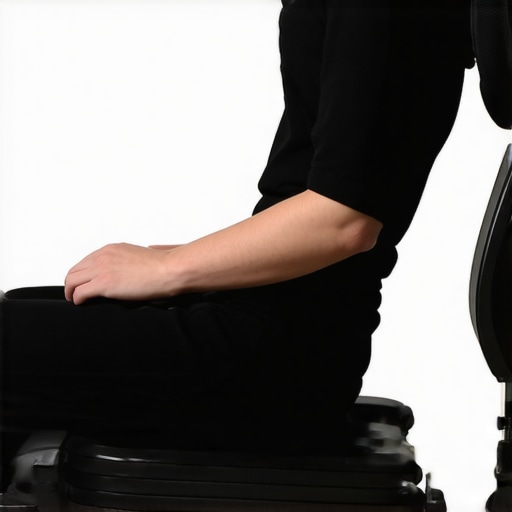
Visual guide demonstrating proper sitting posture and ergonomic adjustments to reduce sciatic nerve pressure.
Many people believe that back and neck pain are straightforward issues caused simply by injury or poor posture, but the reality is far more complex. One common myth is the idea that “core strength alone” can resolve chronic pain; however, focusing solely on strengthening often neglects the importance of mobility and neural health. Strengthening without addressing movement restrictions or nerve impingements can inadvertently worsen symptoms, as muscles tighten in response to unresolved underlying issues as explained in [this article](https://bodyrenewtherapy.com/unlocking-sciatica-expert-strategies-for-lasting-comfort). Another misconception is that pain always indicates damage requiring surgical intervention. In fact, many cases of nerve pain like sciatica stem from mechanical issues that are reversible with targeted therapy and movement corrections, not invasive procedures. Be cautious of quick fixes like braces or passive treatments that may provide temporary relief but don’t tackle root causes, leading to dependency and further dysfunction.
A subtle yet critical nuance is how emotional stress influences physical pain. Chronic stress causes muscle tension and heightens pain perception, triggering a vicious cycle that many overlook. Techniques like breathing exercises and mindfulness can significantly reduce neural tension, complementing physical interventions. For example, incorporating calming practices has been shown to decrease pain severity and improve mobility, as discussed in [this resource](https://bodyrenewtherapy.com/revitalize-your-neck-effective-techniques-for-lasting-pain-relief).
Have you ever fallen into this trap of oversimplification or quick fixes? Recognizing these nuances can elevate your approach from merely symptom management to true recovery. In fact, advanced understanding reveals that the body’s interconnected systems require an integrative approach: addressing posture, movement, neural health, and emotional well-being holistically. Don’t forget that improving mobility isn’t just about stretching or strengthening—it’s about reprogramming how your body moves and perceives pain. For deeper insights into nuanced techniques that can make a real difference, explore [these expert strategies](https://bodyrenewtherapy.com/understanding-the-link-between-poor-posture-and-chronic-back-pain). Taking this comprehensive perspective might be the key to truly ending persistent back and neck issues.Maintaining your progress against back and neck pain requires more than just proper movement; it involves the right tools and strategies that support your journey over the long term. One device I personally swear by is the ergonomic lumbar support cushion. Unlike generic choices, I recommend the *Forestier Lumbar Support* because it fits snugly into any chair and adapts to my lower back’s natural curve, providing consistent relief during extended work sessions. This simple addition has greatly reduced my sciatica flare-ups and prevented new strains from forming. Additionally, incorporating a high-quality foam roller like the *TriggerPoint GRID* helps me perform self-myofascial release to loosen tight muscles, which, if neglected, can exacerbate nerve impingements. Using it regularly has improved my mobility and decreased reliance on passive treatments. For heat and cold therapies, I favor a microwaveable gel pack such as the *Thermophore*, which has proven effective in managing inflammation without medication. The key is consistency; these tools aren’t magic — they work best when integrated into a daily routine. Moving forward, I predict that smart tech solutions, like wearable posture monitors and app-guided mobility routines, will become game changers in self-managed care, providing real-time feedback and personalized exercises.
How do I maintain this progress over time?
The secret lies in building sustainable habits. I schedule daily mobility sessions using apps like *Mobility Mastery*, which cues me through stretches and exercises tailored for spinal health. Regularly assessing your tools and routines ensures they evolve with your needs, preventing stagnation. If you’re serious about making lasting change, I highly recommend trying the *Sciatica Relief Kit*, which combines targeted exercises, ergonomic accessories, and expert guidance — often available as online programs. Remember, your body benefits from consistent, proactive care. Don’t wait until pain worsens; invest in these tools today and make them a part of your daily ritual. For detailed advice on selecting and using these tools effectively, see [here](https://bodyrenewtherapy.com/boost-your-back-mobility-simple-exercises-that-make-a-difference). Ready to step up your mobility game? Start by integrating a foam roller like the *TriggerPoint GRID* into your routine and experience how it transforms your recovery process.Throughout my journey to conquer sciatica, I uncovered lessons that went far beyond quick fixes or superficial remedies. One profound insight was realizing that genuine progress demands a fundamental shift in how we approach daily habits, especially our sitting routines. I learned that the very place I sought refuge—my beloved couch—could silently sabotage my recovery if I wasn’t mindful about posture and movement. Embracing proper ergonomic setups, active sitting, and intentional mobility routines transformed my experience from chronic pain to manageable relief. These practical yet powerful changes proved that recovery isn’t just about pain relief but about rewiring our body’s movement patterns and mindset for lasting wellness.