
Why Your Daily Hamstring Stretch Is Actually Making Back Pain Worse
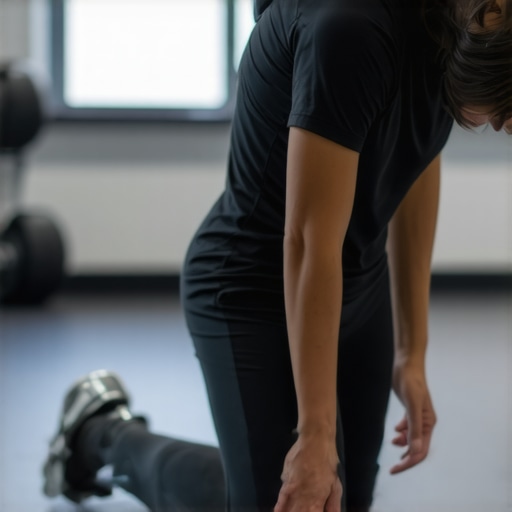
I used to believe that stretching my hamstrings every morning was the key to ease my persistent back pain. Every day, I’d carefully bend down, reaching for my toes, convinced that loosening those tight muscles would keep my spine happy. But no matter how diligently I stretched, my back pain stubbornly refused to improve—in fact, sometimes it even felt worse afterward. One morning during a particularly frustrating flare-up, I had a lightbulb moment: what if I was doing more harm than good?
The Hidden Risk in Your Daily Hamstring Routine
Have you ever wondered if your daily hamstring stretches are really helping—or are they secretly contributing to your back discomfort? I’ll be honest: early on, I made the mistake of blindly following the crowd, doing traditional stretches without considering my unique body needs. Turns out, this common practice can sometimes pull on your lower back, especially if you’re already dealing with underlying issues. Recent research indicates that aggressive hamstring stretching without proper assessment can lead to increased lower back strain, exacerbating pain instead of alleviating it. Recognizing this was a game-changer for me.
Is Stretching Your Hamstrings Actually Worth the Hype?
Here’s the truth I wish I knew earlier: not all stretching routines are universally beneficial. My knee-jerk reaction was to stretch more, believing it would create more flexibility and reduce pain. But ignorance of my own biomechanics led to the opposite effect. If you’re skeptical, you’re not alone. Many people assume that more stretching automatically equals better health, but it’s the quality and timing that matter.
By learning to identify when hamstring stretching is helpful and when it’s harmful, I started focusing on tailored mobility exercises that respect my body’s limits. This shift didn’t just reduce my back pain—it improved my overall mobility and comfort.
If this sounds familiar, and you’ve been fighting to find relief, you’re not alone. Many individuals fall into the trap of overdoing stretches that aren’t suited for their specific issues. To explore effective, personalized strategies that actually work, consider checking out comprehensive guides on improving back mobility and overcoming sciatic discomfort, like those found at this resource.
Now that I understand the pitfalls of generic stretching, let’s delve into how you can transform your approach and start making real progress towards pain-free movement.
Assess Your Mobility Limits
Start by evaluating how far you can comfortably bend, twist, and move without pain or stiffness. Use a simple flexibility test: sit on the floor with legs extended, and see if you can reach your toes progressively over days. When I tried this during a particularly stiff morning, I realized that my hamstring flexibility was limited, which contributed to my lower back tension. This awareness helps tailor specific exercises.
Implement Targeted Nerve Glides
Instead of traditional stretches, incorporate nerve gliding movements which gently mobilize your sciatic nerve. For example, perform seated knee to chest slides, slowly extending your leg and flexing your ankle while moving your knee, following a controlled rhythm. I added this to my routine after a nerve flare-up and noticed immediate relief. Consistency is key—aim for 3-4 repetitions daily. Find step-by-step guides at this resource.
Focus on Posterior Chain Strengthening
Strengthening your glutes, hamstrings, and lower back stabilizers supports your spine and reduces strain. Include exercises like bridges, bird dogs, and deadlifts using light weights or resistance bands. One day, I added deadlifts—initially messy with poor form—but with slow progress, I regained stability in my lumbar region. Proper form prevents aggravation, so consider consulting video tutorials or professionals. Explore more at this link.
Modify Daily Posture and Movements
Observe how you sit, stand, and lift objects. Use ergonomic adjustments for your workspace—like raising your chair or adjusting monitor height—to avoid slouching, which can pinch nerves and worsen sciatica. I caught myself slouching at my desk, contributing to discomfort, and applied ergonomic tips from this article. Small changes create lasting benefits.
Practice Controlled Movement During Activities
Whether bending to pick up groceries or reaching for a high shelf, move deliberately. Engage your core and hinge at the hips rather than rounding your back, like opening a gate with your hips. I once hurried to tidy up, twisting my spine abruptly. Afterwards, I adopted slow, deliberate movements and experienced less pain. For detailed techniques, see this guide.
Incorporate Daily Movement Breaks
Set a timer to stand and stretch or walk every 30 minutes during sedentary routines. This prevents stiffness accumulation. I started with quick hamstring and hip flexor stretches—using this strategy—and noticed my back felt more supple. Regular movement keeps muscles active and nerves uncompressed.
Many individuals believe that persistent pain is solely about stiff muscles or joint misalignments, but the reality is far more nuanced. One common myth is that pain always indicates damage requiring aggressive stretching or immediate medical intervention. In truth, such approaches can sometimes worsen the problem, especially if they ignore underlying neurological or postural factors. For instance, focusing only on muscle release without addressing nerve mobility or spinal stability may provide temporary relief but fail to resolve the root cause. As experts like Dr. Stuart McGill emphasize, improving functional movement and core stability is essential for long-term recovery. It’s vital to distinguish between pain caused by mechanical structures and that stemming from neural or fascia-related issues. Additionally, a prevalent mistake is neglecting the significance of posture and movement habits that develop over years, subtly contributing to chronic pain conditions. Recognizing these hidden nuances allows for more targeted and effective interventions. For deeper insights, consider exploring strategies outlined at this resource, which delves into how lifestyle changes can drastically improve overall mobility and reduce discomfort. Remember, addressing chronic back or neck pain isn’t about quick fixes; it requires a comprehensive understanding of the interconnected systems involved. Have you ever fallen into this trap? Let me know in the comments.Maintaining your progress in overcoming sciatic, neck, or back pain requires not only correct exercises but also the right tools and consistent upkeep strategies. Personally, I rely on a combination of ergonomic equipment, targeted mobility aids, and digital tracking to ensure my body’s aligned and responsive. One essential tool I’ve integrated is a **foam roller**—specifically, a dense, high-quality version like the TriggerPoint GRID. It helps release my sciatic nerve tension and keeps muscle adhesions at bay, especially after intense activity or prolonged sitting. Regular self-myofascial release prevents minor stiffness from escalating into chronic discomfort, and dedicated foam rolling sessions—about 5-10 minutes daily—are my non-negotiables.
Another device I find invaluable is a **metronome app or a timer** set for interval mobility exercises. Consistent timing ensures I don’t rush through nerve gliding or stabilization drills, which is critical for long-term benefits. Personally, I use a simple interval app on my phone to cue me for 30-second nerve slides or core activation routines every couple of hours during workdays. It’s a subtle but powerful way to embed movement into a sedentary routine.
Digital tracking tools also help me keep an eye on my progress. Apps that log pain levels, flexibility, and daily activity—like MyFitnessPal or specialized physiotherapy apps—provide insights that motivate ongoing adjustments. Tracking trends over weeks assists in recognizing when I need to ramp up mobility work or revisit posture adjustments.
Looking ahead, the trend in maintaining spinal health hints at more personalized, AI-driven biofeedback systems. Imagine smart wearables that monitor nerve tension or muscle imbalances in real time, alerting you before discomfort escalates. Such advancements promise to make proactive maintenance both easier and more precise, possibly preventing pain episodes entirely.
**How do I stay consistent with back health routines?** My secret is establishing a daily ritual that combines these tools with mindful movement—like setting reminders for nerve glides and foam rolling. Over time, this has become second nature, ensuring I don’t lose ground.
Investing in high-quality tools like a sturdy foam roller or reliable tracking app isn’t just about immediate relief; it’s about creating a sustainable maintenance routine. For instance, regularly performing targeted nerve gliding can significantly reduce sciatic flare-ups—check out detailed strategies at this resource.
Kickstart your long-term health by trying one of these sophisticated tips—perhaps incorporating daily foam rolling or using a timer for mobility drills—and observe how your resilience improves. Staying proactive today sets the stage for pain-free movement tomorrow.
Over time, I realized that some of my most trusted routines inadvertently kept me tethered to pain instead of freeing me from it. It’s a lesson many of us learn the hard way—the practice we cling to might be the very thing holding us back. Recognizing these subtle mistakes brought a newfound clarity and empowered me to pursue solutions that truly work. Embracing tailored movements over generic stretches transformed my journey, proving that the path to relief is as much about awareness as effort. Remember, visible progress often starts with acknowledging the unseen pitfalls, and only then can genuine healing take root. My hope is that your journey toward mobility is filled with smarter choices and renewed confidence. Sometimes, the biggest breakthroughs come from questioning long-held beliefs and daring to try a different approach—so trust your instincts and keep pushing forward, because your body deserves that compassion.
Comments are closed.