
Why your favorite recliner is causing your lower back to lock
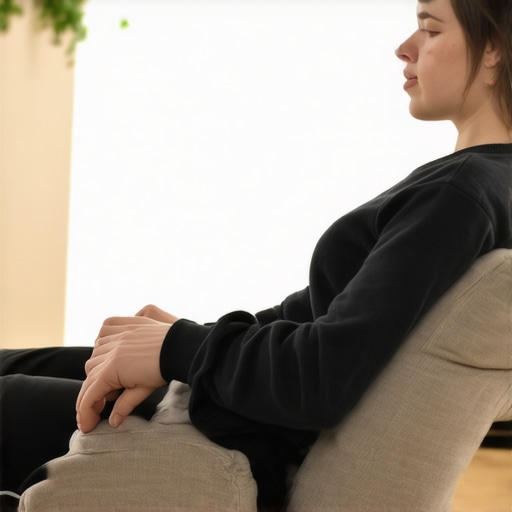
I still remember the moment it hit me—after an evening of sinking into my beloved recliner, I tried to stand up, only to be greeted by a sudden, sharp pain in my lower back. It was as if my spine had betrayed me. That familiar chair, which had provided comfort and relaxation for years, had become the culprit behind my crippling discomfort. If you’ve ever experienced a similar episode, you’re not alone. Many people overlook how seemingly innocent furniture choices can silently sabotage their back health.
Why Your Recliner Might Be the Hidden Enemy of Your Back
Our furniture choices have a profound impact on our posture and spinal alignment. The problem arises when a piece of furniture, like a favorite recliner, encourages poor sitting habits or inadequate support. Over time, these habits can lead to muscle imbalances, stress on ligaments, and even nerve compression, culminating in episodes where your lower back stubbornly refuses to unlock. And let’s be honest—who has the time or energy to deal with chronic back pain?
The good news? Recognizing the root of the problem can be the first step toward relief. You might be surprised to learn that a mistake as simple as settling into your recliner without paying attention to your posture can set this painful cycle in motion. Early on, I made the mistake of ignoring my body’s signals, thinking that comfort was enough. That oversight only worsened my condition. To truly get to the bottom of this, I immersed myself in expert advice and personal experimentation, leading me to uncover actionable strategies that I wish I knew earlier. For example, [understanding the link between poor posture and chronic back pain](https://bodyrenewtherapy.com/understanding-the-link-between-poor-posture-and-chronic-back-pain) can shed light on how everyday habits influence our spinal health.
What Are Your Biggest Fears About Fixing Your Back Pain?
I know many of you might be skeptical—wondering if changing your furniture or habits will really make a difference or if this is just another overcrowded health claim. Believe me, I wasted time trying quick fixes before realizing that sometimes, big results come from small, consistent changes. One mistake I made early on was dismissing the importance of ergonomics, thinking a simple cushion or pillow would suffice. Instead, learning proper [ergonomic techniques for everyday comfort](https://bodyrenewtherapy.com/enhance-your-back-mobility-ergonomic-tips-for-everyday-comfort) dramatically improved my mobility and reduced episodes of locking.
If you’re tired of feeling trapped in your own body, if the fear of permanent damage haunts your thoughts, rest assured that addressing these issues isn’t just about expensive chair replacements. It’s about understanding how your habits, furniture, and posture intertwine, and then taking targeted action. Ready to explore practical solutions that can restore your back’s health and prevent those painful lock-ups? Let’s dive into the steps that changed my life—and can change yours too.
Start with Posture Awareness
Think of your spine like a stack of plates — if one plate tilts or slips, the whole stack becomes unstable. When sitting in your recliner, ensure your hips are as far back as possible, supporting your lumbar curve. I found that adjusting my seating height so my feet touched the ground made a noticeable difference in maintaining proper posture. Regularly check if your shoulders are relaxed and not hunched, which often leads to muscular imbalances contributing to locking episodes.
Optimize Your Seating Habits
Choose recliners with built-in lumbar support or add a cushion that fills the gap behind your lower back. Avoid lounging in a position that causes your pelvis to tilt backward, tightening hip flexors and weakening core muscles. I experimented with placing a rolled towel at the small of my back, which instantly encouraged better alignment and reduced the frequency of my back lockouts.[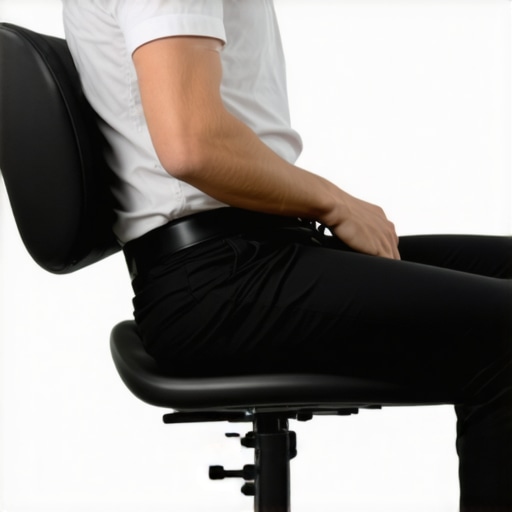 ]
]
Implement Micro-Movements During Long Seating
Every 20-30 minutes, perform subtle shifts—rocking side-to-side or leaning forward slightly—to keep muscles and ligaments active. I started setting an alarm on my phone as a reminder, and at first, my attempts looked clumsy — but over time, my spine felt more supple, and episodes of locking decreased.
Integrate Strengthening and Mobility Exercises
Strengthening the deep core muscles is crucial; think of it as nurturing the foundation of a building. Exercises like the dead bug or bird-dog, when done correctly, stabilize your lumbar spine. Additionally, improving hip mobility can take pressure off the lower back. For instance, the 3 exercises to bulletproof your lower back before gardening helped me regain control over my spinal stability, reducing unexpected lock-ups.[https://bodyrenewtherapy.com/3-exercises-to-bulletproof-your-lower-back-before-gardening]
Stretch and Release Tense Muscles
Focus on lengthening tight areas like hip flexors and hamstrings, which often pull the pelvis out of alignment. However, be cautious not to overstretch, as some stretches can worsen sciatic symptoms. I found that the deep core secret to ending recurrent back pain included gentle, controlled stretching combined with breathing techniques that relax muscles and nerves alike. For targeted release, I used a tennis ball to relieve pressure points in my glutes, which provided immediate relief from some of my locking episodes.
Adjust Daily Habits and Environment
Evaluate your daily routines—do you sit for long periods without breaks? Incorporate standing desks or sit-stand cycles to reduce continuous load. When watching TV, use a supportive recliner that promotes good posture rather than letting your hips slide forward. Proper ergonomic setup, like adjusting your rearview mirror or phone habits, can prevent bad habits from creeping in and causing spinal strain.[https://bodyrenewtherapy.com/enhance-your-back-mobility-ergonomic-tips-for-everyday-comfort]
Manage Stress to Protect Your Back
High stress levels can increase muscle tension, especially in the neck and shoulders, which can radiate down your back, worsening locking episodes. Techniques such as mindful breathing or gentle neck stretches can break the stress-pain cycle. I personally practiced the 10-second neck stretch before bed, which helped my muscles relax and reduced the frequency of painful episodes.[https://bodyrenewtherapy.com/revitalize-your-neck-effective-techniques-for-lasting-pain-relief]
Many believe that neck pain and back pain are simply caused by poor posture or a sudden injury, but the truth runs much deeper. A common misconception is that these pains originate solely from structural problems or trauma; however, recent studies show that nervous system stress and subconscious tension play a pivotal role. For instance, chronic stress triggers muscle tightness and pain cycles that are often misattributed to physical misalignments, leading to ineffective treatments. Recognizing this nuance is crucial, as addressing only the physical aspect may leave underlying tensions unresolved, causing pain to persist or recur.
One trap many fall into is over-relying on passive therapies like massage or foam rolling, assuming they will resolve longstanding issues. While these can provide temporary relief, neglecting neuromuscular factors or stress management can mean the pain returns. Instead, integrating techniques such as breathwork or stress release strategies—like those detailed in [neck pain and stress management](https://bodyrenewtherapy.com/neck-pain-and-stress-how-to-break-the-cycle-for-good)—can lead to lasting improvements.
For advanced practitioners or those experiencing persistent issues, understanding the role of neural tension and mobility restrictions at the ligament or fascia level is vital. These subtle adhesions or nerve impingements often go unnoticed but significantly impact pain and mobility. Techniques that involve gentle neural gliding or fascia release can be game-changers, especially when combined with ergonomic adjustments and stress reduction.
An often-overlooked aspect is the impact of emotional and cognitive factors. Stress, anxiety, and unresolved psychological tension can manifest physically, heightening muscle tension and pain sensitivity. This complex interplay underscores the importance of a holistic approach—addressing both the body and mind. Experts emphasize that solutions like mindfulness and targeted nerve mobilizations, as highlighted in [sciatica relief strategies](https://bodyrenewtherapy.com/unlocking-sciatica-relief-expert-strategies-for-lasting-comfort), are often more effective than purely mechanical interventions.
In the end, recognizing and addressing the nuanced contributors to neck and back pain provides a clearer path to recovery. Instead of solely focusing on visible symptoms, consider the invisible tensions and stressors that could be driving your discomfort. Have you ever fallen into this trap? Let me know in the comments. Remember, true healing often requires looking beyond the surface and understanding the complex, interconnected systems at play.
Maintaining a healthy back requires more than just good posture; it involves leveraging the right tools and establishing routines that support spinal health over time. Personal experience has shown that investing in quality ergonomic gear and adopting specific methods can significantly reduce setbacks and promote lasting mobility.
Choosing the Right Ergonomic Equipment
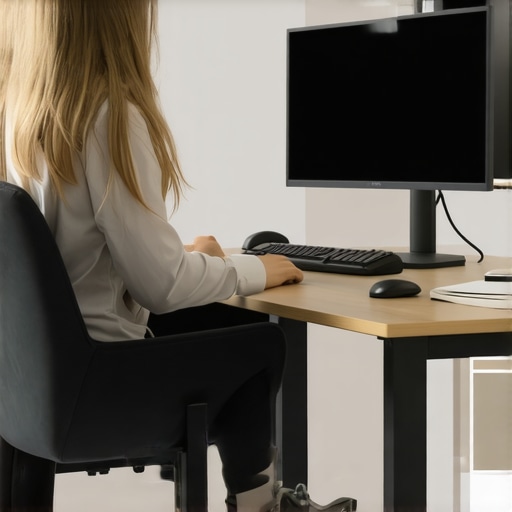
Since I’ve transitioned to a sit-stand desk setup, my back episodes have decreased markedly. The key is selecting a desk that allows seamless height adjustments, enabling frequent position changes. I personally recommend the VARIDESK ProDesk series, as it offers stability and smooth transitions. Pair this with an adjustable ergonomic chair, like the Herman Miller Aeron, which provides excellent lumbar support and encourages proper pelvis alignment. Regularly adjusting your workspace to suit your body’s needs minimizes strain and helps prevent long-term issues.
Additionally, using a monitor arm such as the Ergotron LX can keep your screen at eye level, reducing neck tension and associated back stress. Technology like ergonomic keyboard trays and footrests can further enhance your seated posture and stability. These investments might seem trivial initially but are crucial for sustained comfort and mobility.
Incorporating Supportive Accessories
Adding lumbar cushions or rolled towels behind your lower back during prolonged sitting encourages proper spinal curvature. I often use a memory foam lumbar pillow that molds to my lumbar region, which I’ve found indispensable in reducing muscle fatigue. For those with sciatic nerve irritation, a posture-correcting cushion with a split design can alleviate pressure points and aid in nerve decompression.
Utilizing Tech and Apps for Habit Formation
Beyond physical tools, staying consistent with micro-movements is vital. I rely on apps like SmartBreak or Time Out to remind me to stand, stretch, or perform mobility drills every 20-30 minutes. These cues help embed healthy habits into daily routines, preventing stiffness and muscular imbalances. Over time, these small changes compound into significant improvements in mobility and pain reduction, especially when combined with targeted exercises discussed in this resource.
Long-Term Results and Predictions for Back Care
The future of back health management is leaning heavily toward personalized solutions enhanced by smart technology. Wearables like the Lumo Lift posture coach can provide real-time feedback, ensuring corrections are made before poor habits embed. As research advances, expect more therapy-driven devices that integrate AI to tailor exercises and ergonomic suggestions specifically for your unique needs.
How do I maintain back health over time?
Consistency is paramount. Incorporate daily mobility routines, regularly evaluate your workspace ergonomics, and leverage supportive accessories tailored to your body’s responses. Remember, it’s not about quick fixes but establishing a sustainable system that adapts as you age or as your activities evolve. For deeper insights into ergonomic strategies, visit Enhance Your Back Mobility. Start today by trying the advanced tip of adjusting your desk setup to switch positions every 30 minutes — small steps lead to long-term mobility.
The Hardest Lesson I Learned About neck pain,mobility,sciatica,back pain
Initially, I believed that more rest meant faster healing, but I soon realized that inactivity only worsened my condition. Gentle movement and targeted mobility exercises proved to be far more effective, teaching me that consistent action trumps passive rest.
Uncovering My Blind Spots in Posture and Habits
I discovered that small daily habits, like slouching during meetings or ignoring ergonomic cues, significantly impacted my back. Recognizing these overlooked details helped me make incremental changes that had profound effects over time.
Listening to My Body’s Subtle Signals
At first, I dismissed minor aches, but I learned that persistent discomfort is a message worth heeding. Paying attention to these signals allowed me to address issues early, preventing more serious episodes of back locking or sciatic flare-ups.
Prioritizing Mental and Emotional Well-being
Stress often tightened my muscles and contributed to pain cycles. Incorporating stress reduction techniques, like mindful breathing, was a game-changer, reminding me that holistic health is essential for lasting back improvements.