
Why Your Favorite Yoga Pose Might Be Hurting Your Spine

Ever experienced that sharp, lingering pain after a yoga session that once left you feeling refreshed and centered? I remember the moment I first realized my beloved forward fold was doing more harm than good. It was a slow, creeping discomfort in my lower back that I brushed off as normal—until it kept getting worse. That lightbulb moment changed everything for me, and it might do the same for you.
Why Your Favorite Yoga Pose Might Be Causing Hidden Damage
Yoga is often hailed as the ultimate healer for the body and mind, but not all poses are created equal—especially if your body isn’t ready for them. I’ve seen many fellow practitioners, myself included, fall into the trap of doing what feels good without understanding the risks. For instance, a simple pose like forward bends can inadvertently aggravate sciatic nerve issues if done improperly or excessively. According to recent research, around 80% of adults will experience back pain at some point, and improper yoga technique can be a contributing factor (source: Body Renew Therapy).
Early in my journey, I made the mistake of pushing through discomfort, thinking that more stretching equated to better flexibility. Little did I know that excessive or misguided poses could stretch ligaments beyond their safe range or compress spinal discs—setting me up for long-term issues. That’s why understanding which poses support your spine and which can hurt it is crucial.
Are You Skeptical About Your Favorite Poses?
I get it—many yoga teachers and enthusiasts swear by their routines, and it’s easy to dismiss the idea that some poses might be doing more harm than good. But trust me, I’ve been there. Implementing some simple knowledge and adjustments made a noticeable difference in my pain levels. If you’ve ever felt a twinge or soreness lingering longer than usual, it might be time to reconsider your approach.
So, are you ready to discover how to practice yoga safely and effectively, without risking further injury? Let’s explore the practical steps to protect your spine while still enjoying the benefits of your favorite poses. But first, think about this: have you noticed any recurring discomfort after certain poses? Recognizing these signs is the first step toward a healthier, pain-free practice.
Adjust Your Poses to Fit Your Body
Begin by consciously modifying poses to avoid overstretching or compressing your spine. For instance, in forward bends, keep a micro-bend in your knees instead of locking them straight. This decreases strain on your lumbar discs. I recall practicing this adjustment during a morning session; initially, it felt awkward, but over time, I noticed less lower back soreness and increased comfort. Incorporate this habit into your routine to prevent cumulative damage.
Strengthen Your Core Before Deepening Poses
A strong core acts like a natural support system for your spine. Focus on engaging your abdominal muscles before attempting challenging poses. I started doing simple plank variations daily, which resembled tightening the core like a corset around my midsection. This enhanced stability allowed me to perform poses more safely, reducing the risk of injury, especially in poses like boat or plank variations. Building this foundational strength is crucial for long-term protection.
Practice Controlled, Slow Movements
Avoid rushing into poses; instead, move with mindfulness and control. Think of your spine as a fragile chain of beads that can easily break if pulled too quickly. Once, I tried to accelerate a seated twist without preparation, feeling a sudden jolt in my lower back. Since then, I adopt slow, deliberate movements, pausing at the point of maximum stretch to evaluate discomfort. This approach minimizes unexpected stresses and helps you sense when to back off.
Engage Your Glutes and Legs Properly
Activating glutes and leg muscles takes pressure off your lower back. For example, during forward folds, consciously tighten your buttocks to prevent over-reliance on hamstrings or lower back muscles. I remember focusing on squeezing my glutes during a hamstring stretch, which reduced my lower back’s load and decreased post-session pain. Regularly engaging these muscles distributes forces evenly, protecting vulnerable areas.
Use Props and Supports Effectively
Props like yoga blocks, cushions, or straps can modify poses to suit your flexibility level, reducing unnecessary strain. I started using blocks under my hands during downward dog, which eased tension in my shoulders and spine. Proper prop placement can turn an aggressive pose into a gentle stretch, especially if you feel tension or discomfort. Don’t hesitate to experiment with various supports to find what alleviates stress on your back.
Set Realistic Goals and Listen to Your Body
Remember, improving flexibility takes time; forcing deeper poses often compensates with compromised form, risking injury. I learned this lesson the hard way when I pushed into a deep forward fold despite discomfort, leading to a mild sciatica flare-up. Now, I focus on gradual progress, paying close attention to signals like dull aches or sharp pains, and adjust accordingly. Cultivating awareness helps you avoid setbacks and ensures safe practice.
Incorporate Mobility and Strengthening Breaks
During your practice, intersperse gentle mobility exercises to maintain joint health. Simple movements like pelvic tilts or cat-cow stretches can relieve tension and enhance spine resilience. I integrate quick breaks for mobility drills between sequences, which keeps my spine flexible and reduces stagnation. Consistent, targeted movements act like maintenance, preventing issues from developing over time.
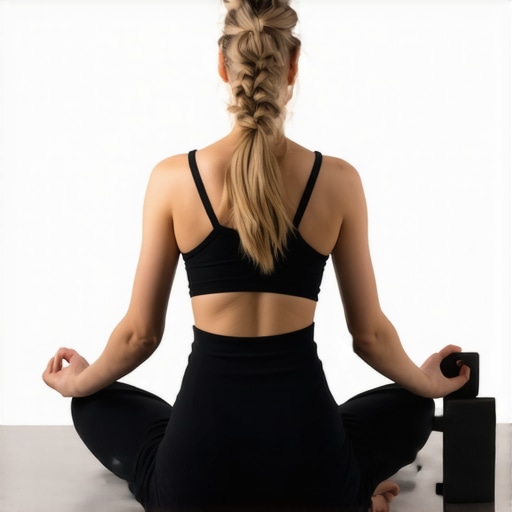
By integrating these practical steps into your routine, you actively support your spine’s health while enjoying the benefits of yoga. Remember, mindful modifications and listening to your body are key to avoiding hidden damage and fostering sustainable progress in your practice.
Many individuals assume that increasing flexibility is always the solution for persistent back, neck, or sciatic pain, but this is a common misconception. The truth is, moving beyond a certain point without proper guidance can exacerbate issues rather than alleviate them. For example, while stretching can relieve stiffness, overdoing it or performing the wrong movements may weaken your muscles and destabilize your spine, leading to chronic discomfort. Recent studies, such as those highlighted by renowned experts in pain management, emphasize that a balanced approach focusing on stability and controlled mobility is far more effective than merely aiming for greater flexibility (source: Body Renew Therapy).
Maintaining mobility and managing pain over the long term requires more than just occasional stretches; it involves investing in the right tools and adopting consistent practices. I personally rely on a few key pieces of equipment and techniques that have proven effective in preserving my movement health and preventing setbacks. These tools not only facilitate better posture and mobility but also empower me to take control of my recovery and ongoing wellness.
My Go-To Foam Roller for Spinal and Muscle Release
The foam roller is a fundamental component in my daily routine. I prefer a dense, high-quality foam roller because it provides enough pressure to release tightness in my back, hips, and legs without risking tissue damage. Using it with proper techniques, such as gentle rolling over my lumbar and glutes, helps break up myofascial adhesions and improves circulation. Recent research highlights that regular self-myofascial release with a foam roller can significantly reduce muscle soreness and enhance mobility (source: Body Renew Therapy).
Complementing Tools and Their Benefits
Alongside my foam roller, I incorporate resistance bands for targeted strength exercises, especially for stabilizing muscles that support my spine. They are versatile and portable, allowing me to perform rehabilitation or strengthening routines anywhere. For neck pain, I swear by ergonomic supports like adjustable cervical pillows, which promote proper alignment during rest and help prevent strain from poor posture.
Why Digital Monitoring Tools Are Transforming Mobility Maintenance
In today’s tech-savvy world, wearable devices like smart posture trainers or motion sensors give real-time feedback on alignment and movement patterns. I use a posture-crompting wearable that vibrates if I slouch, reminding me to adjust throughout the day. This ongoing awareness cultivates habits that reduce stress on my back and neck, leading to sustained improvements.
Looking Ahead: The Future of Pain-Free Living
As technology advances, personalized AI-driven programs tailored to your specific biomechanical needs are on the horizon. These tools will analyze movement, suggest customized exercises, and even adapt dynamically as your condition improves. Staying proactive now by investing in quality tools can set you up for a lifetime of mobility and comfort.
How do I keep my mobility regimen effective over time?
Consistency is key. Regularly incorporating tools like foam rollers, resistance bands, and ergonomic supports into your routine reinforces good habits, prevents injury, and helps manage existing pain. Remember, the goal is not just quick relief but building resilient movement patterns. I recommend selecting a dedicated corner in your home for these tools and making daily practice a non-negotiable part of your self-care.
Start by trying out one advanced tip—like integrating a foam rolling routine targeting your lower back and hips—then gradually expand. For personalized strategies, consider revisiting those proven approaches outlined in this comprehensive guide.
Maintaining mobility requires mindful effort and the right equipment. Equip yourself with these tools, stay consistent, and you’ll notice a long-term difference in how your body feels and functions.
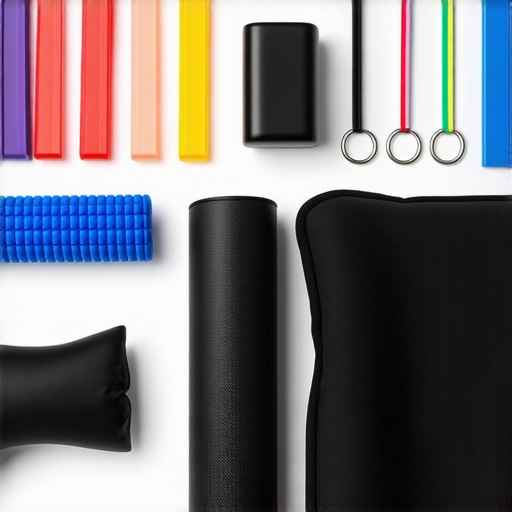
Visualize a well-organized mobility toolkit featuring a foam roller, resistance bands, ergonomic pillow, and digital posture device, illustrating an effective setup for ongoing pain management and flexibility.
Throughout my years of practicing and teaching yoga, I uncovered lessons that no textbook or workshop could teach. One profound insight was realizing that pushing deeper into poses rarely led to better health; instead, listening and adapting made all the difference. I learned that the most effective movements are gentle, intentional, and personalized—transforming pain into progress. Embracing patience and self-awareness, I discovered that the path to spinal vitality isn’t about intensity but about harmony and respect for my body’s unique signals.
Unspoken Truths That Changed My Approach to Movement
- Real progress requires humility: I once believed pushing through discomfort was a mark of dedication. Now, I know recognizing limits fosters resilience and prevents setbacks.
- Consistency beats intensity: Small, daily adjustments in my posture and routine yielded greater long-term benefits than sporadic intense sessions.
- Personalized care is essential: No two spines are alike. Customizing my practice based on my body’s responses made healing possible and sustainable.
- The mind-body connection is powerful: Mindfulness during movement reduced my reliance on brute force and enhanced my awareness of subtle cues, guiding safer practice.
- Patience is a virtue in healing: Significant improvements often come slowly. Embracing this truth kept me motivated and compassionate toward myself.
Tools That Amplify My Mobility Journey
- My trusted foam roller: High-quality and versatile, it helps release tension and improve circulation, especially in stubborn areas like the hips and lower back.
- Resistance bands: Portable and effective, they support strength-building critical for spinal stability and injury prevention.
- Ergonomic accessories: Supportive pillows and adjustable stands align my body, reducing strain during daily activities and sleep.
- Digital posture monitors: These devices keep me accountable, providing real-time feedback to maintain mindful alignment throughout the day.
Stay Inspired to Move Freely
The journey to pain-free mobility is deeply personal and ongoing. By embracing gentle adjustments, consistent habits, and the right tools, you can forge a sustainable path toward long-term spinal health. Remember, every small step counts—your body is a testament to your patience and care. Keep learning, experimenting, and listening, and you’ll unlock a future where movement feels natural and joyful.
What is the tiniest change you’ve made that made a big difference in your back or neck comfort? Share your story below—I love hearing how others are transforming their movement lives!