
Why Your Glutes Aren’t Firing and How It’s Killing Your Back

I remember the exact moment I realized my back pain wasn’t just about aging or bad luck. I was reaching for my keys one morning, and as I bent down, a sharp twinge shot through my lower back. It was as if my body was warning me—something was seriously off. That lightbulb moment made me nerd out on why my glutes weren’t doing their job, and how this simple oversight was sabotaging my entire back health.
The Hidden Culprit Behind Persistent Back Pain
Many folks don’t realize this, but your glutes—the muscles in your buttocks—are the unsung heroes of your lower back and overall mobility. When they fail to activate properly, your body compensates, often by overusing your back muscles. This compensation can lead to chronic pain, stiffness, and even more severe issues down the line. It’s a sneaky problem that’s more common than you might think, especially among people who sit a lot, like me before I started paying attention.
Here’s the kicker: research shows that weak or inactive glutes directly contribute to lower back pain by increasing strain on the spine and surrounding muscles (source: [BodyRenewTherapy](https://bodyrenewtherapy.com/back-pain-breakthroughs-navigating-your-path-to-restored-mobility)). So, if you’re tired of waking up with a stiff back or feeling pain after just a few hours at your desk, the root cause might be sitting right under your nose—your own muscles.
Let’s be real. I made the mistake early on of focusing solely on stretches and ignoring strength. It’s easy to think a quick hamstring stretch or some foam rolling will fix everything. But without activating and strengthening your glutes, you’re just treating the symptoms, not the cause. That’s why I’m committed to helping you identify whether your glutes are on standby—and how to get them firing properly.
Ready to ditch that nagging back pain? Stick around. We’re about to get into some proven strategies that truly make a difference, starting with understanding why your glutes aren’t doing their job in the first place.
Get Your Glutes Firing: Start with Simple Checks
To ensure your glutes are activating properly, begin by lying on your back and performing a bridge. Place your feet flat on the ground, knees bent, and squeeze your glutes to lift your hips. Focus on feeling the contraction without overusing your lower back muscles. This move is like priming your muscles before a race—prepare them to do their job efficiently.
Incorporate Targeted Strengthening Exercises
Next, try the clamshell: lie on your side with knees bent at 90 degrees and feet together. Lift the top knee, keeping your hips steady. This isolates your gluteus medius. I incorporated this into my routine after noticing my hips felt unstable during daily activities, and within two weeks, I felt a noticeable difference in stability and less lower back strain.
Embed Activation into Daily Movements
Make a habit of glute activation during other exercises or even during work breaks. For instance, before sitting down at your desk, practice a quick set of pelvic tilts: lie on your back, tilt your pelvis to flatten your lower back against the floor, then relax. These micro-movements remind your muscles of their role, preventing activation laziness, much like warming up before a workout.
Use Proper Posture and Ergonomics
Optimizing your sitting posture prevents your glutes from becoming inactive. Sit with your feet flat, knees at 90 degrees, and hips pushed forward slightly. If your chair encourages slouching, consider a lumbar support cushion or adjusting your seat height. I realized that an ergonomic setup was a game-changer after struggling with chronic pain; now, my glutes engage more naturally when I sit correctly.
Practice Functional Movement Patterns
Move with purpose: when lifting objects, hinge at the hips, keep your back straight, and engage your glutes to lift. This prevents reliance on your lower back muscles and promotes proper muscle recruitment. I caught myself using my back to pick up groceries and ended up with sore muscles. Changing my approach to push from my hips? Immediate relief and stronger glutes engaged during daily chores.
Progressively Challenge Your Glutes
Gradually increase exercise difficulty by adding resistance bands or weights. For example, perform resistance band walks: place the band around your thighs and step side-to-side, maintaining tension. It’s like building muscle bricks—small, consistent steps lead to a solid foundation that supports your back and keeps pain at bay. I’ve found that consistent progression ensures I don’t plateau, making my back stronger over time.
Integrate Mobility and Flexibility Work
Stretch tight hip flexors and hamstrings because they can inhibit glute activation. Use stretches like the kneeling hip flexor stretch or the seated hamstring stretch. I noticed my hips felt tight after long sitting sessions; adding these stretches eased tightness and allowed my glutes to engage more effectively, reducing compensatory back movements.
Maintain Consistency and Mindfulness
Creating a routine is vital. Set reminders or incorporate these exercises during daily routines—morning stretches, post-work cooldowns, or before bed. Mindfulness during movement ensures you’re consciously engaging the right muscles. Over time, this habit rewires your muscle activation pattern, leading to long-term back health and mobility. Remember, change is gradual—patience and persistence are your allies.
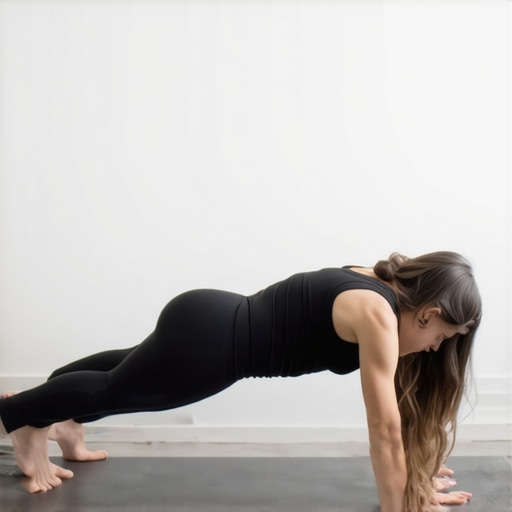 Many assume that back pain, neck discomfort, or sciatica are solely due to aging or injury, but in reality, these issues often stem from misunderstood nuances. One prevalent misconception is that pain always signals damage requiring rest or surgery, yet research indicates that chronic pain can persist even after injury has healed if the nervous system remains hypersensitive (source: [BodyRenewTherapy](https://bodyrenewtherapy.com/back-pain-breakthroughs-navigating-your-path-to-restored-mobility)). This leads to the danger of ignoring central nervous system contributions, causing many to overlook movement patterns and muscle imbalances that perpetuate pain cycles. An advanced mistake I often see is focusing only on symptom suppression through medication or passive treatments, which might temporarily dull pain but do little to correct underlying dysfunctions. For example, misinterpreting sciatica as solely nerve compression can cause aggressive interventions, whereas addressing hip mobility and core stability often yields better, lasting relief.
Can you truly solve persistent back issues without understanding the complex neuromuscular interactions involved?
Experts like Dr. Stuart McGill warn against oversimplification, emphasizing a comprehensive assessment of movement quality and muscular coordination (see his work on spinal stabilization). Remember, your muscles don’t operate in isolation—they form dynamic systems that support your entire movement repertoire. Overlooking this interconnectedness can trap you into ineffective routines that temporarily ease symptoms but don’t promote true recovery. So, next time you experience back or neck pain, consider evaluating your movement habits and muscle activation patterns instead of solely seeking symptomatic relief. Want to deepen your understanding? Check out [how to optimize your mobility and prevent setbacks](https://bodyrenewtherapy.com/enhance-your-back-mobility-ergonomic-tips-for-everyday-comfort). And if you’re unsure about your specific condition or need tailored advice, don’t hesitate to reach out through [our contact page](https://bodyrenewtherapy.com/contact-us). Have you ever fallen into this trap? Let me know in the comments.Maintaining your back health over time requires not just awareness but the right tools and habits. Investing in quality equipment and adopting proven methods can make a significant difference in your mobility and pain management. As someone who has experimented extensively, I can attest to the effectiveness of specific tools that support my routine and long-term results.
One indispensable tool is a flexible massage foam roller, like the TriggerPoint GRID. I personally use it daily to release tightness in my lumbar and hip muscles. Its textured surface helps target trigger points effectively, preventing knots that could lead to chronic pain. Incorporating regular foam rolling has noticeably improved my mobility and reduced flare-ups.
Alongside physical tools, wearable technology such as a posture corrector brace has been transformative. I use a magnetic posture support band during long sitting sessions. It gently reminds me to keep my shoulders back and spine aligned. This simple device acts as a tactile cue, reinforcing good habits without constant conscious effort, and helps prevent poor posture from becoming ingrained.
For movement tracking, I rely on mobility apps like ‘Mobility Master’—a program I recommend for personalized stretching routines. It assesses your movement patterns and prescribes exercises tailored to your needs. Over time, I’ve seen tangible improvements in my flexibility and reduction in sciatica flare-ups, proving that consistent, targeted mobility work pays dividends.
Looking ahead, I predict the integration of smart wearable devices equipped with biofeedback sensors will become the norm. These will monitor muscle activation and posture in real-time, allowing for even more precise adjustments and prevention. Technologies are becoming increasingly intuitive and accessible, opening new avenues for long-term back care.
**How do I keep my back in peak condition?** The secret lies in a combination of strategic tools and mindful habits. Regularly using foam rollers like the TriggerPoint GRID helps maintain tissue flexibility; don’t underestimate the value of integrated devices like posture braces to reinforce good form; and leveraging apps for personalized mobility plans keeps your routine engaging and effective. Remember, consistency is key.
I encourage you to try integrating a foam roller into your daily routine. It’s a simple yet powerful step toward preventing pain and promoting lasting mobility. For a comprehensive approach, explore our detailed guide on [mobility mastery](https://bodyrenewtherapy.com/mobility-mastery-daily-tips-to-keep-your-spine-and-joints-healthy). If you’re ready for a personalized assessment, reach out through [our contact page](https://bodyrenewtherapy.com/contact-us), and let’s craft a plan tailored for your health journey.
How I Discovered the Power of Mindful Activation
One of the most eye-opening lessons I learned was that strengthening my glutes wasn’t just about adding exercises to my routine; it was about consciously engaging them in every movement. This realization transformed my approach from passive stretching to active muscle empowerment, leading to significant pain reduction.
Overcoming the Myth of Rest as the Only Solution
I used to believe that resting until pain subsided was the best course. However, I discovered that gentle movement and targeted activation kept my muscles engaged and prevented stiffness. Embracing this dynamic approach helped me stay active without triggering discomfort.
The Hidden Role of Daily Habits
Small daily habits, like how I sit at my desk or lift groceries, had a profound impact on my back health. Learning to incorporate micro-activations and proper mechanics into routine tasks proved to be a game-changer, reinforcing the idea that consistent, mindful movement is key.
The Importance of Pairing Tools With Technique
Tools like foam rollers and posture braces certainly helped, but I realized their true value came when used with proper technique. Combining equipment with educated movement cues enhanced my progress and empowered me to maintain back health independently.
Building Confidence Through Knowledge
Educating myself about neuromuscular function and spinal stabilization shifted my perspective from reactive to proactive. Understanding the why behind exercises gave me confidence and made my journey to pain-free living more sustainable.
Empowered Choices Lead to Lasting Change
Ultimately, the most valuable lesson was that empowering myself with knowledge and mindful habits created lasting change. My back pain transitioned from an unavoidable curse to a manageable aspect of my life, inspiring me to share these insights with others seeking similar relief.
My Essential Toolkit for Longevity
Among the resources I trust, Mobility Mastery stands out for its practical, science-backed routines. Combining this with advice from Back Pain Breakthroughs has truly elevated my recovery and maintenance efforts. And for ongoing learning, books like Becoming a Supple Leopard offer in-depth insights into movement mechanics that continue to inspire my practice.
Keep Moving Forward with Confidence
Your journey to pain-free living is unique and ongoing. Embrace the lessons learned, leverage trusted tools, and stay committed to mindful movement. Remember, every step you take toward understanding your body is a step away from persistent pain. Are you ready to reclaim your mobility and live pain-free? Share your thoughts below—I’d love to hear your experiences and questions on this path to lasting back health.