
Why Your Hamstring Flexibility Is Not the Real Problem With Your Back
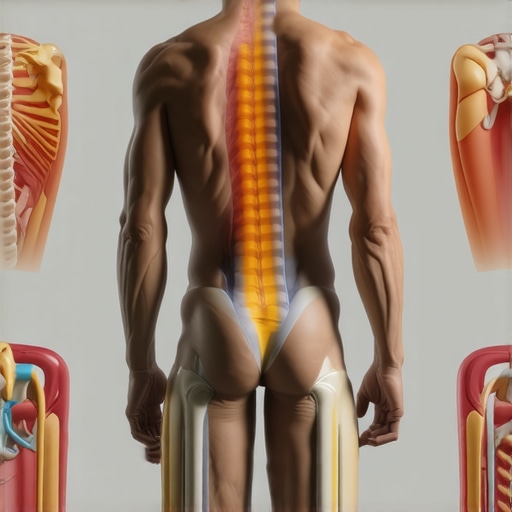
Have you ever tried to stretch your hamstrings, only to find that the pain or tightness persists? I remember countless mornings waking up with my lower back aching, feeling like my hamstrings were the stubborn culprits. I spent months diligently stretching, believing that limber hamstrings would be the fix. But the pain never truly went away. That lightbulb moment came when I realized—it wasn’t just about hamstring flexibility. The real problem was something more nuanced, more interconnected.
Understanding the Common Assumption About Hamstring Tightness and Back Pain
Many of us, myself included in the beginning, fall into the trap of thinking that tight hamstrings are the root cause of lower back discomfort. It’s intuitive: tight muscles pulling on your pelvis can translate into back pain. Yet, this is a simplified view that often misleads us. If stretching hamstrings was the magic solution, plenty of people wouldn’t be battling persistent back issues despite daily stretches. In fact, recent research suggests that hamstring tightness can be both a symptom and a cause, but not necessarily the primary trigger—sometimes, the real issues lie elsewhere, such as poor posture or imbalanced hips.
To truly resolve back pain, we have to look beyond the hamstrings. Focusing solely on stretching them might even overlook the actual problem and, in some cases, exacerbate it. I made this mistake early on, wasting time on endless stretches, while neglecting the underlying postural habits that kept the cycle alive. This experience made me realize the importance of diagnosing the actual causes, not just symptoms.
The Promise: What We’ll Cover Today
In today’s post, I’ll share how to identify whether hamstring tightness is actually the culprit, or just a red herring. We’ll explore the overlooked factors that impact your back health, like pelvic alignment and habitual movement patterns. And I’ll point you toward proven strategies that work—not just quick fixes, but lasting solutions. If you’ve been frustrated by stubborn back pain despite all your stretching, stick around because we’re about to shift the narrative.
Is Your Focus on Hamstrings Actually Worth the Hype?
Many believe that flexible hamstrings are the key to a pain-free back, but I’ve learned it’s more complicated. It’s easy to assume that tight muscles are the main issue. However, biomechanical studies highlight that other factors—such as pelvic tilt and postural habits—play a significant role in your back health. Early in my journey, I thought consistent hamstring stretching would solve everything. Instead, I learned that a holistic approach, addressing movement patterns and muscle balance, leads to true relief. If this resonates, you’re not alone, and there’s a clear path forward. Curious to know how your posture might be affecting your back? Check out how poor posture directly relates to chronic pain, and what simple adjustments can make a huge difference.
Identify the Root Cause Before Acting
Start with a simple self-assessment to determine if tight hamstrings are the real culprit or just a red herring. Lie flat on your back, lift one leg, and attempt to straighten the knee without lifting your hips. If you struggle, your hamstrings might be tight, but remember—postural habits and pelvic alignment often play a bigger role.
Earlier, I tried to loosen up my hamstrings daily, but my lower back stiffness persisted. Then, I realized I needed a different approach—focusing on pelvic tilt and core stability. To better understand your own condition, check out how poor posture impacts back health.
Incorporate Movement Patterns That Promote Optimal Pelvic Alignment
Once you’ve identified potential issues, introduce movements that counteract pelvic misalignment. One effective drill is the pelvic tilting exercise: lie on your back with knees bent, gently flatten your lower back against the floor while engaging your core, then release. Repeat 10 times to build awareness and control.
I personally practiced this daily during hectic mornings, and noticed a decrease in morning back stiffness after a week. For a more comprehensive routine, explore simple exercises that boost back mobility.
Use Targeted Nerve Glide Exercises
Target nerve mobility to alleviate shooting pains from sciatica or pinched nerves. The nerve glide drill involves gently moving your leg and foot in a way that encourages nerve movement within the surrounding tissue. To perform this, lie on your back, lift one leg, and dorsiflex your foot as you tilt your chin slightly towards your chest. Repeat 10 times on each side.
This technique was a game-changer for me, especially when leg tingling started. Watch how nerve gliding can calm sciatic pain to see proper form and variations.
Develop a Daily Routine of Mobility and Stability Movements
Consistency is key. Incorporate daily practices like the cat-cow stretch, hip hinge, and bridging into your morning or evening routine. These movements strengthen stabilizer muscles and improve flexibility, reducing the strain on your lower back.
For example, I set a timer to remind myself to perform the 2-minute morning stretch, which included hip circles and pelvic tilts. Over time, this became a habit, and I experienced fewer flare-ups. To refine your routine, consider reviewing daily mobility tips for spine health.
Adjust Ergonomics and Daily Habits
Small changes in how you sit, stand, and lift can have a big impact. Maintain an ergonomic workspace, keep your monitor at eye level, and avoid crossing your legs when seated. When lifting heavy objects, keep your back straight and engage your core, rather than twisting or bending at the waist.
Once, I temporarily increased my back discomfort because I was constantly propping my phone on my chest. Correcting my posture and practicing proper lifting techniques, like the safe lifting methods, made a noticeable difference within days.
Monitor and Progress with Professional Guidance
If persistent pain remains, consult a specialist for comprehensive assessment and tailored treatment plans. Regular check-ins can help you adapt your movement strategies effectively, prevent setbacks, and ensure long-term relief.
Remember, building back mobility is a gradual process. Combining targeted exercises with habit adjustments creates a resilient foundation for a healthier back and improved function.
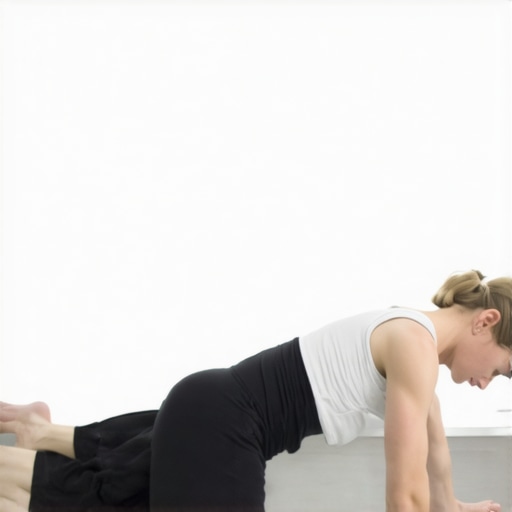 Many people believe that managing pain is simply a matter of stretching or strengthening the affected muscles, but this perspective overlooks crucial nuances. For example, conventional wisdom often emphasizes targeting symptomatic areas like the lower back or neck without considering the root causes lurking beneath the surface. In my experience, a common myth is that pain originates solely from tight muscles or joint misalignments—that addressing these will resolve the issue permanently. However, studies suggest that neural and fascial factors can play a more significant role than commonly recognized, which is supported by recent research from experts like Dr. Roger Sperry, highlighting the importance of proprioceptive integration for pain relief.
Why is addressing muscle tightness alone often a mistake for chronic pain sufferers?
Focusing solely on muscle tightness can lead you into a trap of temporary relief, as it doesn’t resolve the underlying neural or postural dysfunctions. For instance, nerve entrapments like nerve root impingements may present with muscle tightness but require specific nerve mobility exercises rather than just stretching. Overlooking this nuance can prolong discomfort and even worsen symptoms if certain movements exacerbate nerve irritation. Remember, a holistic approach that includes nerve gliding and posture correction offers more sustainable results. Learn more about how nerve mobility exercises can impact your recovery by visiting this resource.Maintaining a healthy back and neck over the long term requires strategic use of specific tools and routines that reinforce mobility, stability, and proper posture. In my journey, I’ve found that targeted equipment and technology can make the difference between fleeting relief and lasting results. One essential piece I personally rely on is a high-quality foam roller. By using a firm foam roller, I can perform self-myofascial release on tight muscles, especially around the hips and lower back, which are critical areas often overlooked. For example, the proper use of a foam roller, as explained in this detailed guide, releases fascial restrictions that contribute to nerve impingements and pain.
Another tool that’s become indispensable is a balance ball or stability ball. I incorporate it into daily routines for exercises like pelvic tilts and core activation drills. Unlike traditional exercises, balancing actively engages stabilizer muscles, supporting better postural alignment and reducing long-term strain. Physical therapist insights support the use of stability balls, emphasizing their role in improving spinal stability as part of a proactive maintenance plan.
In the digital age, ergonomic tools are also vital. I recommend investing in adjustable monitor stands and ergonomic keyboards, which I personally set up following these ergonomic tips. They help keep my neck aligned during long work sessions, preventing the development of tension headaches and neck pain.
For nerve mobility, I encourage integrating nerve glide tools such as resistance bands or even simple household items like a towel to assist with nerve flossing exercises. This approach has dramatically reduced sciatic flare-ups for me, especially after long periods of sitting.
Looking forward, the future of pain management and mobility maintenance is leaning heavily into wearable technology. Devices equipped with biofeedback sensors can monitor posture throughout the day, alerting you to slouching or uneven weight distribution—the main culprits behind chronic discomfort. For example, smart posture correctors like sensor-enabled shirts can provide real-time feedback, creating an effortless way to sustain good habits.
How do I keep these tools effective over time? Regularly updating equipment, practicing consistent routines, and consulting with professionals keep my regimen fresh and tailored. Remember, tools alone aren’t enough; pairing them with mindful habits amplifies benefits. For instance, I challenge you to try integrating a nerve glide exercise with resistance bands tomorrow—consistent practice not only alleviates pain but builds resilience against future issues. Explore more about long-term strategies at these lifestyle tips to enhance your recovery journey.
What I Wish I Knew About Pain Relief Early On
The biggest lesson I learned was that pain isn’t always where it seems. For years, I focused solely on stretching and strengthening, but those efforts often missed the deeper neural and postural factors at play. It took a lot of trial and error, along with honest self-assessment, to realize that effective relief required addressing the root causes instead of just superficial symptoms.
One of my lightbulb moments was discovering how nerve mobility exercises could dramatically reduce sciatic pain, changing my entire rehabilitation perspective. It’s surprising how neglected these subtle yet significant movements can be in conventional routines, but once incorporated, they foster long-term resilience.
Another insight was understanding the importance of daily habits—things like ergonomic setups and mindful movement—that continually influence spinal health. Small, consistent adjustments outperformed endless stretching, reminding me that longevity in pain management depends on lifestyle integration, not quick fixes.
My Critical Tools for Lasting Back and Neck Mobility
I’ve come to rely on a handful of proven tools that truly make a difference. A high-quality foam roller is invaluable for releasing fascial restrictions, especially around tight hips and lower back areas prone to nerve impingements. Check out this guide to mastering foam rolling techniques.
Next, a stability ball has become my go-to for engaging core muscles during pelvic tilts and posture exercises. It promotes active stabilization, which is vital for spinal health. I also swear by ergonomic accessories like adjustable monitor stands—small tweaks that significantly reduce neck tension, detailed in these ergonomic tips.
For nerve gliding, resistance bands and simple household items like towels are surprisingly effective. They empower you to perform precise nerve mobility drills at home, which can alleviate persistent sciatica or nerve pain. Regularly integrating these tools created a noticeable difference in my daily comfort, and I believe they can do the same for you.
Seize Your Movement, Embrace Real Change
You have the power to transform your back and neck health by taking intentional action today. Start with small daily routines—whether it’s a brief nerve glide, a mindful ergonomic adjustment, or a strengthening move—that reinforce your body’s resilience. Remember, progress is a journey, and consistency beats intensity.
If you’re ready to go deeper, explore the resources linked throughout this article, or consult a professional for personalized guidance. Your future pain-free self is waiting, and every good choice today is a step closer.
What’s the one daily habit you think might be secretly contributing to your neck or back pain? Share below—I’d love to hear your story!
,