
Why Your High-Arched Shoes Are Impacting Your Sciatica
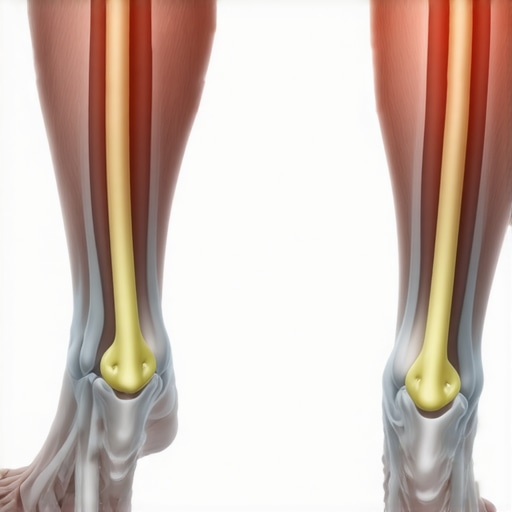
It was a morning like any other—until I couldn’t stand up straight without a sharp jolt shooting down my leg. I’d been battling sciatic pain for months, and suddenly, my favorite pair of high-arched shoes seemed to be the culprit. That lightbulb moment hit hard: My footwear might be doing more harm than good.
The Hidden Impact of Stylish Shoes on Your Nerve Pain
For years, I thought fashion mattered more than function. I kept choosing fashionable high heels and arch-supporting shoes without realizing how much they were altering my posture and biomechanical flow. Little did I know, these choices could be triggering or worsening my sciatic nerve issues. According to recent studies, footwear that doesn’t support your natural arch may contribute to spinal misalignments and nerve compression, aggravating conditions like sciatica (source: this article).
My early mistake? Investing in trendy shoes without paying attention to their impact on my body’s alignment. I ignored the signs—knee pain, lower back stiffness, and that persistent shooting sensation down my leg. Trust me, I learned the hard way that style shouldn’t come at the expense of health.
Is Footwear the Real Culprit Behind My Sciatic Pain?
This is a common skepticism I hear from friends and clients alike. Many assume that only injury or poor posture in daily activities cause nerve pain. But after plenty of personal trial and error—and a few visits to [body renewal therapy](https://bodyrenewtherapy.com/overcoming-sciatica-top-lifestyle-changes-for-better-quality-of-life)—I’ve come to see the connection clearly. Choosing the wrong shoes can subtly alter your gait and spinal alignment, leading to nerve compression over time.
One key mistake I made in the beginning was prioritizing fashion over function, not realizing how shoes shape spinal health. If you’ve ever woken up with a nagging ache or felt that familiar numbness creeping into your leg, it might be time to reconsider your footwear choices.
So, what’s next? In the sections ahead, I’ll walk you through practical steps to identify if your shoes are sabotaging your sciatic nerves—plus, strategies to get back to pain-free walking and standing. Ready to give your feet—and your nerves—a break? Let’s dive into solutions that can truly make a difference.
Inspect Your Shoes Carefully
Start by examining your daily footwear for signs of poor support. Remove your shoes and look for worn-out insoles, unstable heels, or inappropriate arch support. I once found a pair of trendy boots that had no arch support, leading to altered gait and increased sciatic discomfort. Replace these with shoes that offer firm, contoured support, aligning your feet naturally and reducing nerve compression.
Switch to Supportive Footwear Gradually
When transitioning to supportive shoes, do it gradually over a week to give your feet and legs time to adapt. Wear your new shoes for short periods initially, then increase duration. This approach prevented me from experiencing new discomfort and allowed my gait to normalize, which in turn lessened pressure on the sciatic nerve.
Utilize Orthotics for Better Support
Consider custom or over-the-counter orthotics if off-the-shelf support isn’t enough. These inserts help maintain proper foot alignment, which affects your entire posture and spinal health. I used orthotic insoles after reading this resource and noticed a significant reduction in nerve pain within weeks.
Practice Proper Shoe Wearing Habits
Avoid wearing high heels or unsupportive footwear for extended periods. When doing errands or work, opt for shoes with a stable heel height and adequate cushioning. I committed to switching my heels for sneakers during long days, which immediately alleviated some of my sciatic flare-ups and improved my overall mobility.
Integrate Foot and Ankle Mobility Exercises
Incorporate simple exercises such as ankle circles, toe stretches, and heel raises to strengthen your lower limbs. These movements promote better circulation and prepare your feet for supportive footwear. I added 5-minute ankle mobility routines, and within a couple of weeks, my gait became more balanced, lessening nerve tension.
Seek Professional Guidance for Foot Assessment
If you’re unsure about your footwear needs, consult a podiatrist or a physiotherapist specializing in gait analysis. They can recommend personalized solutions, including custom orthotics or specific exercises. After a professional review, I shifted to custom orthotics, which provided tailored support and markedly reduced my sciatic symptoms.
Adjusting footwear isn’t a one-time fix—it’s a foundational step toward healthier posture and nerve health. Proper support can act like a sturdy foundation for your house, preventing misalignments that cause nerve compression. Remember, small consistent steps in footwear choices can lead to big improvements in your mobility and overall comfort, helping you enjoy a pain-free life.
 While many assume sciatic and back pain stem solely from injuries or poor posture, the real nuance lies in how the nervous system and subtle biomechanical imbalances intertwine. One common myth is that pain always indicates direct tissue damage needing aggressive intervention; in reality, pain often signals nerve sensitivity or maladaptive neural pathways that have become chronic. This misconception can lead to unnecessary surgeries or over-reliance on medication, instead of addressing root neural and movement patterns. Would you believe that some persistent pain cases improve significantly through neural retraining and mobility techniques, rather than solely structural fixes? For instance, incorporating targeted mobility exercises—like those outlined in [mobility mastery tips](https://bodyrenewtherapy.com/mobility-mastery-daily-tips-to-keep-your-spine-and-joints-healthy)—can reset neural circuits and improve overall function.
A critical oversight is neglecting the “oops” moment: many people, in their eagerness for quick relief, jump into aggressive stretching or invasive treatments without first evaluating their movement habits or neural sensitivities. This can exacerbate the issue, especially if nerve inflammation is involved. For example, forcefully stretching tight hamstrings or lower back muscles without understanding underlying neural tightness might worsen nerve compression, leading to longer recovery times.
Further complicating the picture is the misconception that pain is a constant, static experience. In truth, pain fluctuates based on neural and biomechanical factors—sometimes pain-free moments are misinterpreted as full recovery. Recognizing these fluctuations and addressing the underlying neuromuscular patterns offers a more effective path. As Dr. David Butler emphasizes in neurodynamics, understanding the nervous system’s role is crucial; addressing nerve mobility and sensitivity often yields better results than solely focusing on muscle strength or structural alignment. Want to explore advanced approaches? Dive into [conquering sciatica](https://bodyrenewtherapy.com/conquering-sciatica-proven-approaches-to-end-discomfort-now) for more insights.
And here’s an advanced question that trips many up: How do neural tissues adapt to chronic repetitive strain, and what are effective strategies to reverse this adaptation? Essentially, nerves can become ‘trained’ to stay in a state of hypersensitivity—much like a learned response—making even mild movements feel painful. Gentle neural mobilizations and graded exposure to movement, as discussed in [neck pain solutions](https://bodyrenewtherapy.com/neck-pain-solutions-innovative-strategies-for-fast-recovery), can gradually desensitize the nervous system. External research supports this: a study published in the Journal of Orthopaedic & Sports Physical Therapy highlights neurodynamic exercises’ effectiveness in reducing chronic nerve-related pain.
So, the key takeaway? Recognize that pain isn’t solely about tissue damage; it’s deeply connected to neural health and movement patterns. If overlooked, these nuances can keep you trapped in cycles of frustration and ineffective treatments. Instead, embrace a comprehensive view that includes neural mobilization, movement re-education, and lifestyle modifications. For more on optimizing your recovery, check out [overcoming sciatica](https://bodyrenewtherapy.com/overcoming-sciatica-top-lifestyle-changes-for-better-quality-of-life). Have you ever fallen into this trap? Let me know in the comments.
Once you’ve started implementing supportive footwear and neural mobility exercises, maintaining your progress becomes crucial. The right tools can make a significant difference in ensuring long-term relief and mobility. One of my go-to systems is a combination of mobility trackers and targeted therapy devices that facilitate consistent self-care routines. For example, I personally use a digital inclinometer app on my smartphone to monitor my spinal posture during daily activities, ensuring I stay aligned and avoid regressions. According to recent biomechanics research, regular posture tracking can significantly prevent the recurrence of nerve compression symptoms (source: this article).
Another essential tool I rely on for sustained results is a high-quality foam roller, specifically designed for myofascial release. Unlike generic rollers, I opt for one with vibration features, which I find enhances muscle relaxation, particularly in the piriformis and hamstring regions that influence sciatic nerve tension. Regular foam rolling sessions lasting just 5-10 minutes help maintain my flexibility and reduce the likelihood of flare-ups. Consistency is key—a deep tissue massage device like a tennis ball or a specialized massage ball can also target small muscle knots that contribute to nerve irritation.
In addition to physical tools, I use software solutions to track my mobility exercises and set reminders. Apps like a tailored version of a physical therapy app are effective for staying disciplined over months. They log your progress and adapt your routines based on your feedback, which research shows increases adherence and long-term success (see this resource for more insights).
Looking ahead, the trend seems to be moving toward smart wearable devices that provide real-time feedback. Imagine a gentle lumbar support belt embedded with sensors that alert you when your posture deviates or when you’re placing unnecessary strain on your nerves. These innovations could revolutionize how we manage spinal health daily.
How do I keep my mobility tools effective over time?
To sustain your improvements, it’s vital to periodically clean, calibrate, and replace your tools. Foam rollers, for instance, can accumulate dirt and lose their firmness—so replace mine every six months. Similarly, digital posture trackers may require updates to keep algorithms accurate. Incorporating a scheduled review—perhaps monthly—to evaluate your device’s condition and your routine ensures ongoing benefits. Additionally, continue to educate yourself on latest techniques by revisiting cornerstone resources like this comprehensive guide.
Trying out advanced strategies, like integrating a brief weekly neural mobilization sequence, can enhance your resilience against flare-ups. For example, dedicating just 10 minutes a week to specific nerve gliding exercises, as recommended in this article, can dramatically improve your long-term comfort. Now’s the perfect time to commit—grab a foam ball, open your mobility app, and set a routine. Remember, small, consistent investments in your technology and habits pay off in sustained pain-free days.
The Hardest Lesson I Learned About Sciatica and Mobility
One of the most eye-opening realizations was understanding how deeply interconnected our footwear choices are with neural health and spinal integrity. I initially believed that rest and medication alone could heal my sciatic pain, but the real breakthrough came when I examined my daily habits and supportive tools. This taught me that persistent pain often hides in overlooked details, like footwear and movement patterns, reminding me that healing is rarely a one-size-fits-all process.
My Tools for Lasting Comfort
Through trial and error, I found that personalized orthotics revolutionized my recovery, providing tailored support that off-the-shelf insoles couldn’t match. Combining this with mobility apps helped me stay consistent and motivated. A high-quality foam roller became my best friend in maintaining flexibility, especially in my piriformis and hamstring muscles. These tools empowered me to take my health into my own hands, emphasizing the importance of a proactive approach rather than reactive solutions.
Embracing Neural Health as a Priority
Perhaps the most profound insight was recognizing the nervous system’s role in pain management. Learning that neural mobilizations and graded movement can desensitize nerves was a game-changer. It taught me that addressing neural sensitivities often leads to faster, more sustainable relief than focusing solely on muscular or skeletal corrections. Incorporating these strategies consistently helped me rebuild confidence in my body’s ability to heal, proving that neural health deserves as much attention as physical support.
Curated Gems for Your Journey
My go-to resources include comprehensive guides like this article on conquering sciatica, which offers evidence-based strategies rooted in neurodynamics. I also trust mobility mastery tips to maintain optimal spinal function daily. For personalized assessment, consulting a gait specialist or physiotherapist proved invaluable, helping me customize my support tools and exercises, making the recovery process more effective and less frustrating.
Your Next Chapter Starts Now
The journey to pain-free living is ongoing, but every small step creates a ripple effect toward greater mobility and neural resilience. Embrace the tools, techniques, and mindset that prioritizes neural health, posture, and support. Remember, the most important investment você can make is in your own continuous progress and curiosity—your body is capable of remarkable healing when given the right resources and attention.
Have you experienced a turning point where a small change led to a big improvement in your sciatic or back pain? Share your story below—I’d love to hear how you’re transforming your movement for good.
**