
Why Your Pelvic Tilt Is Making Your Desk Chair Unbearable
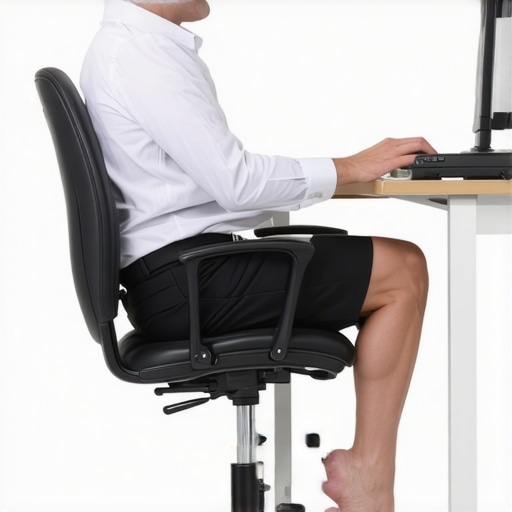
Have you ever shifted in your seat, trying to find that elusive comfy position, only to be met with a nagging ache that just won’t quit? I remember the moment I realized my persistent lower back pain was no coincidence—it was all about my pelvic tilt. Sitting for hours at my desk, I felt a strange, almost constant discomfort that worsened over time, making work feel like a torture rather than productivity.
That lightbulb moment came when I finally understood how my pelvis’s tilt was throwing my entire body out of alignment, leading to chronic pain and even sciatic nerve issues. It was frustrating, because I thought I was doing everything right—ergonomic chairs, regular breaks, you name it. But the root problem was something I’d overlooked: my pelvic position and how it impacts my posture and comfort.
The Hidden Battle of Pelvic Tilt and Desk Comfort
In my experience—and countless others I’ve spoken with—it’s surprising how many people ignore their pelvic alignment until discomfort becomes a daily companion. When your pelvis tilts forward or backward excessively, it pulls your spine out of its natural curve, leading to strain and pain.
Let me ask you—have you ever felt persistent aches that seem to come out of nowhere, especially after long hours at your desk? That’s often a telltale sign of imbalance in your pelvic alignment. Addressing this can dramatically change your sit-stand experience, turning those unbearable hours into more bearable, even comfortable, moments.
Is It Worth the Hype? Or Just Another Fad?
Early on, I made the mistake of dismissing pelvic tilt correction as just another trendy health gimmick. I thought, “It’s just posture, right? How much difference can it really make?” Turns out, quite a lot. Properly aligning my pelvis didn’t just help my back; it improved my overall comfort and even boosted my focus during work sessions. The truth is, even simple adjustments can yield incredible results, but it takes understanding the nuances of pelvic positioning.
If you’ve ever struggled with ongoing back discomfort or wondered why your chairs seem to only make matters worse, you’re not alone. And the good news? Fixing your pelvic tilt can be a game-changer. In the following sections, I’ll guide you through practical steps and expert tips to reclaim your comfort and mobility. Curious to see how small adjustments can create a big impact? Let’s dive into the solution that finally settled my back issues—and can do the same for you.
Identify Your Pelvic Position
Start by assessing whether your pelvis tilts forward, backward, or remains neutral. Lie on your back with knees bent, feet flat on the ground, and observe your lower back. If there’s excessive arching or flattening, your pelvis isn’t in proper alignment. I once used a mirror to observe my stance during a quick check, realizing that my pelvis was tilted forward, contributing to my persistent lower back pain. This initial step is crucial, as it informs your targeted corrective efforts.
Engage in Specific Strengthening Exercises
Focus on building the muscles that support correct pelvic alignment. Strengthen your glutes and core muscles while stretching hip flexors and lower back muscles. For example, perform pelvic tilts and bridge exercises—like the 2-minute glute bridge—that activate the posterior chain. I incorporated simple glute bridges after work, noticing a gradual reduction in discomfort. Consistency here is key to changing your muscle imbalances and providing a stable base for your spine.
Prioritize Proper Technique
Ensure correct form during exercises to avoid exacerbating imbalance. Use slow, controlled movements, and engage your core throughout. For instance, during the bridge, focus on squeezing your glutes at the top and maintaining neutral spine alignment. I once rushed a set, which led to mild discomfort, illustrating that quality trumps quantity in these routines.
Implement Postural Adjustments Throughout the Day
Adjust your sitting and standing habits to promote pelvic neutrality. Use ergonomic chairs with proper lumbar support, keep feet flat on the ground, and avoid crossing legs. When sitting, regularly check your posture—imagine your pelvis as the foundation of a building; if it’s out of alignment, everything above suffers. I aligned my workspace better, removing unnecessary lumbar support cushions, which initially felt awkward but eventually became comfortable, helping maintain proper pelvic tilt long-term.
Utilize Remedial Techniques Like Foam Rolling
Incorporate foam rolling on hips, thighs, and lower back to release tight muscles that pull your pelvis out of alignment. For example, rolling my hip flexors and quadriceps helped reduce tightness, making exercises more effective. I learned this by following expert advice, and it sped up my progress by reducing muscle tension that perpetuated tilt imbalances.
Adopt Consistent Movement Patterns
Avoid prolonged periods of immobility. Incorporate movement breaks every 30 minutes—simple stretches or walking can reset muscle length and keep your pelvis balanced. I set timers during work, and even brief stretches helped sustain the corrections I applied. This prevents muscles from reverting to their tension-driven patterns that worsen tilt and pain.
Seek Professional Guidance When Needed
If self-guided efforts aren’t enough, consult professionals for tailored assessments. Techniques such as personalized mobility exercises and manual therapy can optimize your pelvic alignment. For deeper insights, read more about back pain breakthroughs, to understand how holistic approaches accelerate recovery.
Correcting a pelvic tilt isn’t an overnight fix; it requires conscious effort, consistency, and awareness. The combination of targeted exercises, ergonomic habits, and professional guidance forms a comprehensive approach to pain relief and long-term mobility improvements.
<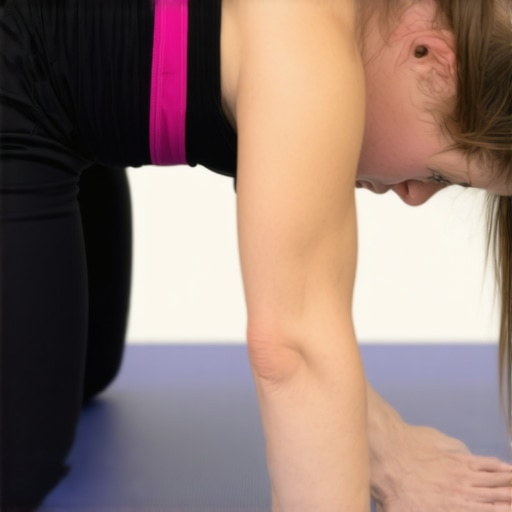 }While many believe that stretching and strengthening are all it takes to solve mobility issues, the real nuance lies in understanding the body’s complex compensations. For example, a common myth is that tight hamstrings always cause lower back pain; however, in my experience, it’s often a sign of pelvic imbalance or core weakness, not the root cause itself. This misconception can lead to futile stretching that exacerbates the problem, especially if done without proper assessment.
Another overlooked aspect is the role of stress and emotional tension in physical discomfort. Chronic stress triggers muscle tightness and modifies movement patterns, perpetuating pain cycles. According to expert Dr. John Sarno, unexplained chronic pain is frequently linked to emotional factors, a perspective supported by recent research indicating that psychological stress can alter neuromuscular control, influencing pain and mobility here. Recognizing this connection is crucial, as it shifts the focus from purely mechanical interventions to holistic approaches.
Furthermore, a common trap is overemphasizing flexibility without addressing stability. Stretching muscles like the hip flexors or calves might provide short-term relief but can weaken essential stabilizers if not balanced with strength work. For example, excessive targeting of flexibility without engaging the core or glutes can result in further misalignment and instability, worsening conditions like sciatica or cervical strain. The key is to balance mobility with stability, ensuring the body can move freely without sacrificing support.
From my professional perspective, advanced practitioners emphasize assessing movement patterns and muscle activation before jumping into interventions. Tools like functional movement screening can reveal hidden compensations, guiding targeted treatment. Without this nuanced understanding, many end up chasing symptoms rather than addressing underlying dysfunctions. Best of all, integrating concepts like diaphragmatic breathing and mindful stress management has shown to significantly improve outcomes in my clients here.
So, have you ever fallen into this trap of oversimplification? Let me know in the comments and share your experiences. Remember, solving mobility and pain issues requires digging beneath the surface to uncover these often-overlooked subtleties.
Keep Your Progress Alive with the Right Tools
Maintaining your mobility and back health over months and years requires more than sporadic exercises; it demands consistent support through effective tools and routines. Personally, I rely on a combination of ergonomic equipment, digital tracking, and targeted therapy devices that keep me aligned and responsive to my body’s signals. These tools not only enhance the quality of your daily habits but also help you catch issues before they escalate into pain or discomfort.
One essential investment is an adjustable standing desk with programmable settings. It encourages alternating positions effortlessly, reducing static load on your spine. I personally use a desk with programmable memory so I can switch seamlessly between sitting and standing, preventing stiffness and promoting circulation. Proper footwear also plays a significant role; I recommend shoes with excellent arch support and cushioning, like the footwear tips I follow regularly. This combination fosters stability for your feet, ankles, and pelvis, ultimately supporting your back.
For monitoring your progress, wearable tech like posture sensors or smart bands can cue you when your posture drifts out of alignment. I use a discreet posture aid that vibrates gently when I slump or tilt forward, making me aware of my habits in real-time. Additionally, foam rollers and massage balls are invaluable for self-myofascial release, which keeps muscles flexible and prevents tension build-up that compromises pelvic tilt and spinal health. The proper foam rolling techniques are critical, as improper use can worsen issues instead of solving them. Regularly integrating these tools supports long-term resilience.
Incorporate Smart Software into Your Routine
Beyond physical tools, digital apps can prompt you with personalized stretching and mobility routines. I personally subscribe to software that analyzes my movement patterns and suggests tailored exercises based on my activity data. Such insights are invaluable, especially when you’re trying to avoid regressions or setbacks. As the trend in healthcare leans toward more data-driven approaches, these platforms will likely incorporate AI to predict injury risk and recommend preventive exercises, making long-term management even smarter.
Looking ahead, I foresee increased integration of virtual reality (VR) environments for guided mobility and posture exercises. VR can make daily routines engaging and interactive, reinforcing correct movement patterns while providing real-time feedback. Until then, leveraging current tools like posture monitors and targeted stretching devices remains crucial.
How do I keep my back and mobility health productive over time?
The secret lies in consistent, deliberate use of these tools and software paired with mindful habits. Set aside five minutes daily for foam rolling, use your posture sensor during work, and regularly update your ergonomic setup as needed. A simple yet effective method I suggest: pick one piece of equipment you haven’t maximized—like your foam roller or posture app—and make it a daily habit. For example, dedicate 5 minutes to using your foam roller on tight areas like the hips or quadriceps, which influence pelvic tilt. Over time, these small, consistent actions build resilience and long-term health.
For more advanced insights, explore authoritative sources like back pain breakthroughs. Implementing one or two tools with discipline can dramatically alter your recovery trajectory and future mobility.
So, I challenge you today: pick a tool—perhaps your foam roller or posture monitor—and commit to integrating it into your daily routine. Start small, stay consistent, and watch how your body rewards your effort with sustained comfort and mobility.
The Hardest Lesson I Learned About mobility, back pain, sciatic, neck pain
One of the most eye-opening truths I uncovered was that quick fixes often mask symptoms rather than address root causes. I used to believe that stretching everything supposed to be tight would do the trick, but I soon realized that without proper alignment, flexibility efforts are like building on unstable ground—inevitably doomed to fail. This insight changed my entire approach to back health.
3 Myths About mobility, back pain, sciatic, neck pain That Held Me Back
- Stretching cures everything: I learned that over-stretching tight muscles can worsen alignment and pain if muscles are already strained or compensating.
- Pain is always about injury: Sometimes, pain is a signal of imbalance or stress, not tissue damage, requiring a different approach to recovery.
- Pelvic tilt is solely a posture issue: It’s also about core strength, muscle compensation, and emotional tension—understanding these layers gave me a clearer path forward.
What Experts Won’t Tell You About mobility, back pain, sciatic, neck pain
Many professionals focus only on symptoms or isolated exercises, but the real breakthrough happens when you see the body as an interconnected system. For example, holistic methods—like combining stress management techniques from this resource—can make a remarkable difference in long-term recovery. Don’t just chase quick fixes; seek out integrated strategies that respect your anatomy’s complexity.
Curated Resources to Elevate Your Back Health
- Back Pain Breakthroughs: This comprehensive guide helped me understand how muscle patterns and emotional factors interplay in persistent pain, guiding my tailored approach.
- My Essential Toolkit for Mobility: Ergonomic desks, posture sensors, and foam rollers have become staples—I trust these because they provide objective feedback and maintain consistency.
- Expert Blogs and Tutorials: Following professionals on platforms like this site keeps me inspired and informed about cutting-edge practices.
- Interactive Apps for Posture Monitoring: These tools make mindfulness a daily habit, reminding me to stay aligned and reinforcing good movement patterns throughout the day.
Embrace Your Path to Lasting Comfort
Every journey toward back health is uniquely yours, filled with discoveries, setbacks, and victories. The insights I’ve shared are the fruit of years of trial, error, and professional guidance, but the real power lies in your willingness to take action. Remember, small consistent efforts—like adjusting your workspace or practicing mindful breathing—can lead to transformative results.
So, are you ready to challenge outdated beliefs and embrace a holistic, personalized approach to mobility and pain relief? Your back deserves it, and your future self will thank you for the commitment today.
What’s the first step you plan to take today to improve your pelvic alignment or reduce back pain? Share below—I’d love to hear your plans and support your progress.