
Why Your Sitting Position Is Locking Up Your Hip Flexors and Hurting Your Back
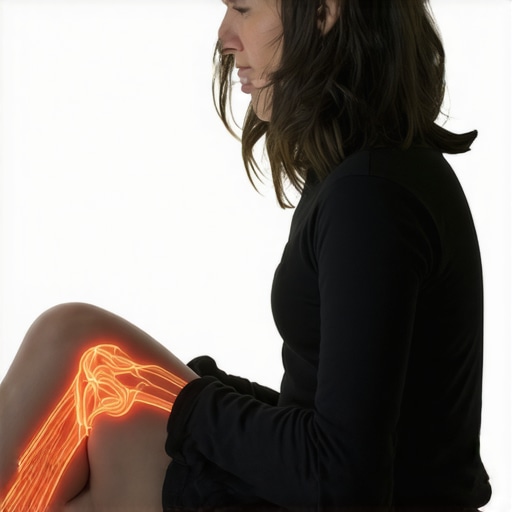
I remember the exact moment I realized my favorite chair was turning into my worst enemy. Sitting at my desk, feeling that familiar tightness spreading through my hips and the dull ache creeping into my lower back, it hit me—my posture was doing this to me. It was a lightbulb moment that changed how I viewed everyday habits. If you’ve ever experienced similar discomfort, you’re not alone. Many of us unknowingly lock up our hip flexors just by way of how we sit, and this simple habit could be the hidden culprit behind persistent back pain.
Why Your Sitting Habits Are Sabotaging Your Mobility
Sitting all day tends to become a default posture for most adults. But what many don’t realize is that prolonged sitting—especially in poor positions—can cause your hip flexors to tighten and lengthen improperly. Over time, this tightness can limit your range of motion, pull your pelvis out of alignment, and put extra strain on your lower back. As a result, you might notice increased aches, stiffness, or even nerve pain like sciatica. I used to dismiss my discomfort as normal—something I just had to live with—but early on, I made a mistake that many do: I never paid attention to how I sat. Ignoring the importance of proper posture and movement was like watering a plant but forgetting to give it sunlight. The more I neglected my hips and back, the worse things got.
But here’s the good news: small adjustments can make a world of difference. Rest assured, it’s possible to regain mobility and reduce pain with intentional changes to how we sit and move throughout the day. We’ll explore practical strategies soon, but first, let’s address a common concern.
Is Fixing Sitting Posture Actually Worth the Effort?
You might be skeptical—after all, many products and routines promise quick fixes. But evidence shows that sitting properly and incorporating specific stretches can drastically improve your back health over time. According to a study published in the *Journal of Physical Therapy Science*, maintaining proper hip flexibility is key to reducing lower back pain. Plus, when I started paying attention to my sitting habits, I noticed immediate relief and a newfound freedom in my hips.
I know change can be daunting, especially if you’ve been sitting a certain way for years, but trust me—small, consistent steps lead to lasting improvement. Ready to take control of your mobility and bid farewell to that nagging back pain? Let’s dive into the simple, effective ways to unlock your hips and restore comfortable movement.
Start with Gentle Hip Stretches
In my own experience, beginning with basic hip stretches was transformative. I recall a morning when I dedicated five minutes to the butterfly stretch, sitting with the soles of my feet together and gently pressing my knees downward. Within days, I noticed a reduction in lower back tension. This simple movement helps loosen tight hip flexors, which are often tight from prolonged sitting. Incorporate this into your routine by holding each stretch for 30 seconds, gradually increasing as comfort allows.
Practice Micro-Movements Throughout the Day
Think of your hips like a hinge that needs regular lubrication. Small, frequent movements prevent stiffness. For example, every hour at my desk, I would stand, tilt my pelvis back and forth, and try a few hip circles. This prevents the muscles from locking up and maintains mobility. Setting a timer to remind yourself every hour can be effective. These micro-movements are as crucial as the stretching because they keep the joints mobile during long periods of inactivity.
Integrate Nerve Gliding Exercises
Nerve impingements can mimic or exacerbate back pain. I began gently gliding my sciatic nerve through specific movements, which eased my pinched nerve symptoms. The nerve glide exercise involves lying on your back, raising one leg, and gently fluttering your ankle back and forth, mimicking a gentle saw motion. This helps restore nerve mobility and reduce inflammation. Consistency is key; perform this exercise twice daily for best results.
Be Mindful of Your Sitting Posture
Maintaining proper posture while sitting is essential. I adjusted my chair height so my feet rested flat on the floor and my knees were at a right angle. I also added lumbar support to maintain the natural curve of my lower back. Think of your pelvis as a bowl—if tilted forward or backward excessively, it strains your back muscles. Regularly check in with your posture, and avoid crossing your legs, which can tilt your pelvis and worsen symptoms.
Strengthen Your Core for Lasting Support
Core stability supports your entire spine. I found that engaging my abdominal muscles during daily activities helped diminish back pain. Exercises like plank holds and bird-dogs strengthen deep core muscles without putting additional strain on the back. Focus on controlled, diaphragmatic breathing during these exercises to enhance activation. Remember, a strong core acts like a foundation for your spinal health, preventing future issues.
Make Time for Regular Movement Breaks
In my routine, short walks every 30 minutes drastically decreased stiffness. Think of your spine as a tower that needs regular micro-adjustments—standing, walking, side-bending. These movements help fluid circulate through the discs and joints, preventing degeneration. Even a quick stretch or a walk around your room can make a big difference in maintaining mobility and reducing pain.
To deepen your understanding and find more targeted solutions, explore expert tips on enhancing your back mobility or learn about lifestyle changes to overcome sciatica. Incorporate these practical steps into your daily routine, and observe how your movement and comfort improve over time.
Many individuals believe that all back pain stems from structural issues or sudden injuries, but in my experience, this is a misconception that can hinder effective relief. Often, we focus solely on direct treatments like medications or passive therapies, overlooking how our daily habits subtly reinforce pain cycles. For example, the myth that “rest is the best cure” can actually prolong discomfort—resting too much weakens supporting muscles and accelerates stiffness. Instead, active movement and targeted exercises are proven to foster long-term healing, as highlighted in recent research published by the *Journal of Orthopaedic & Sports Physical Therapy*.
Additionally, a common trap is oversimplifying nerve pain? Many think that sciatic symptoms automatically indicate a herniated disc requiring surgery. However, nerve impingement often results from muscular imbalances or postural habits that can be addressed conservatively with proper mobility routines. Avoid jumping to invasive solutions prematurely; instead, consider comprehensive assessments that identify the root cause.
A critical nuance many overlook involves the role of lifestyle factors such as stress, hydration, and sleep quality. For example, chronic tension from stress can tighten the muscles around your spine, exacerbating pain and limiting mobility. An advanced understanding suggests that addressing these systemic factors can be as crucial as physical interventions.
< h3 >Why does focusing only on pain relief sometimes backfire in the long run? < /h3 >
Focusing solely on pain reduction often leads to temporary solutions that neglect underlying causes. While it may seem counterintuitive, persistent pain can signal imbalances or movement deficiencies that, if ignored, worsen over time. Engaging in proper strengthening routines, maintaining ergonomic awareness, and practicing consistent micro-movements can protect your spine effectively. For instance, incorporating daily mobility exercises from resources like mobility mastery tips can prevent the progression of issues.
Understanding these nuances allows you to approach back pain and sciatica with a smarter, more sustainable strategy. Remember, addressing symptoms is essential, but digging into the deeper lifestyle and biomechanical factors offers real, lasting relief. Have you ever fallen into this trap? Let me know in the comments.Maintaining a healthy, functional back requires more than just exercises; it involves using the right tools and techniques to support your efforts over time. From ergonomic adjustments to recovery devices, I’ve found specific equipment that makes a real difference in my routine. Implementing these tools consistently can help extend the benefits of your mobility work and prevent setbacks.
Investing in an Adjustable Lumbar Support
One game-changer for me has been a high-quality lumbar support pillow, especially during long drives or desk work. I personally use the MyBackComfort Lumbar Pillow because it conforms to my natural lumbar curve, encourages proper posture, and reduces strain during extended sitting. Proper lumbar support helps maintain spinal alignment and prevents muscle fatigue, which is crucial for long-term back health.
Smart Posture Monitors for Real-Time Feedback
To stay mindful of my posture, I utilize a device called the Upright Go, which gently vibrates when I slouch. This real-time feedback encourages me to correct my sitting and standing habits instantly. Such tools are invaluable because they promote consistent awareness—a key factor in preventing chronic pain. As posture-related issues often stem from persistent habits, integrating monitor devices encourages proactive correction and reduces reliance on memory or simple reminders.
Foam Rollers and Myofascial Release Tools
Restoring tissue mobility is essential, and for that, I rely heavily on a quality foam roller and a small massage ball. Regular self-myofascial release helps break down adhesions and improve blood flow to strained muscles. Notably, I prefer a dense foam roller that allows me to target deep tissue layers effectively. Incorporating daily foam rolling sessions, especially around the hips and lower back, can dramatically reduce tightness and prevent injuries. For guidance, check out this tutorial on proper foam roller technique.
Stretching and Mobility Software Apps
In addition to physical tools, mobility apps like OsteoStrong or ROM Coach help me structure my daily stretching routines. These platforms provide tailored programs based on my progress and needs, making it easier to stick with consistent mobility practices. Using technology to track your gains and customize routines ensures that you’re addressing your unique limitations effectively.
Predicting the Future of Back Support Tech
Looking ahead, I believe smart, AI-integrated ergonomic gear will play a significant role in preventing back pain. Imagine chairs that automatically adjust to your posture in real-time, or wearables that analyze your activity patterns and suggest personalized correction strategies. The integration of biofeedback and data analytics will make maintaining back health more intuitive and accessible for everyone.
How do I keep these tools working in the long run?
Consistent maintenance is key. Regularly clean and inspect your devices, replace worn-out foam rollers, and stay updated with the latest ergonomic recommendations. Also, make a habit of reviewing your posture and mobility routines—it’s easy to slip back into old habits, but conscious effort ensures that these tools continue benefiting you. Consider scheduling periodic check-ins with a physiotherapist or mobility specialist to assess your progress and adjust your toolset accordingly.
Start by trying out a foam roller session today—it’s a simple yet powerful way to enhance tissue health. Remember, the combination of proper tools, mindful habits, and ongoing maintenance creates a sustainable foundation for back health and mobility. Want more detailed guidance? Explore expert tips on how to improve your back ergonomics or top lifestyle changes to overcome sciatica to build your personalized plan.
Lessons I Wish I Didn’t Take So Long to Learn
One of the most eye-opening lessons was realizing how subconscious habits, like crossing my legs or slouching, compound over years, creating chronic pain that feels impossible to shake. I used to dismiss minor discomfort, thinking it was just part of aging, but I discovered that small adjustments, like paying attention to my sitting and standing postures, had a profound impact on my mobility. It became clear that consistency matters more than quick fixes, and integrating mindful movement into my daily routine prevented issues from escalating.
I also learned that listening to my body’s signals is crucial. Ignoring subtle aches only led to more severe problems down the line. Incorporating nerve gliding exercises and core strengthening routines were game-changers, reminding me that active engagement beats passive treatments. These insights transformed my approach—movement, awareness, and patience are the foundation for sustained back health.
My Trusted Arsenal for Back and Hip Freedom
Over time, I’ve curated a set of tools that genuinely support back mobility and pain relief. The MyBackComfort Lumbar Pillow helped maintain proper posture during long drives and desk work, preventing unnecessary strain. For real-time posture correction, the Upright Go device became my invisible coach, reminding me to sit up straight before my muscles tensed up too much.
The foam roller and massage balls proved invaluable for breaking down fascia adhesions around my hips and lower back, making daily rolling sessions a must. I also lean on apps like ROM Coach for guided mobility routines tailored to my needs, which keep me motivated and progress-focused. In the future, I believe intelligent ergonomic gear—like chairs that adjust to my posture—will become standard, making back health effortless and intuitive.
Your Next Step Toward a Pain-Free Future
Remember, improving your back and neck health isn’t about drastic overnight changes. Every small habit modification, from micro-movements to dedicated stretches, contributes to lasting mobility. Imagine a life where back pain no longer controls your day—where you move freely and confidently. You’ve already taken a significant step by reading this; now, it’s time to act. Start with a simple stretch or set a reminder to check your posture today. Your back will thank you.
What’s one sitting habit you’re ready to change right now? Share your plan below—I’d love to hear how you’ll begin your journey toward better mobility and less pain.
}