
Why Your Standing Desk Is Still Giving You Lower Back Spasms

It was just another Monday morning when I finally realized I wasn’t alone in the endless struggle against lower back spasms. I had invested in a fancy standing desk, hoping that changing my posture would ease my nagging pain. Instead, I ended up with sharper spasms that made me yelp at my keyboard. That lightbulb moment—where I understood that simply switching from sitting to standing isn’t the magic cure—changed everything for me.
What’s Really Going On With My Lower Back Pain?
Many of us believe that standing more will automatically fix back issues. But the truth is, a standing desk, if not set up correctly, can do more harm than good. The root cause often lies deeper: poor posture habits, incorrect desk height, or improper standing technique.
When I first started using my standing desk, I thought I had nailed it. But I overlooked the importance of maintaining a neutral spine and engaging core muscles. Soon enough, my back spasms worsened. After a bit of research, I discovered that the alignment of the pelvis, hips, and shoulders is crucial—something that’s often neglected.
Understanding the connection between posture and back pain is vital. Poor alignment places uneven stress on vertebrae and discs, leading to discomfort and spasms. One eye-opening fact I found is that incorrect standing habits can contribute to chronic issues, much like sitting improperly (learn more about this at [Body Renew Therapy](https://bodyrenewtherapy.com/understanding-the-link-between-poor-posture-and-chronic-back-pain)).
So, how do we move past this? Today, we’ll explore effective strategies to turn your standing desk into a tool for relief rather than pain. But first, let’s tackle your biggest doubts—like, is standing really better than sitting? And where do I even start?
Is the hype about standing desks actually worth the fuss?
I’ve made my fair share of mistakes early on, like standing too long without proper support or failing to adjust my desk to the right height. I thought I was doing everything right—until pain told me otherwise. That’s why I want to share my journey: so you can avoid the common pitfalls and find lasting relief.
Adjust Your Desk Height Precisely
Start by setting your standing desk at elbow height when your arms are relaxed and hanging naturally. I remember fiddling with mine for nearly 10 minutes, lifting and lowering it to find that sweet spot where my shoulders felt loose, not hunched. This prevents strain on shoulders and lumbar region, reducing chronic pain.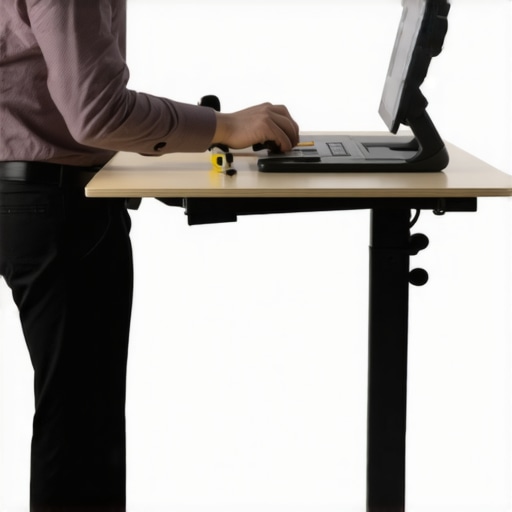
Use a Level and a Tape Measure
To be exact, grab a tape measure and verify your desk height corresponds to the crease of your elbow while standing tall. An incorrect height can force you to lean forward or backward, overloading your lumbar discs. Think of your spine as a tower; if the foundation tilts, the entire structure becomes unstable.
Engage Your Core Constantly
Once your desk is properly adjusted, focus on activating your core muscles—think of tightening your abdominals like zipping up a tight pair of jeans. During my first attempts, I kept forgeting to do this, leading to fatigue and spasms. Engaging your core provides stability, keeps your pelvis aligned, and alleviates undue pressure on your lower back.
For guidance, check out these simple exercises that strengthen your core and support proper posture.
Practice Proper Standing Posture
Stand with your feet shoulder-width apart, distribute your weight evenly, and keep your knees slightly bent. Imagine you’re balanced on a tightrope—centered, upright, with hips in a neutral position. I initially stood with my hips pushed forward, which caused my pelvis to tilt and increased spasms. Once I corrected my stance, pain decreased significantly. Use this mental image to maintain alignment during prolonged standing.
Set Up Ergonomic Supports
Invest in an anti-fatigue mat to reduce joint stress and promote subtle movement, preventing stiffness. Also, consider wearing supportive shoes and using lumbar pillows if needed. These small adjustments together create a supportive environment that minimizes strain and prevents spasms from developing over time.
Implement Movement Breaks
Remain static for extended periods, especially standing, puts pressure on discs and ligaments. Every 30 minutes, shift weight, do gentle stretches, or walk in place. During a workday, I set a timer to remind myself—initially, I thought I could stand still for hours, but the ache told me otherwise. Incorporating micro-movements keeps muscles engaged, improves circulation, and prevents spasms.
Explore these mobility tips to keep your back flexible and resilient.
Many well-meaning individuals fall prey to common misconceptions about mobility and pain management, especially concerning the neck, back, and sciatica. While myths abound, understanding the nuanced realities can transform your recovery strategy. For instance, many believe that stretching always alleviates pain. But in my experience, stretching without proper alignment can sometimes exacerbate issues, especially if performed aggressively or at the wrong time. This misconception often leads to the ‘stretching more is better’ trap, which studies show can increase muscle strain if not done judiciously (see this in-depth analysis).Another widespread mistake involves over-relying solely on painkillers or passive treatments rather than addressing underlying movement dysfunctions. This approach might provide temporary relief but often delays true healing. Instead, integrating targeted mobility exercises, like those at this resource, can be key. Now, consider the misconception that all neck pain stems from muscle tension. While muscles play a role, structural issues such as joint misalignment or disc problems are frequently responsible and require specific interventions. Rushing into generic neck stretches without assessing the root cause can lead to more harm than good. Advanced practitioners recommend a comprehensive assessment to identify structural versus muscular origins, which is crucial for effective treatment. Here’s an essential question for deep thinkers: *How can you differentiate between muscular pain and structural injury on your own?* Look for signs like persistent numbness, weakness, or radiating pain, which may indicate nerve involvement needing professional evaluation. Always consult credible sources or health professionals before attempting self-diagnosis. Remember, deceptive comfort can lull you into false security. For example, many people keep doing repetitive neck or back movements that are fundamentally harmful, such as sleeping in awkward positions or prolonged static postures. These habits gradually erode tissue health and limit mobility, complicating recovery. To prevent this, I recommend a detailed review of your daily habits and posture strategies, which can be found in this article. Reconsider what you assume to be effective: are you emphasizing passive relaxation or active movement? The latter, when done correctly, fosters resilience and long-term relief. So, what’s the real takeaway? Be skeptical of quick fixes and look beyond the surface. Move intentionally, engage your core, and seek personalized professional advice. Your spine’s health depends on it. Have you ever fallen into this trap? Let me know in the comments! 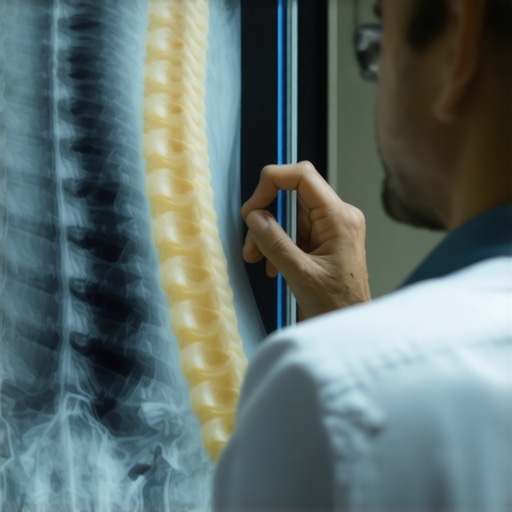 Maintaining mobility and managing pain over the long term requires more than just exercises; it calls for reliable tools and consistent habits. One of my favorites is a high-quality foam roller, specifically the 36-inch Blackroll Standard. I personally use it daily to release tight muscles along my thoracic spine and hips, which are crucial for preventing back spasms and improving posture. Regular self-myofascial release with this roller has kept my back flexible and reduced flare-ups. Additionally, I swear by a digital posture trainer like the Upright GO 3, which I wear for a week straight. It provides real-time feedback on my neck position, helping me retrain habits like slouching during prolonged screen time, a common culprit for neck pain. These devices create awareness and enforce muscle memory for proper alignment, which is key for sustained pain relief. Looking ahead, I predict more wearable tech integrated with AI will personalize mobility routines, ensuring ongoing support tailored to individual needs, even as routines change with age or injury.
To really solidify progress, I recommend setting up a dedicated mobility corner in your workspace that includes an ergonomic chair, a lumbar support pillow, and a balance board. The balance board, which I incorporate into daily breaks, helps activate your core muscles and fosters better stabilization. It’s a simple device, but scientifically, engaging in balance training can increase proprioception and reduce the risk of falls or injury over time. As an extra tip, I suggest trying the 2-minute thoracic spine drill I learned from this resource. It’s a game-changer for maintaining spinal mobility even on busy days.
How do I maintain my mobility tools over time? I make a habit of inspecting my foam roller monthly for signs of deterioration and replacing it every 6 months. I also keep my posture trainer charged and calibrated regularly, following the manufacturer’s guidelines, to ensure optimal accuracy. Remember, consistency is everything—tools alone won’t deliver results without regular use. Incorporate these tools and routines into your daily schedule, and you’ll set a foundation for lasting back and neck health. Have you tried any of these before? Share your experience in the comments! 
3 Hidden Truths I Wish I Knew About Mobility and Back Healing
One of my most profound insights was realizing that quick fixes like superficial stretching or gadgets often mask deeper issues, delaying true recovery. I learned to listen to my body’s signals and recognize that pain is a conversation, not a command. The hardest lesson was understanding that consistency and mindful movement craft the foundation for long-term relief—it’s not a one-time fix but a lifestyle shift.
Another lightbulb moment was discovering how misaligned habits—like neglecting core engagement or improper desk setups—compounded my discomfort over time. Identifying these patterns helped me reframe my approach from reactive to proactive, empowering me to take control of my back health instead of feeling defeated by pain.
Finally, I realized that seeking personalized guidance from specialists—be it physiotherapists or mobility experts—is crucial. Self-diagnosing or relying solely on online advice can be misleading. Investing in tailored strategies ensures you’re addressing the unique factors contributing to your back pain, leading to more enduring results.
My Go-To Tools and Resources for Better Back and Neck Wellness
For ongoing mobility maintenance, I trust the simple exercises that strengthen my core and improve posture. They’re easy to incorporate into daily routines and have made a measurable difference. The ankle mobility drills also surprised me by alleviating lower back tension, highlighting the interconnectedness of body parts.
To track and reinforce proper alignment, I use the ergonomic supports and posture coaching tools. They create awareness and foster habits that prevent future setbacks. Additionally, I turn to trusted literature like this comprehensive guide that deepened my understanding of biomechanics and informed my daily choices.
Embrace Your Journey Toward a Pain-Free Back
Remember, mastering mobility and back health isn’t about perfection but persistence. Each small step adds up, giving you a stronger, more resilient spine. If I can do it with setbacks and misconceptions, so can you. Take that first intentional move today—your future self will thank you.