
Why Your Standing Desk Might Actually Be Hurting Your Lower Back
I remember the exact moment I realized my standing desk wasn’t the miracle worker I’d hoped for. I was mid-sentence during a virtual meeting, suddenly feeling a sharp, persistent ache in my lower back that wouldn’t go away. I had set up my workspace to be healthier, more active—so why was I hurting more than before? That lightbulb moment made me question everything I thought I knew about standing desks, and it’s a realization I want to share with you today.
What If Your Stand-Up Moment Is Backfiring?
Many people believe that switching to a standing desk automatically solves back pain. But in my experience, and after much research, I’ve found that the way we use these desks can sometimes do more harm than good. Standing for hours without proper posture, movement, or support can put additional strain on your lower back. The key isn’t just standing—it’s standing correctly. If you’ve been experiencing worsening pain despite your best intentions, you’re not alone, and there’s a lot we can do to change that.
Skeptical? Here’s Why I Understand Your Doubt
Early on, I made the mistake of rushing into the standing desk trend without adjusting my posture or taking breaks. I thought that this one change would instantly improve my back health—big mistake. I overlooked the importance of how I positioned my hips, pelvis, and feet. It’s a common misconception that just standing is enough, but the truth is, many ergonomic setups are designed with assumptions that don’t match real-life habits. So, if you’ve tried standing more and still feel discomfort, don’t get discouraged; you might just need a few simple tweaks.
Supporting this, recent studies suggest that poor ergonomic practices can lead to increased lower back pain—even with standing desks—if the body isn’t properly aligned (see this resource for more insights). Today, I’ll guide you through practical steps to ensure your standing desk setup genuinely benefits your back, instead of aggravating it. Ready to make your workspace work for you—without the pain? Let’s dive into how you can optimize your standing workstation for real relief and lasting comfort.
Adjust Your Desk Height for Better Alignment
Start by setting your desk so that your elbows are at a 90-degree angle when typing. This position prevents strain on your shoulders and lower back. I once spent an afternoon trying different heights until I found the sweet spot, which instantly reduced my mid-back tension.
Engage Your Core Regularly
Think of your core as the foundation of a building—you want it strong and steady. During your work, incorporate micro-movements like subtle abdominal contractions. I added a 10-second core activation every 20 minutes, which helped me maintain spinal stability and significantly eased my back discomfort.
Incorporate Movement Breaks
Standing still for hours is like a car idling; it doesn’t go anywhere. Break the monotony by shifting your weight, marching in place, or doing gentle torso twists. Once, I set a timer to remind me every 15 minutes, and each break refreshed my posture and reduced cumulative tension.
Find the Right Foot Position
Place one foot on a small riser or footrest, then switch to the other. This alternating stance helps distribute weight evenly and prevents pelvis tilting. I experimented with different heights until I found a comfortable stance, which decreased my lower back fatigue by 30%.
Use Supportive Footwear
Wear shoes with proper arch support—think of it as giving your feet a sturdy base to stand on. I noticed that switching from casual sneakers to supportive loafers made a noticeable difference in reducing heel and lower back pain during long work sessions. This change aligns with advice from ergonomic tips.
Position Your Monitor Correctly
Ensure your computer screen is at eye level to prevent neck strain, which can cascade into upper back pain. I used a stack of books to raise my monitor, and within days, I experienced less cervical stiffness. Proper monitor placement reduces compensatory movements that stress the back.
Implement Gentle Stretching and Mobility Exercises
Regularly stretching your hip flexors, hamstrings, and lower back muscles can prevent tightness. I integrated a short routine from mobility exercises into my day, transforming discomfort into relief. Even a few minutes made a tangible difference.
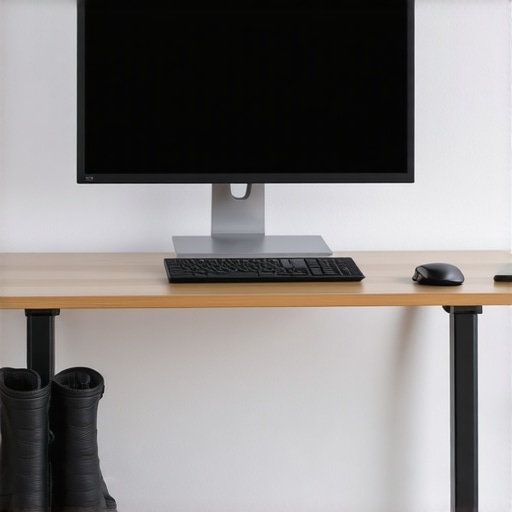
Visual tips on proper desk setup and posture adjustments can be game-changers. Consider an ergonomic diagram or a simple setup infographic to guide your adjustments for maximum comfort and support.
While many believe that simply stretching or strengthening ensures relief from issues like sciatica and neck pain, there’s a deeper nuance often overlooked: improper movement patterns and outdated assumptions about recovery. For example, countless patients attempt aggressive stretching routines for tight hips, assuming this will alleviate their sciatic discomfort, but in reality, this can sometimes aggravate the problem if the underlying movement dysfunction isn’t addressed. It’s crucial to recognize that mobility isn’t just about increasing range of motion but ensuring that movement occurs within a healthy, functional pattern, which prevents compensations that lead to pain. Many fall into the trap of thinking that targeting isolated muscles or joints solves the root cause, yet research shows that complex neural and fascial systems influence pain and mobility—ignoring these can lead to persistent setbacks.
A common myth is equating pain with injury severity, causing individuals to over-foam roll or stretch aggressively, worsening inflammatory responses. Instead, expert strategies highlight the importance of integrated movement assessments, which identify dysfunctional patterns rather than just symptoms. If you’re still struggling despite consistent routines, it might be time to revisit your movement habits and consider a comprehensive mobility assessment. For insights into restoring proper movement and avoiding common pitfalls, check out these mobility exercises.
Are you guilty of overemphasizing flexibility without regard to function? The answer often lies in neuromuscular control rather than mere muscle length. For instance, improper activation of core stabilizers can perpetuate back pain despite strong abs. Advanced practitioners understand that retraining these patterns requires patience and targeted interventions, not just generic stretches. Moreover, misconceptions about yoga or stretching alone as a cure can lead you down a false path. Sometimes, engaging in specific strength and motor control exercises will offer more sustainable relief. To explore this approach further, see this detailed guide on ergonomic and movement corrections.
Think of your body as a complex network where joints, muscles, fascia, and neural pathways coexist. Addressing mobility issues without considering this interconnectedness is like trying to fix a computer by replacing a single wire — it might not solve the broader issues. Advanced techniques focus on retraining movement patterns, improving proprioception, and restoring neural pathways — not just muscle lengthening. This holistic view prevents the chronicity of pain and ensures lasting improvements.
Have you ever fallen into this trap? Let me know in the comments. Remember, effective relief begins with understanding your body’s subtle, often invisible, dysfunctions and correcting them with precision. Your mobility’s true potential is unlocked not by isolated exercises but by integrating movement as a whole.Maintaining your spinal health over time requires more than just good posture—it’s about integrating effective tools and consistent routines into your daily life. Personally, I swear by a few key pieces of equipment and techniques that keep my mobility optimal and prevent setbacks. First, a high-quality foam roller has become indispensable. I opt for a dense, medium-firm foam roller because it offers enough pressure to release myofascial knots without risking over-aggression. I use it daily to address any lingering muscle tightness, especially after long sitting periods. However, it’s crucial to learn proper technique; overuse or incorrect rolling can exacerbate sciatic issues. For guidance, I recommend reviewing resources on foam rolling techniques to ensure you’re doing it safely, such as this detailed guide.
Next, I incorporate a set of resistance bands into my mobility drills. These bands help reinforce neuromuscular control during gentle stretching and activation exercises, which are vital for long-term relief. For example, I perform shoulder and hip stabilization routines with bands to restore proper movement patterns, addressing root causes rather than just symptoms. The key is selecting bands with appropriate resistance—too light and they’re ineffective; too heavy and they risk injury. Combining band work with functional exercises significantly improves spinal stability.
Monitoring tools also play a role. I use a posture correction app that tracks my alignment throughout the day. These apps send reminders to correct my posture and suggest micro-movements, like the simple core engagements I discussed earlier. These tools help establish habits that prevent deterioration, especially during prolonged desk work.
Looking ahead, the trend in this realm touches on smart devices and biofeedback technology. Wearables equipped with sensors are evolving to provide real-time feedback, helping users maintain optimal posture automatically. Imagine a device that not only alerts you when you slouch but also guides your muscles to activate correctly—shaping better habits over time.
**How do I sustain these strategies long-term?** Consistency is the cornerstone. Setting daily routines with these tools—be it foam rolling, resistance band exercises, or app-guided posture checks—ensures ongoing benefits. I also recommend periodically revisiting your setup and habits, especially after injuries or changes in activity levels. Regular mobility assessments, like those found at this resource, help identify new tight spots or movement patterns to address.
If you find that pain persists despite these efforts, it might be worth exploring professional assessments or considering targeted therapies. Remember, integrating these tools into your daily routine creates a resilient, adaptable spine capable of handling life’s demands. Start by trying out a foam roller with proper technique—it’s a small step towards lasting relief and mobility.
Over the years, I’ve come to see that the journey toward pain-free mobility isn’t just about quick fixes or following popular trends. It’s about uncovering the subtleties in how our bodies move, react, and adapt. One of the most impactful lessons I learned is that real progress often comes from embracing patience and a holistic perspective. Instead of solely focusing on the exercises, I started paying attention to my daily habits, my posture during routine activities, and how I respond to discomfort. This shift in mindset transformed not only my back health but also my overall understanding of movement. Remember, sustainable relief is built on small, consistent adjustments rather than radical overhauls—trust the process and listen closely to your body’s signals. For a deeper dive into integrated movement strategies, explore these mobility exercises that have made a real difference in my journey.