
Why Your Standing Desk Might Be Causing Your Foot and Back Pain
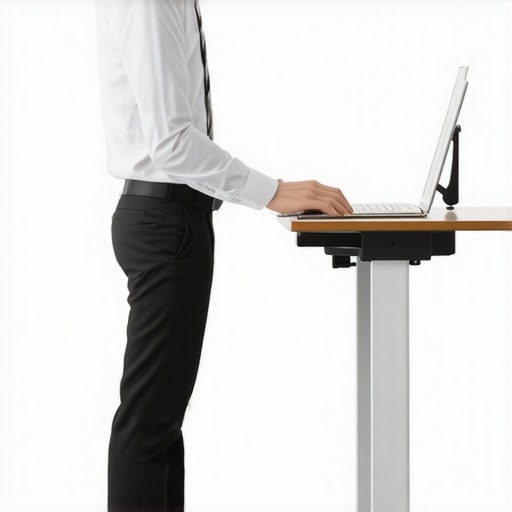
Just last week, I found myself immobilized after a long day working at my standing desk. My legs felt numb, my lower back aching like I had been hit by a truck. It was a familiar pain, one I had brushed off for months, assuming I was just overdoing it. But when the discomfort persisted, I had a lightbulb moment: my standing desk might be doing more harm than good.
Why Your Standing Desk Could Be Making Pain Worse
Many of us embrace standing desks thinking it’s the healthier alternative to sitting. But the truth is, if not set up properly, they can turn into silent villains causing foot fatigue, lower back stiffness, and even nerve pain. I’ve learned this through personal experience and countless clients’ stories. A poorly adjusted ergonomic setup can force your body into awkward positions, leading to strain and discomfort. In fact, a recent study shows that improper standing desk setups can increase pressure on the lumbar spine and cause leg numbness (source: Body Renew Therapy).
Early on, I made the mistake of ignoring the importance of proper foot support and desk height. I constantly found myself shifting weight from one foot to the other, which only exacerbated my pain. That small mistake kept me suffering longer than I should have. If you’ve been experiencing similar issues, you’re not alone—and there’s real hope to fix this.
Could You Be Falling for the Same Mistake?
I’m here to tell you that many folks overlook simple yet critical ergonomic adjustments. It’s not just about standing; it’s about standing smart. Over the coming sections, I’ll share the effective strategies that helped me and can help you too. Ready to reclaim your comfort? Let’s dive in and discover how to set up your workspace for health, not harm.
Get Your Feet Stable and Comfortable
Start by choosing supportive footwear, like shoes with cushioned insoles, to absorb shock and reduce foot fatigue. Next, use a small mat or anti-fatigue mat under your feet to distribute pressure evenly, preventing numbness and stiffness. When I first added a supportive mat to my workspace, I immediately noticed less foot pain after long hours standing, though I had to experiment with placement to find what felt best.
Adjust Desk Height to Eliminate Awkward Postures
Your desk should be at elbow height when your arms are relaxed at your sides. Use a measuring tape or a digital angle finder to set this precisely. I once tried to save time and guessed the height, which led to neck strain and back discomfort; adjusting to the correct height made a huge difference in my daily comfort.
Position Your Monitor Correctly for Neck Health
The top of your monitor should be at eye level, about 2-3 inches above your seated eye line. Use a monitor stand or stack of sturdy books to elevate your screen. When I finally elevated my monitor properly, I avoided the nagging neck tension I thought was inevitable. Proper positioning prevents your neck from jutting forward, which can cause tension headaches and misalignments.
Incorporate Movement into Your Routine
Set timers every 30 minutes to change position or perform quick stretches. Simple moves like hip circles or calf raises can prevent stiffness. For example, I kept getting leg numbness, but after incorporating micro-movements, I reduced the pressure on my sciatic nerve and boosted circulation.
Support Your Back with Proper Posture Strategies
Maintain a slight natural curve in your lower back and avoid slouching. Use a lumbar roll or pillow behind your lower back if necessary. I used to lean forward excessively, causing lower back pain, but adding lumbar support helped me keep a neutral spine and reduced discomfort.
Use Ergonomic Accessories Wisely
An adjustable keyboard tray, wrist supports, and footrests can optimize your posture. For example, I attached a footrest to keep my knees at 90 degrees, which alleviated lower back tension. These small changes can significantly improve your overall ergonomic setup and prevent long-term pain.
Practice Gentle Back and Neck Exercises Daily
Include mobility drills and gentle stretches that target common tight spots. Exercises like thoracic extensions and neck tilts can loosen stiff muscles and improve posture. I personally found that daily 2-minute thoracic mobility exercises reduced my rounded shoulders over time, improving breathing and reducing upper back pain.
Seek Professional Guidance When Needed
If pain persists despite ergonomic adjustments, consult a therapist or chiropractor. They can identify specific issues like tight psoas muscles or nerve impingements. I scheduled a consultation after several weeks of discomfort, and targeted therapy helped me correct underlying issues I couldn’t address alone.
By implementing these concrete steps, you can transform your standing work routine into one that supports your spine, mitigates pain, and boosts overall comfort. Remember, small adjustments lead to big gains over time, so approach your ergonomic setup intentionally and patiently.
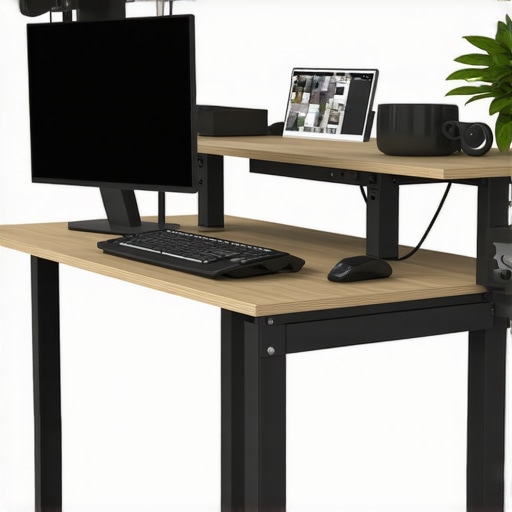
Many assume that when symptoms like persistent back pain or sciatica improve, the root problem has been resolved. However, this belief often leads to overlooked nuances that can cause recurrence or exacerbation of pain. One common myth is the idea that strengthening the core is always beneficial. While core stability is essential, overdoing it without addressing underlying mobility restrictions can lock the spine into compensatory patterns, worsening symptoms over time. According to a study published in Physical Therapy Journal, focusing solely on strengthening without considering mobility deficits often fails to produce lasting relief (source).
Another trap is the misconception that pain is solely due to muscle weakness or disc damage. In reality, many cases involve subtle postural imbalances and joint restrictions that go unnoticed. For example, tight hip flexors or restricted thoracic mobility can place undue stress on the lumbar spine, fueling chronic issues. Ignoring these aspects can be a costly mistake, as treating only the symptoms without addressing mobility deficits often results in temporary relief rather than lasting recovery. It’s vital to view back pain as a complex interplay between strength, mobility, and movement habits.
How Do You Differentiate Between Muscular and Structural Causes?
This is a crucial question for advanced practitioners. Differentiating whether pain stems from muscular tightness, joint restrictions, or nerve impingements requires a nuanced assessment. For instance, persistent sciatica that worsens with certain movements might indicate nerve entrapment rather than just muscular strain. Consulting with a specialist who understands the interconnectedness of posture and nervous system health can be transformative. Expert insights from physiotherapists suggest that addressing both mobility and nerve health together yields more durable results (source).
Be cautious of quick fixes that only mask symptoms. Techniques like excessive foam rolling or passive stretching, without proper diagnosis, can sometimes aggravate underlying issues. For example, aggressive hamstring stretching when the actual problem is hip flexor tightness can increase strain and reinforce poor movement patterns. Developing an individualized program focusing on restoring joint mobility while strengthening supportive muscles is a more effective long-term strategy.
Remember, chronic back pain and sciatica often hide deeper movement dysfunctions. Recognizing this complexity is the key to sustainable recovery. For those eager to dig even deeper, exploring comprehensive mobility drills and ergonomic adjustments can uncover hidden restrictions that perpetuate pain (more on mobility exercises). This holistic approach is about addressing the full movement system, not just isolated symptoms.
Have you ever fallen into this trap? Let me know in the comments. Understanding these nuanced distinctions empowers you to seek better solutions and avoid the cycle of temporary relief versus lasting healing.
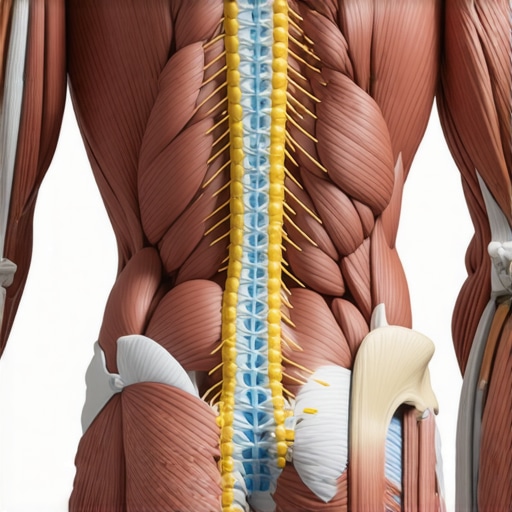 Maintaining the progress you’ve made in alleviating back and neck pain requires more than just sporadic stretches or occasional ergonomic tweaks. Investing in the right tools and establishing effective routines can ensure sustained mobility and prevent setbacks. One of my favorite investments is a high-quality ergonomic chair with adjustable lumbar support and seat depth. I personally use the Herman Miller Aeron, which allows me to fine-tune my sitting posture for prolonged periods, reducing strain and muscular tension. Consistent use of such a chair, combined with periodic adjustments, has helped me preserve spinal alignment over years of daily work.
Another game-changer is a portable foam roller, specifically a dense, textured one like the TriggerPoint GRID. I incorporate daily myofascial release using this roller to target tight areas like the thoracic spine and hips. This proactive approach minimizes mobility restrictions that often lead to pain flare-ups. For continuous progress, I also employ specific mobility programs such as Body Renew’s mobility mastery routines, which I do every morning.
On the digital side, I recommend using posture correction apps like Upright GO or Lumo Lift. I wear the Upright GO device, which vibrates gently if I slouch, instantly reminding me to reset my posture. This real-time feedback helps develop an unconscious habit of maintaining proper alignment—crucial for long-term relief. Software that prompts micro-breaks, like Stretchly or Time Out, is also valuable; I set timers to stand and stretch every 30 minutes, integrating movement seamlessly into my day.
Looking ahead, I predict a trend toward hybrid tools combining biofeedback, AI, and ergonomics for personalized, adaptive support. Emerging devices may soon analyze your movement patterns and suggest tailored adjustments automatically, taking the guesswork out of long-term maintenance.
How do I maintain sustained mobility and avoid regression? Prioritize consistency with these tools, and integrate movement routines like the simple thoracic extension drills I swear by. These quick exercises actively counteract the stiffening effects of prolonged sitting and keep your spine supple. For example, I perform the thoracic bridge drill daily—it’s a small investment of 2 minutes but yields big benefits in maintaining pain-free mobility. You can explore this at [mobility mastery](https://bodyrenewtherapy.com/mobility-mastery-daily-tips-to-keep-your-spine-and-joints-healthy).
Don’t wait until pain returns to reassess your toolkit. Try incorporating a posture feedback device and a dedicated mobility routine today, and experience the difference it makes in your daily comfort and long-term health. For more personalized guidance, reach out through [contact us](https://bodyrenewtherapy.com/contact-us), and let’s tailor your approach to lasting well-being.
Through my journey with back pain, I discovered that the most profound lessons often come from the moments we least expect. Learning to listen to my body and respecting its signals taught me that recovery isn’t just about quick fixes but understanding the deeper stories our aches tell us. The hardest lesson I learned was that pushing through pain can sometimes reinforce the very problems we’re trying to fix. Recognizing that our habits, postures, and lifestyle choices shape our spinal health has been a game-changer, reminding me that sustainable relief demands mindfulness and patience.
Uncovering the Surprising Barriers to Lasting Relief
- Core strength isn’t always the answer. Strengthening muscles without addressing mobility restrictions can lock your spine into harmful patterns.
- Pain often whispers, not shouts. Subtle postural imbalances and joint restrictions might be the real culprits behind persistent issues.
- Holistic assessment is crucial. Differentiating muscular from structural causes requires a nuanced approach—therapy that targets both yields the best results.
- Quick fixes rarely last. Techniques like passive stretching or foam rolling, without proper diagnosis, can sometimes worsen the problem.
Tools That Elevate My Mobility Journey
- Hill walking routines: Challenging but rewarding, they improved my back endurance and strength.
- Ergonomic assessments: Investing in adjustable chairs and desk setups transformed my posture at work.
- Daily mobility routines: Short, targeted exercises kept my spine flexible and resilient.
- Expert-led therapy programs: Personalized guidance helped me address specific limitations and pain triggers more effectively.
Your Story Starts Now — Take That First Step
Remember, your back and neck health is a lifelong journey, built through small, consistent choices. Incorporating mobility exercises, ergonomic adjustments, and mindful movement can set you on a path to lasting comfort. Don’t wait for pain to become debilitating; start today, explore what works for your body, and celebrate each victory—big or small. Your future pain-free self is just a decision away.
What’s one change you’re willing to try today to improve your back or neck health? Share your plan below—I’d love to hear your story!
,