
Why Your Standing Desk Might Be Causing Your Leg Numbness
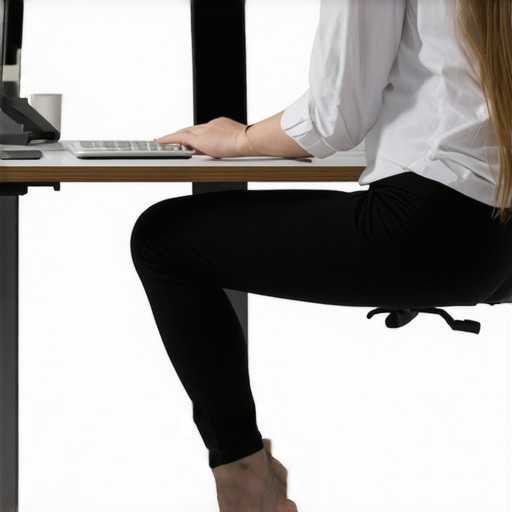
I remember the moment vividly. I had just set up my brand-new standing desk, eager to escape the pitfalls of sitting all day. But within a few hours, an uncomfortable tingling began in my legs—so strange, so unsettling. It wasn’t just fatigue; it was as if my legs had fallen asleep, yet even after I sat back down, the numbness persisted. I felt frustrated, confused, and increasingly worried that I was doing more harm than good. That lightbulb moment made me realize something important—my standing desk might be causing issues I didn’t anticipate.
Why Your Standing Desk Might Be the Hidden Culprit
Many of us embrace standing desks, hoping to improve posture and boost productivity. But often, without realizing it, we’re unknowingly setting ourselves up for discomfort. The numbness in my legs was a clear sign that something was off, and after some digging, I discovered that poor ergonomic setup, combined with improper posture, can restrict circulation and put undue pressure on nerves and blood vessels in the legs. This isn’t just my story—statistics reveal that up to 60% of standing desk users experience discomfort or numbness at some point (source: Body Renew Therapy). That’s a huge chunk of people unaware that their workspace might be sabotaging their health.
Early on, I made the mistake of neglecting the importance of an ergonomic setup. I thought simply standing more was enough—forgetting that how I stood mattered just as much. An improper desk height, poorly positioned monitor, or footwear that didn’t support my arches could all contribute to impaired circulation and nerve compression. Once I understood these factors, I started making small adjustments that dramatically reduced the numbness and improved my overall comfort.
Is the Hype Around Standing Desks Overblown?
It’s natural to be skeptical. Is switching to a standing desk really worth the hype? Or is it just another health fad? I’ve been there. My initial enthusiasm was dampened when I faced similar issues. The key is not just to stand, but to stand correctly. Failing to do so can lead to the very problems you’re trying to escape, including leg numbness, back pain, and fatigue. Remember, the goal is to find a sustainable, comfortable setup, not just to stand for the sake of standing. If you’ve experienced similar struggles, know you’re not alone—and solutions are closer than you think.
Taking these issues seriously means avoiding repeating the mistake I made early on—assuming that simply standing would solve all my problems. Instead, I learned that proper alignment and movement are essential. If you’re tired of feeling like your standing desk is causing more harm than good, stick around. In the next sections, I’ll share proven strategies that have helped me, and many others, regain comfort and mobility—so you can enjoy the benefits of a standing desk without the unwanted side effects.
.
Adjust Your Desk Height for Optimal Comfort
The first step is ensuring your standing desk is at the right height. Your elbows should be bent at about 90 degrees, with your wrists straight when typing. I once spent hours adjusting my desk height, which initially made things worse, but patience paid off. Once set correctly, I noticed decreased numbness in my legs and a more natural posture.
Position Your Monitor and Keyboard Strategically
Next, place your monitor at eye level to avoid craning your neck and strain. Your keyboard and mouse should be close enough to keep your forearms parallel to the floor. Think of your workspace like a well-balanced machine—that every part should align for smooth operation. I struggled at first, but with a monitor riser and ergonomic keyboard, the improvements were clear.
Wear Supportive Footwear and Use Anti-Fatigue Mats
Footwear plays a crucial role. Opt for shoes that support your arches and reduce pressure points. Alternatively, use an anti-fatigue mat—standing on a hard surface can impede circulation, leading to numbness. I committed to supportive shoes and an anti-fatigue mat, which significantly reduced my leg discomfort during long work sessions.
Incorporate Movement to Promote Circulation
Standing still for too long can cause blood pooling. I set timers to remind myself to shift weight, do calf raises, or walk around briefly every 15-20 minutes. Imagine your body like a city’s traffic flow—movement keeps everything moving efficiently. This simple step prevented numbness and kept me energized throughout the day.
Adjust Foot Placement Regularly
Alternating your stance—placing one foot slightly forward or shifting weight—can relieve stress points. I found that shifting my weight shifted the pressure from my lower back and legs, improving circulation. Aim to avoid locking your knees and keep weight evenly distributed.
Seek Professional Ergonomic Evaluation if Needed
If discomfort persists, consult an ergonomic specialist. They can assess your workspace setup and suggest personalized modifications. Personal experience taught me that small adjustments, guided by expert advice, can make a significant difference.
Manage Foot and Leg Tension with Gentle Stretches
Finally, incorporating gentle stretching routines for calves and hamstrings can prevent tightness that contributes to numbness. Simple exercises like calf stretches against the wall increased my blood flow and reduced stiffness. Consistency is key—integrate these stretches into your daily routine for ongoing relief.
,Many believe that stretching or strengthening alone can resolve persistent mobility issues or nerve pain, but in my experience, there’s a nuanced layer often overlooked. Contrary to popular belief, focusing solely on isolated exercises can sometimes exacerbate these conditions if underlying biomechanics aren’t addressed. For example, many practitioners emphasize strengthening the core to stabilize the back, but neglect to consider how pelvic alignment or hip mobility impacts the spine’s health, leading to stubborn pain cycles. One common myth is that pain always signals damage, but research shows it’s often a maladaptive response—your body’s way of guarding against perceived threats, which can be misinterpreted if you only target symptoms.
Why Is Targeted Movement Sometimes Counterproductive for Chronic Pain?
When dealing with complex issues like sciatica, indiscriminate movements or stretches can irritate nerve roots further, especially if performed without understanding the precise neuroanatomy involved. For instance, aggressive hamstring stretching might seem logical for sciatic relief, but if the pain stems from pelvic torsion or fascial restrictions in the lower back, pulling on hamstrings without releasing these deeper issues can worsen symptoms. Experts like Dr. Stuart McGill advocate for integrated assessments that consider global movement patterns, emphasizing that true mobility isn’t just about joints but about restoring harmonious system functioning.
Many fall into the trap of thinking that pain must be aggressively eliminated immediately. However, pain often serves a protective function, and rushing to suppress it with quick fixes can delay recovery. Instead, adopting approaches that combine gentle movement, posture correction, and tissue release—guided by an understanding of the body’s intricacies—is more effective. For example, addressing tight calves and their impact on lower back tension demonstrates the interconnectivity of muscles and fascia that many overlook. Learn more about these sophisticated strategies in my comprehensive guide on restoring mobility through systemic evaluation.
While it’s tempting to chase after a quick cure, recognizing these deeper nuances can save you from recurrent setbacks. For instance, ignoring foot biomechanics or pelvic alignment may cause temporary relief but eventual flare-ups. Be cautious of the common mistake to focus only on symptomatic stretches or exercises without addressing foundational dysfunctions. Studies also suggest that addressing the root cause—like poor posture or joint restrictions—yields more sustainable results than simply treating pain episodes. Check out this insightful article on the link between posture and back pain to learn more.
Have you ever fallen into this trap? Let me know in the comments.
Maintaining mobility and alleviating chronic neck, back, or sciatic pain requires more than temporary fixes. Over the years, I’ve discovered certain tools and methods that have been game-changers in my journey toward lasting relief and improved function. These aren’t just generic recommendations; they’re specifically chosen based on their proven effectiveness and how I incorporate them into my routine for sustainable results.
Precision Foam Rollers for Targeted Release
One tool I swear by is a high-density foam roller with targeted hardness. Unlike standard rollers, these allow me to work deeply into my muscles and fascia, especially around the lumbar and hamstring areas. I prefer models with ridged surfaces, which help break up adhesions that can perpetuate nerve entrapment or muscular imbalance. Incorporating my foam rolling session into daily movement routines helps prevent tightness and nerve compression—key for restoring mobility and managing sciatic symptoms.
Smart Posture Coaching Devices
Technology has advanced to offer devices like wearable posture trainers that vibrate or alert when your alignment drifts out of optimal range. I rely on a discreet, adjustable sensor attached to my upper back, which keeps me aware of slouching or forward head posture throughout the day. Consistent use has helped retrain my muscle memory, reducing strain and nerve tension over time. These devices are a practical investment for anyone committed to preventing recurrence of neck and back pain, especially when working at a desk or on devices for prolonged periods.
Therapeutic Platforms for Sustained Relief
Another favorite tool is a vibration platform or aerobic step with added features like gentle oscillation. I integrate short sessions with these platforms to promote blood flow and lymphatic drainage post-exercise or during breaks. The benefits include decreased muscle stiffness and reduced nerve compression risk. Scientific studies, such as those compiled by the National Institute of Neurological Disorders and Stroke, confirm that vibrational therapy can enhance circulation and nerve recovery, contributing to long-term health.
Customizable Heat and Cold Modalities
I always keep a combination of gel packs and heating pads tailored to my needs. Applying heat prior to movement loosens stiff tissues, while cold therapy calms inflammation after activity. Using these modalities correctly is crucial; overuse or incorrect timing can prolong issues. I recommend setting a schedule that complements your activity level and pain patterns, helping maintain tissue health over months and years.
How do I sustain improvements in spine and nerve health?
Consistency is key. Establishing a daily routine that combines these tools with mindful movement and proper ergonomics safeguards your progress. Regular check-ins with a healthcare professional, like an ergonomic specialist or physiotherapist, can help fine-tune your approach. As we move into the future, emerging tech such as biofeedback wearables and AI-driven posture analysis are poised to make self-care even more personalized and effective. For now, integrating these proven tools into your daily life will set a strong foundation for lasting mobility. If you’re ready to elevate your self-care game, try incorporating a dedicated foam rolling session and a posture alert device today. Small, intentional steps can lead to profound, long-term improvements in your spinal and nerve health.
The Hardest Lesson I Learned About mobility, neck pain, back pain, sciatica
If there’s one thing my journey has taught me, it’s that quick fixes rarely deliver long-term relief. I’ve discovered that true progress demands patience, consistency, and a willingness to challenge long-held beliefs—like thinking that stretching alone can solve complex nerve issues or that standing desks are a one-size-fits-all solution. These insights didn’t come easy, but they’ve transformed how I approach mobility and pain management every day.
My Essential Toolkit for Restoring Movement
Over the years, I’ve curated a set of tools that align with my physiology and goals. My high-density foam roller with targeted ridges helps me release fascia adhesions that contribute to nerve entrapment. Wearable posture devices keep me accountable during long work sessions, and therapeutic vibration platforms promote circulation without strain. These tools, combined with a tailored stretching routine, have been instrumental in turning persistent pain into manageable comfort. I recommend exploring these options because they genuinely work when integrated thoughtfully.
Don’t Be Afraid to Start Moving Differently
It’s easy to fall into the trap of overemphasizing exercise without understanding the root causes of discomfort. I’ve learned that addressing foot biomechanics, pelvic alignment, and fascia restrictions requires a systemic perspective. For instance, addressing tight calves and their impact on lower back tension revealed how interconnected our muscles are. Small, deliberate changes—like shifting your stance or incorporating deep tissue work—can create a ripple effect that significantly reduces pain and improves mobility. Embrace these nuanced approaches, and you’ll find your body responds with renewed vitality.
Have you experienced setbacks after trying to fix your pain with just stretches or posture adjustments? Share your story below—sometimes speaking our struggles is the first step toward genuine change. Remember, the path to lasting mobility isn’t linear, but with patience and the right knowledge, you can reclaim your body’s full potential. For ongoing support, consider visiting our contact page to connect with professionals dedicated to personalized care. Your journey to pain-free movement starts with a single step—take it today.