
Why Your Standing Desk Needs an Anti-Fatigue Mat to Save Your Hips
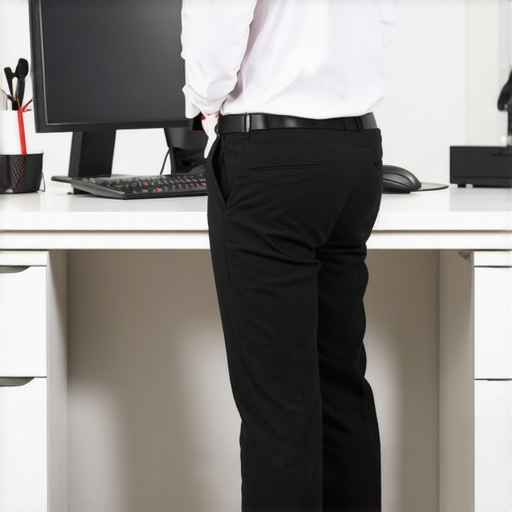
It happened suddenly—an undeniable ache in my hips that I couldn’t ignore anymore. I was standing at my desk, working through emails, when a sharp twinge shot through my pelvis. At first, I shrugged it off as just another part of aging, but days turned into weeks, and the discomfort grew. I realized I had been neglecting a crucial piece of my workspace setup that was silently contributing to my pain: the standing desk mat.
Discover the Hidden Culprit Behind Your Hip Pain
If you’re like me, you might have thought that just standing more would help your posture and reduce back pain, but what I didn’t know is that standing on hard floors for extended periods without proper support can be a disaster for your hips. The hard surface amplifies pressure on your hips and pelvis, leading to soreness, stiffness, and even nerve irritation over time. That was my lightbulb moment—that my discomfort wasn’t just a random ache but a sign that my standing setup needed an upgrade.
The good news? Solving this issue is simpler than I initially thought. By adding a high-quality anti-fatigue mat under my standing desk, I drastically reduced the strain on my hips. Not only did my pain ease, but I also felt more energized and balanced throughout the day. It’s a small change with a big impact, and today, I promise to guide you through why this upgrade matters and how to make it happen.
Will a simple mat really make a difference? Or is this just hype?
Early on, I made the mistake of dismissing anti-fatigue mats as unnecessary accessories. I thought they were just for industrial settings or gyms. But after experiencing persistent hip discomfort, I dug deeper and found that these mats are scientifically designed to improve circulation and reduce joint stress. According to the National Institute for Occupational Safety and Health, standing on cushioned surfaces can significantly lessen fatigue and discomfort in the lower limbs and hips.
Once I understood the real benefits, I realized I had underestimated how crucial ergonomic accessories are in preventing pain. If you’ve faced similar issues, or even if you’re just starting to notice discomfort, investing in an anti-fatigue mat might be your best move to protect your hips and overall mobility.
So, are you ready to learn how to choose the right mat and set up your workspace to keep your hips happy? Let’s get into the practical steps that turned my setup—and my health—around.
Choose the Right Mat for Maximum Comfort
Start by selecting an anti-fatigue mat that offers soft support without being too cushioned, preventing your feet from sinking and causing misalignment. I remember unboxing a cheap foam mat that, instead of soothing my hips, worsened my discomfort because it lacked firmness. After trying a thicker, latex-based model, I felt immediate relief—like standing on a gentle, forgiving surface. Look for mats with dimensions large enough to stand comfortably and with textured surfaces to prevent slipping. Avoid overly soft or thin mats that don’t absorb pressure effectively.
Properly Position Your Feet and Body
Spread Your Weight Evenly
Ensure your feet are shoulder-width apart, distributing your weight evenly across both legs. I caught myself leaning to one side during my first few days—leading to uneven strain and worsening my hip pain. Use a small mirror or ask a colleague to check your stance. Keep knees slightly flexed, not locked, to help absorb shock and reduce joint pressure. Imagine your feet as the foundations of a building—stable and aligned—supporting your entire structure.
Adjust Desk Height and Monitor Position
Your desk should be at elbow height, with forearms parallel to the floor. The monitor’s top should be at eye level to avoid craning your neck. During my setup, I realized I was looking down at my screen, which contracted my neck and added tension to my hips. Using adjustable risers or a keyboard tray can help align your posture. Remember, your body is a connected system; proper setup minimizes strain on the hips by promoting a neutral spine alignment.
Incorporate Movement and Micro-Exercises
Sitting or standing still for extended periods breeds stiffness. Integrate brief movement intervals every 30 minutes—simple hip circles, hamstring stretches, or gentle lunges—to stimulate blood flow and release tension. I failed to do this initially, leading to increased discomfort. Set a timer or use apps that prompt you to stand and stretch. Think of your muscles like rubber bands—they need to be gently stretched regularly to retain their elasticity and prevent pain from becoming chronic.
Focus on Hip and Core Strengthening
Weak hip muscles can compensate poorly, causing pain. Incorporate targeted exercises like bridges, clamshells, or planks into your routine. I added a 5-minute core workout before starting work, which significantly reduced my pain levels. Building strength supports your pelvis and hips, distributes forces evenly, and diminishes overuse of painful areas. For detailed routines, check this simple exercises that help reinforce mobility and strength.
Optimize Your Daily Habits and Environment
Be mindful of prolonged static postures outside work—such as slouching on the couch or crossing legs—since they can negate ergonomic gains. Invest in supportive footwear if you stand on hard surfaces for long periods, as shoes influence alignment up to your hips. I replaced my regular sneakers with orthopedic insoles, which made a notable difference. Keep your workspace well-lit and clutter-free to avoid unnecessary twisting or awkward movements. Remember, small adjustments each day compound into lasting relief, preventing your discomfort from escalating into more serious issues like herniated discs or sciatica. For more comprehensive guidance, this back pain breakthrough resource offers valuable insights.Many people believe that persistent back, neck, or sciatica pains are straightforward issues that can be fixed with simple stretches or adjustments. However, as an expert in mobility and pain management, I can tell you that most common misconceptions about these conditions significantly hinder recovery and even worsen the problem. One widespread myth is that static stretching alone is sufficient to release tightness and relieve pain. In reality, static stretching, especially when done without proper warm-up, can exacerbate inflammation and lead to micro-tears in muscles, delaying healing. Instead, dynamic movements and targeted strengthening exercises provide more lasting relief—check out our simple exercises to unlock your mobility.

Another false belief centers around the idea that pain originates solely from muscles or joints. While these are common sources, often the root cause is nerve irritation or myofascial restrictions, which are less obvious and require nuanced approaches to address. For example, addressing jaw tension can surprisingly influence cervical discomfort, illustrating the interconnectedness of the body’s systems—read more about it in our neck pain solutions guide.
Is Your Pain a Warning of Something More Serious? How Do You Know?
Many assume that all back and neck pain is benign and will resolve independently, but ignoring warning signs can lead to chronic issues or nerve damage. Key symptoms like persistent numbness, weakness, or loss of bladder control are red flags indicating needing urgent medical attention. A comprehensive understanding of symptoms is essential—consult our key symptoms guide to differentiate common aches from serious conditions.
Moreover, many underestimate the importance of correct movement patterns and ergonomic habits. For example, repetitive poor postures or improper lifting techniques can gradually cause joint degeneration or disc herniation. Instead of just treating symptoms, I recommend proactive strategies like ergonomic assessments and personalized core strengthening routines. These foundational changes not only alleviate pain but also prevent future flare-ups—discover practical tips in our mobility advice articles.
Finally, a common trap is over-relying on passive treatments like heat, ice, or adjustments without engaging in active recovery. Movement is medicine. Building strength and mobility through safe, supervised exercises fosters resilience and long-term health. Don’t fall into the trap of quick fixes—embrace a holistic approach for lasting freedom from pain. If you’re uncertain about your symptoms or want tailored guidance, our resources can point you toward effective strategies that truly make a difference. Have you ever fallen into this trap? Let me know in the comments.
Investing in Your Continued Mobility
Maintaining progress in pain management requires more than just occasional stretches or ergonomic setups. It involves consistent use of targeted tools and routines designed to sustain long-term results. One of my personal go-to tools is a high-quality foam roller. Specifically, I use a dense, textured foam roller because it effectively breaks up myofascial restrictions, which are often hidden contributors to back and neck pain. Regular rolling sessions—about every other day—help maintain tissue elasticity and prevent the buildup of scar tissue that can cause discomfort.
Another critical component is tracking your posture and movement patterns. I recommend using a posture correction app like the Back Pain Breakthroughs system, which provides real-time feedback. These apps utilize your smartphone or wearable sensors to give you instant cues to correct your alignment during daily activities, preventing bad habits from creeping back in.
To support ongoing strength, I incorporate a portable resistance band into my routine. These bands are inexpensive and versatile, allowing me to perform strength-building exercises anywhere—whether at home or during travel. I focus on glute bridges, seated rows, and shoulder exercises, all of which reinforce core stability and reduce stress on my lower back and neck.
Adapting Maintenance Strategies Over Time
As your body adapts and age, your needs evolve. I predict that future trends will lean toward personalized, tech-driven solutions—like AI-powered posture trainers that learn your habits and suggest adjustments proactively. Already, some companies are developing smart insoles and wearable devices that monitor pressure points, alerting you before pain or injury occurs. Staying ahead with these innovations can exponentially extend your mobility and prevent setbacks.
How do I keep my mobility tools effective over the years?
Cleaning and replacing your tools periodically is essential. For instance, foam rollers develop compressed areas and lose their efficacy; replacing them every 6-12 months ensures optimal performance. Likewise, updating your app or sensor firmware guarantees you benefit from the latest features and improvements. Following a structured plan, like incorporating a weekly foam rolling session, combined with daily micro-movements, creates a sustainable maintenance routine. You can even schedule quarterly ergonomic assessments with a specialist, which I highly recommend for fine-tuning your setup and ensuring continued health.
Furthermore, integrating a daily mobility shot—short, dedicated routines—can solidify gains. For example, the simple exercises suggested in my previous posts serve as a foundation. Add to this a habit of regular movement, like a 5-minute walk every hour, to promote circulation and reduce stiffness.
In my experience, consistency and evolving tools are keys to long-term success. Don’t wait for pain to escalate; proactively schedule a check-in every few months to reassess your posture, flexibility, and strength. Remember, pain management is a journey—embrace it with the right tools, ongoing education, and an adaptable mindset. For advanced techniques, take a moment to explore the latest expert strategies that are shaping the future of mobility care.
Try incorporating one of these advanced tools—perhaps a resistance band or a posture app—into your routine this week. Small, targeted actions today set the stage for a healthier, pain-free tomorrow.
Lessons I Wish I Never Had to Learn About Pain
- My biggest eye-opener was realizing that even the best ergonomic setup can’t fix habits rooted in neglecting movement. Sitting all day and only stretching occasionally only masked the problem, making pain worse over time.
- I underestimated the importance of integrating micro-movements into my daily routine. These tiny adjustments, like hip circles or shoulder rolls, turned out to be the secret sauce for long-term relief and mobility.
- Thinking that rest alone would heal my persistent neck and back pain was a trap. Active recovery through targeted exercises and mindful posture correction made all the difference, reminding me that movement truly is medicine.
Tools That Shaped My Approach to Lasting Relief
- The Back Pain Breakthroughs system became my roadmap for understanding and addressing root causes, not just symptoms, empowering me to make informed decisions.
- I trust the latest expert strategies for mobility, which incorporate innovative techniques and personalized routines that adapt to changing body needs over time.
- For practical daily work setup, ergonomic tools like adjustable risers and supportive footwear transformed my posture habits, making maintenance effortless and sustainable.
Embrace Change and Keep Moving Forward
Your journey towards pain-free living is uniquely yours, and every small step adds up. With the right tools, mindset, and ongoing commitment, you can prevent pain from controlling your life. Remember, investing in smarter movement and ergonomics isn’t just about relief today—it’s about empowering your future mobility and quality of life. Take that first step—your body will thank you. What’s one small change you’re willing to try today? Share below and let’s support each other’s path to wellness.