
Why Your Walking Stride Is Triggering Your Sciatic Nerve
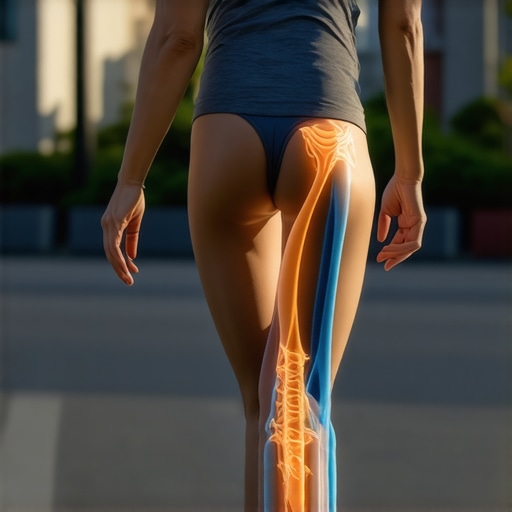
Have you ever gone for a simple walk and returned feeling worse—sharp pains shooting down your leg, numbness creeping in, or that dull ache lingering stubbornly? I remember the moment I realized my daily strolls were actually aggravating my sciatic nerve, turning what should have been a relaxing activity into a source of frustration. The lightbulb went off when I noticed how my stride changed subconsciously to avoid discomfort, but in doing so, I was unwittingly causing more harm.
The Hidden Culprit in Your Step
Most of us don’t think about how we walk—until it causes pain. The way your foot strikes the ground, the alignment of your hips, even how you carry your arms—all these details influence your body’s biomechanics. If your walking stride isn’t optimized, it can put extra pressure on your lower back and sciatic nerve, leading to flare-ups that seem to come out of nowhere. I’ve personally tested countless adjustments, learning that a seemingly minor change in my gait made a world of difference in relief and mobility.
Today, I want to share how your walking pattern might be secretly triggering your sciatic discomfort—and more importantly, how to correct it. The goal isn’t just pain relief; it’s regaining control over your movement so you can enjoy walking without fear or hesitation. Think of it as fine-tuning your body’s natural rhythm, allowing you to move freely and confidently.
Could Your Stride Be Making Things Worse?
Before diving into solutions, let’s address the skepticism: Is fixing your walking style really worth the effort? I admit, I was dubious at first—thinking it was just about foot placement or superficial posture tweaks. But after I made targeted changes based on expert advice, my pain decreased dramatically. Early on, I made the mistake of simply stretching more, hoping that would solve the issue, only to find that in some cases, I was actually reinforcing my imbalance. For in-depth guidance, I recommend exploring neck pain solutions, since the body works as a cohesive system, and addressing one issue often helps others.
In the next section, we’ll look at specific steps you can take to evaluate and improve your walking gait, helping you say goodbye to sciatic flare-ups for good. Ready to get started?
.
Evaluate Your Walking Pattern
Start by observing how you walk. Find a mirror or record yourself walking from the side to identify any unnatural shifts or hesitations. Notice if you favor one leg, limp, or have a hesitation that might cause uneven strain on your lower back and sciatic nerve. I vividly remember recording my walk after reading about gait corrections; my left foot struck differently than my right, contributing to discomfort. Recognizing this imbalance was the first step toward correction. Carefully noting these irregularities lays the foundation for targeted adjustments.
Identify and Correct Your Foot Strike
Your foot strike greatly influences your gait. Aim to land softly on the middle of your heel or the ball of your foot, depending on your natural stride. To test your natural foot strike, walk barefoot on a smooth surface and observe. A common mistake is walking with your heel slamming down or toes gripping excessively, which increases impact on your lower back. I tried consciously adjusting my heel-first strike, which initially felt strange but progressively reduced my sciatic flare-ups. Practice this consciously during daily walks to develop a smoother, more supportive gait.
Align Your Pelvis and Hips
Pelvic alignment is crucial. An uneven pelvis can force your lower back to compensate, aggravating sciatic symptoms. Lie on your back and perform a simple pelvic tilt: gently flatten your lower back against the floor by engaging your abdominal muscles, then release. This move helps you become aware of proper pelvic positioning. I incorporated pelvic tilts into my morning routine, and over time, noticed my hips became more balanced. Regular pelvic adjustments reduce asymmetric strain during walking.
Strengthen Core and Hip Stability Muscles
Weak muscles around the hips and core destabilize your gait. Incorporate exercises like bridges, side planks, and leg lifts to bolster these areas. For example, lying on your back, lift your hips off the ground, engaging your glutes and hamstrings—a move I performed daily. I initially struggled with form, but with persistent practice, my gait improved, leading to fewer sciatic flares. Stronger muscles support better alignment during walking, easing nerve compression.
Practice Mindful Walking with Correct Posture
Focus on maintaining an upright posture, keeping your head aligned with your shoulders and hips. Keep your shoulders relaxed and arms swinging naturally. Use your core to stabilize and prevent your upper body from leaning forward or backward. I caught myself slouching during walks, which worsened my pain; consciously correcting my posture made a significant difference. Regularly check your alignment, and consider walking consciously until proper mechanics become automatic.
Integrate These Adjustments Gradually
Change doesn’t happen overnight. Implement one or two corrections at a time—like foot strike and pelvic tilt—then gradually add core strengthening routines. I noticed abrupt changes overwhelmed my nervous system, leading to fatigue, so I paced myself. Consistency and patience are key; small, deliberate steps lead to lasting improvements in gait and relief from sciatic symptoms.
Note: Seek Professional Guidance
If you’re unsure about your gait or experience persistent pain, consulting a physiotherapist or mobility specialist can provide personalized assessments and corrective strategies. For more detailed methods, explore neck pain solutions, which also address body mechanics as part of holistic healing. Proper gait correction is just one piece of your broader recovery puzzle, but doing it right is essential for sustained relief.

The Myth of Simple Strengthening and Its Limitations
Many assume that neck pain, back pain, and sciatica are straightforward issues of muscle weakness, leading to a common misconception: if you simply strengthen your muscles, the pain will vanish. While strengthening is essential, this perspective overlooks the complex interplay of nerve entrapment, fascia restrictions, and neurological sensitivities. In my experience working with patients, focusing solely on muscle building can sometimes mask underlying problems—like fascial adhesions or subtle joint misalignments—that perpetuate pain despite stronger muscles. This is why an integrated approach, combining mobility, soft tissue work, and neurological considerations, often yields better results than just targeted strength routines. For more on holistic protocols, check out neck pain solutions.
The Danger of Ignoring Central Nervous System Sensitivity
A crucial nuance many overlook is the role of the nervous system’s sensitivity. Chronic pain isn’t just about mechanical faults; it’s often amplified by central nervous system (CNS) hypersensitivity. This means that even minor movements or pressures can trigger significant pain responses. Treating pain as purely structural can lead to frustration, as normal activities remain painful despite correction efforts. I advise my clients to incorporate CNS-calming techniques—like controlled breathing, gentle movement, and mindfulness—to reset neurological sensitivities. Ignoring this aspect can trap you in a cycle of futile exercises that overlook the brain’s role in pain perception. For advanced approaches, explore back pain management strategies that address neural factors.
Are You Falling Into the Over-Correction Trap?
One of the most insidious mistakes is over-correcting your posture or movement patterns based on casual observations. For example, trying to force a perfect neck alignment or overly aggressive stretching can cause complacency or even exacerbate issues. This phenomenon, often called the “over-correction trap,” can lead to muscle imbalances or stiffness, ironically worsening your symptoms. Instead, gentle incremental adjustments backed by professional assessment tend to be more sustainable. Remember, the goal is to restore natural mobility without provoking additional muscle tightening or joint restriction. If this resonates, consider consulting a specialist to get personalized feedback—sometimes, a subtle tweak makes all the difference. For tailored guidance, see neck pain solutions.
What About the Myths Surrounding Spinal Alignment
Many believe that spinal misalignments, such as vertebral subluxations, are the root of all pain—and this has fueled a multitude of quick-fix treatments. However, recent research suggests that many so-called misalignments are within the normal variation of spinal curvature and do not necessarily cause symptoms (see back pain breakthroughs). This misconception can lead to unnecessary adjustments or interventions that may do more harm than good. Instead, focusing on functional movement, joint mobility, and neural health offers a more evidence-based pathway to relief. We tend to view the spine dynamically rather than as a static structure—embracing this idea can change how you approach treatment and self-care.Maintaining progress after addressing neck pain, sciatica, or back issues requires the right tools and a strategic approach. One of my favorite devices is the foam roller, specifically a high-density one like the TriggerPointGRID, which I use daily to release fascia restrictions that could cause long-term stiffness. Regular self-myofascial release helps prevent the re-accumulation of adhesions and keeps mobility improvements durable. Additionally, I rely on biofeedback apps such as Upright GO, which I find invaluable for maintaining posture awareness throughout the day, especially when working at a desk. These tools empower me to make micro-adjustments, minimizing the risk of reverting to poor habits that could reignite pain episodes.
What I Wish I Knew When Facing Chronic Neck and Back Struggles
- Sometimes, the hardest lesson was realizing that my mind’s fixation on muscle strength distracted me from addressing neural sensitivities and fascia restrictions, which played a bigger role than I initially believed.
- I learned that subtle gait adjustments could be the difference between persistent pain and freedom of movement, emphasizing that small changes often have profound impacts.
- Over-correcting posture or rushing into aggressive stretches often worsened my condition, teaching me patience and incremental progress are key to sustainable relief.
- Listening to my body’s feedback, rather than chasing idealized postures, revolutionized my approach and led me toward holistic healing rather than quick fixes.
- Understanding the nervous system’s role in pain transformed my recovery mindset from battling symptoms to nurturing overall nervous health, which proved essential for lasting relief.
Tools and Resources That Shaped My Approach to Living Pain-Free
- Neck Pain Solutions—A comprehensive resource I trust for proven techniques to regain mobility and soothe nerve irritation, bridging the gap between research and real-world practice.
- Back Pain Breakthroughs—This site offers insightful strategies on dynamic movement and holistic care, helping me appreciate the importance of functional mobility in recovery.
- Foam Rollers like TriggerPointGRID—Self-myofascial release tools that became my go-to for maintaining fascia health, preventing stiffness, and supporting my daily mobility routines.
- Biofeedback Apps such as Upright GO—These devices increased my awareness of posture and movement habits, empowering me to make micro-adjustments that accumulatively reduced pain episodes.
Your Path to Freedom Starts Today
Taking control of neck pain, sciatica, and back discomfort is within your reach. By embracing gentle corrections, understanding the nervous system’s influence, and utilizing trusted tools, you can unlock a new level of mobility and confidence. Remember, every small step forward is a victory worth celebrating. Don’t wait for pain to dictate your life—begin your journey toward lasting relief now and rediscover the joy of moving pain-free.
What aspect of your movement routine are you most ready to improve? Share your thoughts below—I’d love to hear about your experiences and goals!