
Why your wallet is the secret cause of your leg numbness
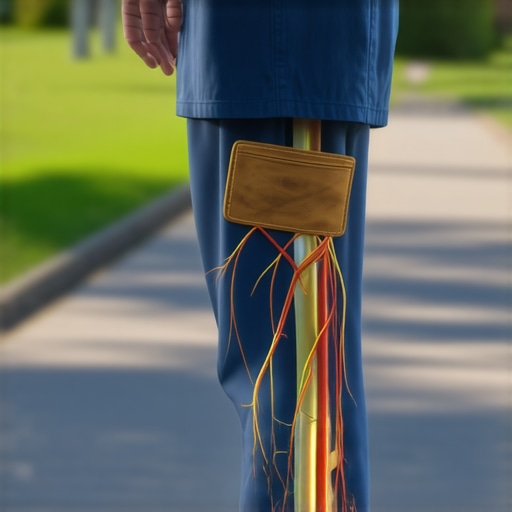
I remember the moment clearly — I was sitting on my couch, trying to enjoy a movie, when a sudden numbness shot down my leg. It was sharp, unexpected, and a real wake-up call. Like many others, I thought it was simply pinched nerves or some stress-related twinge. But as days went by, the numbness persisted, and I started noticing a strange pattern: every time I grabbed my wallet from my back pocket, the sensation intensified. That was my lightbulb moment.
How something so small could cause such a big problem was a mystery to me at first. But after digging into it, I discovered a surprising fact — a bulky wallet pressing against the sciatic nerve can significantly contribute to leg numbness and discomfort. This realization was a game-changer. It made me wonder: could my daily habits — especially how I carry my wallet — be silently sabotaging my mobility?Is Your Wallet Really the Enemy You’re Overlooking?
Early on, I made the rookie mistake of dismissing small things like my wallet as harmless. I kept carrying it in my back pocket, thinking, “It’s just convenience.” But I soon learned that even minor habits can lead to major health issues, especially with the nervous system. A study published in the Journal of the American Osteopathic Association confirms that habitual sitting on one hip or wallet-induced pressure can alter nerve pathways, leading to pain and numbness (source: https://bodyrenewtherapy.com/understanding-the-link-between-poor-posture-and-chronic-back-pain). Recognizing this was my first step towards taking control.
If you’ve been experiencing numbness, tingling, or discomfort in your legs, it’s worth considering whether your everyday habits might be the culprit. Sometimes, the fixes are simple — like finding alternative ways to carry essential items. But understanding the root causes is crucial for long-term relief.
In the next sections, I’ll walk you through practical strategies I’ve used to detach from habits that harm my body. From ergonomic adjustments to lifestyle tweaks, these tips can make a real difference. Ready to regain control and ease your discomfort? Let’s get started.
Switch Your Wallet to Alleviate Pressure
One of the simplest but most overlooked steps is changing how you carry your wallet. Instead of the back pocket, opt for a front pocket, bag, or another accessible place. I remember the first week I made this switch; initially, it felt awkward, but gradually, the numbness I experienced in my leg began to fade. Think of your wallet like a weight pressing on a garden hose—lift the weight, and the water (or nerve signals) flows freely again.
Adopt Targeted Flexibility and Strength Exercises
Engage in exercises that address both flexibility and muscle strength around your hips, lower back, and hamstrings. For example, the simple exercises for back mobility are effective. Start with gentle hip openers like the pigeon pose or the 90-90 stretch, but only hold each position for 20-30 seconds. During my own routine, I dedicated five minutes daily to these stretches, which significantly reduced my sciatic pain over the course of weeks.
Optimize Your Workstation for Better Posture
Set up your desk so that your computer screen is at eye level, and your chair supports your lumbar curve well. Maintain feet flat on the ground, and avoid crossing legs, which can tilt your pelvis and worsen sciatic nerve compression. I experimented with my workstation setup, following advice from ergonomic tips for back comfort, resulting in decreased discomfort during long work hours. Remember, it’s like tuning a guitar string; proper alignment balances your entire body.
Incorporate Active Movements into Your Daily Routine
Periods of prolonged sitting exacerbate sciatic symptoms. Incorporate micro-movements such as standing periodically, doing gentle leg swings, or walking around every 30 minutes. An effective method I used was setting a timer to remind me to stand and stretch. These small habits keep your muscles engaged and nerves from becoming compressed, similar to how a garden sprinkler keeps water flowing smoothly instead of stagnating.
Practice Breathing and Relaxation Techniques
Stress can tighten muscles, further pinching nerves. Deep breathing exercises, like diaphragmatic breathing, help relax your core and reduce muscle tension. During a stressful day, I paused for just two minutes to focus on my breath, which noticeably eased my pain. Think of your muscles as rubber bands—they tighten under strain; deliberate relaxation helps them loosen, freeing up movement and easing discomfort.
Explore Suitable Physical Therapy and Expert Guidance
If persistent pain lingers, consulting with a professional can provide personalized strategies. Physical therapists can tailor exercises that target your specific condition, similar to how a coach fine-tunes a sports technique. For additional insights, techniques like lasting sciatic relief tips can guide your recovery journey.
Many assume that persistent pain or numbness always signals a straightforward injury or structural problem. However, a common misconception is that these issues are solely due to tissue damage or disc herniation. In reality, the nervous system’s response to subtle habits and postural patterns plays a significant role. For instance, excessive reliance on passive remedies like pain medications can mask underlying movement deficiencies that perpetuate discomfort. A 2021 study highlights how chronic pain often stems from maladaptive neural pathways rather than tissue damage alone, emphasizing the importance of neural retraining in recovery (source: https://bodyrenewtherapy.com/back-pain-breakthroughs-navigating-your-path-to-restored-mobility).Maintaining your progress against sciatica, neck pain, and back discomfort requires more than just exercises — it calls for the right tools, consistent routine, and long-term strategies. Regularly updating your toolkit ensures that you’re prepared to manage flare-ups and optimize recovery. One essential item I personally rely on is a high-quality foam roller, specifically the ∗TriggerPoint GRID Foam Roller∗. Its textured surface mimics the hands of a professional therapist, allowing me to target tight muscles and break down fascial adhesions efficiently, which has been instrumental in maintaining my mobility and preventing setbacks. For best results, incorporate rolling sessions into your daily warm-up or cool-down routines, focusing on areas prone to tension like hips and lower back.
Alongside manual tools, consider incorporating a gentle percussive massage gun. I use the ∗Theragun Elite∗ for relieving persistent muscle knots. Its adjustable speed and therapeutic attachments enable targeted relief, especially after long days of sitting or strenuous activities. Research indicates that consistent percussion therapy can reduce muscle soreness and promote blood flow, leading to faster recovery (source: https://bodyrenewtherapy.com/the-deep-core-secret-to-ending-chronic-recurrent-back-pain).
For tracking your progress and ensuring you don’t regress, I recommend digital apps like ∗MyFitnessPal∗ or ∗Headspace∗. These platforms help maintain mindfulness around your posture habits, remind you when to stretch, and encourage mindful breathing techniques that alleviate tension in the neck and shoulders. Regular reminders to practice diaphragmatic breathing have significantly reduced cortisol levels, easing muscle tightness over time.
Looking towards the future, advancements in wearable technology such as posture sensors are promising. Devices like the ∗Upright GO 2∗ provide real-time feedback to correct slouching or misalignment during daily activities. As these devices become more affordable and accurate, they will empower users to maintain proper posture effortlessly, thus preventing pain before it starts.
**How do I maintain my progress over time?** It’s crucial to build these tools into a consistent routine. Schedule daily sessions with your foam roller or massage gun, and set gentle reminders on your phone. Periodically revisit your ergonomic setup with tips from ergonomic advice to ensure your workspace remains supportive. Remember, the goal is not just quick relief but sustainable, long-term mobility that adapts to your evolving needs. As the trend toward personalized health tech grows, investing in these tools now can set you up for continued success, helping you stay active and pain-free for years to come.
Embarking on the path to pain relief often requires more than just quick fixes. Over time, I realized the importance of deep, personalized strategies that address both habits and mindsets. The most valuable lesson I learned was that consistent small changes compound into significant improvements—like how adjusting my wallet carrying habits or integrating daily mobility routines transformed my life. Embracing a holistic approach, blending ergonomic tweaks, mindful breathing, and targeted exercises, made all the difference. Remember, your journey is unique, but the principles of patience, persistence, and listening to your body are universal keys to overcoming sciatic and back discomfort permanently.