
Why Your Wrist Pain Might Be Starting in Your Neck and Shoulders
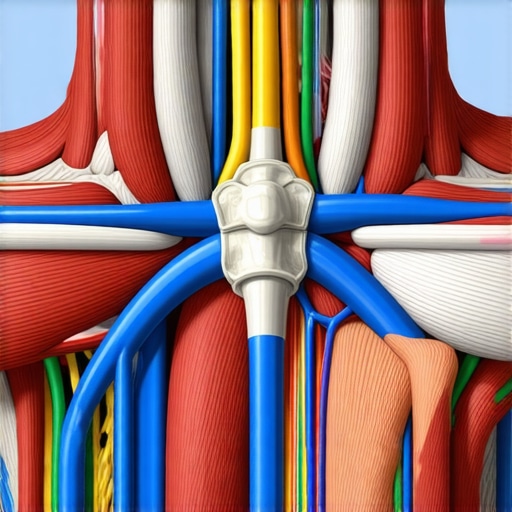
I remember the exact moment I realized my wrist pain wasn’t just about my cramped keyboard or lazy desk posture — it was tied intimately to my neck and shoulders. One afternoon, after struggling with wrist discomfort that made even gripping a coffee mug difficult, I finally looked up a few exercises and found something surprising: my neck tension was playing a leading role in hand pain. That lightbulb moment changed everything.
Why Ignoring Your Neck and Shoulders Could Be Sabotaging Your Wrist
For years, I was convinced my wrist pain was a local problem, something to be addressed with wrist braces or perhaps ergonomic wrist supports. But science has shown that the body is a complex, interconnected system. When the muscles in your neck and shoulders are tight or misaligned, they can cause nerve compression or reduced blood flow further down the chain, culminating in pain and weakness in your wrists. This isn’t just my personal experience, but a common scenario many overlook.
In fact, poor posture and sustained misalignments in your upper back and neck can create a cascade effect. Nerve pathways that exit the cervical spine supply the arms and hands, so any restriction or inflammation in this area can manifest as wrist pain. That’s why focusing solely on the wrist often yields temporary fixes, while ignoring the root cause allows problems to persist or recur.
Personally, I made the mistake early on of only strengthening my wrists — big mistake. Instead of resolving my discomfort, I was just aggravating the imbalance. Over time, I learned that addressing *neck and shoulder mobility* was key to lasting relief. Want to see how you can get ahead of this pattern? Check out expert-backed techniques at this resource.
Is Wrist Pain in Your Neck and Shoulders Really a Big Deal?
At first, I was skeptical. How could something happening in my neck affect my wrists? The answer is neuroanatomy, and it’s more common than you think. Ignoring these connections can lead to chronic problems, reduced grip strength, and even conditions like carpal tunnel syndrome. Wouldn’t you agree that long-term relief is worth exploring root causes instead of temporary patches?
So, if your wrist pain has been stubborn, perhaps it’s time to look beyond the joint itself. Are you experiencing tension or discomfort in your neck and shoulders? If so, you’re not alone, and I’ll walk you through simple, effective ways to restore mobility and stop the pain at its source.
Start With Gentle Neck Mobilization
Begin your routine by gently moving your neck through full ranges of motion. Turn your head side to side, tilt it forward and backward, and circle slowly. I once spent an evening doing these movements after a long day at my desk, and I immediately felt a reduction in tension, making my wrists feel less strained the next day.
Use Slow, Controlled Movements
Think of your neck like a hinge that needs lubrication. Move it slowly—avoid jerks—to signal your muscles and nerves to relax. This approach ensures you engage the muscles without overexerting them. Combining controlled rotations with deep breaths enhances relaxation and prepares your muscles for deeper mobility work.
Implement Shoulder Opening Exercises
Next, work on your shoulders. Stand or sit upright, clasp your hands behind your back, and gently lift and lower your arms. A specific move I found handy was the doorway stretch: place your forearms on either side of a doorframe and gently step forward. This stretch helps release tightness in the pectoral and shoulder muscles, which often pull the neck forward, creating tension that propagates down to the wrists.
Focus on Posture Reset
Daily, take moments to check if your shoulders are hunched or your head jutted forward. A neutral, stacked posture reduces strain on nerves supplying your arms. To make this habit stick, I used visual cues like a mirror to remind myself to realign. The other day, after correcting my posture during an online meeting, I noticed a decrease in lingering wrist discomfort.
Integrate Nerve Gliding Techniques
Nerve gliding exercises are like oiling a stiff hinge—they help nerves slide smoothly, reducing irritation. I practiced a simple sequence: start with my head tilted away from my shoulder, then gently extend my arm and bend my wrist. Moving slowly through these positions helps alleviate nerve entrapments that contribute to wrist pain.
Use Consistency for Lasting Change
Perform these exercises daily—preferably morning and evening. Not every session will be perfect; sometimes, my neck felt more stiff before I learned to breathe deeply during each movement. The key is persistence. Over time, I felt the mobility improve, which reduced nerve compression and alleviated wrist symptoms.
To deepen your understanding of spinal health and mobility, explore this resource.
Combine Movement With Mindfulness
Pay attention to signals from your body. If a movement causes pain or discomfort, adjust or skip it. I learned this the hard way—pushing through pain only worsened my symptoms. Instead, focus on gentle, mindful movements that feel good and gradually increase your range. This approach not only enhances mobility but also reduces anxiety associated with pain.
Stay Active Throughout the Day
In addition to dedicated exercises, make micro-movements a part of your daily routine. Stand every 30 minutes, stretch, or walk briefly. These small habits prevent stiffness buildup. Once, I set a reminder to stand and stretch, which prevented my neck and shoulders from becoming overly tight, ultimately easing wrist tension as well.
Implementing these steps consistently lays the foundation for healthier neck and shoulder mobility, directly impacting your wrist comfort. If you want targeted strategies for neck pain recovery, check out these proven techniques.
Many people believe that stretching alone is the key to resolving mobility issues, back pain, and sciatica. While stretching is beneficial, overemphasizing flexibility without understanding the underlying mechanics can lead to setbacks. For instance, numerous individuals fall into the trap of focusing solely on muscle lengthening, neglecting joint stability and movement patterns. This oversight can exacerbate existing issues or even create new ones because mobility isn’t just about muscles loosening; it involves the coordinated function of muscles, joints, and nervous system control.
One common myth I often encounter is the idea that pain always signals damage requiring rest or immobilization. In fact, pain can sometimes be an indicator of protective muscle spasm or nervous system alerting you to movement dysfunctions. Overly cautious approaches that avoid movement can result in further stiffness and weaken the tissues long-term. It’s essential to differentiate between pain that warrants caution and pain that signifies a need for strategic, guided movement to promote healing.
Now, here’s a critical nuance: many practitioners overlook the importance of movement variability. Doing the same stretch or exercise daily without variation can cause your tissues to adapt prematurely, reducing long-term effectiveness and even leading to biomechanical imbalances. Incorporating different angles, load levels, and movement speeds promotes resilient tissue adaptation. For example, varying your shoulder mobility exercises prevents overuse and encourages comprehensive joint health, which is vital for chronic back or neck issues.
Why Does Poor Posture Persist Despite Corrective Exercises?
A sophisticated question indeed. Many rely solely on strengthening or stretching exercises, yet fail to address habitual postural habits ingrained by daily routines, work environments, or subconscious patterns. This neglect hampers lasting correction because the nervous system defaults to familiar movement patterns unless the environmental cues are changed. To truly improve, one must adjust ergonomics, develop mindful movement habits, and ensure that mobility exercises become integrated into daily life. Check out this resource to understand how posture influences your ongoing pain.
Furthermore, most people underestimate the importance of breathing patterns. Diaphragmatic breathing enhances core stability and reduces unnecessary muscular tension, which supports better movement quality. Incorporating breath work into mobility routines amplifies their effectiveness, promoting a relaxed nervous system and healthier tissue dynamics.
Remember, true progress requires a holistic approach—combining mobility work, postural adjustments, mindful habits, and nervous system regulation. By appreciating these nuanced factors, you can prevent common setbacks and foster sustainable improvements. Considering the complexity, do you think you’ve been neglecting any of these aspects? Let me know in the comments.
For advanced strategies, I recommend exploring this expert guide on mobility and back health. It dives deeper into movement variability, tissue resilience, and integrating ergonomic principles for lasting relief.
Maintaining mobility, reducing back pain, and managing conditions like sciatica or neck discomfort often require more than just exercises—they demand the right tools and routines that fit seamlessly into daily life. One of my go-to tools is a high-density foam roller. I use it daily to target tight muscles in the thoracic and lumbar regions, which helps keep my spine aligned and my tissues resilient. I prefer a textured roller that provides gentle massage, aiding in my body’s natural recovery and injury prevention. For targeted nerve relief, I swear by a tennis ball; placing it against a wall or the floor to release stubborn knots along my lower back and hips, especially after prolonged desk sessions. These small additions to your routine can make a world of difference.
When it comes to software, I recommend using posture reminder apps like Upright or Nekoze. These apps prompt you to check your posture at regular intervals, helping you develop mindful habits and prevent sustained poor positioning. Consistent use can significantly reduce tension buildup in your neck and shoulders, which directly benefits your overall mobility.
Looking ahead, I believe wearable technology with biofeedback features will become a staple for maintaining musculoskeletal health. Devices that monitor muscle tension or joint angles can provide real-time insights, empowering you with actionable data to prevent issues before they develop. The trend is moving toward personalized, data-driven routines—making self-care more effective and tailored.
How do I maintain my mobility over time? The key is integrating practical tools with mindful routines. Always include regular mobility exercises complemented by equipment like foam rollers and massage balls, which enhance tissue health and nerve mobility. Incorporating posture monitoring apps into your daily schedule ensures you stay aware of your alignment, even during busy or stressful days.
If you’re serious about sustained relief, I encourage you to try my favorite advanced tip: incorporate nerve gliding exercises with a weighted ball to activate your nerve pathways gently. This method has transformed my recovery routine and can help reduce nerve entrapments that contribute to back or limb pain. For a detailed step-by-step guide, check out this resource. Consistency is vital—integrate these tools and techniques today to keep your body moving freely tomorrow.
One of the most valuable lessons I discovered was that lasting relief often lies beyond the obvious. Initially, I believed that stretching and strengthening were enough, but I soon realized that body awareness and daily habits play an equally critical role. Small tweaks—like adjusting my workspace ergonomics or integrating mindful breathing—made a profound difference in my mobility journey.
Lessons that Shook My Perspective on Mobility and Pain
- Posture is a habit, not a static position: I learned that consistently maintaining good posture requires conscious effort and habitual reinforcement, not just occasional corrections.
- Nerve health holds the key to persistent pain: Understanding nerve gliding and release techniques has been transformative in managing sciatic and neck discomfort.
- Movement variability prevents stagnation: Incorporating different angles and speeds in my exercises kept tissues resilient and reduced overuse injuries.
- Breath is the bridge to relaxation: Deep diaphragmatic breathing calms the nervous system, allowing muscles to release and tissues to heal.
- Small daily habits outshine intense sessions: Regular micro-movements and posture checks during the day sustain mobility far more effectively than sporadic, intense workouts.
My Hands-Down Favorite Resources for Movement Mastery
- Mobility Mastery Guide: This comprehensive resource laid the foundation for understanding joint health and practical daily routines I could stick with.
- Neck Pain Solutions: My go-to for effective, gentle techniques to regain lost range and relieve stubborn tension.
- Advanced Mobility Strategies: This guide challenged my assumptions and encouraged me to explore movement diversity and nervous system regulation.
- Posture and Pain Link: Understanding this connection motivated me to make ergonomic and habitual changes that have had lasting benefits.
Take Charge and Feel the Difference Today
Embracing these insights has empowered me to take proactive steps toward mobility and pain relief. Remember, your body’s capacity for healing and adaptation is remarkable when guided with knowledge and consistency. Don’t wait for pain to dictate your limits—start today, explore these strategies, and reclaim the joy of movement.
What’s one small change you’re willing to try this week to improve your neck, back, or sciatic health? Share your plan below—I’d love to hear from you.
,