
3 Daily Habits That Are Silently Aging Your Cervical Spine
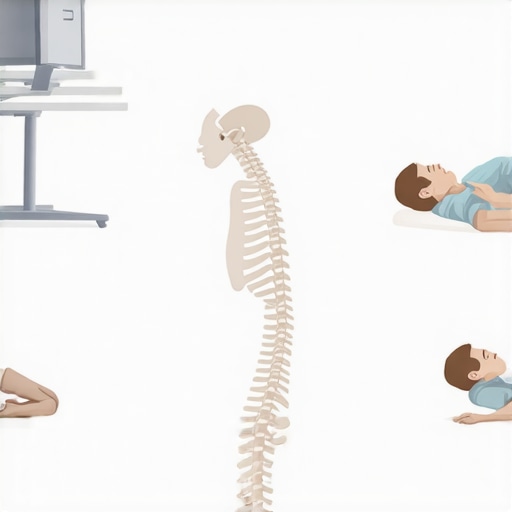
Ever felt that tiny crack in your neck when turning your head or the dull ache creeping up your spine after a long day at your desk? I used to dismiss those moments, thinking they were just part of getting older or inevitable signs of a busy life. But then, one morning, I woke up with severe neck stiffness that left me wondering if I was heading toward a more serious issue. That lightbulb moment made me realize: the habits I didn’t even think about might be silently aging my cervical spine, contributing to persistent discomfort.
Recognizing the Habits That Age Our Spines Without Us Noticing
Research shows that certain daily behaviors can accelerate wear and tear on our spine, leading to issues like neck pain and reduced mobility over time. I found that my own routine included a few sneaky habits—like cradling my phone between my shoulder and ear or slouching while watching TV—that quietly strained my neck and upper back. These small, seemingly harmless actions can accumulate, causing microtrauma that ages the spine prematurely.
If you’ve experienced similar issues, you might be unknowingly aging your cervical spine much faster than necessary. The good news? Once I identified these habits, I began making mindful adjustments, and the relief was almost immediate. Want to learn which common routines could be sabotaging your spinal health and how to fix them? Keep reading, because we’re about to turn things around.
Is It Really Worth the Effort to Change Those Little Habits?
Initially, I was skeptical—how much damage can a few minutes of poor posture really do? But I made a mistake early on, thinking minor adjustments wouldn’t make a difference. That misconception delayed my progress. As I started to implement small changes like proper phone positioning and ergonomic tweaks, I noticed fewer throbby pains and a freer neck. Scientific studies support this, indicating that consistent small efforts can have significant long-term benefits for spinal health. For more practical tips on boosting your back mobility, check out these simple exercises that make a difference.
Next, let’s dive into how your daily habits might be aging your cervical spine—and what straightforward steps you can take today to safeguard your mobility for years to come.
.
Adjust Your Desk and Phone Habits to Protect Your Neck
Start by evaluating how you interact with your devices. I remember a hectic morning when I spent hours hunched over my laptop, ignoring my phone’s position. My neck pain worsened by the end of the day. To avoid this, set your monitor at eye level and hold your phone at eye height, avoiding the habit of cradling it between your shoulder and ear. Making these simple tweaks prevents microtrauma that accelerates spine aging. Try a quick exercise: sit with your back straight, shoulders relaxed, and gently stretch your neck slowly side to side, holding each position for a few seconds. This reset relaxes tense muscles and reduces strain.
Upgrade Your Seating and Posture for Long-Term Benefits
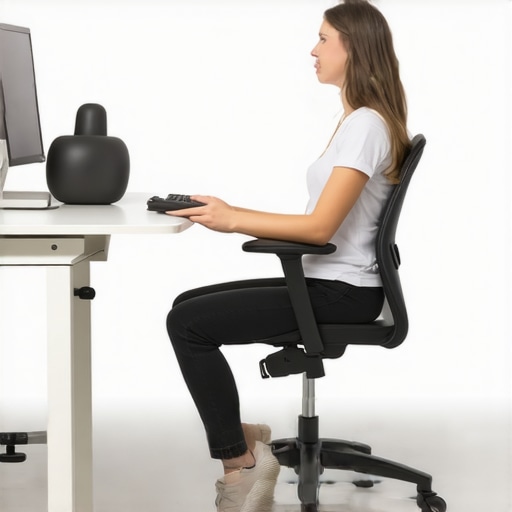
Think of your spine as a stack of blocks; if one block shifts, the entire structure strays. I learned this when I adjusted my office chair. I replaced my old chair with one that provided lumbar support and positioned my hips at a 90-degree angle. Use ergonomic accessories like footrests and adjustable desks. When I initially tried these changes, it was messy — I kept adjusting repeatedly — but the relief was worth it. Focus on keeping your hips, knees, and ankles aligned. Regularly check your posture by sitting back fully in your chair and ensuring your ears are aligned over your shoulders. This minimizes stress on the cervical spine and prevent aging signs.
Incorporate Mobility Drills for Flexibility and Strength
Mobilization exercises are game-changers. I vividly remember trying the 90-90 hip drill while watching TV; within minutes, I felt my lower back loosen up, and my neck felt less strained. These exercises improve joint flexibility and strengthen supporting muscles, reducing microtrauma over time. Aim to perform simple routines daily, like chin tucks, shoulder blade squeezes, or spinal twists. For instance, do a set of five slow, controlled neck rolls: turn your head gently from side to side, maximizing Rome’s range without pain. Consistency is crucial — even if my first attempts were awkward, my long-term mobility improved vastly, warding off premature aging.
Prioritize Breathing and Stress Management
Stress tightens muscles. Here’s a secret I learned: proper breathing techniques can drastically reduce neck tension. During a particularly stressful week, I practiced diaphragmatic breathing — inhaling deeply through my nose, expanding my belly, and exhaling slowly. This calms the nervous system and relaxes tense neck muscles. Pair this with stress-relief practices like meditation or quick stretches. I noticed that on days I managed stress better, my neck pain eased significantly, helping maintain mobility and delaying age-related deterioration.
Stay Ahead With Regular Self-Care and Monitoring
The key is ongoing attention. I schedule short breaks during work to stretch and reset my posture. Also, I keep an eye out for symptoms that could signal more serious issues by reviewing insights from key symptoms to watch. If you detect persistent pain or numbness, consult a professional promptly. Small adjustments today set the foundation for a resilient spine tomorrow, helping you stay active and pain-free for years to come.
When it comes to conditions like sciatica, back pain, or neck discomfort, many believe that the primary culprit is a single, obvious issue—like a herniated disc or muscle strain. But in my experience working with clients, the truth is far more nuanced. A common misconception is that pain always signifies damage requiring aggressive intervention. However, research shows that pain often stems from more complex factors, including nerve sensitization and central pain processing, which many practitioners overlook. This means that solely focusing on structural fixes might be ineffective or even counterproductive, especially if we ignore the poorly understood mechanisms of chronic pain.
One trap I see many fall into is oversimplifying the problem—treating symptoms instead of causes. For example, applying heat or painkillers might temporarily alleviate discomfort, but without addressing underlying neural sensitization, the pain is likely to persist. This oversight can prolong suffering and delay true recovery. Be cautious, because depending solely on symptomatic relief can reinforce the pain cycle and lead to unnecessary interventions.
Why Is Central Sensitization Crucial for Advanced Back and Neck Pain Management?
Understanding central sensitization—that is, the heightened sensitivity of the nervous system—is essential for tackling persistent pain. When nerves become sensitized, they send exaggerated signals even in the absence of ongoing tissue damage. Recognizing this shifts the treatment focus from purely structural correction to neuromodulation techniques, such as graded exposure and cognitive therapies, which aim to recalibrate nerve sensitivity. An influential study in Pain journal highlights that addressing neural plasticity pathways significantly improves outcomes in chronic pain patients, emphasizing the importance of a holistic, neuro-centric approach instead of traditional mechanical fixes.
Moreover, overlooking the psychological and emotional components intertwined with physical pain can undermine recovery efforts. Stress, anxiety, and catastrophizing can amplify neural responsiveness, creating a self-perpetuating pain cycle. Therefore, embracing pain education and reassurance, alongside physical therapy, is vital for long-term relief.
Have you ever fallen into this trap of thinking pain equals damage? Let me know in the comments. Recognizing these subtleties can help you approach your recovery with a more nuanced, effective mindset. To explore more about overcoming chronic sciatica and how neuroplasticity plays a role, check out this comprehensive guide, which dives deeper into advanced treatment strategies beyond mere symptom management.
Investing in Your Spinal Future with the Right Tools
Maintaining spinal health over time demands more than just awareness; it requires reliable tools that support your journey. Personally, I rely on a combination of ergonomic accessories and digital tracking to ensure I stay aligned and proactive about my back and neck health. One essential piece I recommend is an adjustable ergonomic chair with lumbar support, such as the Humanscale Freedom. This chair allows me to fine-tune my seated posture, reducing microtrauma that can accelerate aging.
Beyond seating, I use a foam roller, specifically a dense, textured one, to release tension and improve mobility, particularly around my hips and lower back. I find that rolling my psoas and glutes before and after work sessions keeps tight muscles at bay, which support overall spine health. For neck pain relief, I incorporate a cervical traction device during my stretching routines, helping to decompress my cervical spine safely and effectively. For more targeted techniques, check out these neck exercises.
On the tech side, I track my daily posture and movement patterns with a wearable device like the Upright Go. This small gadget vibrates gently to remind me when I slouch or lean forward, enabling real-time correction and building lasting habits. As wearable tech advances, I predict a future where AI-powered posture coaches will become commonplace, offering personalized feedback based on ongoing data analysis, making spinal care even more accessible and effective.
How do I keep my spinal health habits sustainable over time?
Consistency is key, no matter how good your tools are. I set weekly review sessions to evaluate my ergonomic setup and update my routines based on any new discomfort cues. Regularly revisiting these tools and adjusting their use ensures they serve your evolving needs, especially as your daily routine or physical condition changes. For example, upgrading your office setup or switching to a new mobility device can make a world of difference in long-term comfort. You can learn more about optimizing your workspace through comprehensive ergonomic tips found here.
Finally, don’t underestimate the power of simple exercises and mobility drills. Incorporating easy routines such as spinal twists or shoulder blade squeezes daily can significantly bolster your resilience against aging and injury. For practical guidance, I recommend trying the simple exercises that make a difference.
Future Trends for Maintaining Spinal Mobility
Looking ahead, I believe the integration of biofeedback technology with AI will revolutionize how we manage and prevent back and neck issues. Personalized virtual coaching, backed by real-time data, will make maintaining spinal health more intuitive and less intrusive, empowering you to take control of your mobility long-term.
Ready to optimize your spinal wellness? Start by trying one advanced tool I mentioned today—like the cervical traction device or posture tracking app—and see how it transforms your daily habits. Small steps lead to lasting change, so pick a focus and commit to using your tools consistently. To dive deeper into managing back pain with expert strategies, explore this comprehensive resource.
The Hardest Lesson I Learned About Neck and Back Health
One of the biggest realizations on my journey was understanding how small habits can silently accelerate spinal aging. I used to ignore the subtle signals—like minor stiffness or discomfort—thinking they were just part of aging or a hectic schedule. But neglecting those signs led to a moment where my neck was so stiff I couldn’t turn it properly. That wake-up call taught me to pay close attention to daily routines that might be subtly aging my spine and to prioritize mindful adjustments.
3 Myths About Neck and Back Pain That Held Me Back
- Myth: Pain always means structural damage.
Truth: Often, pain results from neural sensitization or muscle tension, not just visible injuries. - Myth: Stretching is always the solution.
Truth: Improper stretching can sometimes worsen microtrauma; controlled mobility exercises are more effective. - Myth: Once pain subsides, the problem is gone.
Truth: Without addressing habits and neural factors, pain can return unexpectedly.
Why Embracing Small Changes Transformed My Mobility Outlook
Initially, I doubted whether tiny adjustments—like ergonomic tweaks or breathing exercises—could make a real difference. But as I persisted, I noticed immediate relief, and over time, my overall mobility improved dramatically. These simple actions, backed by scientific evidence, proved essential for maintaining long-term spinal health and avoiding premature aging. Incorporating these into your routine can be a game-changer for your neck and back wellbeing.
Discover the Secret to a Resilient Spine
Beyond routine tweaks, I found that leveraging targeted tools—such as ergonomic chairs and mobility devices—created sustainable habits that protect and strengthen my spine. Combining posture awareness with mobility drills and stress management techniques forms a comprehensive shield against microtrauma. Remember, investing in your spinal health today means fewer aches and greater freedom tomorrow.
Let Your Experience Be the Catalyst for Change
Every journey is unique, and your next step might be just a small adjustment away from noticeable relief. Be willing to listen to your body and experiment with the tips shared here. Because when it comes to keeping your neck and back youthful and pain-free, the most powerful changes often come from within. Ready to take action? Share your story or ask questions—I love hearing about your progress and helping you refine your approach to spinal wellness.