
3 Footwear Errors That Are Silently Flaring Your Sciatica Every Day
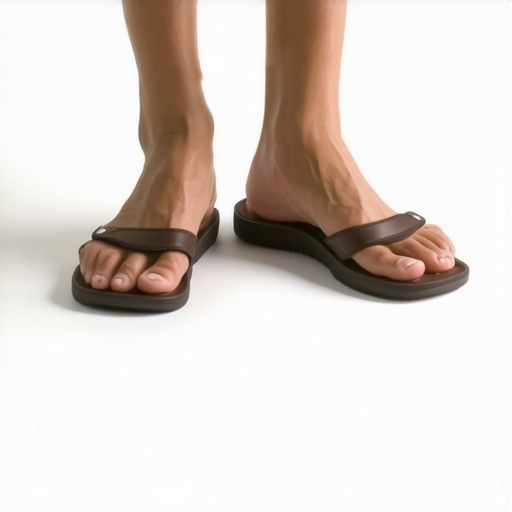
It hit me one morning as I struggled to tie my shoes, feeling a sharp twinge that shot down my leg—another flare-up of my stubborn sciatic pain. I wasn’t doing anything unusual, just slipping into my usual sneakers. But that day, something clicked. I realized that the footwear I wore daily might be quietly fueling my discomfort without me even noticing. And I bet you’ve experienced this too—those mornings when even the simplest task becomes a reminder of chronic pain hiding in plain sight.
Why Your Shoes Might Be the Hidden Culprits Behind Your Sciatica Flare-ups
Many of us take our choice in footwear for granted, slipping on whatever’s convenient without thinking twice. But your shoes play a crucial role in supporting your spine and ensuring proper alignment. Small errors or habits—like wearing unsupportive sneakers or heels, or using worn-out insoles—can create imbalances that strain your lower back and aggravate sciatic nerve issues. Over time, these unnoticed mistakes can lead to silent inflammation and nerve irritation, making your daily pain worse.
Are you aware that improper footwear can alter your gait and posture, increasing pressure on your lumbar spine? Research indicates that footwear significantly affects spinal alignment and lower limb mechanics, which directly influences sciatic nerve health (source: https://bodyrenewtherapy.com/understanding-the-link-between-poor-posture-and-chronic-back-pain). In my early days, I ignored this connection and continued wearing cushy yet unsupportive shoes; needless to say, my pain persisted.
So, how do you identify if your shoes are secretly harming you? Well, I was guilty of dismissing worn-out soles and high heels, convinced they were stylish accessories. But once I started paying attention, it was evident—the lack of arch support and unstable soles were contributing to my nerve irritation. Once I replaced those with proper orthotic-friendly footwear, I noticed a genuine difference.
Next, I’m going to share practical solutions to fix this sneaky problem. Because the right shoes are more than just about style—they’re about your health. Ready to step into relief? Let’s dive into the simple yet effective changes that can make all the difference in your fight against sciatic pain.
Identify Footwear Flaws That Sabotage Your Back
Start by inspecting your shoes for signs of wear—flattened soles, lack of arch support, or heels that tilt your posture. Replace worn-out shoes with supportive, orthotic-friendly options. I once took off my fashionable heels after a flare-up and switched to shoes with good arch support. Within days, I felt a noticeable reduction in sciatic pain, confirming how footwear influences nerve health.
Set Up Your Environment for Better Posture
Arrange your workspace so that your computer monitor is at eye level and your seating provides lumbar support. Use ergonomic chairs or add cushions to maintain natural spinal curves. I used a simple pillow behind my lower back during long work sessions, which significantly eased pressure on my sciatic nerve. Proper setup prevents daily aggravation and supports mobility.
Incorporate Movement Into Your Daily Routine
Engage in targeted mobility drills that enhance lumbar flexibility and core strength. Try the simple exercises designed to unlock stiffness. For example, I dedicated five minutes every morning to gentle hip openers and spinal twists, which kept my lower back supple and less prone to flare-ups. Consistent movement is key to long-term relief.
Apply Neural Glide Techniques for Immediate Relief
Utilize nerve gliding exercises to reduce nerve tension and improve mobility. These specific moves, like the nerve glide drills, help restore nerve mobility often restricted by tight tissues. I once combined nerve glides with gentle stretching, resulting in quicker pain relief after long drives or sedentary periods.
Monitor and Adjust As Needed
Keep track of how your body responds to changes—note improvements or setbacks—and modify your routine accordingly. Regularly review your posture, footwear, and mobility practices. For instance, I increased my daily stretching after noticing persistent stiffness, which ultimately improved my overall back health. Consistent evaluation ensures sustained progress.
Seek Professional Support When Necessary
If pain persists or worsens, consult experts for personalized strategies. Therapists can provide targeted treatments like neural mobilization or posture correction. Visit contact us for tailored assistance. My experience with professional guidance significantly accelerated my recovery process, teaching me techniques I couldn’t master alone.
Many believe that neck pain, back pain, or sciatica are simply the result of bad posture or muscle strain—but in my experience as a movement specialist, that’s only part of the story. A common myth is that stretching is always the best solution; however, aggressive or indiscriminate stretching can sometimes worsen the problem if not tailored to the individual’s specific neural and joint restrictions. For instance, overstretching tight tissues without addressing underlying joint mechanics can lead to micro-trauma and persistent discomfort, as highlighted in clinical research on neuro-musculoskeletal interactions (source: https://bodyrenewtherapy.com/neck-pain-solutions-proven-techniques-to-regain-your-range-of-motion).
Keep It Working: Tools and Strategies for Long-Term Back Wellness
Maintaining your back health and mobility requires more than just quick fixes; it calls for reliable tools and consistent routines. Over the years, I’ve found that investing in specific equipment and adopting targeted methods can greatly enhance your recovery and prevent future setbacks. One of my go-to tools is the TheraBand Resistance Bands. I use them daily for gentle mobility drills and strength-building exercises that support spinal stability. Their versatility allows me to perform a variety of targeted movements, from lumbar rotations to hip openers, all crucial for maintaining long-term flexibility and core strength.
Another essential item is a foam roller. Regular self-myofascial release with a foam roller helps break down adhesions and improve tissue elasticity, which is vital for reducing nerve irritations like sciatica. I personally prefer models with a textured surface, as they provide deeper massage, helping to release tension in areas that are often overlooked during conventional stretching.
In terms of software, I rely heavily on mobility tracking apps that guide me through daily routines tailored to my specific needs. Apps like these not only keep me accountable but also help me identify patterns—like when my mobility starts to decline—so I can adjust proactively.
Looking ahead, I believe the future of back health maintenance will be increasingly integrated with wearable technology. Devices that monitor posture and movement in real-time could alert you to poor habits before they cause pain, much like how posture monitors are already gaining popularity. This trend promises a personalized approach that empowers us to correct issues as they develop.
How do I keep my back in shape over the long haul?
The key is consistency—integrating tools like resistance bands and foam rollers into your daily routine while staying mindful of your posture and mobility. Regularly reviewing your habits and seeking professional guidance when necessary can make all the difference in sustaining your progress. For personalized advice, don’t hesitate to reach out. And I recommend trying the nerve glide exercises to keep your sciatic nerve happy and functioning properly. Small, consistent steps now will pay off in enduring back health.One of the most eye-opening lessons I’ve learned on my journey with sciatic pain is that progress often comes from addressing the seemingly small details—like the shoes I wear daily. I once believed that if my stretch routine was solid and my posture was correct, I was good to go. But over time, I realized that neglecting everyday habits, like footwear choices, could undermine all my efforts. That realization pushed me to reevaluate habits I thought were trivial, leading to truly lasting relief.
Another insight was recognizing that no single fix is a magic bullet—consistent, holistic approaches are key. Combining targeted nerve gliding exercises with ergonomic adjustments and supportive footwear created a synergy that transformed my recovery. It became clear that understanding the nuanced relationships within our bodies—how support in one area affects another—was crucial, a lesson that deepened my appreciation for comprehensive back health strategies.
Lastly, I discovered that patience and ongoing self-awareness are vital. Pain fluctuations are normal, and progress may be subtle at times. Embracing a mindset of continuous learning and adaptation kept me motivated. Staying curious about new tools, exercises, and insights—like exploring advanced mobility routines or seeking professional support when needed—made a tangible difference in my journey toward a pain-free life.
Comments are closed.