
3 Specific Nerve Glides to Stop Shooting Sciatica Pain Fast
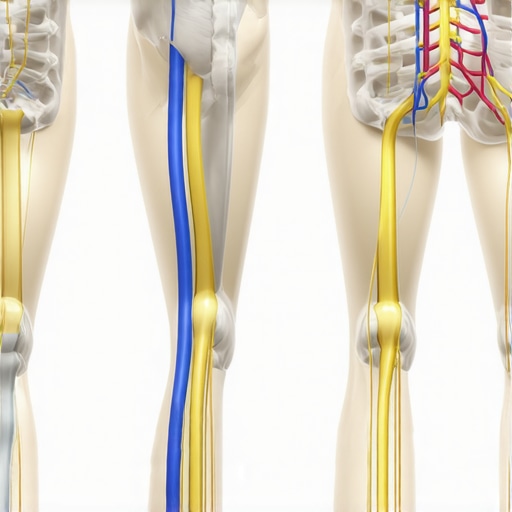
It was a morning like any other, only this time, as I tried to stand up from my chair, a sharp, shooting pain blazed down my leg. The kind that made me freeze mid-movement, gasping, questioning whether I could even finish my day. I knew this pain all too well; it was the fiery, unbearable sciatica that had taken over my life, stealing my mobility and peace of mind.
After months of misery, I realized I couldn’t keep battling this alone. My turning point came when I discovered the power of certain nerve gliding exercises — simple, targeted movements that eased the nerve’s irritation and stopped those nerve-shocking pains fast. Believe me, I’ve been there, and I understand how frustrating and limiting it feels.
Today, I want to share exactly what worked for me—not just quick fixes but proven techniques that, when applied correctly, can bring real relief. No more endless searching for answers or wasting precious time on ineffective remedies. If you’re tired of living with shooting pains that threaten to derail your day, stick with me. We’re about to tackle this together.
Why Nerve Glides Can Be Your Fast-Track to Sciatica Relief
Sciatica pain can feel like lightning bolts shooting down your leg, often leaving you desperate for a solution that works quickly. Many assume that rest is the best approach, but in reality, staying still can worsen the problem over time. Movement, especially targeted nerve gliding exercises, helps reduce nerve entrapment and relieve compression, leading to faster pain relief.
From my experience, adopting these specific nerve glides — which focus on gently mobilizing the sciatic nerve — made a world of difference. They’re gentle, safe, and can be done at home, making them accessible for most people battling this vicious pain.
Research supports this approach, showing that nerve mobilization can significantly decrease sciatic symptoms (source: Understanding the link between poor posture and chronic back pain). This isn’t just personal insight; it’s backed by science. Imagine that! The key is learning the right techniques and doing them consistently.
But I know skepticism is healthy, and many fear that these exercises might make things worse. I’ve been there, too. Early on, I made the mistake of trying to push through pain, thinking that more effort would speed my recovery. Spoiler alert: it only prolonged my suffering.
Now, I’ll walk you through the three nerve glide exercises I found most effective, so you can apply them safely and start turning the tide on your pain. Ready to reclaim your mobility? Let’s dive in.
Start with Gentle Mobilization
My first step was to prepare my body with gentle movements. I lay on my back and slowly straightened my leg, feeling the tension gradually build. Then, I flexed and pointed my foot gently, repeating this motion for a few minutes. This helped warm up the sciatic nerve, much like loosening a stubborn hinge before opening it fully. Consistency here is key; performing this daily can prevent aggravations and set the stage for more effective nerve gliding exercises.
Implement Specific Nerve Glide Techniques
I focused on three targeted nerve glides, each designed to mobilize the sciatic nerve without overstressing it. For instance, one involved lying on your back, lifting one leg with your knee bent, and then slowly extending your knee while keeping your hips stable. This motion resembles gently pulling a rubber band to stretch it without snapping. Applying slow, controlled movements prevents nerve irritation and enhances flexibility. I made sure to stop if I felt any sharp pain, understanding that patience and gradual progression are vital.
Precise Execution and Monitoring
During each exercise, I paid close attention to my body’s feedback. I would hold the position for about five seconds before returning to start, repeating 10 times. If discomfort increased, I paused and reassessed my approach. Over time, I noticed diminished pain and increased mobility, similar to melting away a stiff, unyielding door hinge. Remember, these exercises don’t require force; gentle, deliberate actions are most effective. Embedding these into your daily routine, perhaps linked with your morning coffee routine, can make them feel like a natural part of your day.
Integrate Movement into Daily Life
Beyond specific exercises, I learned to incorporate movement into everyday activities. Simple tweaks like adjusting my ergonomic setup (improve your back comfort) and taking short walking breaks prevented stiffness and kept nerves from entangling further. Think of your spine and nerves as a garden hose; regular gentle movement prevents kinks and blockages. By staying active and mindful of posture, you reinforce the benefits of nerve gliding, fostering a resilient, pain-free back.
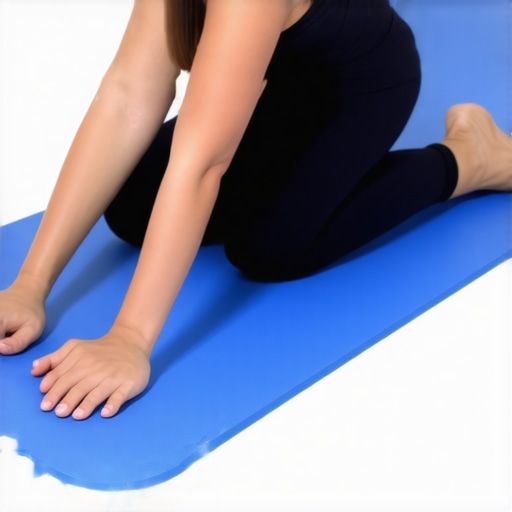 Many people believe the main culprit behind sciatica and chronic back or neck pain is a simple muscular strain or herniated disc, but this oversimplifies a complex issue. A common myth is that rest always aids recovery; in reality, prolonged inactivity can lead to muscle atrophy and joint stiffness, making mobility harder to regain. Advanced clinicians understand that many cases involve nerve entrapment or subtle postural misalignments—nuances that aren’t obvious on standard imaging but significantly impact symptoms. For example, pelvic misalignment can cause persistent nerve compression, yet many overlook this cause in favor of treating superficial symptoms.
What connects poor posture to nerve entrapment, and how can subtle misalignments sabotage your recovery?
Research shows that minor imbalances in musculoskeletal structure, like pelvic tilt or spinal subluxations, can maintain or worsen nerve irritation, perpetuating pain cycles. Addressing these issues requires not just symptom relief but targeted adjustments—both biomechanical and behavioral—that re-establish proper alignment. Relying solely on generic stretching or strengthening routines without considering these nuances can be ineffective or even counterproductive. Sometimes, the real fix lies in fine-tuning biomechanics, such as optimizing your ergonomic setup (improve your back comfort) or engaging in specific mobility drills. The key is a personalized approach that recognizes these hidden factors, moving beyond generic advice to a tailored strategy for lasting relief. Have you ever fallen into this trap? Let me know in the comments.Maintaining your progress after initial relief from sciatica or back pain requires more than just occasional exercises; it involves a strategic approach to tools, routine maintenance, and leveraging technology. One of the most effective methods I personally rely on is smart ergonomic setups. Investing in an adjustable ergonomic chair, like those recommended by experts at enhance your back mobility, ensures that your posture stays optimal throughout the day, preventing flare-ups.
Alongside ergonomic furniture, wearable tech plays a crucial role. Devices like posture correction sensors or smart insoles can provide real-time feedback, helping you identify and correct poor habits before they escalate into pain. I use a specific posture sensor that syncs with my phone, offering gentle reminders to sit or stand correctly—these subtle cues make a significant difference over months.
Applying consistent, targeted mobility exercises helps preserve joint flexibility and nerve mobility. For consistent results, I recommend routines found in boost your back mobility. These simple, daily drills prevent stiffness and ensure that your tissues remain resilient.
Another cornerstone of long-term maintenance involves periodic professional assessments. Collaborating with a physiotherapist for regular check-ins allows for personalized adjustments to your routine, addressing any emerging imbalances early. This proactive approach reduces the risk of recurring pain episodes.
Prediction-wise, as technology advances, integrating AI-driven posture and movement analysis will become more accessible, offering personalized, proactive pain management solutions at home. Embracing these innovations now can position you for sustained relief.
How do I maintain my back and neck health over time?
Incorporating ergonomic adjustments, leveraging wearable technology, committing to consistent mobility routines, and scheduling regular professional evaluations form the bedrock of lasting relief. For those eager to deepen their understanding of sustainable back health, exploring lifestyle changes can provide actionable insights.
Finally, I suggest trying a quick but powerful routine: the 3-minute posture reset drill I recommend in this quick wall drill. Consistent application of simple tools and habits like this ensures your journey toward pain-free living continues smoothly and sustainably.
The Hardest Lesson I Learned About Sciatica and Mobility
Initially, I believed that pushing through pain or doing more exercises would speed up my recovery. But I quickly realized that patience and listening to my body’s signals were far more effective. Understanding that nerves need gentle mobilization, not aggressive stretching, transformed my approach and sped up my healing process.
Why Not All Mobility Tips Are Created Equal
I once tried generic stretching routines before bed, thinking they’d help. Instead, some movements exacerbated my pain. It was only after personalized, targeted nerve gliding exercises that I experienced genuine relief. This taught me the importance of tailored routines over one-size-fits-all advice, especially when dealing with complex issues like sciatic nerve entrapment.
How Small Posture Tweaks Made a Big Difference
Adjusting my ergonomic workspace and integrating movement throughout the day significantly reduced flare-ups. Small changes, like adjusting my chair height or taking quick walks, were simple yet powerful. They reinforced that consistent, mindful movement is crucial for maintaining nerve health and preventing pain from returning.
My Biggest Wake-Up Call About Long-Term Wellness
Relying solely on temporary fixes was a mistake. True relief came from combining daily nerve mobilization, posture awareness, and periodic professional assessments. Embracing this holistic approach not only alleviated my current pain but also built resilience against future episodes. For anyone on this journey, remember that lasting relief is a marathon, not a sprint.
My Essential Tools for Maintaining Mobility
Having used numerous resources, three stand out for their effectiveness and trustworthiness. First, the guide on [boost your back mobility](https://bodyrenewtherapy.com/boost-your-back-mobility-simple-exercises-that-make-a-difference) provided practical exercises that complemented my routine perfectly. Second, ergonomic recommendations from [enhance your back comfort](https://bodyrenewtherapy.com/enhance-your-back-mobility-ergonomic-tips-for-everyday-comfort) helped me craft a workspace that supported my recovery. Lastly, adopting these [lifestyle changes](https://bodyrenewtherapy.com/overcoming-sciatica-top-lifestyle-changes-for-better-quality-of-life) ensured sustained progress, proving that consistent habits matter more than quick fixes.
Take Charge and Reclaim Your Movement
Remember, you hold the key to your recovery. Small, intentional steps, combined with the right knowledge and tools, can lead to profound change. Don’t let pain dictate your life—start implementing these insights today and move toward a future of strength and flexibility. Your journey to lasting relief begins now.