
3 Reasons Your Shooting Leg Pain Gets Worse After You Rest
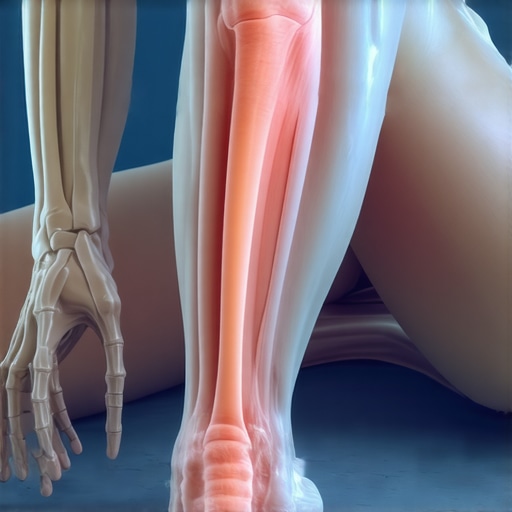
I remember sitting on my couch after a long day, only to be greeted by a sharp, shooting pain in my leg that seemed to worsen every time I got up. It was as if resting only made the pain more stubborn and intense. That lightbulb moment hit me hard—I realized I wasn’t alone in this frustrating experience. If you’ve ever felt your leg pain spike after sitting or resting, you’re not imagining things. In fact, this is a common issue that many people overlook or misunderstand.
The Real Reason Your Leg Doesn’t Chill Out When You Rest
Many think that resting should give your leg a break. But sometimes, that’s a big misconception—especially with nerve-related pain like sciatica. Resting can actually cause stiffness, tight muscles, and nerve irritation to worsen if you don’t approach it correctly. Understanding this is key to breaking the cycle of pain spikes after inactivity.
Is this all just hype about rest making things worse?
Early in my journey, I made the mistake of completely avoiding movement, thinking it would help. Turns out, that only made my muscles tighter and my nerves more irritated. The truth is, subtle, targeted movements help maintain mobility and calm down that nerve pain, rather than exacerbating it. For more insights on managing back issues smartly, check out this article.
So, if you’re tired of that frustrating pattern where your leg feels worse after resting, stay with me. We’re about to explore why this happens and how to fix it—no more guesswork, just real, practical steps that have helped many, including myself.
Activate Gentle Movement Daily to Prevent Stiffness
Begin by incorporating light, controlled movements into your routine each day. For example, I once spent an entire weekend doing seated leg swings, just a few minutes at a time. Initially, my leg felt sore, but over a week, I noticed decreased stiffness and fewer pain spikes after rest. Think of your muscles and nerves like a garden hose—the more you keep it moving gently, the less likely it is to kink or get stuck.
Integrate Specific Stretching Exercises to Target Tightness
Focus on stretches that loosen up the hip flexors, hamstrings, and lower back. A good example is the kneeling hip flexor stretch, which I performed every morning. I used to wake up with sharp, shooting pain, but after a week of consistent stretching, that pain diminished significantly. Persuade your muscles to stay relaxed and flexible—like loosening a knot one tug at a time. For detailed routines, check out this guide.
Use Your Breath to Reclaim Calm and Reduce Nerve Irritation
Deep, diaphragmatic breathing acts as a reset button for your nervous system. In my experience, taking slow, focused breaths for a few minutes helped dissipate the sharp sensations after sitting. Imagine your nervous system as a garden hose under pressure—controlled breathing releases that pressure, calming the nerves and tissues. Practice inhaling for four seconds, holding briefly, then exhaling slowly for six seconds, several times daily.
Employ Correct Posture and Ergonomic Adjustments
Align your workspace to support healthy posture. For instance, I adjusted my chair’s height so my feet rested flat and my knees were at 90 degrees. After these tweaks, I experienced less strain and fewer pain spikes post-rest. Think of your body as a machine—proper alignment ensures smooth operation and less wear and tear. For expert tips, explore ergonomic best practices.
Progress Gradually Toward More Dynamic Movements
Once you notice reduced stiffness and pain, slowly introduce gentle dynamic activities, such as walking or swimming. I started with 10-minute walks, paying attention to how my leg responded. Over weeks, I increased duration slightly, and my pain episodes lessened. Remember, your tissues need time to adapt—like breaking in a new pair of shoes without blisters. Consistency here makes the difference. For more on safe activity progression, see mobility strategies.
Leverage Manual Techniques for Immediate Relief
Using tools like a tennis ball for self-myofascial release can break up tightness knots that worsen nerves’ sensitivity. I once rolled a tennis ball under my thigh after sitting for prolonged periods, which resulted in noticeable relief. Visualize your tissues like a tangled ball of yarn; gentle pressure helps untangle it. Just a few minutes daily can significantly diminish pain after rest, improving your overall movement quality. Learn more at self-myofascial release techniques.
Many people believe that back pain, neck pain, and sciatica are straightforward issues rooted solely in muscle strain or obvious injuries. However, as an expert in movement and rehabilitation, I can tell you that this perspective often misses the subtler factors that perpetuate pain and mislead treatment efforts. One widespread misconception is that rest always promotes healing. While rest is essential for acute injuries, reliance on immobilization can actually lengthen recovery times and worsen symptoms by encouraging muscle weakness and joint stiffness. This is why incorporating gentle, targeted movement—like the exercises detailed here—is crucial for effective recovery.
Another myth involves the assumption that all nerve pain, such as sciatica, stems from disc herniations. In reality, nerves can become irritated or compressed by a variety of factors, including tight muscles, joint restrictions, or even postural imbalances. A notable study published in the Journal of Orthopaedic & Sports Physical Therapy highlights that muscular tension and fascial restrictions often play a significant role, sometimes more so than disc issues, in nerve impingement cases. This underscores the importance of comprehensive assessment and nuanced treatment strategies.
Here’s an advanced point: many clinicians overlook the impact of pelvic and spinal alignment on persistent pain. Small misalignments can create a cascade effect, leading to muscle fatigue, joint degeneration, or nerve impingement over time. Proper posture adjustments and understanding biomechanical load—discussed extensively in this resource—can make a dramatic difference in long-term outcomes.
A common trap to avoid is oversimplifying treatment. Relying solely on passive therapies like massage or heat might provide temporary relief but often neglects the underlying neuromuscular patterns. Incorporating active movement, strengthening, and flexibility work results in more sustainable improvements. This is especially true for conditions like sciatica, where lifestyle changes—including ergonomic adjustments and activity modifications—should be part of a holistic approach. For detailed lifestyle strategies, check out these tips.
Now, let’s address a subtle but critical nuance. When designing recovery protocols, it’s vital to recognize that pain itself is a complex signaling process—not just a symptom of structural damage. Chronic pain often involves central sensitization, where the nervous system becomes hypersensitive. Therefore, approaches focusing solely on structural issues may fall short. Techniques like graded exposure and nervous system desensitization are emerging as effective strategies—topics I explore further here.
Are you guilty of dismissing these nuances? Have you ever fallen into this trap? Let me know in the comments. Understanding these intricate details helps us move beyond superficial fixes and toward lasting relief—because knowledge, truly, is power in pain management.
Keeping It Working: Essential Tools for Lasting Relief
Investing in the right tools can make a significant difference in maintaining your progress and preventing setbacks. One of my go-to equipment is a quality foam roller, specifically a medium-density one. I use it daily for self-myofascial release, targeting tightness in the hips, glutes, and lower back to reduce nerve impingements that cause sciatica and neck tension. Regular foam rolling helps maintain tissue elasticity and can even prevent recurring pain issues over months and years. For detailed guidance, visit this resource.
Another tool I swear by is a posture corrector brace for short-term wear during work hours. When used properly, it trains your muscles to hold better alignment, especially if you spend long hours at a desk. Remember, however, that such supports should complement a comprehensive movement routine—not replace it. Ongoing strength and mobility exercises are essential for sustainability.
Software and Apps That Transform Your Routine
Digital tools like mobility tracking apps have become invaluable. I personally utilize a hinge-movement timer to prompt me to perform shoulder and thoracic mobility drills every two hours. These reminders ensure I don’t get stuck in prolonged static postures that can lead to neck stiffness and back pain. Integrating a regular movement schedule reduces the risk of central sensitization associated with chronic pain. Looking forward, I predict that personalized, AI-driven ergonomics and rehab plans will make these routines even more effective, tailored to the specific biomechanical needs of each individual.
How do I keep my back and neck healthy over time?
Consistency is key. Regularly revisiting your ergonomic setup—such as adjusting your monitor height so it aligns with your eye level and keeping your feet flat on the floor—can prevent poor posture from sneaking back in. Additionally, incorporating daily stretches like the hip flexor stretch or thoracic rotations maintains mobility. Utilizing tools like a lumbar roll during seated work supports spinal curves and reduces strain. To optimize your routine, I recommend setting a recurring schedule to evaluate and update your setup every few months.
What’s the best way to sustain these habits long-term?
Creating a habit loop is vital. Start by choosing one tool or exercise and commit to it daily. For example, I challenge you to incorporate the 30-second ankle mobility drill into your morning routine. Over time, these small, consistent upgrades compound, leading to significant improvements in your overall mobility and pain resilience. Keep tracking your progress with simple journals or app logs, which can motivate you to stick with your regimen.
In my experience, one of the most effective strategies is to regularly perform a combination of targeted strengthening, stretching, and manual techniques such as using a tennis ball for trigger point release. Remember, even in the future, personalized assessments—like those discussed in this article—will help fine-tune your approach for maximum sustainability. Try integrating one new tool or method today, and observe how it influences your long-term comfort and mobility.
What I Never Expected About My Back Journey
One of the most profound lessons I learned is that healing isn’t a straightforward path. Sometimes, pushing a little through gentle movement accelerates recovery more than prolonged rest. I realized that my body responds best when I listen carefully—even when it’s uncomfortable—and incorporate smart, targeted exercises. That tweak in approach made all the difference in overcoming persistent sciatic pain and regaining mobility.
No One Tells You About the Hidden Traps of Comfort
Many of us fall into the trap of seeking comfort with excessive rest or relying solely on passive therapies. But I discovered that without active engagement—like specific stretching and gentle strengthening—the pain cycle can deepen. Learning to differentiate between rest that heals and rest that hinders is crucial, and small daily habits can unlock lasting relief. For personalized strategies, check out this guide.
Why Breath Work Became a Game Changer for My Nerve Pain
Deep diaphragmatic breathing became more than just a relaxation technique; it turned into a tool to quiet nerve irritation and reduce stiffness. I found that taking slow, controlled breaths helped reset my nervous system, decreasing those sharp shooting pains after sitting. Developing this simple, accessible habit was pivotal—showing me that sometimes, the most effective healing tools are the ones we carry with us everywhere.
Mastering the Subtle Art of Postural Awareness
Adjustments in my daily setup—like ergonomic workspaces and conscious posture—significantly lessened my pain episodes. I realized that maintaining spinal neutrality isn’t about perfect symmetry; it’s about awareness and small adjustments that support long-term health. Consistently revisiting these habits, as detailed in this resource, proved essential for lasting change.
Real Progress Comes From Respecting Your Body’s Pace
One of my biggest insights was understanding that pacing my progress—gradually increasing activity levels—was key. Rushing into intense workouts or overstretching often led to setbacks. Instead, I learned that patience, combined with gentle, consistent effort, nurtures stronger, more resilient tissues. If you’re ready to embrace a smarter approach, exploring this collection of exercises can guide your journey.
The Unexpected Power of Self-Myofascial Release
Using tools like a tennis ball for targeted release was surprisingly effective. I often underestimated how much tissue tightness could worsen nerve symptoms. Gentle pressure on specific trigger points helped untangle knots and ease pain, especially after long periods of inactivity. Making this a daily habit transformed my approach to managing discomfort, reaffirming that small, consistent self-care routines yield big results. For guidance, see this resource.
What does all this mean for your healing journey?
My experience taught me that recovery from back, neck, or sciatic pain is deeply personal—and often non-linear. Embracing active management, mindful movement, and self-awareness unlocks hidden resilience in our bodies. Remember, your pain isn’t just a problem to endure but a signal guiding you toward better habits and deeper understanding. If you’re ready to shift your perspective, start with small, intentional changes today—your future self will thank you.
Where Your Next Step Begins
Consider re-evaluating your daily routines and tools—like your workspace setup or breathing habits—that can dramatically impact your mobility and pain levels. Regular check-ins and gradual progress are your allies in this journey. Most importantly, believe in your body’s capacity to heal and adapt. With patience, consistency, and a little insider wisdom, you can reclaim your pain-free life. Are you prepared to try these insights and redefine your healing process? Let me know below.