
How a Stiff Mid-Back Is Ruining Your Neck Health
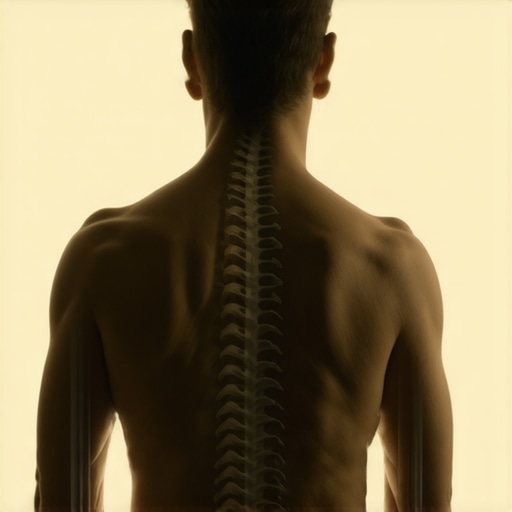
I remember the moment clearly — I was reaching for something on the top shelf, and suddenly, a sharp twinge shot through my mid-back, leaving my neck stiff and sore the next morning. It was like my entire upper spine had decided to betray me, and I felt helpless, frustrated. Many people don’t realize that a stiff mid-back isn’t just an uncomfortable area; it can be a sneaky culprit, silently wreaking havoc on your neck health.
What Makes a Stiff Mid-Back a Hidden Threat to Your Neck?
Research shows that limited thoracic mobility can double the risk of neck pain, highlighting how interconnected these areas truly are (https://bodyrenewtherapy.com/understanding-the-link-between-poor-posture-and-chronic-back-pain). Fixing this requires more than just stretching the neck—it’s about restoring movement to your entire spine.
Have you ever ignorantly thought that neck pain was just a localized issue, only to realize it worsened after sitting at your desk or after an awkward twist? If so, you’re not alone. I made that mistake early on, ignoring the importance of thoracic health, which only prolonged my discomfort. Now, I understand that addressing the mid-back is essential to breaking free from neck agony.
In the upcoming sections, I’ll walk you through simple, effective strategies to free up that stiff mid-back and, in turn, give your neck the relief it craves. It’s time to stop suffering in silence — your spine’s mobility might be more connected than you think.
Start with Gentle Mobilization
Begin by gently moving your upper back to break up stiffness. Sit upright in a sturdy chair, place your hands behind your head, and slowly rotate your torso side to side, pausing at each limit. Imagine your spine as a door hinge that needs lubrication; small, controlled movements help restore fluidity. I once spent five minutes doing this in the morning, and noticed immediate relief in my neck tension.
Incorporate Specific Stretching Exercises
The Thoracic Extension
Lie face down on a foam roller positioned mid-back. Support your neck with your hands, and gently lift your chest over the roller, opening your thoracic spine. Hold for a few seconds, then relax. This move stretches out the stiff area and signals your nervous system to relax tense muscles. After performing this twice daily, I felt a significant decrease in my upper back stiffness.
The Cat-Cow Movement
Get on all fours, inhale as you arch your back (cow pose), lifting your head and tailbone. Exhale as you round your spine (cat pose), tucking your chin and pelvis. Repeat slowly for 10 cycles. This motion mobilizes the entire spine, and helps your neck and mid-back move more freely. It’s like giving your spine a gentle reset each morning.
Utilize Myofascial Release Techniques
Apply pressure with a tennis ball or foam roller on tender spots along your upper back. Lean against the wall with the ball between your shoulder blade and the wall, gently moving around to find sore points. Hold each spot for 20 seconds until you sense relief. This technique is akin to peeling away tight fascia that restricts movement, which I found particularly effective for persistent knots.
Practice Posture Corrections Throughout the Day
Be mindful of your sitting and standing habits. Keep your shoulders relaxed, chest open, and ears aligned over your shoulders. Use ergonomic chairs and desk setups to support these positions. I adjusted my workstation height, which significantly reduced my mid-back strain, making daily activities less taxing on my spine.
Breathe Deeply to Enhance Mobility
Incorporate diaphragmatic breathing to relax tense muscles. Lie on your back, place one hand on your chest and the other on your belly. Inhale deeply through your nose, expanding your belly, and exhale slowly through your mouth. Doing this for a few minutes relaxes your nervous system, freeing up your spine to move without resistance. I found this especially helpful after long periods of sitting or stress.
Gradually Increase Activity Levels
Once mobility begins to improve, incorporate light activities like walking or gentle swimming that promote overall spine health. Avoid abrupt, high-impact movements that may aggravate stiffness. Consistent, moderate activity fosters sustained flexibility, preventing return of stiffness. I started with short walks, progressively increasing duration, and noticed my neck and mid-back pain diminished over weeks.
Stay Consistent and Listen to Your Body
Consistency is key. Incorporate these movements daily and pay attention to your body’s responses. If a move causes pain beyond mild discomfort, stop and reassess. Over time, these core techniques will rebuild your spinal mobility, giving your neck the relief it needs. Remember, your spine’s health hinges on regular, mindful care—like tending to a garden that flourishes with consistent attention.
When it comes to chronic pain, many assume that the root cause is always localized: a herniated disc, tight muscles, or poor posture. However, this perspective often overlooks a crucial nuance — the interconnectedness of the entire spinal system. The common myth that treating the affected area alone is enough can be a costly mistake. In fact, recent studies indicate that focusing solely on the symptomatic region may only provide temporary relief, as underlying mobility issues elsewhere can perpetuate pain patterns. For example, a stiff mid-back often causes compensatory movements in the neck and lower back, leading to persistent discomfort despite localized treatments. This is why comprehensive mobility assessments and targeted interventions that consider the entire kinetic chain are essential for long-term recovery.
Another misconception is that advanced pain invariably indicates severe structural damage. While it’s tempting to think that intense, radiating pain suggests a serious injury, research shows that many instances are due to muscular imbalances or nerve irritations that can be managed effectively with proper techniques. Additionally, many individuals fall into the trap of believing that stretching is always beneficial; however, overstretching or incorrect technique can exacerbate issues, especially when fascia or joint restrictions are involved. For instance, deep stretching without addressing underlying fascial adhesions might worsen mobility restrictions. According to experts in spinal health, smooth, controlled mobilization often yields better results than aggressive stretching.
#### Why do some well-intentioned self-care routines backfire?
Many people unknowingly engage in habits that worsen their conditions. For example, neglecting intra-abdominal pressure control during movements can lead to spinal instability. Over-reliance on passive therapies like foam rolling alone can sometimes mask symptoms without resolving underlying restrictions. Instead, integrating active mobility exercises, diaphragmatic breathing, and posture awareness produces more sustained improvements.
One advanced mistake involves misunderstanding nerve mobility. Often, folks treat nerve pain as static, expecting it to disappear on its own. However, nerve gliding exercises, when performed correctly, can significantly improve symptoms by reducing adhesions and enhancing neural tissue health. A study published in the Journal of Orthopaedic & Sports Physical Therapy highlights that nerve mobility exercises outperform passive modalities in managing sciatic pain.
In summary, to truly address neck pain, back pain, sciatica, and mobility concerns, it’s critical to look beyond superficial symptoms and understand the complex interplay of muscular, fascial, and neural factors. Adopting a holistic, informed approach prevents falling into common traps and promotes lasting relief. Interested in more insights? Dive into comprehensive strategies at [back pain breakthroughs](https://bodyrenewtherapy.com/back-pain-breakthroughs-navigating-your-path-to-restored-mobility) or explore [effective techniques for neck relief](https://bodyrenewtherapy.com/revitalize-your-neck-effective-techniques-for-lasting-pain-relief). Have you ever fallen into this trap? Let me know in the comments.
Maintaining Mobility and Alleviating Pain Over Time
Once you’ve established a routine to improve your neck, back, or sciatic comfort, the next step is ensuring those gains hold steady. The key lies in selecting the right tools and adopting maintenance habits that seamlessly integrate into your daily life. Over the years, I’ve found that specific equipment and smart strategies make a significant difference in preventing setbacks and scaling your progress.
One of my most trusted tools is the foam roller. Unlike generic rollers, I prefer one with a firm density and textured surface, which allows me to target fascia restrictions more effectively, especially along the thoracic spine. Regular use—just five minutes daily—helps maintain my mobility and prevents knots from re-forming. I also incorporate a tennis ball for my upper back and shoulders, which provides pinpoint relief for stubborn tight spots. These simple tools keep my tissue pliable and reduce the likelihood of stiffness creeping back.
For digital health, I rely on apps like NeuFit that offer guided mobility assessments and personalized exercises. They help me stay aligned with my evolving needs and prevent habits that might inadvertently cause strain. Supporting your efforts with good ergonomic software, like f.lux to reduce eye strain, indirectly benefits neck and shoulder tension, showing how integrated digital habits play a role in long-term health.
But tools alone aren’t enough. Regular check-ins—monthly self-assessments of your mobility—ensure that you catch early signs of regress. Use simple tests like the toe touch test or shoulder mobility screens. These quick evaluations keep you aware and motivated to stick with your habits.
How do I keep my spine healthy as I age?
Long-term results depend heavily on consistency and adapting your routine. As your body changes, look to dynamic posture adjustments and incorporate new exercises aimed at your current needs. I’ve found that periodically updating my mobility drills based on my latest assessments prevents stagnation and deterioration.
The future of maintenance tools is heading toward smarter, AI-powered feedback devices that can prompt you to correct your posture in real-time. Wearables like spinal trackers and posture sensors are becoming more accessible and provide instant cues to stay aligned. Investing in such technology now can save you from future pain and costly interventions.
To get started, choose one maintenance tool — be it a foam roller, a guided app, or a self-assessment routine — and commit to it daily for at least two weeks. Even small, consistent actions can vastly improve your long-term spine health and keep pain at bay.
Interested in more advanced methods? Check out these expert mobility strategies for sustained relief. Remember, the journey to lasting wellness is ongoing, but the right tools make it manageable and effective. Don’t wait until discomfort returns—start today and keep your body moving freely!
Reflecting on my journey, I realized that the most profound lessons often come from unexpected setbacks. One key insight was understanding how neglecting the mid-back’s mobility not only prolongs discomfort but also thwarts long-term healing—this taught me to focus on holistic spinal health rather than isolated symptoms. I learned that small, consistent movements can prevent stiffness from creeping back, and that overlooking posture corrections in daily routines often leads to unnecessary setbacks. Finally, I discovered that integrating mindful breathing into mobility routines amplifies relaxation and recovery, a fact I wish I had embraced from the start. These lessons shifted my approach from reactive to proactive, highlighting the importance of caring for the entire kinetic chain to truly improve neck and back health.