
3 Signs Your Hip Tightness Is Actually a Sciatica Issue
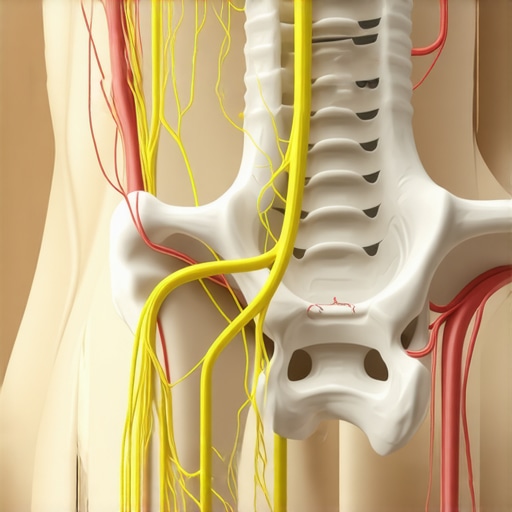
Ever woken up with that dull yet stabbing pain in your hip, feeling like your muscles are simply tight and stiff? I remember those mornings vividly—struggling to roll out of bed, convinced I just needed a good stretch. But sometimes, what feels like tight hips can be a sneaky sign of something more serious: sciatic nerve irritation. And trust me, I learned this the hard way.
Most people brush off persistent hip tightness as mere soreness from a workout or prolonged sitting. That was my mistake early on—I thought ignoring the discomfort would make it go away. Instead, I was ignoring the warning signs of sciatic nerve issues that could worsen if left untreated. Today, I want to share how to tell the difference and get to the root of the problem before it steals your mobility.
Why Recognizing the Signs Early Matters
Understanding whether your hip tightness is just a muscle issue or part of a larger nerve problem can save you time, pain, and frustration. The nerves in your lower back and hips are tightly interconnected; irritation in one area often affects the other. If you’re experiencing discomfort that lingers or worsens, it’s crucial to identify the specific signs that point to sciatica. Early detection means you can seek effective relief and avoid prolonged pain or potential nerve damage. According to research published by the National Institute of Neurological Disorders and Stroke, untreated sciatic nerve issues can lead to persistent pain and decreased mobility, significantly affecting quality of life.
Is It Really Worth Worrying About?
I remember dismissing my symptoms as minor tightness, thinking it was nothing a good stretch couldn’t fix. But an early mistake I made was overestimating my body’s resilience and underestimating the complexity of nerve-related pain. If I had noticed the signs earlier and acted accordingly, I could have avoided months of discomfort. That’s why recognizing the difference isn’t just about convenience—it’s about your well-being. If you’ve been battling persistent hip tightness that doesn’t improve with simple stretches, it’s worth investigating further to see if sciatic nerves are involved. Want to know how to tell the difference? Keep reading, because the next steps might just change how you approach pain relief.
Identify Your Trigger Points
Start by pinpointing where your pain originates and how it radiates. I remember lying in bed, feeling a sharp ting in my hip, but the real breakthrough came when I used a mirror to observe my posture during daily activities. Once I identified tension in specific muscles—like the piriformis or hamstrings—I knew where to focus my efforts. Use a massage ball or foam roller to gently target these areas, releasing tightness that often compresses the sciatic nerve.
Incorporate Nerve Gliding Exercises
Think of your nerve pathways as highways; when they get pinched or stuck, traffic jams occur. I started with simple nerve glide moves, which help free up nerve mobility by gently stretching the nerve roots away from the surrounding tissues. Specifically, the sciatic nerve responds well to controlled flossing movements. To perform a basic glide, lie on your back, extend one leg, and gently dorsiflex the foot while moving your head in the opposite direction. Regular practice improved my symptoms significantly, avoiding the need for medication or invasive procedures.
Master the Hip Flexor Stretch
Too often, tight hip flexors pull the pelvis forward, increasing lower back strain and compressing nerves. I scheduled daily stretches, gradually widening my range of motion. One effective move was the kneeling hip flexor stretch, where I pressed my hips forward while keeping my upper body upright. This stretch opened up the hip area, reducing pressure on the sciatic nerve. Perform this stretch for 30 seconds on each side, and avoid bouncing, which can aggravate symptoms.
Strengthen Surrounding Muscles
Weak or imbalanced muscles around the pelvis can worsen nerve irritation. I implemented core strengthening exercises, focusing on stability and posture. A practical example was the plank, which I held for gradually increasing durations, reinforcing abdominal and back muscles. Toning these muscles reduces the load on the lower spine. Adding pelvic tilts or bridges can also stabilize the pelvis, decreasing nerve tension during daily movements.
Adjust Your Daily Posture and Habits
Poor ergonomics often worsen sciatic pain without us realizing it. I replaced my old chair with an ergonomic office seat, ensuring proper lumbar support. Sitting with feet flat, hips at a 90-degree angle, and avoiding crossing legs lessened nerve compression. When driving, I used a small pillow behind my lower back to maintain natural curvature. These minor modifications can make a significant difference—check out ergonomic tips [here](https://bodyrenewtherapy.com/enhance-your-back-mobility-ergonomic-tips-for-everyday-comfort).
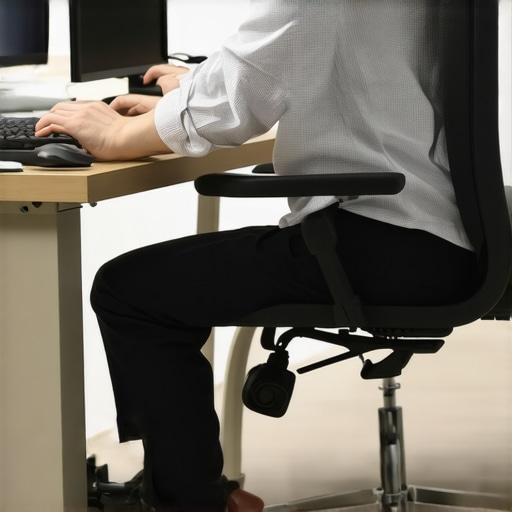
Visual guide to proper sitting posture and ergonomic adjustments to reduce sciatic nerve pressure.
Prioritize Rest and Gentle Movement
Balancing activity with rest prevents aggravation while promoting healing. I found that gentle walks after stretching sessions encouraged circulation and decreased stiffness. Avoid prolonged static positions, especially sitting or standing still for hours. Incorporate breaks every 20-30 minutes by walking around or doing light stretches. Remember, movement is medicine, but overstretching or high-impact exercise can set you back—find the sweet spot that works for your condition.
Many still believe that stretching or basic posture corrections are the ultimate solutions for sciatic pain and back issues, but the reality is far more nuanced. In my experience working with clients and delving into advanced research, I’ve found that the common beliefs often oversimplify complex neural and musculoskeletal interactions. For instance, many assume that consistent stretching alone can resolve nerve impingement, but studies, such as those published in the Journal of Physical Therapy Science, show that nerve mobility exercises tailored to individual dysfunctions are far more effective than generic routines. Relying solely on stretches may even exacerbate issues if performed incorrectly or at the wrong stage of healing.
A frequent trap people fall into is hyper-focusing on the symptom—hip or back tightness—without addressing underlying causes like muscular imbalances, joint restrictions, or neural adhesions. This oversight can lead to chronicity, where pain becomes ingrained, making simple fixes ineffective. Instead, incorporating comprehensive assessments to identify specific neural restrictions is essential. Techniques like neural gliding, when executed correctly, can help free restricted nerves, but they must be part of a personalized plan rather than a one-size-fits-all approach.
Why do so many common strategies fail to produce lasting relief? Often, it’s because they ignore the intricate connection between posture, fascia, and neural health. For example, poor posture not only strains muscles but can also cause neural entrapments, which standard stretching won’t solve. Targeted interventions, such as fascia release combined with posture correction, are proven to yield better outcomes. To deepen your understanding, check out [what most chiropractors won’t tell you about reoccurring neck cricks](https://bodyrenewtherapy.com/what-most-chiropractors-wont-tell-you-about-reoccurring-neck-cricks), which discusses how overlooked neural restrictions hinder recovery.
Another advanced mistake is neglecting lifestyle factors—like prolonged sitting, ergonomic habits, or movement variability—that continuously stress the nervous system. Small habitual changes, such as adjusting your workspace ergonomics or integrating movement variability, significantly impact long-term recovery and mobility. For those interested in practical adjustments, exploring [simple exercises to boost back mobility](https://bodyrenewtherapy.com/boost-your-back-mobility-simple-exercises-that-make-a-difference) can provide actionable insights.
Here’s an important question for advanced readers: How can we distinguish between muscular tightness and neural restrictions in persistent pain? This differentiation is crucial because treating muscles won’t help if nerves are the root issue. Techniques like neurodynamic testing and responsiveness to specific nerve gliding exercises can guide appropriate intervention. Consulting with a specialist who understands the neuro-musculoskeletal interface ensures a comprehensive approach.
Remember, persistent pain often points to complex interactions beyond superficial stiff muscles. Preventative strategies involve a holistic view—addressing posture, neural mobility, lifestyle habits, and targeted therapies. If you’re facing ongoing issues that resist common remedies, consider a detailed assessment from a professional. Discover more advanced strategies and personalized solutions by reaching out through [our contact page](https://bodyrenewtherapy.com/contact-us). Have you ever fallen into this trap? Let me know in the comments.Maintaining your spinal health isn’t a one-and-done effort; it requires consistent use of effective tools and routines. Personally, I rely on a combination of targeted equipment and smart software to monitor progress and ensure I stay on track. One staple in my toolkit is a high-quality foam roller, specifically designed for myofascial release. I use a dense, textured foam roller to tackle tight areas like the piriformis and hamstrings, which are often culprits in sciatic nerve irritation. The benefit of a dense roller over a softer one is better control and deeper tissue work, which I find accelerates relief and prevents flare-ups.
Another tool I swear by is a handheld massage ball—small, portable, and perfect for pinpointing trigger points. I keep one in my desk drawer for quick releases during the day, especially when I notice creeping discomfort. It’s particularly effective at mobilizing those stubborn knots that often contribute to nerve compression.
In addition to physical tools, I leverage software apps that guide me through mobility routines tailored for back and neck health. Apps like PhysiApp or dedicated videos from trusted physiotherapists help me stay disciplined with my daily stretches and nerve gliding exercises. These digital aids provide visual cues and timers, ensuring I perform each movement correctly and consistently, which I’ve found crucial for long-term improvement.
Prediction suggests that smart wearable devices with biofeedback features will become more prevalent in the near future. Wearables that track posture and muscle activation can alert you when you’re slipping into poor habits—like slouching or uneven weight distribution—that exacerbate nerve irritation. Integrating these with apps to receive personalized recommendations can enhance your maintenance routine significantly.
How do I keep my progress sustainable? Regularly reviewing my routines and adjusting tools as I learn more about my body’s responses forms the cornerstone of my approach. For instance, I replace my foam roller with a more targeted massage stick when I notice certain muscles becoming too tight or resistant.
Remember, consistency is key in maintaining mobility and reducing pain. I recommend trying a simple addition like the foam roller or massage ball into your daily routine. For detailed guidance on using these tools effectively, check out [our comprehensive guide to mobility](https://bodyrenewtherapy.com/mobility-mastery-daily-tips-to-keep-your-spine-and-joints-healthy). Want to learn even more advanced strategies? Contact us anytime through [our contact page](https://bodyrenewtherapy.com/contact-us). Small, consistent investments in these tools can make a lasting difference in your quality of life.
What I Didn’t Expect About Nerve Pain’s Hidden Traps
The biggest revelation for me was realizing that pain isn’t always a sign of muscle weakness or strain—it can be a signal from your nerves that something deeper needs attention. I used to believe that stretching and posture fixes were enough, but I learned the importance of neural mobility exercises to truly resolve sciatic issues. Ignoring these subtle signs delayed my recovery and led to more persistent discomfort.
Why Personalizing Your Approach Makes All the Difference
Every case of back or hip pain is unique, and cookie-cutter solutions often fall short. I discovered that listening carefully to my body’s responses and tailoring techniques like nerve gliding, fascia release, and posture habits revolutionized my healing process. Trusting professionals who understand the neural-musculoskeletal link—like those at this resource—accelerated my progress more than any generic routine.
When Overconfidence Sabotages Healing, Beware
I initially dismissed lingering pains as minor or temporary, only to realize overconfidence in my self-diagnosis slowed down recovery. It turns out that persistent discomfort often indicates neural adhesions or joint restrictions that require expert assessment. Recognizing my limits and seeking targeted therapy prevented me from long-term complications and allowed me to return to an active lifestyle.
Curated Resources to Accelerate Your Recovery
If you’re serious about overcoming sciatic pain and restoring mobility, these tools and sources have been game-changers for me:
- Foam rollers and massage balls: Trusted for releasing tight fascia and trigger points—see this guide for effective use.
- Professional assessments: Personalized programs from qualified physiotherapists have provided insights I couldn’t get from videos alone.
- Educational books: “The Great Pain Deception” by Steve Novella opened my eyes to understanding pain mechanisms beyond superficial treatments.
Take the First Step Toward Your Own Breakthrough
Healing from sciatic or back issues isn’t just about quick fixes; it’s about committing to a smarter approach that combines neural mobility, posture awareness, and lifestyle adjustments. Remember, your body wants to heal—give it the right tools and patience. If you’re ready to dive deeper, reach out through this contact page and let’s explore personalized strategies together. Have you ever experienced a moment where a small change led to a breakthrough? Share your story in the comments—I’d love to hear how you’ve progressed.
Comments are closed.