
3 Signs Your Weak Glutes Are Killing Your Spinal Health
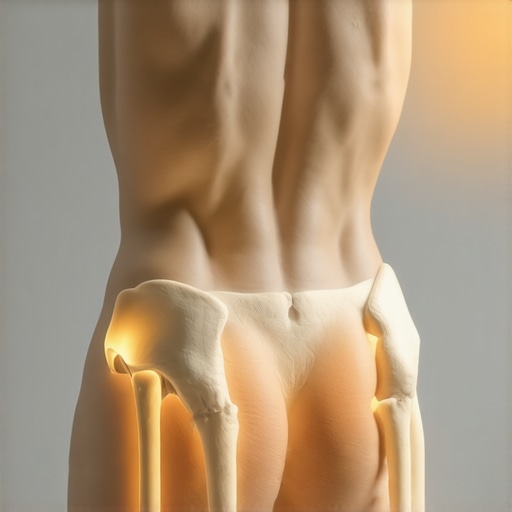
I remember the first time I felt that dull, nagging ache in my lower back after a long day of sitting at my desk. It wasn’t intense pain, but enough to make me wince every time I got up. That moment was a real lightbulb for me—something was off, and I didn’t want it to turn into a chronic nightmare. Over time, I realized the culprit wasn’t just bad posture or stress; it was my glutes, or rather, the lack of strength in them.
As a fellow enthusiast of spinal health, I’ve learned that weak glutes can silently sabotage your back’s stability and overall mobility. Today, I want to help you spot the early warning signs—things you might be ignoring right now—that indicate your glutes aren’t doing their job and how that could be killing your spinal health. Trust me, recognizing these signs could be the game-changer in avoiding persistent pain and long-term issues.
Why Your Glutes Might Be the Hidden Enemy of Your Spine
Many of us don’t pay enough attention to our glutes, assuming they’re just for aesthetics or basic movement. But these powerful muscles are central to keeping your spine healthy. When they’re weak or inactive, your body compensates by overusing other muscles, which can lead to misalignment, nerve pinches, and chronic pain. I’ve seen many people, including myself early on, make the mistake of neglecting this vital muscle group, which only worsens back issues over time. It took me facing stubborn sciatica and a series of treatments to realize that strengthening my glutes made an incredible difference.
If you’re wondering whether your glutes are weak and affecting your spinal health, keep reading. I’ll walk you through the three key signs to look out for, so you can address the problem before it becomes a debilitating condition.
Is the Buzz Worth It? Do These Signs Really Signal Weak Glutes?
When I first dove into glute exercises, I thought I was doing enough just by walking or casual stretches. Spoiler alert: that was a mistake. I overlooked the importance of targeted strengthening, and my back pain persisted. One critical misstep was assuming that soreness or fatigue means I’m strengthening my muscles effectively. It’s a common misconception I hear from many. Recognizing the subtle signs of weakness isn’t just about feeling tired—it’s about understanding how your body communicates that something isn’t quite right. If you’ve experienced lingering lower back pain, sciatica flare-ups, or persistent tight hips, it might be time to evaluate whether weak glutes are the root cause. According to a study published in the Journal of Orthopaedic & Sports Physical Therapy, gluteal weakness can significantly contribute to low back pain and gait abnormalities. Knowing this transformed my approach, and it can do the same for you.
So, have you noticed any of these signs in your body? If so, don’t ignore them. The good news is, with a few targeted exercises and awareness, you can reverse this trend and support your spine better than ever. Ready to find out how? Let’s dive into the practical steps that will put you on the path to a stronger, healthier back.
Engage Your Glutes Daily with Precision Moves
Start your routine by performing the classic glute bridge—lie on your back, knees bent, feet flat, and lift your hips off the ground by squeezing your glutes. I once tried to do this without focusing on squeezing, and it felt unproductive. But when I consciously activated my glutes, the muscle engagement transformed. Repeat for 3 sets of 10, gradually increasing as you feel stronger.
Incorporate Dynamic Lunges for Better Balance
Step forward into a lunge position, keeping the back straight and engaging your glutes to push back to standing. I added this step before my morning walk and noticed my hips felt more open. Focus on controlled movement—don’t rush—and perform 2 sets of 12 on each leg. This movement not only targets the glutes but also improves overall stability, which is vital for spinal health.
Use Resistance for Shock Absorption and Power
Implement resistance band exercises, like lateral walks. Place a band just above your knees, squat slightly, then step side to side. I used a resistance band during a quick home session, and within days, I felt better supported during daily activities. This exercise activates the hip abductors, supporting the pelvis and relieving pressure on the lower back.
Prioritize Proper Technique Over Quantity
Remember, quality over quantity is key. During my first few attempts, I neglected to keep my core engaged, which undermined effectiveness. Engage your core throughout each move—think of gently drawing your belly button in—and maintain a neutral spine. For best results, perform these exercises 3-4 times a week, and always listen to your body to avoid overtraining.
Integrate Mobility Drills into Routine
Complement strength exercises with mobility work, like the 90-90 hip drill. This movement mobilizes the hips, improving range of motion and reducing compensatory strain on your back. I do this sequence every morning and have noticed less stiffness when sitting or standing for long periods.
Consistent practice of these targeted exercises and mobility techniques rebuilds your glute strength. The goal is to create a resilient, supportive foundation for your spine—think of your glutes as the sturdy pillars holding up a structure. Keep at it, and you’ll notice an improvement in posture, mobility, and relief from pain.
Many people believe that back pain is always caused by a pulled muscle or a herniated disc, but this is a simplified view that overlooks the complex nature of spinal health. In fact, one of the most overlooked nuances is the role of neural inflammation and how it can mimic structural issues. For example, some patients experience persistent pain not because of damage to the spine itself, but due to nerve sensitization—a phenomenon well-documented in studies such as the one published in Spine Journal, which highlights the impact of nerve inflammation on chronic pain syndromes. Relying solely on imaging results or assuming structural problems are the root causes can lead to ineffective treatments, prolonging suffering.
Another common myth is that mobility exercises might worsen symptoms, but in reality, delayed or inappropriate movement can foster stiffness and muscular imbalance. Instead, targeted mobility work, like the 90-90 hip drill, enhances joint health and reduces strain on the nerves and muscles. It’s vital to distinguish between pain caused by mechanical issues and that driven by nerve hypersensitivity.
For the advanced reader questioning how to differentiate between these, consider consulting a professional who can perform proper assessments. The key is to look for signs like pain that radiates without a clear mechanical trigger or pain that worsens with rest—clues that point toward neural involvement rather than structural injury. Addressing these nuances leads to more successful recovery strategies.
To dive deeper into relief strategies, explore our articles on [sciatica relief secrets](https://bodyrenewtherapy.com/sciatica-relief-secrets-how-to-banish-pain-quickly-today) or [back pain breakthroughs](https://bodyrenewtherapy.com/back-pain-breakthroughs-navigating-your-path-to-restored-mobility). Recognizing and addressing these sophisticated aspects can transform your approach and prevent long-term disability.
Have you ever fallen into this trap? Let me know in the comments.Maintaining a healthy back isn’t a one-and-done task; it requires the right tools and consistent practices to ensure long-term relief and mobility. Personally, I rely on a combination of precision equipment and expert-designed routines to sustain my progress and avoid setbacks. One of my go-to tools is the **massage foam roller**, specifically a dense, tapered model. I use it daily to release tension in my lumbar and hip areas, which can quickly build up from sitting or improper movement patterns. Unlike softer rollers, a firm roller like the TriggerPoint Grid Plus provides targeted pressure, helping to break down adhesions and improve circulation—crucial for preventing chronic tightness that leads to sciatica flare-ups.
In addition to physical tools, I heavily depend on **movement tracking apps** such as *Strava* or *MyFitnessPal*, not just for exercise logging but to monitor my mobility trends over weeks. These platforms help me identify patterns indicating decreased flexibility or strength, prompting me to adjust my routines proactively. For instance, noticing a decline in hip mobility led me to incorporate specific stretches, like the 90-90 hip drill, more frequently.
When it comes to specific strengthening routines, I swear by **resistance bands** from *TheraBand.* The continuous loop bands are versatile and durable; I incorporate lateral walks and controlled glute activation exercises with them. Their elasticity allows me to engage muscles through full ranges of motion, which is essential for long-term stability.
Looking ahead, I believe the trend in back health maintenance will move toward **smart tech integrations**—wearables that monitor posture and muscle activation in real time. Imagine a device that vibrates gently whenever your posture deteriorates during work, prompting immediate correction. This proactive approach could revolutionize how we prevent pain before it starts.
How do I keep my back maintenance sustainable over the years?** One key method I recommend is sticking with targeted mobility routines daily. For example, incorporating the simple exercises for back mobility ensures your spine stays flexible and resilient. Consistency is paramount—think of it as brushing your teeth; neglect leads to decay. Today, I challenge you to try integrating a short, focused mobility drill into your morning routine. Doing so can make a world of difference in preventing long-term issues and maintaining your mobility for years to come.
Throughout my journey managing back pain and improving mobility, I discovered that the most overlooked hero in spinal health is often the underestimated glute muscles. One lightbulb moment came when I realized that neglecting these muscles was silently sabotaging my progress, leading to persistent pain despite countless stretches and therapies. Learning to listen to my body’s subtle signals—like lingering stiffness or unexplained fatigue—taught me to focus on targeted glute activation instead of just general movement. Recognizing that superficial exercises won’t cut it was a revelation; effective glute strengthening requires precision, consistency, and mindfulness about form. Embracing this insight transformed not only my back health but also my perspective on holistic wellness, proving that small, strategic changes can yield profound results.