
The Chin Tuck Secret for Curing Tension Headaches at Your Desk

It hit me during one particularly frustrating afternoon at my desk — that pounding, unrelenting tension in my temples and the dull ache behind my eyes. No matter how many pain relievers I took, nothing seemed to break that cycle of discomfort. I remember feeling quite helpless, wondering if I had just accepted this as part of my routine. But then, a lightbulb moment changed everything.
The Real Reason Behind My Tension Headaches
If you’re like I was, you probably think these headaches are just part of working long hours or staring at screens. Turns out, they often stem from something much simpler — your posture and neck position. Sitting hunched over a keyboard or looking down at your phone can cause your neck muscles to tighten, which sends pain signals right to your head. It’s a sneaky chain reaction that many overlook.
Interestingly, studies show that poor posture accounts for a significant percentage of tension headaches among desk workers. According to the American Chiropractic Association, “Poor ergonomic habits can contribute to neck pain and headaches, which are often dismissed or ignored until they become severe” (ACA, 2023). This realization was a game-changer for me.
Have you ever caught yourself with your shoulders tense or your head jutting forward without even realizing it? That’s exactly what I was doing, and it’s surprisingly common. Early on, I made the mistake of just trying to push through the pain, ignoring the root cause — a mistake that only prolonged my suffering.
So, if you’ve been battling tension headaches and suspect your posture plays a role, you’re not alone. But more importantly, there’s a simple, effective secret I discovered that helped me break free from this cycle — and it’s easier than you might think. Let’s dive into how a small change at your desk can make a world of difference.
Align Your Workstation for Better Posture
Start by setting your desk and chair at the right height. Ensure your feet are flat on the floor and knees are at a 90-degree angle. Position your monitor so the top of the screen is at eye level. This minimizes the tendency to look down, reducing neck strain that triggers headaches. I remember adjusting my monitor and feeling an immediate decrease in neck tension after just one day.
Practice Neck and Shoulder Mobility Exercises
Incorporate simple movements to loosen tight muscles. For example, gently tilt your head side to side and rotate it slowly, holding each position for a few seconds. Roll your shoulders backward and forward to release tension. During a busy workday, I paused every hour for these quick stretches—initially awkward, but the relief was noticeable and motivated me to stay consistent.
Implement the 20-Second Posture Reset
Set a timer to remind you to check your posture every 20 seconds. Sit upright, pull your shoulders back, and elongate your neck. This quick reset prevents slouching and forward head posture, which are common culprits of tension headaches. I tested this during a long writing session, and within days, my headaches became less frequent.
Use Ergonomic Supports and Adjustments
Invest in ergonomic accessories like lumbar supports or adjustable footrests. Place cushions behind your lower back to encourage proper spinal alignment. Proper support alleviates strain on the neck and shoulders. For example, switching to a supportive pillow while working helped me maintain posture even during extended periods, reducing muscle fatigue.
Apply Heat or Cold Therapy as Needed
When tension peaks, use a warm compress or an ice pack to soothe strained muscles. Warmth relaxes tight muscles, while cold reduces inflammation. I kept a heat pack at my desk and applied it during breaks, which softened tense neck muscles and diminished headache intensity. Be cautious not to overuse to avoid skin irritation.
Schedule Regular Movement Breaks
Stand up, walk around, or perform light stretching every 30 minutes. These breaks improve circulation, prevent muscle stiffness, and promote musculoskeletal health. During my workday, I set alarms to remind me, making sure I didn’t remain static for too long—which significantly lowered my headache frequency.
Strengthen Core and Neck Muscles
Engage in targeted exercises like planks and chin tucks to build support around your spine and neck. Strong muscles help maintain proper alignment, reducing undue stress. I incorporated a few minutes of core exercises into my mornings, noticing less neck and shoulder tension throughout the day. Consistent practice led to better posture and fewer headaches over time.
Remember, these steps work best when tailored to your specific needs. For personalized advice or persistent issues, consult professionals like physical therapists or chiropractors. You can reach out to experts at Body Renew Therapy for guidance. To explore specific strategies for neck pain, visit neck pain solutions or discover quick relief methods for sciatica at sciaitca relief.Many individuals believe that sciatica, neck pain, or back discomfort stem solely from straightforward causes like muscle strains or poor posture. However, as an expert in musculoskeletal health, I can tell you that common misconceptions often lead sufferers astray. For example, the widespread idea that simple stretches always provide relief can be misleading. Over-flexing or improperly executed mobility exercises may exacerbate existing issues, especially if underlying biomechanical imbalances remain unaddressed. According to a 2022 study published in the Journal of Orthopedic & Sports Physical Therapy, improperly targeted movements can aggravate nerve irritation rather than alleviate it.
Furthermore, many assume that pain is always a sign to rest completely; yet, in certain cases, early movement, under guidance, promotes recovery. The critical point is recognizing that pain patterns are complex signals, often indicating deeper issues like joint misalignment or compensatory movement patterns that most people completely overlook.
Another significant trap is ignoring the role of core stability. Weak or imbalanced core muscles can perpetuate poor spinal mechanics, leading to recurrent sciatica or neck pain. Strengthening these muscles correctly can drastically reduce episodes, but many dive into generic routines without professional advice, risking more harm.
What about the myth that surgery is the only way to resolve persistent disc issues? In reality, targeted physiotherapy and posture corrections often yield impressive results, especially when combined with lifestyle modifications. For instance, adjusting ergonomic setups and learning proper lifting techniques can prevent future flare-ups. You might consider exploring advanced strategies tailored for your specific condition by visiting [Uncovering Mobility Tips](https://bodyrenewtherapy.com/unlocking-mobility-expert-tips-on-managing-back-pain-in-2025) or [Pain Relief Secrets](https://bodyrenewtherapy.com/sciatica-relief-secrets-how-to-banish-pain-quickly-today).
In addition, it’s crucial to avoid the trap of over-reliance on heat or cold therapy without addressing the root cause. While these methods provide immediate comfort, integrating them into a comprehensive plan ensures long-term benefits. And don’t forget that moving too much too soon can cause setbacks, so pacing and professional guidance are vital.
Finally, always be skeptical of quick fixes advertised online. The path to lasting relief demands understanding and addressing the complex interplay of mobility, posture, and muscle balance. If you’re tired of temporary fixes, consider consulting with a specialist who can craft an individualized recovery plan—learn more at [Expert Help for Back Pain](https://bodyrenewtherapy.com/contact-us-2).
Have you ever fallen into this trap? Let me know in the comments.
Keep It Working with the Right Tools
When it comes to managing musculoskeletal issues like back pain, neck tension, or sciatica, having the right equipment and routines is crucial for sustained relief. I’ve found that investing in high-quality tools not only accelerates recovery but also empowers me to maintain improvements over the long term. Let me share some specific gear and practices I personally rely on and why they’re game-changers.
Ergonomic Office Setup for Lasting Comfort
A well-designed workspace is fundamental. I replaced my generic chair with a lumbar-supporting ergonomic chair that allows for adjustable height, tilt, and support. It’s essential because it promotes natural spinal alignment, reducing strain during prolonged work sessions. For my desk, I opted for a sit-stand converter, enabling me to alternate between sitting and standing. According to ergonomic tips, this variation prevents stiffness and encourages movement. Regularly switching positions has helped me avoid the pitfalls of static postures that exacerbate back and neck pain.
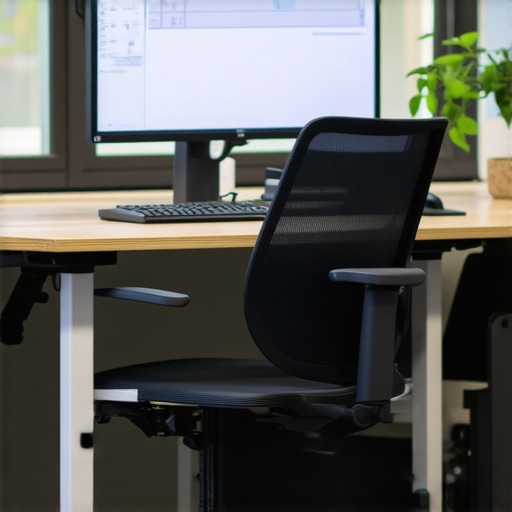
Image prompt: A modern ergonomic workspace with adjustable sit-stand desk, supporting lumbar chair, and monitor at eye level. Alt text: Ergonomic office setup promoting spinal health. Title: Optimizing Your Workspace for Back Health.
Mobility Devices That Drive Progress
Incorporating mobility tools like foam rollers and massage balls helps me release tight muscles and maintain flexibility. I use a short 12-inch foam roller for my lower back and hips, rolling gently after work to prevent stiffness. The massage ball targets trigger points in the neck and shoulders, which are common areas of tension. The 90-90 hip drill is also something I practice regularly—it’s a simple yet powerful move to improve hip mobility and reduce lower back strain. Consistent use of these tools prevents issues from building up and keeps my tissues supple.
Smart Technology for Daily Reminders
Technology can be a silent ally. I utilize apps that prompt me to stretch or change positions every 20-30 minutes, reinforcing good habits. My favorite is a posture reminder app that vibrates gently when I slouch, encouraging me to reset before discomfort worsens. Such cues are vital because they embed healthy routines into busy schedules. According to mobility mastery tips, these small daily adjustments accumulate into significant long-term gains.
Future of Maintenance: Integrating Tech and Routine
Looking ahead, I predict wearables like posture monitors and smart mattresses will become mainstream tools for proactive health management. Imagine real-time feedback from devices that detect poor alignment and suggest corrections automatically—a future where maintenance is integrated seamlessly into daily life. Such innovations will make it easier to prevent pain before it manifests visibly.
How Do I Maintain My Progress Over Time?
Consistency is key. I schedule weekly check-ins with a physical therapist and incorporate new exercises from trusted resources. I also review my ergonomic setup periodically to adapt to changes. For sustained results, it’s vital to combine these tools with good daily habits. To get personalized guidance or ongoing support, I recommend reaching out to professionals at Body Renew Therapy. Keep experimenting with these tools, and don’t hesitate to try the advanced mobility drills mentioned earlier—you might just find your pain relief becomes permanent. Start today by integrating simple tools like the 90-90 hip drill into your routine and watch your progress thrive.
Why Perseverance Outranks Quick Fixes in Pain Relief
One of the hardest lessons I’ve come to understand is that lasting relief from sciatica, neck pain, or back discomfort isn’t achieved through rapid solutions but through consistent effort and patience. Early on, I tried countless shortcuts—hot patches, quick stretches, and restless nights—only to find the pain returning. Slowly, I realized that embracing a daily routine, incorporating ergonomic habits, and listening to my body’s signals paved the way for genuine healing and resilience.
Practicing Patience Unlocks Long-Term Healing
Healing isn’t linear, and that was a tough pill to swallow. I used to expect instant results, but setbacks taught me the importance of persistence. Small, consistent habits—like regular movement, targeted strengthening exercises, and mindful posture adjustments—created a ripple effect that deepened my recovery over time. Now, I approach my health journey with patience, recognizing that true change requires time and dedication.
This Isn’t Just About Flexibility—It’s About Empowerment
Initially, I believed that flexible muscles alone would resolve my discomfort. But over time, I discovered that strength and stability are equally vital. Learning to activate and reinforce my core and supporting muscles made me feel more in control of my body’s responses. This empowerment transformed my approach from reactive to proactive, allowing me to manage flare-ups before they escalated.
The Connection Between Mindset and Pain Management Is Real
I underestimated how significantly mindset influences pain perception. Practicing mindfulness, reducing stress, and approaching recovery with positive expectations shifted my experience from frustration to hope. Adopting a mindset that values consistent effort, patience, and self-compassion has been crucial in my long-term management of pain and mobility.
Resources That Truly Made a Difference
While online tips are plentiful, I found that credible, well-structured resources truly accelerate progress. The comprehensive guides on mobility and back pain management provided me with tailored exercises that addressed my specific issues. Trustworthy information helps avoid common pitfalls and keeps motivation high—investing in the right tools and advice makes the journey more manageable and rewarding.
Keep Moving Forward—You’re Your Best Advocate
Managing sciatica, neck pain, or back discomfort is an ongoing process, but every step forward counts. The breakthroughs happen not after perfection but through persistence. Believe in your capacity to improve, seek support when needed, and stay committed to your health journey. Remember, the most powerful healing tool is your willingness to keep moving, learning, and adapting. You can do this—start today, and embrace the progress ahead.