
4 Warning Signs Your Neck Pain Is Actually a Disc Issue
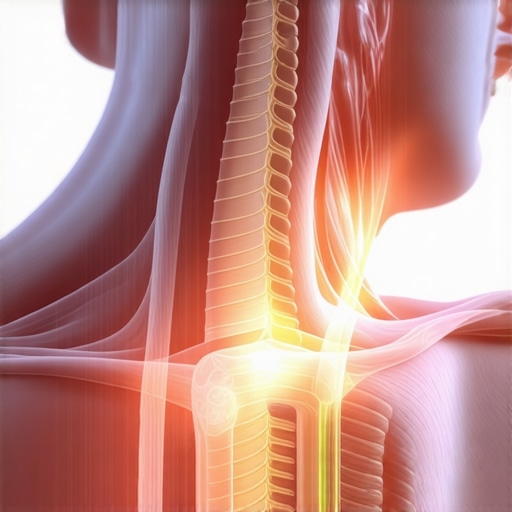
It was a sudden sharp jolt in my neck after turning to glance at a stopped car. My neck locked up like a rusty hinge, and I could barely turn my head without pain shooting down my shoulder. For a moment, I thought I was just stiff from sleeping wrong, but then it kept lingering—worse each day. That realization hit me hard: this wasn’t just tension; it might be something more serious. If you’ve ever experienced a similar scenario, you know how frustrating and scary it can be.
Why Ignoring Neck Pain Could Cost You More Than You Think
Poorly addressed neck pain can hide underlying disc problems that, if left untreated, may lead to more chronic issues or nerve damage. I learned this the hard way—by rushing to dismiss my symptoms as minor, I risked worsening my condition. The truth is, your neck’s health deserves attention, especially if the pain becomes persistent, severe, or comes with other signs. Recognizing early warning signs can be the difference between a quick recovery and a long, painful journey. Today, I want to walk you through the four telltale signs that your neck pain might actually be a disc issue and what actions you should take.
Is Your Neck Pain a Serious Problem or Just Tension?
Looking back, I made the classic mistake of ignoring small discomforts, thinking they would go away. This is common, but often tragic. Early on, I didn’t realize that some symptoms share warning signals with disc problems—like radiating pain or numbness. If you’re asking yourself whether your neck pain is worth a professional assessment, you’re not alone. Many folks fail to understand how serious disc issues can be, especially since the neck is such a vital part of daily life. To avoid similar pitfalls, I suggest keeping an eye out for the signs listed below, and if any resonate, consider seeking expert advice. For more detailed insights, you might want to visit [this resource](https://bodyrenewtherapy.com/is-your-back-pain-a-sign-of-something-more-serious-key-symptoms-to-watch) to understand when back or neck pain indicates something more significant beyond usual tension.
Start with Gentle Mobility Exercises
My first move was to incorporate gentle neck movements, much like warming up a stiff joint before a workout. I found that slow, controlled tilts and rotations helped reduce initial tension and improved circulation. Think of it as loosening a rusty hinge—small, deliberate movements prevent further strain. For instance, I sat comfortably and slowly turned my head side to side, holding each position for a few seconds. This micro-movement technique is crucial in reducing stiffness and preparing your neck for more targeted therapies. To optimize results, combine these with regular breaks when working at a desk; this simple step can stave off further disc compression.
Implement Correct Posture Habits
Next, I tackled my posture, realizing that misalignment like slouching or craning my neck was a root cause of persistent pain. To correct this, I used ergonomic tools—adjusting my monitor height, sitting with my feet flat on the ground, and maintaining a neutral neck position. Imagine your spine as a chain of perfectly stacked blocks; any misalignment adds stress, much like uneven bricks causing a tower to wobble. I also set reminders to check my posture hourly, which was initially awkward but became second nature. Proper ergonomics doesn’t just prevent pain; it preserves disc health, reducing the risk of herniation. For a comprehensive guide on improving your setup, you can visit [this resource](https://bodyrenewtherapy.com/3-simple-fixes-for-your-work-from-home-setup).
Strengthen Supporting Neck and Shoulder Muscles
Building strength in supportive muscles acts like adding bracing to a fragile structure. I incorporated isometric exercises—pressing my hand against my forehead and resisting movement—to target neck muscles without excessive strain. Think of these as the guardrails of a bridge; they stabilize the structure during movement. I also included shoulder blade squeezes to promote better posture and reduce tension that often radiates from weak supporting muscles. These exercises are simple but effective, and I performed them daily, increasing intensity gradually. Strengthening the neck’s natural support system reduces the load on discs, guarding against herniation and nerve compression. For detailed routines, check out [proven techniques for fast recovery](https://bodyrenewtherapy.com/revitalize-your-neck-effective-techniques-for-lasting-pain-relief).
Apply Cold and Heat Therapy Strategically
To manage flare-ups, I used cold packs during acute pain phases and heat therapy for muscle relaxation. For example, after a long day, I placed a cold pack on my neck for 15 minutes—similar to frosting a sprained ankle—to reduce inflammation. Conversely, a warm towel or heating pad helped loosen tight muscles before stretching. Visualize cold as a reset button that minimizes swelling, and heat as a gentle release that melts tension. Be cautious not to overdo heat, as prolonged application can increase inflammation. Alternating these therapies based on symptoms creates a cycle of relief and prepares your muscles for movement. Look into advanced methods at [effective neck pain solutions](https://bodyrenewtherapy.com/neck-pain-solutions-proven-techniques-to-regain-your-range-of-motion).
Incorporate Targeted Self-Massage Techniques
I learned that self-massage with a tennis ball could reach deep knots, similar to a plumber fixing a clogged pipe. I placed the ball against a wall and pressed it into tender spots in my neck and shoulders, rolling gently to release muscle tightness. This process increases blood flow and breaks down adhesions, which can compress nerves or discs. It’s akin to using a manual trigger point tool—effective yet inexpensive. I focused on avoiding bony or sensitive areas to prevent discomfort. Regular self-massage not only alleviates pain but also trains your muscles to stay loose, reducing the likelihood of disc herniation. For best results, combine this with stretches and strengthening exercises. For comprehensive guidance, see [the best way to sleep if you have a herniated disc](https://bodyrenewtherapy.com/the-best-way-to-sleep-if-you-have-a-herniated-disc).
Dispelling the Myth of Rest as a Cure-All
Many believe that bed rest is the best way to recover from back or sciatic pain, but research consistently shows otherwise. Prolonged inactivity can lead to increased stiffness, muscle atrophy, and even further mobility issues. Movement, even gentle, prescribed exercises, helps promote blood flow and facilitates healing. A common misconception is that rest speeds recovery; in fact, staying active within pain limits often yields better outcomes. For nuanced advice tailored to your condition, consult authoritative resources like this article on restoring mobility.
Why Stretching Isn’t Always Your Friend
Stretching is often touted as the go-to remedy for stiffness, but excessive or improper stretching can exacerbate disc problems or nerve irritation. For instance, aggressive hamstring stretches might increase pressure on your lower back, especially if a herniated disc is present. Instead, targeted mobility exercises that focus on safe range-of-motion improvements can help strengthen supportive tissues without risking further injury. Advanced practitioners should consider techniques for breaking the pain cycle effectively.
Common Traps That Sabotage Recovery
A prevalent mistake is ignoring subtle warning signs of nerve involvement, such as burning sensations or numbness, which could indicate nerve root compression. Many fall into the trap of self-diagnosing or delaying professional assessment, risking long-term damage. Recognizing these signs early can make all the difference. Visiting reliable sources like this guide on serious symptoms can help you differentiate between benign pain and something requiring urgent care. Remember, early intervention preserves your mobility and quality of life.
How Can You Differentiate Between Myths and Real Solutions?
Understanding the nuances that separate effective strategies from common misconceptions is crucial. Consulting with qualified clinicians and staying informed through evidence-based resources ensures you’re not misled by quick fixes or unproven remedies. Incorporate expert-approved practices like ergonomic adjustments and strengthening routines found at this guide on ergonomic tips to support your recovery journey. Remember, a well-rounded, personalized approach often beats generic solutions.
Have you ever fallen into this trap? Let me know in the comments or reach out if you’d like tailored advice to overcome your pain challenges.
Keeping It Working: Tools and Maintenance for Lasting Relief
Achieving relief from sciatica, back pain, or neck discomfort is only part of the journey. To ensure these issues don’t resurface, consistent maintenance and the right tools are crucial. Over the years, I’ve refined my approach, relying on specific equipment and routines that keep my mobility optimal and pain levels manageable. In this post, I’ll share what works for me personally and what I recommend for anyone serious about long-term health.
One standout tool in my regimen is a quality foam roller. Not just any foam roller—I’ve found that a dense, high-quality foam roller offers better control and durability. The wall angel move has been instrumental in maintaining thoracic mobility, especially after long desk hours. I incorporate daily rolling sessions focusing on the thoracic spine, hips, and glutes to prevent stiffness that could aggravate nerve tension or disc issues.
Taking it a step further, I use resistance bands for targeted strengthening, particularly for the core and glutes. These bands are inexpensive but powerful, enabling me to perform exercises like hip bridges, clamshells, and gentle resisted bridges— all vital for supporting the lumbar spine. Personally, I perform these routines at least three times a week to preserve the foundations of my posture and reduce load on the discs.
But having tools isn’t enough; maintenance routines matter just as much. I schedule weekly sessions where I revisit ergonomic settings—adjusting my desk height, monitor position, and chair support—to ensure my environment promotes good posture. I also track my pain levels and mobility using a simple journal, so I can notice patterns and adapt my routines proactively.
Looking Ahead: The Future of Maintenance for Back and Neck Health
Emerging technologies like smart posture sensors and AI-guided exercise apps are poised to revolutionize how we manage ongoing health. Imagine an intelligent device that alerts you when your posture begins to slip during work, prompting real-time corrections. As technology advances, I predict integrated approaches combining biofeedback with personalized exercise programming will become the new standard—making maintenance more intuitive and responsive.
How do I keep my back and neck healthy over time?
The key lies in consistent maintenance. Incorporating daily mobility exercises with tools like foam rollers and resistance bands, along with regular ergonomic assessments, creates a solid foundation. For instance, I recommend trying to incorporate targeted stretches and strengthening routines into your routine at least thrice weekly. By doing so, you’re proactively protecting your discs and nerves from degenerative changes. Remember, maintaining your mobility isn’t a one-time fix but a lifelong commitment. For more insight into effective routines, explore these proven techniques for neck pain relief.
If you’re serious about long-term results, consider adding smart posture tools, such as wearable sensors, into your routine. These devices provide immediate feedback, helping you correct habits in real-time. Also, don’t forget the importance of consistent stretching, strengthening, and ergonomic tweaks—you’ll find that integrating these tools and routines reduces the likelihood of setbacks and keeps your mobility steady. As I continue to refine my maintenance habits, I urge you to experiment with one advanced tip I’ve found particularly effective: use a foam roller for daily thoracic mobilization to prevent slouching and nerve tension. It might just be the game-changer in your long-term recovery plan.
What No One Tells You About Spinal Recovery
Over the years, I’ve discovered that the road to lasting relief from neck and back pain involves more than just quick fixes. My biggest lesson has been that consistent, mindful habits trump sporadic treatments. I used to think a massage or a good stretch was enough, but true progress came when I prioritized daily routines—like targeted mobility exercises and ergonomic adjustments—that addressed the root causes. This journey taught me that patience and a proactive mindset are key to maintaining a healthy, pain-free spine.
The Tools That Transformed My Healing Journey
Throughout my recovery, I relied on specific tools that made a real difference. A dense foam roller became my go-to for thoracic mobility, helping me prevent slouching and nerve tension. Resistance bands added strength to my supporting muscles, safeguarding my discs from injury. Regular self-massage with a tennis ball broke down muscle knots that contributed to nerve compression. These tools are accessible and effective, and integrating them into your routine can create a resilient foundation for long-term health. For more insights into maintaining your mobility, check out this guide on neck pain solutions.
Feeling Inspired? Your Next Step Awaits
Remember, achieving sustainable relief from neck and back pain is a personal journey—one that rewards consistency and informed choices. By incorporating simple daily habits, leveraging reliable tools, and seeking expert guidance when needed, you can experience a life where pain no longer controls your day. The key is to start today—small steps lead to significant change over time. Your future self will thank you for the commitment to your spinal health. Ready to embrace a healthier, more mobile life?
What challenges have you faced in establishing routines for neck or back pain relief? Share your experiences below, and let’s support each other on the path to wellness.
,