
Stop Stretching Your Hamstrings if Your Lower Back Still Hurts
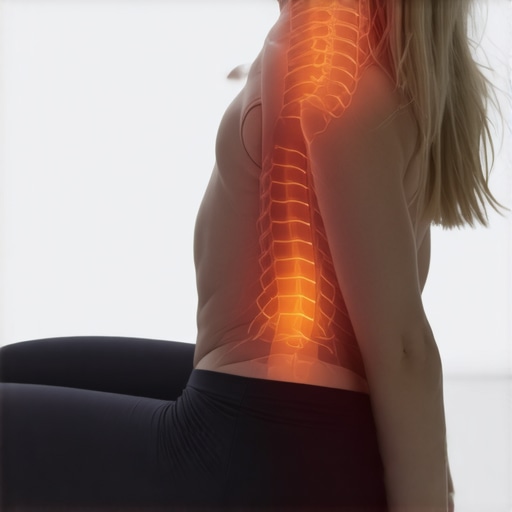
Have you ever spent months pulling at your hamstrings, only to find your lower back still nagging you with pain? I remember the moment I realized this mistake—after countless stretches and no real relief, it hit me: I was approaching my back pain all wrong. That was my lightbulb moment: maybe stretching isn’t the fix I thought it was. So, today, I want to share what I discovered about why stopping the hamstring stretch obsession was the key to finally easing my lower back troubles.
The Real Reason Your Lower Back Won’t Get Better
Here’s the truth: if your lower back still hurts despite stretching your hamstrings daily, you’re not alone. Many people, myself included, fall into the trap of believing tight hamstrings are the root cause. But often, the pain persists because the issue is deeper—linked to poor posture, weak core muscles, or even nerve irritation. For me, focusing solely on hamstrings overlooked what my body desperately needed: better movement patterns and addressing the actual source of the pain.
Question: Is Continuous Hamstring Stretching a Waste of Time?
At first, I thought more stretching would loosen everything up. Turns out, it’s not that simple. Studies show that excessive stretching without addressing foundational mobility can actually make your pain worse (source: Body Renew Therapy). Early on, I fell into the common mistake of believing that tight hamstrings caused my back pain, and I kept stretching in hopes of relief. But the real breakthrough was recognizing that I needed to look beyond the hamstrings and focus on my entire movement system.
If you’ve been stuck in this pattern, you’re probably wondering if there’s a better way. Well, that’s exactly what we’ll explore next—simple, effective strategies to get your back healthy without endlessly stretching those hamstrings. Ready to discover the truth and finally find relief? Let’s go.
Reset Your Movement Patterns
Start by assessing how you move daily. I vividly remember fumbling through a simple hip hinge tutorial, struggling to maintain proper posture. To correct this, I stood in front of a mirror, practicing hip hinges—bushing my hips back, keeping my chest up, and engaging my core. This helped me realize how much my habitual poor movement was contributing to back strain. Focus on relearning natural movement patterns instead of just stretching—think of it as fixing the root cause that ails you.
Implement Targeted Mobility Exercises
Once basic movement is restructured, incorporate mobility drills that enhance spinal and hip flexibility. Simplified versions of nerve glides and hip circles, performed consistently, can drastically improve your range of motion. For example, I dedicated five minutes daily to gentle hip circles, which eased tightness and reduced nerve tension. These exercises act like unlocking your body’s sticky joints, allowing for smoother, pain-free movement. Discover effective mobility routines here.
Strengthen Core for Spinal Support
My breakthrough came when I prioritized core stabilization. Planks, side planks, and pelvic tilts are simple yet powerful. During a particularly painful day, I knocked out a set of plank holds, focusing on activating deep abdominal muscles. Strengthening these muscles provides natural support to your lower back, much like a stirrup stabilizes a horse. Better core support reduces reliance on passive stretches and keeps your back healthier longer.
Eradicate Poor Posture Habits
Posture is often overlooked but critical. I noticed that sitting for long hours in a slouched position worsened my pain. I used reminders and ergonomic adjustments to maintain neutral spine positioning—this means your ears, shoulders, hips, and ankles form a straight line. Small changes like adjusting chair height, using lumbar supports, and taking frequent breaks can prevent aggravating your pain. To dive into posture corrections, read this guide.
Practice Smooth Nerve Glides
When nerve tension flares up, nerve gliding exercises can be game-changers. I recall performing gentle sciatic nerve slides, moving my leg in specific ways that encourage nerve mobility. This reduces shooting pains and alleviates pinched nerve symptoms. Think of nerves like cables that need flexible routing—if kinked or stretched too tight, pain occurs. Regularly practicing nerve glides can prevent these issues from worsening.
Prioritize Restorative Movement Over Endless Stretching
Finally, avoid the trap of repetitive hamstring stretching. Instead, listen to your body and focus on restoring movement quality. For instance, gentle walking and controlled yoga poses can keep your muscles and joints active without overstressing. I found that integrating these into my routine, along with proper hydration and recovery, had lasting benefits. Learn more about this shift here.
Many believe that increasing flexibility through stretching is the key to relieving neck, back, or sciatic pain. However, this common misconception overlooks the nuanced truth: mobility isn’t just about how much you can stretch but how well your movement patterns address underlying issues. For instance, many focus solely on hamstring flexibility, expecting it to alleviate lower back pain, yet fail to consider how poor posture or core instability contribute more significantly. This oversimplification can lead to temporary relief at best, and worsening symptoms at worst. Researchers like Dr. Stuart McGill emphasize that spinal health hinges on coordinated movement and core stability rather than mere flexibility, highlighting the importance of targeted strengthening over passive stretching. An advanced mistake I see often is assuming that tight muscles are always the root cause, leading to endless stretching routines. Instead, focusing on functional mobility and movement retraining offers sustainable relief. For example, practicing proper hip hinge mechanics and nerve glides enhances nerve mobility and joint health more effectively than repetitive hamstring stretches. Be wary of the trap of knee-jerk stretching without a comprehensive movement assessment. Introducing small, controlled mobility exercises can unlock restrictions and prevent injuries, especially when combined with posture correction strategies. Remember, true mobility is about restoring natural, pain-free movement patterns, not just increasing flexibility. For deeper insights, explore how posture impacts spinal health or learn about personalized mobility routines that prevent pain recurrence. Have you ever fallen into this trap? Let me know in the comments.
Maintaining your mobility, especially as you address neck pain, sciatica, or back issues, requires more than just routine exercises—it calls for the right tools and techniques to ensure consistent progress. Over the years, I’ve integrated specific equipment and methods into my routine that have proven invaluable in sustaining long-term results. These not only help me stay on track but also give me the confidence that I’m actively supporting my body’s healing and resilience.
Investing in Quality Equipment for Lasting Mobility
One of my go-to tools is a high-density foam roller. I prefer the dense variety because it offers more targeted pressure, which helps break down scar tissue and improve my fascia flexibility. I use it daily, especially after mobility drills, to enhance muscle recovery and prevent stiffness that can undo weeks of progress. Additionally, I keep a set of resistance bands—specifically, loop bands with moderate tension—to facilitate strengthening exercises focused on my core and hips. These bands make it easy to perform controlled activations that are crucial for spinal support and nerve mobility.
For nerve gliding exercises, I recently started using a foam roller with a gentle vibration feature. As highlighted in recent studies, vibration therapy can increase blood flow and improve tissue elasticity, making nerve mobility work more effective (source: related post). It’s been a game changer in easing nerve tension and preventing flare-ups of sciatica.
Harnessing Technology for Better Movement Tracking
Beyond physical tools, I rely heavily on a mobility tracking app that monitors my daily movement patterns and reminds me to perform mobility drills throughout the day. These apps, coupled with wearable sensors, allow me to get real-time feedback on my posture and movement quality, making it easier to correct poor habits before they turn into chronic issues. Looking ahead, I predict that AI-powered movement analysis will become even more sophisticated, providing personalized routines tailored exactly to your body’s needs, further empowering long-term maintenance.
Creating a Consistent Routine That Stays Effective
What truly makes these tools effective is consistency. I set aside specific times each day—usually morning and evening—to roll, activate my core with resistance bands, and review my movement data. This approach ensures I sustain improvements and prevent regressions caused by neglect. Remember, maintenance is an active process; it’s about choosing the right tools and committing to a routine that fits your lifestyle.
To improve your long-term mobility, I encourage you to try incorporating a vibration-enabled foam roller or resistance bands into your daily routine. Combining these with app-based tracking can significantly enhance your progress and help you stay pain-free for years to come. For comprehensive strategies, explore this resource.
Remember: investing in the right tools isn’t just about quick fixes—it’s about building sustainable habits that keep you moving comfortably day after day. Are you ready to elevate your mobility routine? Start today by adding a high-quality foam roller and tracking your progress with an app. Your future self will thank you.
My Unexpected Revelations About Mobility and Pain Relief
One of the most profound lessons I learned was that quick fixes don’t lead to lasting results. Rushing into stretches or isolated exercises often masks symptoms rather than addressing root causes, and I realized patience combined with strategic movement is vital.
I discovered that listening to my body’s unique responses guided me better than following generic routines. Sometimes, what helped me recover was not doing more but doing differently — focusing on quality, control, and awareness during every movement.
Another eye-opener was the importance of integrating mind and body. Techniques like mindful breathing and engaging deep core muscles created a foundation for sustainable healing, reminding me that recovery isn’t just physical but mental too.
Lastly, I learned that consistency in using the right tools and routines supercharged my progress. Small daily actions, rooted in understanding my body’s signals, became powerful catalysts for change, rather than fleeting moments of relief.
Comments are closed.