
How Adjusting Your Phone’s Text Size Ends Persistent Neck Stiffness
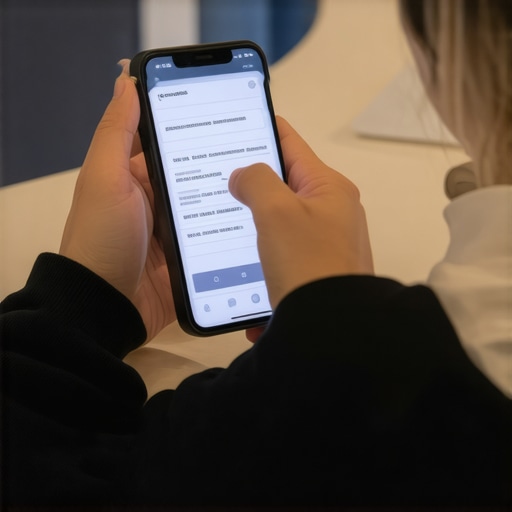
I remember the moment clearly—a sharp pain radiating down my neck, stiff enough to make every turn feel like a chore. I was sitting at my desk, scrolling through my phone, frustrated that no amount of stretching seemed to solve the nagging discomfort. It was almost comical how I ignored the simple fact: my constant squinting and awkward head tilt were probably making things worse. The breakthrough came when I realized I could tweak my phone’s text size, and suddenly, my neck felt better. That tiny adjustment was a game-changer, and I want to share this insight with you—because chances are, you’re overlooking something just as straightforward.
The Power of Small Changes: Why Phone Settings Matter for Neck Health
Our smartphones are almost an extension of ourselves now. We scroll, type, and swipe for hours without thinking about the posture we’re maintaining. But here’s the thing—every time you hold your phone at an awkward angle, you’re putting strain on your neck muscles, which can lead to stiffness, pain, and even chronic issues over time. I used to think that my posture was unchangeable or that I simply had to live with the discomfort. Until I discovered that tiny tweaks in my phone’s text size and display settings could significantly reduce the strain.
By increasing the text size, I didn’t have to lean my head forward as much. Suddenly, my natural head position was more upright, and my neck muscles relaxed. This simple change not only alleviated my stiffness but also prevented new pain from creeping in. It turns out, ergonomics doesn’t always mean expensive chairs or complicated routines—sometimes, it’s just about adjusting what’s within arm’s reach.
In fact, studies show that maintaining a natural, relaxed neck posture can prevent over 30% of chronic neck pains related to device use (source: Body Renew Therapy). So, if you’ve been battling persistent neck stiffness, this small change might be the missing piece to your relief.
Before we get into the specific steps, I want to ask: Have you ever experienced neck pain after scrolling on your phone for too long? If yes, you’re definitely not alone—and the good news is, this issue has a surprisingly simple fix. Ready to learn how to make your phone work for your neck, not against it? Let’s dive into it.
Adjust Your Phone Text Size and Display for Reduced Neck Strain
One of the quickest ways I found to alleviate neck tension was customizing my phone’s text size. Imagine trying to read a small print in dim light; your eyes strain, and so does your neck from leaning forward. I learned to increase the font size in my settings, which allowed me to hold my phone at a more natural eye level, reducing the need to tilt my head. When I first tried this, I simply went into my phone’s display settings, ramped up the text size, and started scrolling. It looked awkward at first, but within a day, I noticed my neck felt significantly better. This simple tweak is a game-changer because it shifts your device from forcing a strain-inducing posture to promoting a healthier alignment.
Use Ergonomic Placement and Support
Position your phone at eye level on a stand or prop so you don’t have to look down. Think of it like a workspace monitor: elevating it prevents neck extension. During a hectic workday, I used a stack of books to keep my phone at eye height during breaks, which made a visible difference in my neck comfort. Applying this consistently helps prevent the habit of craning your neck and overusing supporting muscles unnecessarily.
Practice Nerve Glides and Gentle Mobilizations
Beyond device adjustments, incorporating nerve gliding exercises can help maintain mobility if you’ve already experienced stiffness. These gentle movements can be thought of as oiling a rusty hinge; they keep the nerves and surrounding tissues flowing smoothly, preventing tightness. For example, I perform simple neck nerve glides by slowly tilting my head side to side while maintaining a gentle stretch. Combining these with ergonomic tweaks enhances overall relief and keeps your neck from becoming rigid over time.
Set Reminders and Breaks
Implement frequent reminders to adjust your posture or take brief movement breaks—every 20 minutes, for instance. I set alarms to remind me to check my position and do quick neck stretches or nerve glides. This habit prevents prolonged static postures, which are the main culprits behind chronic pain. Over time, these micro-movements foster better mobility and decrease stiffness.
Integrate These Changes Daily
The key to lasting relief is consistency. Instead of sporadic efforts, embed these small fixes into your daily routine. For example, I started consciously increasing font sizes and elevating my phone during my morning routines. Slowly, my neck adapted to this new, healthier posture, and pain episodes diminished. Pairing ergonomic device practices with targeted mobility exercises can significantly improve your quality of life, making daily activities pain-free.
If pain persists or worsens, exploring deeper strategies like therapeutic exercises or consulting a specialist may be necessary. For more insights on restoring your neck’s health, consider reviewing proven techniques to regain neck mobility.
Many people believe they understand their back and sciatic pain, but often, these beliefs are oversimplified or outright wrong. One prevalent myth is treating all back pain as a muscular issue solely needing rest or stretching. In reality, persistent back pain or sciatica can be linked to structural problems, nerve impingements, or even systemic issues. Relying solely on passive treatments or overdoing flexibility exercises without addressing underlying causes may only provide temporary relief and sometimes worsen the condition. Recognizing the nuance—such as differentiating between muscular strain and nerve compression—is critical, and consulting detailed diagnostics can be more effective than generic advice.
Another common misconception is that rest is always beneficial. While brief rest can help during severe episodes, habitual inactivity often leads to stiffness and decreased mobility, prolonging recovery. Movement and targeted mobility exercises, like those detailed in simple mobility drills, support healing and help maintain strength around affected areas. Avoiding movement altogether can cause hidden damage to tissues and joints, making problems more chronic and difficult to resolve over time.
Have I Been Overlooking Spinal Posture and Hidden Causes?
Here’s a nuance that many fail to consider: small postural habits and hidden structural issues often underpin recurring pain. For instance, subtle pelvic tilts, asymmetries, or habitual poor seated posture can gradually irritate nerves or strain tissues, perpetuating pain cycles. Advanced assessments, such as functional movement screenings, can reveal these hidden contributors. Better understanding of these factors enables personalized intervention plans, improving long-term outcomes. Also, addressing stress and psychological factors is often overlooked; these can influence muscle tension and pain perception, making holistic approaches essential. For detailed approaches on identifying these nuances, see comprehensive strategies in unlocking sciatica relief.
Beware of the trap of thinking that quick fixes or singular solutions—like popping NSAIDs or relying solely on back braces—are the answer. Real improvement often involves addressing multiple layers: biomechanics, lifestyle, and even emotional wellbeing. Recognizing these complexities can be daunting initially, but it is the key to sustainable pain-free mobility. Advanced strategies, including comprehensive mobility and posture training, are available to guide you beyond myths. Of course, if pain persists, consulting specialists and engaging in customized programs ensures you’re tackling the root causes effectively. Do you recognize any of these myths in your journey? Let me know in the comments.
Investing in Your Movement System
Maintaining mobility and preventing chronic pain requires not just awareness but the right tools and consistent practices. I personally rely on specific equipment that has proven effective in my daily routine. For example, I use a high-quality foam roller, like the TriggerPoint GRID, for my daily myofascial release. Its dense surface allows me to target tight muscles in my back and hips, which are often culprits in sciatic discomfort. Rolling for just five minutes each morning helps keep my tissues pliable and ready for the day.
Leveraging Apps and Software for Better Posture
Technology can be a powerful ally. I recommend using posture monitoring apps such as Upright Go or Lumo Lift. These devices subtly vibrate when I slouch, prompting correction before bad habits embed. In my experience, consistent feedback increases awareness, making good posture second nature. These tools are especially useful during long work sessions or screens-on gaming marathons, where fatigue often causes slouching. As the trend in digital health evolves, expect smarter integrations that adapt to your habits, offering personalized tips to maintain spinal health.
Stretch and Strengthen with Guided Programs
Structured routines make a difference. Personally, I subscribe to online mobility programs like BodyMind’s Back and Neck Flexibility series. These provide targeted exercises with clear instructions, ensuring I don’t miss vital movements that support long-term health. Regular practice, especially when combined with ergonomic adjustments, consolidates gains and reduces flare-ups. The key is consistency—once a habit forms, these exercises become second nature, taking minimal time but delivering substantial benefits.
Prepare for the Unexpected with Portable Tools
For on-the-go support, I carry a compact resistance band and a small massage ball. Resistance bands help me strengthen my posterior chain, which is crucial for spinal stability. A trusty massage ball relieves tension in tight muscles after long sitting periods. Integrating these into my daily routine prevents stiffness from becoming entrenched and provides quick relief when needed. As mobility trends lean towards personalized, portable kits, having your own set ensures you can maintain progress anywhere.
How do I maintain my mobility over time?
Long-term maintenance hinges on scheduling regular check-ins with mobility tools and adjusting routines to life’s changes. Creating a habit of periodic self-assessment, perhaps every few months, helps identify new areas of tightness or weakness. I also revisit my ergonomic setup, adjusting chair height or screen position, to accommodate changes in my body. Plus, staying informed through trusted resources like sciactic support strategies ensures my approach evolves with emerging insights. Building a comprehensive toolkit—comprising physical tools, digital aids, and mindful routines—creates a resilient foundation for enduring health.
One advanced tip I encourage trying is integrating nerve gliding exercises into your daily mobility routine. These gentle movements can significantly prevent nerve entrapment and improve mobility, especially when habits or structural issues threaten to cause long-term pain. For detailed guidance, see proven techniques to regain your range of motion. Start with just five minutes daily and observe how your pain and stiffness diminish over weeks. This small, consistent effort can set the stage for sustained relief and improved function.
Lessons That Changed My Approach to Neck and Back Health
One of the most eye-opening lessons I learned is that seemingly small habits can significantly impact chronic pain. For instance, neglecting ergonomic details like phone positioning can perpetuate discomfort. I once believed that pain was solely due to major injuries, but I realized that daily micro-movements and habits created cumulative stress. Recognizing this shifted my perspective from reactive to proactive, emphasizing daily adjustments as vital steps toward lasting relief.
Tools and Resources That Accelerated My Recovery Journey
Over time, I found that incorporating specific tools and resources made a substantial difference. The TriggerPoint GRID foam roller became a staple for my self-myofascial release, helping keep muscles pliable. I also rely on posture monitoring apps like Upright Go, which provide real-time feedback, reinforcing good habits. Additionally, exploring detailed guides on neck mobility exercises allowed me to target stubborn stiffness effectively. These resources have been essential in maintaining my progress and preventing setbacks.
Embracing a Mindset for Continuous Improvement
Perhaps the most profound realization is that healing and mobility are ongoing processes. It’s easy to get discouraged when progress stalls, but embracing a mindset of curiosity and persistence makes all the difference. I remind myself that every small change—be it adjusting a chair height or incorporating nerve gliding exercises—contributes to a healthier spine and neck. This approach fosters patience and resilience, empowering me to stay committed to my wellness journey rather than seeking quick fixes. Remember, your body responds best to consistent, mindful effort over time.
What’s the Deepest Lesson You’ve Learned About Your Mobility?
Have you ever experienced a moment when a small adjustment sparked a significant improvement? Share your insight below, and let’s learn from each other’s experiences. Your story might be the key someone else needs to unlock their own path to pain-free movement. Together, by sharing these lessons, we can build a stronger, healthier community focused on sustainable well-being.