
5 Subtle Desk Adjustments to Stop That Burning Shoulder Blade Ache
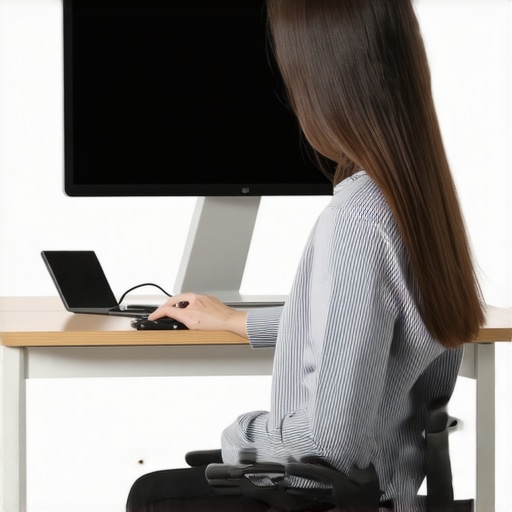
It was a quiet Tuesday afternoon when I finally hit my breaking point. I’d been seated at my desk for hours, mindlessly scrolling through emails, when an unrelenting burning sensation flared up between my shoulder blades. The kind that makes you stop mid-sentence and lean into the pain, wondering if it’s just a bad posture day or something more serious. That moment was a lightbulb for me—realizing how tiny, unnoticed changes in my workspace could make all the difference.
Since then, I’ve experimented with small tweaks, and let me tell you, the relief I found was nothing short of remarkable. If you’ve ever felt that dull ache morph into a sharp, burning pain, you know exactly what I mean. Today, I want to share those subtle desk adjustments that helped me—and might help you—prevent or banish that irritating, persistent discomfort.
Why Your Desk Setup Might Be Sabotaging Your Comfort
Sitting at a desk isn’t just about comfort; it’s about alignment. Poor posture and improper ergonomics can silently chip away at your musculoskeletal health, leading to chronic pain and even nerve impingements. For many, the shoulder blade ache is just a warning sign of deeper imbalances caused by repetitive habits and not-so-obvious workspace inaccuracies.
Early on, I made a common mistake: overlooking the importance of monitor height and arm support. I thought I could endure the discomfort, but eventually, it worsened. According to a study published in the Journal of Occupational and Environmental Medicine, improper workstation design is one of the leading causes of shoulder and neck pain among desk workers. Recognizing this, I began tweaking my workspace, little by little.
Now, I focus on quick, effective adjustments—like raising my monitor to eye level, adapting my chair’s height, and using supportive peripherals—that collectively create a more nourishing environment for my spine and shoulders.
< h3 >Is It Worth the Effort? Can’t I Just Pop a Painkiller?< /h3 >
Early in my journey, I believed temporary solutions like painkillers could fix the issue. But that only masked the problem, often making me complacent about making real changes. The real breakthrough came when I prioritized understanding my posture and making subtle corrections—an approach supported by experts who emphasize proactive ergonomics over reactive pain management. If you’re skeptical, ask yourself: have I tried just
Adjust Your Chair for Better Support
Start by setting your chair height so your feet rest flat on the floor and your knees form a 90-degree angle. Sit back fully, ensuring your lower back presses against the chair’s lumbar support. I once spent half an hour fiddling with my chair height, which instantly relieved the tension I felt after long hours at my desk. Proper chair support prevents your psoas and lumbar muscles from overworking, reducing pain.
Position Your Monitor at Eye Level
Place your monitor so the top of the screen is at or just below eye level. Using a stack of books or an adjustable stand can help achieve this. I remember stacking a couple of old phone books under my monitor, and the next day, my neck and shoulder discomfort diminished significantly. Keeping your head aligned with your spine averts forward head posture, which strains shoulder blades and neck muscles.
Optimize Your Keyboard and Mouse Placement
Position your keyboard and mouse so they are close enough to prevent reaching. Your elbows should stay near your sides, bent at about 90 degrees. I once extended my arm to reach for my mouse, leading to a burning sensation in my shoulder. Moving these peripherals closer eliminated that issue. This prevents shoulder impingement and reduces muscle fatigue.
Use Supportive Accessories Wisely
Add a lumbar roll or cushion to maintain the natural curve of your lower back. Wrist supports can alleviate strain when typing for long periods. I experimented with lumbar cushions, quickly noticing a dramatic drop in lower back discomfort. These simple tools stabilize your spine and balance muscular load, preventing overcompensation that causes shoulder blade pain.
Incorporate Micro-Movements Throughout the Day
Take short breaks every 30 minutes to stretch or change positions. Simple neck rolls or shoulder shrugs can break the cycle of muscle tightness. I adopted a habit of stretching my shoulders during calls, which kept my muscles flexible and less prone to spasm. Movements like these improve blood flow and reduce the risk of nerve compression in the neck and shoulders.
Test Your Setup Regularly
Every few weeks, reassess your workspace. Are your monitors still at eye level? Are your chair adjustments still comfortable? Sometimes, minor changes in your body or equipment can reintroduce strain. Keeping an eye on these details ensures sustained relief and prevents small discomforts from escalating.
Leverage Ergonomic Principles for Lasting Relief
Applying these concrete steps helps create a supportive environment for your musculoskeletal health. Remember, the goal is to mimic the natural posture your body is built for, reducing compensatory strain and discomfort. For more in-depth techniques, check out simple exercises to boost back mobility or understanding the connection between posture and pain. Regular adjustments and mindful habits are your best defense against persistent pain.When it comes to managing back, neck, or sciatica pain, many people rely on common advice: stretch more, strengthen your core, or take painkillers. While these approaches have their place, they often overlook a subtle yet crucial aspect—how the body’s structural nuances and unfaced habits contribute to persistent discomfort. Let’s dig deeper into what most overlook and how understanding these hidden details can transform your pain management strategy.
Which Myths Are Sabotaging Your Progress?<;/h3>One prevalent myth is that stiffness or limited mobility is always the root cause of pain, leading many to focus solely on flexibility exercises. In reality, tightness can sometimes be a compensatory response to instability or misalignments elsewhere in the kinetic chain. For instance, excessive hamstring stretching without addressing pelvic stability may worsen lower back issues, as noted in recent research on movement patterns. Instead of blindly stretching, consider evaluating your movement habits and structural support—this nuanced understanding can accelerate recovery.Avoid the Pitfall of Oversimplifying Pain Symptoms
Many assume that all sciatic nerve pain results from a herniated disc or direct nerve compression. However, studies suggest that muscular imbalances, joint restrictions, or even subtle pelvic misalignments often play a significant role. For example, tight hip flexors can induce anterior pelvic tilt, increasing pressure on lumbar discs and sciatic nerves, even without noticeable disc pathology. Recognizing these less obvious contributors helps in designing targeted, durable solutions instead of temporary fixes like foam rolling alone. For more on how posture and joint mobility interrelate, check out this guide on [understanding the link between poor posture and pain](https://bodyrenewtherapy.com/understanding-the-link-between-poor-posture-and-chronic-back-pain).
Why Strengthening Isn’t Always the Answer
While core stabilizers are essential, overly focusing on them can be counterproductive if your form or movement patterns are flawed. For instance, strong but hypermobile joints may lack stability, leading to ongoing strain and discomfort. Advanced practitioners know that integrating proprioception and neuromuscular training ensures muscles activate appropriately, supporting proper alignment. This approach prevents the common mistake of strengthening in isolation, which often ignores the complex interplay of mobility, stability, and motor control. If this sounds like you, exploring [mobility mastery tips](https://bodyrenewtherapy.com/mobility-mastery-daily-tips-to-keep-your-spine-and-joints-healthy) can help address these intricacies.

Have you ever fallen into this trap? Let me know in the comments and share your experiences! Remember, the path to lasting relief often lies in uncovering and addressing these hidden nuances rather than just reacting to symptoms.Maintaining mobility and alleviating chronic discomfort requires not just good habits but also the right equipment. Over years of personal experience and consultation with experts, I’ve curated a set of tools and methods that truly make a difference in managing and preventing back, neck, and sciatica pain. Prioritizing quality and specificity ensures these tools address underlying issues rather than just surface symptoms.
One indispensable device I personally use daily is the *ergonomic adjustable standing desk*. Unlike static desks, this allows me to switch between sitting and standing, reducing prolonged strain. When choosing one, I look for models with smooth height adjustment, sturdy build, and a spacious surface to accommodate my essentials. This flexibility helps me avoid the pitfalls of static postures and promotes circulation, which is crucial for long-term spinal health.
Complementing the desk, I rely heavily on *myo-fascial release tools*, particularly a **Tennis ball or the TriggerPoint foam roller**. I incorporate daily rollouts focusing on tight spots around my hips, lower back, and肩敏—areas prone to muscular knots that exacerbate nerve impingements. These tools are exceptional for breaking up adhesions and promoting blood flow, which accelerates recovery. The key is consistency; I recommend dedicating 5–10 minutes daily for targeted self-massage.
For flexibility and mobility, I swear by **resistance bands**. They are versatile and portable, supporting gentle stretching and strengthening routines. I particularly do hip flexor stretches and shoulder mobility exercises with them, as studies show these areas significantly impact overall spinal alignment.
When it comes to software, I advocate for tools like **Posture Monitor apps** (for example, UPRIGHT or Lumo Lift). These remind you to maintain proper alignment throughout the day, especially if your work involves long periods at a desk. I’ve found that such real-time feedback cultivates mindful habits, preventing subtle misalignments from becoming chronic issues.
Looking ahead, the trend is moving toward integrated health tech, blending biofeedback with AI-driven insights to personalize ergonomic adjustments. Companies are developing smart desks with embedded sensors that detect posture deviations and suggest corrections in real-time, promising even more effective long-term strategies.
How do I maintain these tools over time? Regularly inspecting and replacing worn-out items, updating apps, and calibrating smart devices ensures continued effectiveness. I schedule biannual reviews of my ergonomic setup—assessing if my seated posture has shifted or if new pains emerge—and adjust tools accordingly. Also, investing in quality equipment prevents frequent replacements and ensures longevity.
A pro tip for those serious about long-term health: integrate specific mobility exercises from trusted sources like [mobility mastery tips](https://bodyrenewtherapy.com/mobility-mastery-daily-tips-to-keep-your-spine-and-joints-healthy). For instance, I recommend trying the *Pelvic Reset Moves* to re-align your pelvis and prevent nerve compression.
Don’t hesitate to experiment with one tool—like incorporating a resistance band in your morning routine—and see immediate relief. Small, consistent adjustments with quality tools can profoundly impact your mobility and pain levels. Want to start today? Try the *2-minute hip reset* and observe how your discomfort diminishes over time. Remember, staying proactive is the best strategy for lasting spinal health and mobility.
What I Wish I Knew About the Power of Subtle Shifts
One of the most eye-opening lessons I learned was that small, consistent adjustments—like aligning my monitor or fine-tuning my chair—can prevent chronic pain rather than just reacting to it. Over time, I realized that designing my workspace with intention can serve as a powerful form of self-care, freeing me from the cycle of discomfort.
Why Ignoring Ergonomics Can Cost You Dearly
Initially, I dismissed ergonomic tweaks as minor. But ignoring these seemingly small changes led to prolonged pain and even affected my overall well-being. Now, I see proactive ergonomics as an investment in my health—something that pays dividends in mobility and vitality every day.
My Deepest Regret: Overlooking My Posture’s Impact
I used to think that stretching and strengthening alone would solve my issues. However, neglecting the root cause—a misaligned posture—only masked the pain temporarily. Recognizing the importance of maintenance habits and structural awareness was a breakthrough that deepened my understanding and improved my results.
My Essential Toolkit for Lasting Comfort
Among the tools I trust are an adjustable standing desk, foam rollers, resistance bands, and posture reminder apps. These aren’t just items; they’re allies in my daily routine that empower me to sustain mobility and prevent flare-ups. Choosing quality and purpose has made all the difference.
Feeling Inspired? Your Next Step Awaits
Embracing nuanced ergonomic habits has been transformative for me, and I believe your journey can be just as rewarding. Remember, uncovering these subtle elements often holds the key to lasting relief. Take that first small step today—your future self will thank you!