
The Simple Hip Reset That Stops Lower Back Pain After a Long Flight

Have you ever finished a long-haul flight feeling like your lower back was about to give out? I have, more times than I can count. That dull, nagging ache creeping in during the descent, worsening after you finally drag yourself off the plane. It’s a familiar, unwelcome friend to many travelers—and honestly, it’s pretty frustrating. I used to shrug it off as just part of traveling, but I realized there had to be a better way.
It wasn’t until I started paying close attention to my hips and how they moved—especially after sitting for hours—that I stumbled onto a simple trick that made a real difference. What I learned is that often, those post-flight back pains aren’t just about muscles getting stiff; they’re about how our hips are functioning and how that, in turn, affects our lower back.
Why Your Hips Might Be the Culprit of That Post-Flight Back Pain
When you sit for a long time, especially during flights, your hips can tighten up and lose mobility. This restricted movement doesn’t just make your hips feel tight—it can pull your entire lower back out of alignment, leading to discomfort or even pain. Interestingly, research shows that prolonged sitting can diminish hip flexibility and mobility, which directly impacts spinal health (see [here](https://bodyrenewtherapy.com/understanding-the-link-between-poor-posture-and-chronic-back-pain)).
Initially, I made a common mistake: I ignored the importance of hip mobility and focused solely on my back muscles. Big mistake. That oversight meant I kept falling into the same pattern of pain, thinking it was inevitable. But once I started incorporating quick, targeted hip resets into my routine, things changed.
Imagine this: a simple move that takes less than a minute, yet resets your hips and helps prevent that stubborn back pain from ruining your post-flight experience. Sounds good, right? That’s what I’ll share next—my personal favorite hip reset that’s become a game-changer for me and many others.
Perform the Hip Reset Movement
Start by lying on your back on a flat surface, like a bed or the floor. Bring your knees up so your feet are flat on the ground, hip-width apart. Keep your arms relaxed by your sides. Gently drop both knees to one side, keeping your shoulders flat against the floor. Hold for a few seconds, then slowly bring your knees back to the center and drop them to the other side. Repeat this side-to-side motion for about 30 seconds. During the movement, think of your hips as a door hinge—allowing smooth, controlled motion without forcing. This simple action helps reset tight hips that can pull your lower back out of alignment, reducing pain and stiffness after long flights.
Personal Experience That Made a Difference
Once, during a trip back from Asia, my lower back started aching severely during the descent. I remembered this move from a previous routine and quickly performed it in my seat—knees side to side, gently. Within a minute, the tension eased noticeably. When I finally arrived, I felt less stiff, and the usual post-flight pain was minimal. It was messy at first—knees wobbling, trying not to disturb my seatmate—but the relief was real and immediate. Incorporating this quick hip reset became my go-to habit, especially on travel days, making a tangible difference in my comfort and mobility.
Integrate the Move Into Your Routine
Make this practice a part of your post-flight or after long periods of sitting. Keep in mind, tight hips not only cause discomfort but can negatively impact your spinal health over time. This move is simple, fast, and effective—and you can do it almost anywhere. For additional tips on maintaining optimal mobility, visit this guide on everyday ergonomic improvements. Don’t forget, if your back pain persists or worsens, assessing for more serious conditions is wise—see here for key symptoms.
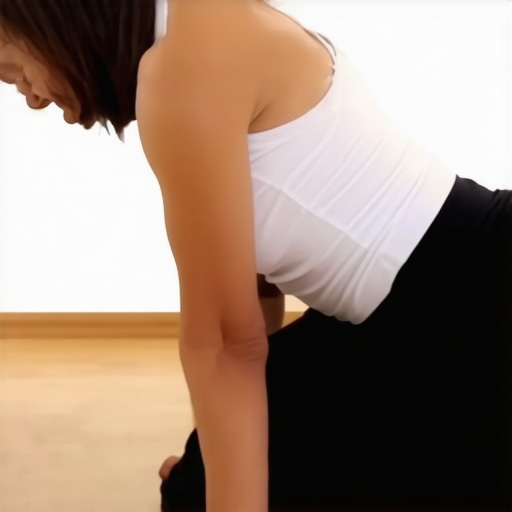 Many assume that back, neck pain, or sciatica are simply isolated issues caused by muscle strains or minor injuries. However, this oversimplification often leads to overlooked nuances that are crucial for effective treatment and prevention. One widespread myth is that strengthening exercises alone can resolve chronic pain, but in reality, without addressing mobility restrictions and joint health, those efforts may be ineffective or even harmful. For example, focusing solely on core strengthening without improving hip and thoracic spine mobility can exacerbate compensatory patterns, aggravating pain over time. Experts like Dr. Stuart McGill warn against such myopic approaches, emphasizing the importance of a comprehensive assessment of movement patterns rather than isolated exercises.Maintaining a healthy, pain-free back over the long term requires more than just occasional exercises; it demands the right tools, consistent habits, and an understanding of how to adapt as your body changes. One essential tool I personally rely on is a high-quality foam roller, which I use daily to release trigger points and improve my fascia mobility. Unlike generic foam rollers, I prefer a dense, acuball-shaped roller that I can control precisely, targeting deep muscle knots in my lower back and hips. This method helps prevent discomfort from creeping in after long sitting periods, especially if combined with daily mobility routines found in [this guide](https://bodyrenewtherapy.com/mobility-mastery-daily-tips-to-keep-your-spine-and-joints-healthy).
Another critical element is incorporating digital recovery tools. I use biofeedback apps on my smartphone that track my posture and remind me to perform quick resets during sedentary work. Apps like Upright Go or Lumo Lift have transformative potential, providing real-time guidance and accountability—making it easier to stay consistent. These devices connect via Bluetooth, offering gentle alerts when I slouch or hold poor posture, which is often a culprit for developing chronic neck or back pain.
Looking ahead, the trend I see gaining momentum involves integrating wearable technology with personalized, adaptive programs designed through AI algorithms. Imagine a future where your smart wearables analyze your movement patterns and automatically suggest targeted exercises or posture adjustments tailored to your daily activity. This sophisticated approach would reduce the risk of long-term issues by addressing mobility limitations before they worsen.
The question is: How do I maintain my back, neck, or sciatic nerve health as I age? The answer lies in a combination of regular mobility exercises, proactive use of innovative tools, and ongoing education. Establishing a daily routine that includes mobility drills like those detailed in [this article](https://bodyrenewtherapy.com/boost-your-back-mobility-simple-exercises-that-make-a-difference) can drastically reduce stiffness and prevent issues from escalating.
For example, dedicating five minutes each morning to functional movements, combined with weekly sessions using foam rollers or massage balls, can preserve tissue flexibility. Moreover, scheduling periodic assessments with a specialist can help catch potential problems early and customize your program. Remember, the goal is to keep your spine and joints moving smoothly—so don’t neglect the power of simple, consistent habits.
If you’re ready to take an even more advanced step, try integrating these biofeedback tools into your daily routine. Not only do they empower you with real-time data, but they also foster mindfulness about your posture and movement. Consistency is key—invest in these smart solutions, and watch how your mobility and pain levels improve over time. For personalized guidance, don’t hesitate to reach out through our contact page. Regularly updating your approach by leveraging innovative tools and techniques is essential to long-term back health and overall mobility mastery.
Lessons Only Experience Could Teach
One of the most profound lessons I learned is that pain isn’t just about muscles—it’s about movement patterns. Ignoring hip mobility led me down a frustrating path of chronic discomfort. Visiting specialists and seeing what they missed taught me the importance of a holistic approach. Now, I realize that every stretch, move, or tool I incorporate is part of a bigger picture that can truly transform your back health.
Another insight was how anticipation of pain can sometimes make it worse. By proactively using simple moves like the hip reset daily, I not only prevented discomfort but also built confidence in my body’s resilience. It’s a reminder that small, consistent habits pack a powerful punch against long-term issues.
Finally, understanding the role of technology—like biofeedback apps—in maintaining posture made me appreciate how modern tools can empower us. These devices often reveal habits we’re unaware of, enabling targeted interventions that deliver real results. Learning to listen to my body and leverage these tools has been a game-changer, and I hope you find similar empowerment in your mobility journey.
My Go-To Arsenal for Lasting Back Wellness
Beyond basics, I trust the ergonomic improvements guide for daily posture tweaks that make a difference. For deep tissue release, my favorite is a dense acuball roller—it’s precise and helps me target stubborn knots, maintaining fascia health. When I want quick feedback, apps like Upright Go keep me aware of my sitting habits, ensuring poor posture doesn’t sneak back in.
Books like Becoming a Supple Leopard inspire me with science-backed strategies for mobility. They remind me that ongoing education and tools are essential. Finally, I’ve come to rely on routine assessments with professionals—because no matter how much you learn online, expert guidance fine-tunes your progress and keeps setbacks at bay.
Your Next Step with Confidence and Care
The truth is, your mobility and back health are within your control. Starting small—like integrating quick hip resets or using a foam roller—can set you on a path of remarkable change. As technology advances, so do our options for personalized care; embracing these can help prevent future pain and sustain your active lifestyle.
Remember, the journey to a pain-free back isn’t a quick fix but a series of mindful choices. Stay curious, keep experimenting with what works, and celebrate each stride forward. Your mobility doesn’t just restore your pain—it redefines your potential. To explore more about long-term strategies, check out lifestyle changes for sciatic relief and take your journey further.