
Why You Should Never Stretch Your Hamstrings When Your Sciatica Is Active

I still remember the moment vividly—one morning, after another restless night of throbbing pain radiating down my leg, I reached for my favorite stretching routine, desperately hoping to find relief. As I pushed into that hamstring stretch, a sudden sharp jolt shot through my lower back and leg. That lightbulb moment hit me hard: some stretches might be doing more harm than good, especially when dealing with active sciatica. If you’ve ever experienced this kind of warning sign, you’re not alone.
Understanding the Danger of Hamstring Stretching During Sciatica Flare-Ups
Many of us believe that stretching is always beneficial. But when it comes to sciatic pain, pushing your hamstrings at the wrong time can actually intensify your discomfort. The reason? During an active sciatica episode, the underlying nerve irritation and inflammation make your tissues fragile. Stretching aggressively can overstretch muscles and tissues that are already strained, potentially worsening the nerve compression rather than easing it.
Early in my experience, I made the mistake of blindly following generic stretching routines from online videos. I didn’t realize that, during certain phases of sciatica, these stretches could destabilize my spine further. This oversight prolonged my pain and delayed recovery. According to research published by the Mayo Clinic, aggressive stretching during nerve flare-ups can aggravate symptoms and impede healing.
Are you facing this dilemma right now? Do you find yourself questioning whether stretching helps or harms when your sciatica acts up? If so, you’re about to discover effective strategies to manage your condition without risking additional damage.
But first, let’s address some common fears and misconceptions about pain relief and stretching—starting with the most skeptical question I hear from clients and friends alike.
Know When to Stop Stretching and Switch Strategies
During a flare-up, your body’s warning signals are like a car’s warning lights—ignore them at your peril. Instead of pushing into discomfort, recognize the signs your tissues send. For example, if a hamstring stretch causes sharp pain or radiates down your leg, it’s time to pause. I remember a morning when I pushed through a stretch that felt tight, only to feel a stabbing pain. That moment taught me to listen more carefully to my body’s cues.
Implement Gentle Movements for Immediate Relief
Think of your lower back as a delicate garden hose—overpressurize it, and it may leak or burst. Instead, gentle, controlled movements keep the water flowing smoothly. Start with hip circles or pelvic tilts, which are like unlocking a stuck valve—these help reduce nerve compression without aggravating inflammation. I found that doing pelvic tilts in bed eased my pain significantly before bed, preventing afternoon flare-ups. To learn more about quick relief techniques, check out this guide.
Practice Nerve Flossing to Free Up Nerve Impingements
Nerve flossing might sound complex, but imagine you’re gently pulling a rope back and forth to loosen it—it’s similar for your sciatic nerve. By performing specific nerve glide exercises, you can reduce pinching and improve mobility. I incorporated nerve flossing into my routine after discovering it, and noticed immediate lessening of leg tingling. For step-by-step instructions, visit this resource. Remember, consistency is key—like tuning a guitar, regular practice keeps everything in harmony.
Engage Core Muscles with Micro-Adjustments
Your core acts as the foundation of your spine—think of it as the central beam in a building. Strengthening it stabilizes your lower back and prevents flare-ups. However, instead of heavy crunches, start with micro-movements like drawing your belly button in during daily activities, similar to gently pulling the sides of a tent to keep it erect. These subtle activations are effective and safe during painful episodes. I added brief core activation during my morning routine, which significantly decreased my episodes. To optimize your core stability, explore this technique.
Adjust Daily Habits to Minimize Strain
Everyday actions are like small rivets holding together your back’s structural integrity. Simple changes—like avoiding crossing your legs when sitting, or lifting objects correctly—can drastically reduce nerve impingement. For instance, I learned to hinge at my hips rather than bending my back when picking up groceries, which lessened my sciatica episodes. To refine your daily habits, review this ergonomic guide. Consistent micro-adjustments, like using a lumbar support pillow or adjusting your workstation height, reinforce healthy spine behaviors.
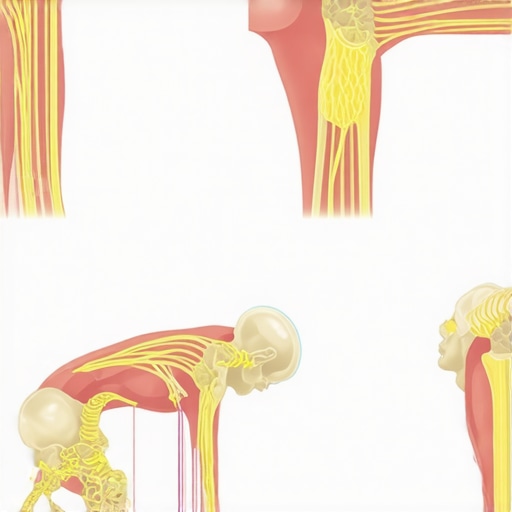
Illustration of nerve flossing exercises for sciatic relief, showing step-by-step movements.
While many believe that more stretching always leads to better mobility, the truth is far more nuanced. A common misconception is that increasing flexibility in muscles like the hamstrings directly relieves sciatic issues. However, in my experience, forcing flexibility during active flare-ups can exacerbate nerve irritation, as overstretching fragile tissues can trigger inflammation. According to research in the Journal of Orthopaedic & Sports Physical Therapy, aggressive stretching during nerve compression can worsen symptoms instead of alleviating them.
Another often-overlooked point is the importance of differentiating between pain types. Many assume all back discomfort is due to muscular tightness, but breakthrough insights reveal that nerve impingements and joint restrictions play a significant role. Jumping to aggressive exercises without proper diagnosis or guidance can lead to further injury. A key mistake I see clients make is neglecting foundational stability exercises, which are essential for long-term relief. Exercises that focus on core activation and micro-movements promote stability without overstressing vulnerable tissues.
**What advanced questions should you ask about your back health?**
How can neurodynamics techniques like nerve gliding be tailored to individual cases to maximize healing? Proper nerve mobilization requires nuance; doing exercises incorrectly may irritate nerves further. I recommend approaching nerve flossing or gliding exercises with professional guidance or targeted tutorials, such as those found at this resource.
Being aware of these subtleties can prevent common pitfalls. For example, the trap of over-reliance on passive modalities like heat packs or ignoring posture corrections that address root causes can stall progress. Instead, integrating lifestyle changes, ergonomic adjustments, and mindful movement strategies ensures a comprehensive approach.
To deepen your understanding, explore this guide on lifestyle modifications or simple exercises for mobility. Remember, consistent micro-adjustments and informed practices, rather than quick fixes, are the keys to lasting relief.
Have you ever fallen into this trap? Let me know in the comments. Your insights might help someone else avoid these common mistakes.Maintaining your back health over time requires the right tools and consistent routines. Personally, I rely on a combination of ergonomic gear, targeted exercises, and digital resources to preserve mobility and prevent flare-ups. One essential investment is an adjustable lumbar support pillow, like the ones I use daily in my car and office chair. It helps sustain proper spinal alignment, reducing strain that can lead to sciatica or neck pain. Integrating such ergonomic tools has transformed my daily comfort and can do the same for you.
Another game-changer is a foam roller designed specifically for myofascial release. I prefer a dense, medium-sized foam roller because it offers the right amount of pressure without aggravating sensitive tissues. I use it after workouts or long sitting periods to loosen tight muscles and improve circulation. Regular self-myofascial release with this tool helps maintain muscle suppleness and prevents chronic tightness.
Digital apps also play a significant role in my maintenance routine. I utilize movement tracking apps that remind me to take micro-breaks, perform gentle stretches, or do nerve gliding exercises during the day. These reminders reinforce habits that keep my spine mobile, as suggested in the comprehensive guide on mobility mastery. Consistent micro-movements, like pelvic tilts or micro-core activations, are critical for long-term health.
For strengthening, I recommend a resistance band that allows for controlled, scalable exercises. I personally perform gentle seated rows and hip abductions with my bands, focusing on controlled, deliberate movements to reinforce stability without overexertion. Using resistance bands offers a versatile way to target key stabilizer muscles, which research shows is vital for preventing recurring back pain and nerve impingements.
Looking ahead, the trend is shifting toward smart wearable technology that monitors posture and movement in real-time. Predictive analytics and AI-driven feedback will soon enable personalized, adaptive routines, further reducing injury risk and promoting resilience. I believe integrating these innovations will soon be standard practice for effective, long-term back and nerve health.
A common question I get is, “How do I maintain my back and nerve health over the years?” My advice is to combine ergonomic adjustments with regular mobility and strength exercises, supported by tools like lumbar supports, foam rollers, resistance bands, and digital reminders. Regularly auditing your habits and tooling—adapting as your body changes—is key to sustainable health.
To make an immediate impact, I encourage you to try using a foam roller for just five minutes after your next long sedentary period. This simple step can release tight muscles and boost circulation, laying the foundation for ongoing health. If you’d like personalized recommendations or guidance on setting up your routine, visit this contact page. Remember, long-term back health is a journey that benefits from consistent, mindful effort—tools make that journey easier and more effective.
The Deepest Truths I Discovered About Sciatica Relief
One of the most profound lessons I learned was that patience and consistency outweigh quick fixes. It took me months of mindful movement and lifestyle tweaks to notice significant improvements, reminding me that sustainable healing requires commitment, not shortcuts.
I also realized that listening to my body’s subtle signals was more valuable than ignoring pain for the illusion of progress. Respecting these cues prevented setbacks and fostered a genuine understanding of my unique condition.
Furthermore, I discovered that integrating small daily habits—like proper ergonomics and gentle stretches—created a cumulative effect that dramatically reduced flare-ups over time. Small, intentional actions compound into powerful health benefits.
Tools and Resources That Made the Difference
Over the years, I’ve found certain resources invaluable. The book “Overcoming Sciatica” offered insights that reshaped my approach, emphasizing lifestyle changes rather than solely relying on exercises. I trust it because it combines evidence-based strategies with real-life experiences.
The simple mobility exercises guide became my daily companion, helping me stay proactive in maintaining spine health. Its clarity and practicality make it easy to incorporate into busy routines.
Additionally, I rely on digital tools like mobility apps that prompt micro-movements during the day, reinforcing habits that support nerve health. These tech aids keep me accountable and remind me that small, consistent actions lead to lasting change.
Your Next Step Toward Freedom from Sciatica
Remember, reclaiming your comfort and mobility is within your reach. Embracing mindful movement, leveraging the right tools, and maintaining a proactive mindset can turn the tide on persistent sciatic pain. Start small—try that gentle nerve glide or adjust your workspace—and see how your body responds. Your journey toward pain-free living begins now. If you’re ready to explore personalized strategies, visit contact us for expert guidance.