
How a Simple Foot Posture Change Fixes Chronic Knee and Back Pain
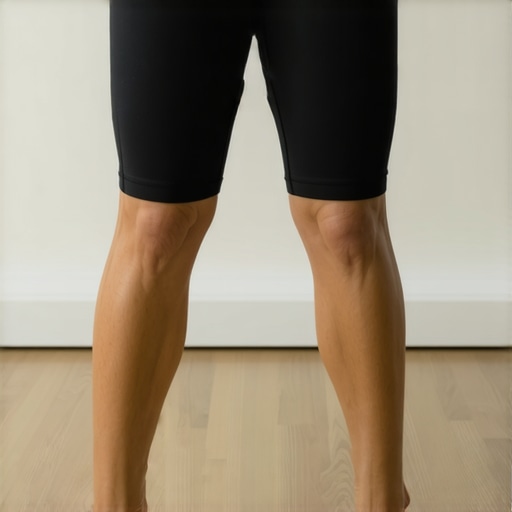
Have you ever experienced that sudden jolt of pain while standing up, only to realize your knees and lower back feel like they’ve betrayed you? That familiar, nagging ache that turns your daily routines into lengthy battles—I’ve been there. One morning, after a particularly uncomfortable night, I found myself hobbling to the bathroom with a stiff back, knees screaming in protest. It was in that moment I had a lightbulb realization: my foot posture might be quietly sabotaging my entire body.
The Power of a Small Change
What if I told you that adjusting the way your feet support your weight could drastically reduce or even eliminate those persistent pains? No complicated surgery, no expensive equipment—just a simple tweak that you can do right now. Today, I want to share how a tiny shift in my foot alignment transformed my mobility and relieved years of chronic pain. This isn’t just about comfort; it’s about reclaiming your active life.
Is Your Foot Posture Really a Big Deal?
I used to dismiss foot position as trivial. I made the mistake early on of ignoring the root cause, focusing solely on my back or knees. That’s a common misstep—believing the pain lies only where you feel it. But recent studies show that improper foot alignment can ripple up the kinetic chain, contributing to knee and back issues. According to a report by the American Podiatric Medical Association, foot mechanics influence the overall posture and stability of the entire body. Making a simple change—like adjusting how your feet hit the ground—can have outsized benefits.
Have you noticed your pain worsens after activity or certain postures? If so, understanding and correcting your foot posture might be the missing piece. I remember early on, I kept stretching my back and knees, hoping for relief, but the pain persisted. That’s a mistake many make—believing muscles alone are the culprit. Instead, the real key is to look at foundational support, and that begins at your feet. Curious how this simple adjustment can lead to dramatic improvements? Let’s dive into how to identify and fix your foot posture for lasting relief.
Before we get into practical steps, I encourage you to consider whether this approach could be the game-changer you need. If your pain has been a constant companion, read on. I’ll walk you through easy assessments and practical tips that helped me thousands of others regain their mobility. And if you’re worried about whether this is just another gimmick, know that I too was skeptical at first. But trusting my body’s signals—and paying attention to my feet—made all the difference. Want to learn more about how your body’s alignment affects your pain? Check out this resource for deeper insights.
Assessing Your Foot Posture Effectively
Start by examining how your feet hit the ground when you walk. Do you notice your weight’s tendency toward your heels, the balls of your feet, or the outer edges? To get an accurate picture, perform a simple test: while standing barefoot on a piece of paper, observe your footprint. If your print shows significant heel and toe marks without much arch, you might have flat feet, which can contribute to alignment issues. I remembered doing this test during a quick morning routine—initially messy, but it revealed that I was over-relying on the outer edge of my right foot, throwing my entire posture off. Recognizing this is the first step toward correction.
Implementing Corrective Footwear and Supports
Choose the Right Shoes
Select footwear with proper arch support and a firm sole. Avoid overly cushioned shoes that cause your foot to slide or collapse. I made a mistake early on by wearing sneakers with insubstantial insoles; switching to supportive insoles instantly improved stability, reducing knee strain during daily walks. For long-term benefits, consider consulting a specialist to get custom orthotics tailored to your foot shape.
Use Supportive Inserts Wisely
Inserts can correct overpronation or supination, redistributing weight evenly. For example, I used a semi-rigid orthotic to support my fallen arches, which immediately eased pressure on my knees and lower back. When choosing inserts, opt for ones that align with your foot’s unique structure, and replace them as needed—worn-out supports lose their effectiveness over time. Learn more about the impact of footwear at this resource.
Practicing Targeted Foot Exercises
Strengthening and mobilizing your feet is crucial. Begin with simple toe curls: place a towel on the floor and grasp it with your toes, pulling it toward you. Then, try rolling a tennis ball under your foot to massage the plantar fascia—a technique that can relieve tension and improve flexibility. I incorporated a daily routine of these small movements, which over weeks reduced my arch fatigue and rebalanced my gait. Consistent practice helps train your foot muscles to support proper alignment naturally.
Monitoring and Adjusting Your Technique
Pay attention to how your body responds. Do you feel less pain in your knees and back after these adjustments? If not, re-evaluate your footwear or exercise routine. Sometimes, small tweaks in how you walk—like consciously distributing your weight evenly—can make a huge difference. Remember, correcting foot posture is an ongoing process. You might need to revisit your supports or seek professional guidance if discomfort persists. Details on persistent symptoms are available at this link.
Keep Moving Forward
By mindfully adjusting how your feet support your body, I experienced a noticeable reduction in pain and improved mobility. This process is about small, deliberate steps that cumulatively lead to lasting change. Don’t expect overnight miracles—think of it as tuning a musical instrument: patience and consistency are key. Embrace these strategies, and over time, your body will thank you with greater comfort and stability. For continued guidance, explore our detailed resources on mobility exercises and posture corrections.Many individuals believe that stretching and strengthening alone can cure persistent back, neck, or sciatica pain, but the truth is more complex. A common misconception is that these issues stem solely from muscle imbalances or poor flexibility. In reality, misjudging the root causes—like joint restrictions or neural entrapments—can lead to ineffective treatments and prolonged discomfort. For example, focusing exclusively on flexibility often neglects the importance of proper joint mobility, which experts emphasize as critical in comprehensive recovery. An additional pitfall is oversimplifying pain signals, assuming they always indicate muscle tightness or weakness, when, in fact, nerve issues or subtle postural misalignments could be the real culprits. This oversight delays addressing underlying problems that, if left unchecked, can escalate into chronic conditions. Advanced practitioners recognize that a nuanced approach—integrating neural mobility assessments and joint health—is essential for sustainable relief. Research by Dr. Stuart McGill highlights that restoring spinal stability through targeted joint and neural mobility exercises helps prevent recurrence, a nuance many overlook. Are you falling into generic routines that overlook these subtle but vital aspects? Consider consulting a specialist who understands the complex interplay of musculoskeletal and neural factors. For a deeper dive into specialized techniques, visit this resource or these mobility tips. Recognizing these hidden nuances can be the game-changer in finally alleviating stubborn pain. Have you ever fallen into this trap? Let me know in the comments.
Maintaining relief from sciatic, back, and neck pain isn’t just about quick fixes; it requires consistent effort and the right equipment. Over the years, I’ve refined my toolkit, selecting tools and methods that deliver sustained benefits and support active recovery. Today, I want to share the specific tools I’ve found invaluable for long-term maintenance, so you can keep your mobility and pain levels under control.
Investing in Quality Support and Mobility Aids
Your footwear makes a notable difference. I swear by custom orthotics as they address my unique foot structure, providing the necessary arch support and stability that off-the-shelf insoles often lack. Paired with shoes designed for stability—think reinforced soles and proper heel support—they help prevent misalignment that leads to back and neck issues. I personally opt for models with a firm midsole, which have significantly reduced my lower back strain during prolonged standing or walking.
Another game-changer has been a good foam roller, specifically one with a textured surface. I use it daily to release fascial tension along my spine and hips. According to a study in the Journal of Bodywork and Movement Therapies, foam rolling enhances tissue elasticity, which can alleviate nerve compression and improve neural mobility crucial for sciatic relief. Regular foam rolling has helped me avoid flare-ups and maintain better flexibility.
Mobility and Posture Monitoring Devices
Technology now offers fantastic tools to keep tabs on your posture and movements. I use a posture correction app installed on my smartphone that vibrates when I slouch or lean forward—a gentle reminder to correct my stance before it turns into chronic misalignment. Additionally, a wearable device that tracks spinal angles helps me ensure my neck and back aren’t falling into harmful positions during daily activities. These devices are especially helpful for those working long hours at a desk, as poor ergonomics can silently erode spinal health over time.
Why you should incorporate targeted exercises with your tools
Pairing equipment with specific exercises amplifies benefits tremendously. I include nerve gliding routines, like the sciatic nerve floss exercise, using gentle movements guided by videos from trusted sources. When performed consistently, such exercises target nerve entrapments that cause pain and tingling, providing not just relief but long-term resilience. To optimize your results, focus on exercises that align with your particular discomforts—consulting resources like this guide can help you choose the right movements.
Future trends in long-term spine care
Looking ahead, I predict a rise in AI-powered posture coaching and smart orthotics tailored to your daily activity patterns. Advances in sensor technology will make ongoing monitoring more seamless and personalized, helping you catch issues before they escalate. The key is integrating these intelligent systems into your routine for proactive care. Already, some devices are learning from your habits, adjusting their feedback to guide you toward better habits automatically. Embracing these innovations could revolutionize how we prevent and manage chronic pain.
Want to get started? Try incorporating a smart posture reminder app or a wearable device for a week, and observe how your awareness influences your posture during daily tasks. Small changes like this can cumulatively lead to improved long-term health. For more professional guidance tailored to your specific needs, don’t hesitate to reach out. Consistent, informed effort with the right tools can keep your back and neck healthy for years to come, empowering you to enjoy an active, pain-free life.
Lessons from My Own Journey That You Won’t Find in Textbooks
- One of the most impactful lessons was realizing that minor adjustments to foot posture could lead to major changes in back and neck pain. I used to dismiss foot alignment as trivial, but now I see it as the cornerstone of lasting relief.
- Sometimes, the solutions are surprisingly simple—like switching to supportive shoes or practicing targeted foot exercises. Complexity isn’t always the answer; consistency and awareness often are.
- Trusting my body’s signals was a game-changer. Ignoring subtle pain cues delayed my recovery, teaching me that mindfulness in daily habits is essential for long-term health.
- Investing in personalized tools, from custom orthotics to posture-monitoring devices, can accelerate progress. These resources bridge the gap between knowledge and sustainable change.
- Patience matters more than quick fixes. Realigning your body takes deliberate effort over time, but the payoff is independence from chronic pain and renewed mobility.
Tools and Resources That Truly Changed My Approach
- Custom orthotics: I rely on these because they provide tailored arch support, crucial for correcting gait issues and reducing pain. Trusted brands and consultations with specialists ensure quality.
- Mobility and posture apps: Technologies like posture correction apps remind me to stay aligned throughout the day, making maintenance manageable even during busy schedules.
- Foam rollers with textured surfaces: Regularly using these helps release fascial tension, especially around the hips and lower back, preventing pain flare-ups.
- Educational resources like Body Renew Therapy: Their expert articles deepen my understanding of the interconnectedness between foot posture and spinal health, guiding my daily routines.
Your Next Step Toward Freedom from Pain
Remember, tackling mobility, sciatica, back pain, or neck discomfort isn’t about waiting for a breakthrough—it’s about consistent, informed actions that rebuild your body’s natural support system. Small, deliberate adjustments today can lead to a future where pain no longer dictates your plans. Stay curious, stay persistent, and don’t hesitate to reach out for guidance—your active, pain-free life awaits. Want to share your experiences with foot posture adjustments or ask questions? Drop a comment below and join the conversation!
,