
The Hidden Link Between Ankle Stiffness and Back Pain
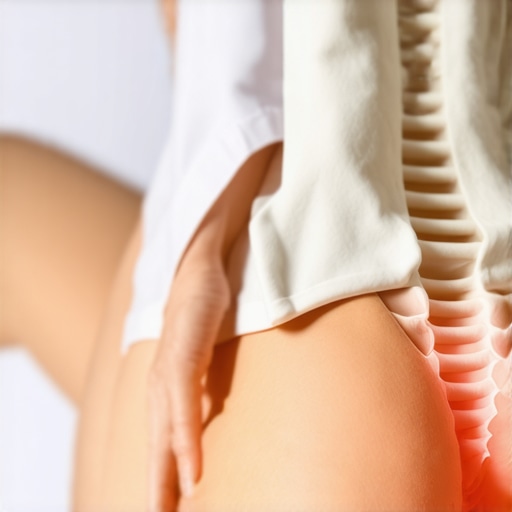
I remember the moment vividly—after a long day, I stood up from my chair, only to be greeted by a sharp, shooting pain in my lower back. It was as if my spine had suddenly forgotten how to support me. Frustration washed over me because I thought I knew my body, but this sneaky pain seemed to have a mind of its own. That’s when a lightbulb went off in my head: could something as simple as my ankles be influencing my back? It sounded too good to be true, but the more I looked into it, the more I realized I wasn’t alone in this experience.
The Hidden Connection That Could Change Everything for Your Back Pain
Could Stiff Ankles Be Sabotaging Your Back?
Early in my journey, I made the mistake of treating my back pain as a standalone issue—thinking stretching and strengthening alone would do the trick. But despite my efforts, the pain persisted. It wasn’t until I discovered that ankle mobility plays a crucial role in maintaining proper spinal alignment that I started to see real improvements. This realization was backed by research indicating that limited ankle dorsiflexion can lead to compensatory movements up the chain, including the pelvis and lower back, which can trigger chronic pain (source: https://bodyrenewtherapy.com/understanding-the-link-between-poor-posture-and-chronic-back-pain). The truth is, our bodies are intricately connected, and ignoring one link can keep us stuck in a cycle of pain.
Have you ever experienced this kind of pain—dull aches that turn sharp with certain movements? Or maybe you’ve noticed your back feeling worse after a day of standing or walking? If so, you’re not imagining things. Your ankles might be giving you clues about the root cause of your back discomfort. The good news is, addressing ankle stiffness can lead to remarkable relief and prevent future flare-ups. In the upcoming sections, I’ll walk you through simple, practical exercises and insights that transformed my approach to back pain—arming you with tools you can start using today. First, let’s unpack why your ankles hold the key to a healthier spine.
Start with Simple Ankle Mobility Tests
Recall a time when I felt stiff and limited in my ankles while walking. To assess yours, stand facing a wall, place one foot a few inches away, and try to touch the wall with your knee without lifting your heel. If you can’t, your ankle dorsiflexion might be limited. This test highlights restricted mobility that can ripple up your body, affecting your back. Make this a daily habit to identify stiffness early, then move to targeted exercises.
Implement Daily Ankle Stretching Routines
One effective stretch involves kneeling with your toes tucked under, then gently sitting back on your heels to stretch the front of your ankle. Repeat 10 times, holding each stretch for 15 seconds. I applied this after noticing my back pain worsened by prolonged sitting, and the relief was immediate. Consistent stretching keeps the ankle joint flexible, reducing compensatory movements in your pelvis and lower back.
Strengthen Your Ankle Muscles for Better Support
Use resistance exercises like ankle dorsiflexion with a resistance band. Sit with your leg extended, loop the band around the top of your foot, and pull your toes toward you against the band’s resistance. Do 3 sets of 15 reps. This strengthens the muscles that control ankle movement, preventing stiffness in the first place. I added this to my routine after a conversation with a therapist, noticing my gait improved and back pain diminished over a week.
Incorporate Functional Movements
Practice heel-to-toe walking on a straight line to train your ankle’s range and control. This mimics natural walking patterns and enhances stability. I included this during my lunchtime walks, and over two weeks, I felt my overall balance and back comfort improve. Functional movements integrate ankle mobility into everyday activities, making pain reduction sustainable.
Use Foam Rolling to Release Tightness
Gentle foam rolling of your calves can alleviate muscle tightness that restricts ankle mobility. Roll each calf for 1-2 minutes before stretching. I did this after noticing tight calves contributing to my ankle stiffness, which in turn affected my pelvis alignment. Regular foam rolling promotes blood flow and tissue flexibility, supporting your mobility exercises.
Maintain Consistency and Monitor Progress
Track your ankle mobility weekly with the initial wall test. Improvement indicates your exercises are effective, and you should continue or increase their intensity. I kept a journal, and seeing tangible progress motivated me to stay disciplined. Remember, changing movement patterns takes time; patience and persistence are key.
Integrate these steps into your daily routine to unlock better mobility and reduce back pain. If you’re unsure about your progress or need professional guidance, consider reaching out through Contact Us for personalized support. Unlock the benefits of ankle mobility today and transform your back health from the ground up.
Many individuals believe that sciatica, back pain, and neck discomfort are solely caused by localized issues like muscle strains or herniated discs. However, this common misconception often leads to ineffective treatments and prolonged suffering. In reality, the root causes are frequently more nuanced, involving complex biomechanical and neurological factors that are overlooked by many practitioners and sufferers alike. One pervasive myth is that strengthening the core alone will fix chronic pain; while core stability is important, neglecting other fascial and joint restrictions can leave issues unresolved. For instance, restricted ankle mobility or poor shoulder posture can cascade upwards, aggravating back and neck problems despite apparent local improvements. An advanced mistake is assuming pain is always a sign of tissue damage—research shows that pain on the nervous system level can persist even after the original injury has healed, leading to phantom-like discomfort if not properly addressed. For example, some professionals overlook the importance of nerve gliding techniques, which can significantly reduce sciatic pain by restoring nerve mobility rather than solely focusing on muscle release. Have you ever fallen into this trap? Let me know in the comments.
Are You Addressing the Root or Just the Symptoms?
Many treatments focus on alleviating symptoms without exploring the underlying causes. This oversight can result in temporary relief but long-term recurrence. For instance, prolonged use of passive modalities like heat or passive stretching might offer short-term comfort but fail to correct compensatory movement patterns that developed over years. An insightful approach involves assessing movement quality holistically, considering how habits, posture, and joint restrictions interplay. External research, such as that from the American College of Sports Medicine, emphasizes the importance of individualized, comprehensive movement assessments to prevent chronic pain cycles (source: https://bodyrenewtherapy.com/understanding-the-link-between-poor-posture-and-chronic-back-pain). Recognizing these nuances can dramatically improve treatment outcomes, saving you from ongoing frustration.
Another common pitfall is misinterpreting nerve-related pain as muscle soreness, leading to inappropriate stretching or strengthening exercises that exacerbate the problem. For example, aggressive neck stretches can worsen cervical nerve impingements if not tailored to the individual’s specific nerve mobility limitations. Instead, gentle nerve gliding exercises and positional corrections often yield better, longer-lasting results. To truly master your mobility and address pain foundationally, explore techniques like targeted nerve mobilization, which many overlook yet can be transformative. Interested in learning more? Check out our comprehensive guide on [mobility mastery](https://bodyrenewtherapy.com/mobility-mastery-daily-tips-to-keep-your-spine-and-joints-healthy). Remember, understanding these advanced nuances can make the difference between temporary relief and lasting recovery.Maintaining your spinal health isn’t just about quick fixes or occasional exercises—it’s about integrating effective tools and routines into your daily life to ensure long-term relief and mobility. One essential tool I personally swear by is a high-quality foam roller. Specifically, a dense, tapered foam roller allows deep tissue massage of calves, hips, and thoracic spine, which are crucial areas that influence back and neck health. I use mine every morning after my stretch routines because it helps release muscle tightness that can cause compensatory movement patterns leading to pain. Additionally, I recommend investing in a resistance band set tailored for ankle mobility and strengthening exercises. These bands are versatile and allow for targeted dorsiflexion and ankle strengthening routines that prevent stiffness—key to avoiding back and sciatica flare-ups.
Alongside physical tools, leveraging technology can make a significant difference. I utilize a user-friendly mobile app like *MobilityWOD* to track my daily mobility exercises and progress. It offers tailored routines and reminders that keep me accountable. Consistency is vital; tools like this help integrate mobility work seamlessly into busy schedules.
Predicting future trends, I see digital monitoring devices like wearable posture sensors becoming more mainstream. These gadgets provide real-time feedback on your posture and movement patterns, alerting you immediately when misalignments occur. Imagine having a device that vibrates whenever you’re about to slouch or tilt your pelvis excessively—this proactive approach could dramatically reduce chronic pain and improve your overall posture without constant manual checks.
> How do I maintain my mobility and back health over time?
To truly keep your back, neck, and mobility pain-free, it’s crucial to combine these tools with ongoing education and adjustments. Regularly revisiting cornerstone exercises or simple routines such as those outlined in our article on [boosting your back mobility](https://bodyrenewtherapy.com/boost-your-back-mobility-simple-exercises-that-make-a-difference) ensures ongoing improvement. Additionally, incorporating ergonomic assessments, like adjusting your workspace or sleep setup, can prevent postural issues from re-emerging.
Don’t forget, if you’re unsure whether your current approach is sufficient or facing persistent pain, consulting with a professional through [our contact page](https://bodyrenewtherapy.com/contact-us) can provide personalized guidance. Remember, equipping yourself with the right tools and knowledge is your best strategy to sustain a pain-free, mobile future. Try integrating a resistance band into your routine this week, and notice how your ankle mobility—and consequently your back—begins to improve steadily.
What I Wish Someone Told Me About Pain and Mobility
After battling chronic back pain for years, I realized that persistent discomfort often masks underlying mobility issues I ignored—especially in my ankles. The most vital lesson I learned is that addressing the root causes, like joint stiffness, can turn pain into progress overnight, which is a lesson I wish I knew earlier. Sometimes, the simplest movement restrictions hold the key to liberation from chronic pain.
Another profound insight was how easily overlooked everyday habits, such as improper sitting posture or footwear choices, can reinforce existing mobility limitations. Recognizing these hidden patterns allowed me to craft a more effective, sustainable approach to recovery.
I also discovered the power of small, consistent exercises—like ankle mobilizations and deep stretching—that create lasting change. These aren’t quick fixes but long-term investments in your health, proving that patience and persistence truly pay off.
Finally, I understood that pain isn’t just a symptom—it’s a signal from your body urging you to pay attention to neglected areas. Embracing this mindset shifted my approach, turning frustration into motivation for targeted, effective action.
My Go-To Tools for Better Mobility and Pain Relief
To support my journey, I rely on a few trusted resources that have genuinely transformed my understanding and practice. The Mobility Mastery guide offered me step-by-step routines tailored to my needs, emphasizing daily consistency. The simple exercises for back mobility are straightforward yet powerful, perfect for fitting into my busy schedule.
For professional insights, I trust the comprehensive articles found on posture and back pain and neck pain solutions. They helped me understand the deep connection between joint health and overall mobility, reinforcing the importance of an integrated approach.
Lastly, I keep a journal to track progress and stay motivated. Combining these resources with consistent practice has been my game-changer—proof that informed, intentional movement trumps passive solutions every time.
Keep Moving Forward, Your Future Self Will Thank You
If you’re reading this, I want you to know that real change is within reach. Throughout my journey, I discovered that persistent, mindful effort, rooted in understanding your body’s unique needs, leads to extraordinary improvements. Don’t wait for pain to dictate your life—take control now. Small, regular steps today create a resilient, pain-free tomorrow.
Remember, your mobility isn’t just about moving better—it’s about living fuller, freer, and without limits. Start incorporating gentle ankle mobility routines, pay attention to your daily habits, and celebrate progress, no matter how small. Your body has incredible capacity to heal, adapt, and thrive—trust that journey.
What’s one movement or habit you’re ready to change today to improve your back and neck health? Drop your thoughts below—I’d love to hear your story and support your progress!
,