
The Dead Bug Exercise: Your Backs Best Friend
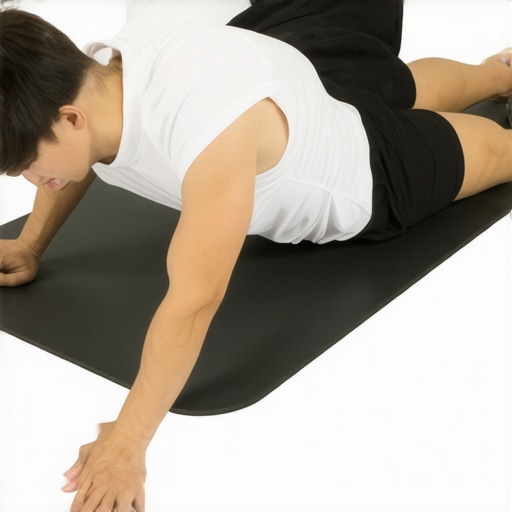
Have you ever pushed yourself up from a chair or bed, only to be met with a stabbing pain or a stubborn twinge in your lower back? I used to brush it off as just a part of aging or bad luck, until one day, I felt that agonizing pinch while reaching for something on the floor. It was a wake-up call.
That moment sparked a lightbulb in my head—my back was crying out for better support and stability. I realized I needed to do something different, something that could help me regain control over my mobility and banish those recurring aches. That’s when I discovered the Dead Bug exercise: a surprisingly simple move, but one that turned out to be a game changer.
How a Basic Movement Transformed My Back Health
Deciding to give the Dead Bug a shot seemed almost too easy. I was skeptical—could such an uncomplicated exercise really make a difference? But after just a few weeks of consistent practice, I noticed tangible improvements. My posture felt solid, and those annoying pains that interrupted my daily routine began to fade.
The truth is, many of us underestimate the power of core stability. A weak core often leads to poor spinal support, which can spiral into chronic pain. The Dead Bug is designed to strengthen those deep abdominal muscles responsible for keeping your spine aligned and protected, especially during movements that involve bending, lifting, or even simple daily activities.
If you’re tired of feeling like your back is fighting against you, it’s time to introduce a proven strategy. But before we dive into the how-to, let’s address some common doubts.
What if I don’t have time or motivation?
Trust me, I get it. Life is busy, and exercising can feel like just another chore. That’s why I love this move—it’s quick, effective, and can be done right in your living room during commercial breaks or while waiting for coffee to brew. Small steps can lead to big changes, and consistency is key.
Now, a quick confession—I made a mistake early on by trying to do too much too soon, which led to soreness and setbacks. I learned that gradual progression is vital, and that patience pays off. To ensure you’re on the right track, consider exploring some expert tips on simple exercises that improve back mobility.
Getting your core engaged through the Dead Bug exercise could be exactly what you need to reclaim your movement and say goodbye to those unwelcome back surprises. Ready to learn how to do it right? Let’s start.
Getting into Position Correctly
Start by lying flat on your back with your arms extended toward the ceiling and knees bent at 90 degrees. Imagine your back as a turtle pulling into its shell—your goal is to keep that shell firmly pressed against the floor throughout the exercise. I recall the first time I tried, I felt my lower back wanting to arch, like a bowstring under tension. Relaxing my shoulders and gently pressing my lower back into the floor helped me find the right starting point.
Engaging Your Core and Stabilizing
Now, tighten your abdominal muscles as if you’re trying to pull your belly button toward your spine. This is key to activating those deep core stabilizers. I learned this the hard way—initial attempts were shaky, and I almost let my back lift off. Focus on maintaining this tension as you proceed. Think of your core as a bracing corset, supporting your spine during each movement.
Executing the Movements with Precision
Slowly extend your right arm behind your head while simultaneously straightening your left leg towards the floor, keeping it just above the ground. Keep your lower back glued to the floor and avoid any arching. I remember watching my limbs tremble the first few times; that’s normal. The goal is smooth, controlled movements, not speed. Keep your breathing steady—inhale to prepare, exhale as you extend, and hold briefly before returning to the starting position.
Switching Sides and Maintaining Form
Repeat the same with your left arm and right leg. It’s like coordinating a delicate dance—each limb moves independently yet harmoniously. Once comfortable, aim for 8-12 reps per side, ensuring your back stays flat. During my early attempts, I sometimes felt my hips sway—this was a sign I was rushing. Slowing down kept me honest and protected my back.
Common Mistakes to Dodge
Avoid letting your hips tilt or your pelvis rock—imagine trying to balance a glass of water on your pelvis without spilling. If your lower back still arches, reduce the range of motion or reduce your limb extension until control improves. Overextending is like overloading a bridge—too much strain can cause damage. Consistency is more important than intensity—better to do fewer quality reps than many sloppy ones.
Integrate Regular Practice for Lasting Benefits
I found that incorporating the Dead Bug into my daily routine transformed my posture over time. It’s akin to watering a plant—consistent care yields steady growth. Even if your days are packed, dedicating five minutes to this exercise can prevent future back issues. Remember, strengthening your core is like building a reliable foundation—everything else depends on it. For tailored advice on managing sciatic pain, explore proven approaches to end discomfort.Many assume that stiffness or pain in the neck, back, or legs is purely a mechanical issue—simply a matter of tight muscles or worn-out joints. However, this view often overlooks the nuanced ways our nervous system and posture habits influence pain. One common myth is that stretching alone is sufficient for long-term relief. In reality, overstretching muscles without addressing underlying joint stability or neural factors can exacerbate discomfort. For example, attempting aggressive neck stretches for chronic tension might temporarily ease symptoms but could also overstretch ligaments and irritate nerves if not done correctly. Instead, focus on gentle mobility techniques that engage stabilizers, and consider the impact of habitual postures.
Another mistake is neglecting the importance of movement patterns over isolated exercises. For instance, many focus on strengthening the glutes or back muscles independently, but without restoring proper movement sequencing, they risk reinforcing poor habits. Integrating functional movements that mimic daily activities, as discussed in expert mobility strategies, can be more effective.
Now, an advanced question that often trips up even experienced practitioners is whether fascia restrictions are the root cause of persistent pain. Recent research suggests that fascia tension often results from compensatory patterns rather than being a primary driver. According to a study published in the Journal of Bodywork and Movement Therapies, many cases labeled as fascia-related are actually due to joint instability or neural hypersensitivity.
**Beware the trap of chasing fascia releases endlessly**. Focusing solely on foam rolling or myofascial release without correcting foundational movement deficits can lead to temporary relief but little lasting change. Instead, combining gentle mobility work with neural control exercises—like those outlined in neck pain solutions—addresses the root causes more holistically.
It’s easy to fall into the misconception that pain equals damage, but often, pain signals a warning from your nervous system about movement dysfunctions or postural habits. As explained in posture and pain connection, addressing these underlying causes by improving neural communication and joint stability is key. Remember, real progress involves a comprehensive approach—don’t just stretch the muscles, reprogram your movement patterns for true mobility and pain-free living.
Have you ever fallen into this trap? Let me know in the comments.
Once you’ve integrated core-focused exercises like the Dead Bug into your routine, keeping those improvements sustainable requires smart tools and consistent maintenance. The right equipment can make a significant difference in ensuring your back, neck, and overall mobility stay in top shape over time.
Invest in Quality Support Roles
My personal favorite is the use of ergonomic lumbar support pillows, especially during long periods of sitting. I opt for a memory foam cushion with adjustable height and firmness, which I regularly use while working at my desk. This tool directly addresses postural misalignments that can creep in after months of poor habits. Particularly, I incorporate this into my routine when I notice tension accumulating in my lower back—using it as a preventive measure rather than waiting for pain to strike.
Smart Monitoring with Technology
High-tech gadgets like wearable posture trainers provide real-time feedback. I personally use a discreet posture sensor clipped on my upper back that vibrates gently if I slouch. This immediate cue helps me re-engage my core and correct alignment before habits form. Looking ahead, I believe advancements in AI-powered posture correction apps will make personalized feedback even more accessible, helping users develop sustainable habits without constant professional supervision.
Routine Mobility Checks and Self-Assessment Tools
Regular self-assessment is crucial for long-term success. I rely on simple digital goniometers and mobility apps to track flexibility and joint range. For example, measuring hip mobility movements allows me to identify stiffness early and address it with targeted exercises. Such tools are invaluable for maintaining the progress gained from initial therapy or exercise routines, preventing regressions that often occur when attention wanes.
Scaling Your Efforts Over Time
As you become more confident in your core stability and posture habits, scaling your routines carefully is essential. I gradually increase the difficulty or duration of mobility drills, and incorporate more challenging variations of exercises like the Dead Bug or bridges. This incremental progression prevents plateaus and keeps your tissues adapting, fostering resilience in your spinal support system.
How do I maintain neck and back health over the long haul?
Consistency paired with the right tools creates enduring results. Incorporating ergonomic supports, wearable tech, and regular mobility assessments ensures your improvements don’t fade. Remember, maintaining mobility is a marathon, not a sprint—so patience and the right equipment are your best allies. For personalized guidance on long-term strategies, I recommend exploring expert strategies for sciatic relief. And don’t forget to try my favorite advanced tip—using a posture sensor during your workday to cultivate awareness and build lasting habits.
One of the most eye-opening lessons I learned on my journey to healthier mobility was how often I underestimated the power of consistency over intensity. Initially, I believed that doing more reps or holding exercises longer would accelerate my progress. However, I soon discovered that small, daily actions—like a few mindful Dead Bug repetitions—yielded far more sustainable results. This shift in mindset taught me patience and the importance of honoring my body’s pace, which is crucial when healing or maintaining back health.
Another profound insight was recognizing the importance of neural control alongside physical strength. I had spent months focusing solely on strengthening muscles, but true mobility came when I addressed the nervous system’s role in movement patterns. Neural retraining exercises and gentle mobility drills, aligned with strategies I found at understanding the connection between posture and back pain, became game-changers in my approach.
A lesson that surprised me was how deeply posture habits influence pain perception. Slouching at my desk or sleeping in the wrong position subtly contributed to inflammation and tension, creating a cycle of discomfort. Real change occurred when I integrated ergonomic adjustments and mindful habits, which you can explore more at ergonomic tips for comfort. The adage ‘small changes lead to big results’ truly resonated during this process.
Lastly, I learned that embracing a holistic view—combining movement, neural regulation, and lifestyle habits—was essential. Sometimes, chasing quick fixes or isolated stretches only postponed real recovery. Instead, building a resilient spine required patience, a curious mindset, and a willingness to learn. If you’re eager to see how these insights can change your life, remember that your journey toward pain-free mobility is a continuous adventure filled with invaluable lessons.