
Why Stretching Your Back Often Makes the Pain Worse
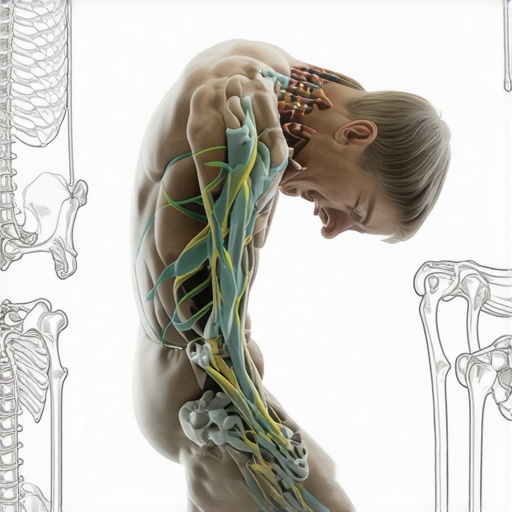
I vividly remember the moment I realized that my well-meaning attempts at stretching my aching lower back were actually making things worse. I was desperate, eager for relief, and every morning began with a stretch that left me more stiff and frustrated. One day, I pushed a little further, reaching toward my toes, and suddenly felt a sharp twinge that lingered for days. That eye-opening experience was a lightbulb moment: not all stretches help. In fact, some can aggravate back pain, especially when done incorrectly or at the wrong time.
The Hidden Danger of Overzealous Stretching
Many of us have bought into the idea that stretching is the golden ticket to pain relief. It’s a common sight — people reaching for their toes, twisting and bending with the hope of easing tight muscles and stiff joints. But here’s the truth that caught me off guard: stretching your back too often or too aggressively can set you back, amplifying inflammation and prolonging discomfort. I learned this the hard way, during one phase where I thought more was better. It wasn’t. Instead, that approach left me worse off, fueling my fear that I’d never find real relief.
The Real Reason Why Stretching Can Backfire
Our bodies are intricate systems. When your muscles are inflamed or your ligaments are strained, forcing them into more elongation can irritate them further. If you stretch without understanding what’s happening inside your tissues, you risk triggering a protective response — increased tightness, more pain, and even scar tissue formation. It’s like trying to stretch a wound to make it heal faster — counterproductive. The key lies in recognizing when and how to stretch safely, and understanding what your body truly needs. Want to learn more about effective strategies? Check out proven approaches to end sciatic discomfort.
Early on, I made the mistake of blindly following generic advice, ignoring my body’s signals and rushing into stretches. That’s a rookie mistake I see others making all the time. Instead of helping, it often prolongs pain and stalls recovery. The good news is, with the right knowledge and techniques, you can get back to moving comfortably. So, let’s explore what truly works — and what you should avoid — to conquer back pain once and for all.
Start with Controlled Movements
When addressing back pain, the first step is to shift from frantic stretching to deliberate, controlled movements. I recall the time I impulsively sprang into a hamstring stretch after feeling tense, only to aggravate my sciatic pain. Instead, I now focus on gentle motions like pelvic tilts or cat-cow stretches, which mobilize the spine without overstretching inflamed tissues. Aim for slow, deliberate reps, and always listen to your body’s response. Think of your muscles as rubber bands — gentle tension helps, but overstretching causes tears. For more effective mobility tips, visit mobility mastery.
Identify Your Body’s Warning Signs
Know When to Stop
During a session, I once felt a sharp tightening in my lower back after a few reps of forward bends. That was my cue to halt. Recognizing pain versus discomfort is essential: pain signals that tissues are irritated, and pushing forward worsens the condition. Establish a baseline by noting your normal tightness and avoid pushing into areas that elicit sharp pain. Remember, pain is a red flag, not a challenge to conquer. For insights on discerning serious symptoms, check warning signs of serious back issues.
Optimize Your Stretching Technique
Using poor technique can turn a helpful stretch into a harmful one. I learned this after attempting a spinal twist without proper alignment, which left me sore for days. To avoid this, maintain a neutral pelvis, avoid over-extending, and never force a stretch beyond your comfort level. Visualize your spine like a stack of blocks; each needs to stay aligned. Incorporate breathing: exhale slowly as you deepen into the stretch, aiding muscle relaxation. Proper form increases efficacy and minimizes risk. For detailed guidance, visit stretching mistakes to avoid.
Integrate Mobility in Daily Routine
Consistency matters. I started with 5-minute mobility drills in the morning, like bridge lifts and gentle twisting. This habit helped me regain more comfort than sporadic stretching. Think of this as brushing your teeth: small daily habits pay off over time. Use ergonomic principles from easy exercises to ensure your spine stays healthy while working or relaxing. Regular movement prevents stiffness and keeps muscles in balance, reducing the risk of injury.
Use Supportive Tools Thoughtfully
Sometimes, adding props like foam rollers or lumbar pillows can help. I once used a soft cushion behind my lower back during long sits, which alleviated pressure and prevented pain flare-ups. The key is to support natural curves without overcorrecting or forcing unsupported postures. Be cautious—over-reliance on devices can lead to weak muscles if not combined with active mobility. Learn more about ergonomic support ergonomic tips.
Adjust Lifestyle Habits
Small changes amplify results. I started paying attention to my footwear, opting for supportive shoes instead of worn-out sneakers, which improved my posture and reduced back strain. Similarly, adjusting how you carry your bag or stand can make a significant difference. For comprehensive lifestyle adjustments, explore lifestyle strategies for sciatic relief. These steps reinforce the gains from stretching, ensuring your back stays healthier longer.

Most people jump into the common advice about mobility and pain relief without appreciating the nuanced differences that impact their recovery. A major misconception is the belief that all stretching or mobility exercises are universally beneficial. This oversimplification ignores the complex state of your tissues, especially when inflamed or strained. For example, static stretching, often recommended for tight muscles, can actually hinder healing if performed too aggressively or at the wrong time, leading to micro-tears instead of relief. Experts like Dr. Stuart McGill caution against indiscriminate stretching, emphasizing the importance of tailored approaches based on tissue health and stage of injury. In my experience, the true key is understanding the difference between mobility work aimed at restoring neurons and tissues versus exercises that risk aggravating delicate structures. Proven methods to banish sciatic pain often involve nuanced consideration rather than one-size-fits-all routines.
Why Do Some Exercises Backfire Even When Recommended?
This question often puzzles advanced learners. The answer lies in the individual variability of tissue response and injury stage. For example, a mobility drill that helps one person may cause setbacks for another if their tissues are in a different healing phase. Approaching mobility without cues like pain or quality of movement can lead to overextension, scar tissue formation, or compensatory patterns. It’s vital to assess your symptoms carefully and adapt exercises accordingly—what helps during acute inflammation differs from what accelerates recovery during remodeling. To deepen your understanding, explore the link between posture and back pain for insights on tissue behavior. Remember, pushing through pain might seem productive, but it risks setting you back considerably. Have you ever fallen into this trap? Let me know in the comments.
Another common trap is mistaking stiffness for strength. Many assume that increasing movement frequency or intensity is always good. Nonetheless, performing mobility exercises beyond your tissue’s capacity can trigger inflammatory responses, prolonging pain or causing new injuries. The real nuance is recognizing gradual progress and listening to your body’s signals. Incorporating mobility mastery techniques that focus on controlled, mindful movement can prevent this mistake. Remember, subtle improvements over time outperform aggressive efforts that risk setbacks. Improving your understanding of these subtleties can dramatically enhance your recovery process and preserve long-term health.Maintaining long-term mobility and pain relief requires the right tools and strategies. Over the years, I have refined my toolkit to include specific equipment and methods that have proven effective in restoring and preserving spinal health. One essential item I swear by is the foam roller. Not just any foam roller, but a dense, firm roller with a textured surface. I use it daily to target my lumbar and thoracic regions, rolling out those tight spots that develop from daily stress and poor posture. The textured surface helps break up fascial adhesions, promoting better tissue mobility and reducing chronic discomfort.
Additionally, I rely heavily on resistance bands for controlled mobility exercises. These bands allow me to perform gentle, progressive stretching and strengthening routines that are safe during inflammation or early recovery phases. For example, I incorporate band-assisted shoulder blade pulls that help improve posture and alleviate neck tension. Personally, I prefer the looped bands, which are versatile and easy to store, making daily mobility practice more consistent.
Digital tools also play a crucial part in my maintenance routine. I utilize posture monitoring apps such as Upright Go, which sticks to your upper back and provides real-time feedback on your posture via your smartphone. This immediate cue helps me make micro-adjustments throughout the day, preventing slouching that can exacerbate back and neck pain. I’ve found that consistent awareness, reinforced by these devices, significantly reduces the tendency to revert to poor habits.
For deep tissue work, I use a massage gun with adjustable intensity settings. I customize the pressure depending on my tissue state—lighter in acute phases and more aggressive during maintenance to break up knots and improve circulation. It’s a game-changer, especially after long days of sitting or intense workouts.
Looking ahead, I believe this trend of combining tech with physical tools will evolve toward smarter, AI-powered devices that adapt to your tissue response in real time. Such innovations could personalize treatment, making maintenance even more effective and accessible.
How do I keep all this effective over time? The key is consistency combined with strategic rest days and staying attuned to my body’s signals. Regularly updating my toolkit and integrating new evidence-based practices ensures I stay ahead of setbacks. One advanced tip I highly recommend is regularly scheduling a professional assessment, such as a targeted movement screen or tissue analysis, to tailor your tools and routines precisely, preventing minor issues from becoming chronic problems. To explore comprehensive approaches, check out proven methods to banish sciatic pain. Start incorporating one of these tools into your daily routine, and notice how your resilience improves over time. Remember, your back and neck deserve proactive attention, not just reactive fixes.
Hidden Truths That Changed My Perspective on Mobility and Pain Relief
- One of the most eye-opening lessons I learned was that pushing through pain with aggressive stretching often worsened my condition rather than helped. Patience and listening to my body’s cues proved far more effective in the long run.
- I discovered that many so-called “effective” exercises can backfire if performed without proper form or at the wrong stage of recovery. Tailoring movements to my tissue’s health was a game-changer.
- Understanding that inflammation requires gentle, targeted approaches rather than forceful stretches helped me avoid setbacks and promote true healing.
- Consistent use of simple tools like foam rollers and resistance bands, combined with mindfulness, created a sustainable routine that protected my back and neck over time.
- Lastly, trusting professional assessments periodically kept me on track, preventing minor issues from escalating into chronic pain. These lessons form the cornerstone of my ongoing journey toward pain-free movement.
The Tools and Resources That Revolutionized My Recovery
- Proven Approaches to End Sciatic Discomfort: This resource provided a comprehensive framework that demystified my pain and offered tailored solutions, emphasizing education and personalized strategies.
- Mobility Mastery Techniques: A collection of daily tips that helped me incorporate safe, controlled movements effortlessly into my routine, enhancing flexibility without risking injury.
- Sciatica Relief Secrets: Practical methods that enabled quick relief and long-term management, highlighting the importance of understanding underlying causes instead of just symptoms.
- Ergonomic Support Guides: Expert-backed advice on optimizing my workspace and daily habits, which significantly reduced strain and prevented flare-ups.
Take the Leap Towards Lasting Comfort
Embarking on a journey to better mobility and pain management is a personal yet rewarding choice. With the insights and tools I’ve shared, you’re better equipped to make informed decisions and foster genuine healing. Remember, consistent action paired with the right knowledge can transform your back, neck, and sciatic health. Your path to freedom from pain starts now—embrace it with confidence and patience.
What small change will you commit to today to improve your back or neck health? Share your plan below—I’d love to hear your goals and support your progress!
,