
3 Exercises to Bulletproof Your Lower Back Before Gardening
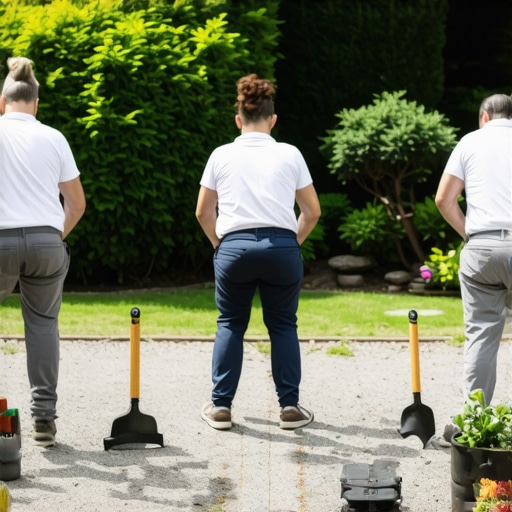
It was a bright Saturday morning when I reached for my gardening tools, only to be greeted by a sharp twinge in my lower back. The kind of pain that makes you double over and question every move. That moment was a lightbulb for me—I realized that preparing my back might be just as important as the plants I was about to tend. If you’ve ever experienced that sudden, stabbing pain after a little outdoor work, you know how disruptive it can be to your day and your enjoyment of gardening. Today, I want to share with you a simple but powerful way to protect your lower back—before you even step outside.
Why Your Back Needs a Little Back-Up Before Gardening
Gardening is a wonderful activity that gets us outside and keeps us moving, but it also puts your lower back at risk. Bending, twisting, and lifting—sounds harmless, right? Not so fast. These movements can put strain on your spine unless your muscles are prepared and your joints are mobile. Over time, neglecting this prep can lead to chronic pain, sciatica, or even herniated discs. I learned the hard way early on that my own lack of proper warm-up and strengthening routines made me vulnerable every gardening season.
The good news? A few targeted exercises can significantly reduce your risk. These routines are easy, don’t require fancy equipment, and can be done in just minutes. I personally adopted them after struggling with persistent lower back soreness, and I’ve noticed a real difference—less discomfort, more confidence in my garden and my body. It’s all about strengthening those key muscles and mobilizing your spine.
And experts agree—according to a study published in the Journal of Orthopaedic & Sports Physical Therapy, integrating core stabilization and mobility exercises dramatically lowers back injury risk during physical activities like gardening. So, if you’re tired of post-gardening pain messing up your weekend plans, some simple exercise habits might be your best investment.
Now, I’d love to ask—have you ever faced a back flare-up right after a day of gardening? If so, keep reading. I’ll guide you through three effective exercises to fortify your lower back and keep you pain-free. Trust me, your future self will thank you. Proper preparation isn’t just a myth; it’s a game-changer. Ready to protect your back and enjoy your garden to the fullest? Let’s dive into the exercises that can transform your planting days from pain-filled to pain-free.
For more advanced strategies, you might find it helpful to explore some simple exercises that make a real difference. Now, let’s get started with the first move that’s helped me—and countless others—stay active without pain.
Targeted Warm-Up to Activate Your Back Muscles
Start with gentle movements that mimic the actions you’ll perform in the garden. For example, shoulder rolls, gentle trunk twists, and pelvic tilts loosen up the muscles and prepare your spine. I recall a time I skipped this step before a long gardening session and paid the price with tightness that lasted days. Now, I dedicate five minutes to warm-up, and I feel the difference immediately.
The Dead Bug: Building Core Stability
This exercise targets your deep abdominal muscles, acting like a natural corset around your spine. Lie on your back with arms extended toward the ceiling and knees bent at 90 degrees. Slowly lower one arm behind your head and the opposite leg toward the floor, keeping your lower back pressed into the ground. Return to start and repeat on the other side. I once combined this with a quick set before gardening, and it kept my lower back from aching later. Consistency is key—two sets of ten repetitions are enough to start seeing benefits.
Cat-Cow Stretch: Mobilizing Your Spine
Move onto all fours, with hands under shoulders and knees under hips. Inhale, arch your back, lifting your tailbone and head (cow pose). Exhale, round your back, tucking your chin and pelvis (cat pose). This dynamic movement increases flexibility in your spine, reducing stiffness. I felt a noticeable easing in my back tension after just a few rounds, making my bending work during gardening much easier.
Hip Hinge Technique for Safe Bending
The hip hinge is critical for protecting your lower back when lifting or reaching. Stand with feet shoulder-width apart, hands on your hips. Hinge forward from your hips, keeping a neutral spine, as if you’re closing a car door with your hips. Avoid bending from the waist. I had an awkward lifting moment, and afterward, my back ached for days. Now, I consciously practice the hip hinge, which recruits the glutes and hamstrings and spares the back.
Glute Bridges to Strengthen Posterior Chain
Lie on your back with knees bent, feet flat on the floor. Engage your core and press through your heels to lift your hips toward the ceiling. Hold for a few seconds, then lower slowly. This move targets the glutes and hamstrings, supporting your lower back. I incorporated this into my routine and found that my back fatigue during gardening decreased significantly. Doing three sets of 15 reps can make a real difference.
Progress Slowly and Listen to Your Body
Start with the exercises that suit your current fitness level and avoid pushing into pain. As your strength and mobility improve, gradually increase repetitions or duration. Remember, consistency beats intensity. I once tried jumping into a rigorous routine and ended up sore for a week. Now, I focus on gradual progress, and my back feels stronger and more resilient. Incorporate these movements into your daily routine, and you’ll notice the difference in your gardening experience—less stiffness, fewer pains, more enjoyment.
For additional mobility tips, consider exploring ergonomic tips that improve daily comfort, which can complement these exercises. Remember, a proactive approach keeps your back healthy and allows you to enjoy gardening without fear of pain.
Many individuals believe that back pain, sciatica, and neck discomfort result purely from mechanical issues or injury. However, a common misconception is that these problems are always localized and solely physical. In reality, the body’s systems are deeply interconnected, and overlooking this fact can hinder effective recovery. For example, poor posture isn’t just about awkward positions; it often stems from habitual movement patterns and muscular imbalances that develop over years. Addressing only the symptoms—like taking painkillers—without correcting underlying movement dysfunctions is a mistake many make.
Another myth is the idea that rest is the best cure. Excessive rest can lead to muscle weakening and further mobility loss. Conversely, controlled movement and specific exercises promote healing and restore function. Strap-in approaches like aggressive stretching without understanding your body’s needs can cause more harm than good, especially if your muscles are guarding or inflamed. Consulting reputable sources, such as the findings published in the Journal of Orthopaedic & Sports Physical Therapy, underscores that tailored mobility routines prevent future injuries rather than just offering temporary relief.
What many don’t realize is the role of neural pathways and how they influence pain perception. Chronic pain doesn’t always correlate with tissue damage; it often involves the nervous system’s sensitization. This explains why some individuals experience persistent discomfort even after the initial injury has healed. For instance, nerve-related issues like sciatica are sometimes exacerbated by habits such as prolonged sitting or poor ergonomic setup, which can amplify neural tension.
An advanced nuance to consider: How does fascia influence mobility and pain? Fascia, the connective tissue surrounding muscles and organs, can become restricted due to injury, stress, or repetitive movements. These restrictions can mimic or intensify pain syndromes. Techniques targeting fascial release, combined with mobility exercises, address these hidden barriers effectively. For example, my own experience taught me that addressing fascial restrictions alongside strengthening can dramatically improve outcomes.
Furthermore, understanding the importance of individual variability is crucial. What works for one person may not suit another. Personal assessment, ideally guided by a professional, ensures that interventions are appropriate and safe. Avoid relying solely on generic routines found online; instead, focus on exercises tailored to your body’s unique needs.
Have you ever fallen into this trap? Let me know in the comments. Proper knowledge and nuanced approaches are essential for long-term relief and improved mobility, beyond the simplified myths that circulate widely.Maintaining your back and neck health over the long term requires more than just periodic exercises. I’ve found that investing in targeted tools and adopting consistent routines makes a huge difference in preserving mobility and preventing setbacks. A key component of my strategy involves choosing the right equipment and software that support sustainable habits.
One essential tool I personally rely on is a high-quality foam roller with a textured surface. Unlike smooth rollers, the textured variety effectively targets fascia restrictions and muscle knots, which often contribute to persistent pain. I use mine regularly after workouts and long days at my desk, focusing on my lower back, thoracic spine, and hips. This helps prevent fascia tightness that can cause compensatory movements, eventually leading to injury. For best results, incorporate rolling sessions into your daily mobility routine—just five minutes can keep your tissues supple and responsive.
In addition to physical tools, I recommend using biofeedback devices like a posture-crompting wearable. Devices such as upright posture trainers or smart posture sensors serve a dual purpose: they remind you to maintain proper alignment throughout the day and help you become aware of habitual bad postures that lead to pain. I’ve found that consistent feedback encourages me to correct slouching and forward head posture, ultimately reducing neck and upper back strain.
When it comes to programming your mobility, software like guided stretching apps or video tutorials can keep your routine engaging and structured. I personally prefer platforms that include personalized programs tailored to back and neck health, which adapt over time as my flexibility and strength improve. Using visual cues and timers ensures I don’t rush or skip vital movements, and I often combine these with my physical tools for a comprehensive approach.
Prediction-wise, I believe the focus on integrated tech tools combined with traditional exercises will evolve further, with AI-driven feedback systems providing real-time assessment and customization. This progression will make maintaining back health more accessible and precise, even for those without extensive physical therapy backgrounds.
How do I maintain mobility over the long haul? Consistency is the game-changer. I set daily reminders for my foam rolling and wear my posture sensor during work hours. I also schedule bi-weekly sessions with a physical therapist to assess my progress and refine my routines. This proactive approach minimizes pain flare-ups and helps me catch issues early before they develop into serious problems.
If you want to give this a try, I recommend starting with a good textured foam roller to unlock fascia restrictions—it’s a game-changing step toward long-term relief. And don’t forget to integrate a posture-correcting device to develop healthier habits during your workday.
For advanced tips on mobility, check out this guide on ergonomic tips to optimize your daily environment. Remember, maintaining your back isn’t a one-and-done effort; it’s a continuous process that evolves with your lifestyle. Consistent use of effective tools combined with informed routines will keep you moving freely, pain-free, and confident in your body’s resilience.
Discover the Hidden Lessons I Wish I Knew About Back Care
One of the most profound realizations I’ve had is that often, our biggest setbacks come from overlooked habits and assumptions. For example, I used to believe that pain was just part of aging or hard work, but I learned that small, consistent adjustments could make all the difference. I once ignored the importance of maintaining fascia health until I suffered a persistent soreness that wouldn’t go away. That experience taught me that fascia restrictions can silently sabotage mobility and comfort. Now, I prioritize techniques like foam rolling and mindful movement, which have transformed my daily life. Furthermore, I underestimated the connection between neural tension and pain, thinking tissue damage was the sole culprit. Recognizing that nerves can be sensitized reinforced the importance of gentle, neural-release exercises. These lessons shifted my entire approach from reactive to proactive, empowering me to stay active and pain-free for the long haul.