
How a Rolled-Up Towel Can Save Your Spine During Long Drives
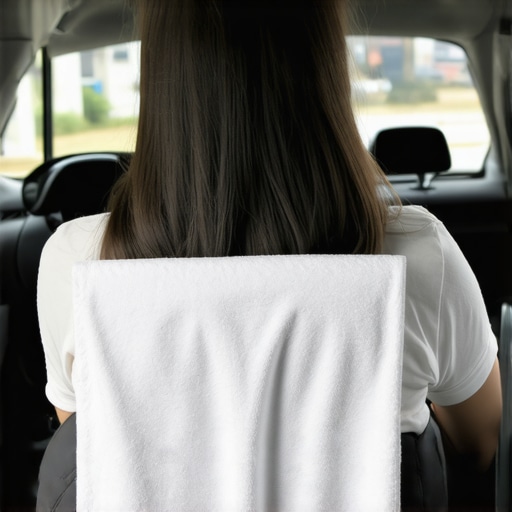
I clearly remember that moment—sitting in my car after a long road trip, feeling a dull ache creeping up my lower back. It was one of those days where I thought, “This can’t be normal; I should be able to drive comfortably!” But that discomfort had become all too familiar, sneaking up during extended drives and turning simple trips into painful errands. Until I stumbled upon a simple trick involving a rolled-up towel—a small change that made a huge difference.
Your Spine’s Secret Ally During Long Drives
If you’ve ever felt that pins-and-needles sensation or a stiff, sluggish back after hours in the car, you’re not alone. Many drivers unknowingly contribute to their own discomfort by neglecting spinal support during extended sitting. My journey to relief started with acknowledging a basic truth: proper support isn’t just a luxury; it’s a necessity for maintaining mobility and avoiding long-term issues.
Concerned That a Towel Won’t Make a Difference? Don’t Be
Initially, I was skeptical. It seemed too simple—just a rolled-up towel? Could that really help? I made the mistake early on of dismissing small adjustments, thinking they were superficial. But trust me, small changes build up. And in fact, research indicates that proper lumbar support can significantly reduce back pain and improve posture during prolonged sitting (source: Body Renew Therapy).
So, are you tired of arriving at your destination aching and stiff? Stick with me, because the solution I discovered isn’t just effective—it’s affordable and easy to implement. Just a simple rolled towel could be your new best friend on those long drives, helping you protect your spine and regain your comfort. Ready to find out how? Let’s delve into this simple but powerful tip that transformed my driving experience and could do the same for you.
Position Your Seat for Optimal Support
Start by adjusting your car seat to ensure your hips are slightly higher than your knees. As I learned during a particularly uncomfortable trip, sitting too low compresses your lumbar spine, increasing pain. Elevate the seat so your thighs are parallel to the ground, providing a solid foundation. Use the car’s seat adjustment lever to tilt the seat back slightly, aligning your spine with the seat and reducing strain. Personally, I spent 10 minutes experimenting with different angles until I found a position that kept my back relaxed for over an hour.
Use a Rolled Towel to Support Your Lower Back
This is the game-changer. Roll up a towel tightly and place it behind your lower back, specifically targeting the lumbar curve. The towel acts like a brace, maintaining proper spinal alignment and preventing slouching—which is common during long hours of driving. During my first trial, I rolled the towel on the fly and placed it against the seat’s built-in lumbar support, noticing immediate relief. This simple trick helps distribute pressure evenly across your lower back, alleviating sciatica symptoms.
Adjust Your Driving Posture and Movement Habits
Maintain an upright posture by keeping your shoulders back and down. Imagine your head being gently pulled upward by an invisible string—this keeps your neck aligned and prevents pain. Take regular breaks every 30-45 minutes, even if just for a minute, to stretch your neck and back. Doing neck rotations, shoulder rolls, and gentle spinal twists prevents stiffness. I once went a whole hour without moving, and my back paid the price; a quick stretch then made a remarkable difference on subsequent trips.
Incorporate Gentle Mileage-Specific Exercises
Before and after long drives, perform targeted mobility exercises such as the pelvic tilt or hamstring stretch. These movements loosen tight muscles that aggravate sciatica. The dead-bug exercise, in particular, is excellent for activating core stability without putting strain on your lower back. I added five minutes of such exercises to my routine, which noticeably reduced flare-ups during trips.
Optimize Your Environment for Continuous Support
Use ergonomic accessories like a lumbar cushion or adjustable headrest to support natural spinal curves. Keep your head aligned with your torso to avoid forward head posture—a common culprit behind neck tension and related back issues. I found that a small, firm cushion placed at the small of my back prevented me from slipping into a poor slouch. Small changes like these reinforce good posture habits during drives.
Monitoring and Adjusting for Comfort
Pay attention to signs of discomfort and adjust your support system accordingly. If you notice increased pain, reevaluate your seat positioning or add more lumbar support. Remember, support isn’t static; it requires active management. For comprehensive strategies to end discomfort, explore proven approaches at this resource.
,
Many individuals assume that their pain issues are solely mechanical or isolated problems, but the reality is far more nuanced. A common misconception is that all sciatic nerve pain stems from a herniated disc, leading people to seek invasive treatments when, in fact, lifestyle and subtle biomechanical factors often play a crucial role. For example, poor posture habits—like consistently slouching during work or binge-watching on the couch—can contribute to nerve compression and chronic discomfort without overt disc damage. Understanding these nuances can shift your approach.
Common Myths That Can Backfire
One prevalent myth is that rest heals all back pain. While initial rest may be necessary, prolonged inactivity often weakens supporting muscles, exacerbating the issue. It’s better to engage in targeted mobility exercises once acute pain subsides. Similarly, many believe that stretching universally helps; however, aggressive or improper stretching—especially of inflamed tissues—can worsen symptoms. This is particularly true for neural structures, which require specific glide movements rather than generic stretching. Proper movement strategies can make all the difference.
Beware the Advanced Pitfall of Overcorrecting
For those serious about improving mobility, a subtle but critical mistake is overcorrecting posture or attempting aggressive mobilizations without understanding individual biomechanics. Excessive force or incorrect technique can lead to nerve irritation or joint instability, prolonging recovery. Consulting with a professional who specializes in functional movement and spinal health—rather than relying solely on generic routines—is essential. One effective approach is integrating assessments that identify asymmetries or compensatory patterns before prescribing exercises. Expert-guided mobility ensures safety and efficacy.
Furthermore, many overlook the importance of subtle lifestyle factors, such as the way you carry your bag or how you position your workspace. Small adjustments, like ergonomically supporting your lumbar curve or avoiding prolonged static postures, significantly impact long-term health. In fact, a comprehensive strategy that includes mindful movement, environment optimization, and avoiding common pitfalls creates sustainable relief.
Why Your Neck Pain May Not Be What You Think
It’s tempting to attribute chronic neck pain solely to poor posture or computer use, but factors such as stress and muscle tension play underrated roles. Tension headaches and neck stiffness often originate from subconscious stress responses, leading to muscle tightness that restricts movement and worsens pain. Techniques like diaphragmatic breathing or stress management can reduce muscle guarding, improving overall mobility. For an in-depth look at stress-related neck issues, consider exploring this resource.
So, the next time you experience recurring pain, question your assumptions. Is it purely structural, or are lifestyle, stress, and subtle biomechanical factors contributing? By consulting detailed assessments and expert advice, you can avoid common traps and pursue a truly effective, personalized recovery path. Want more insights? Check out lifestyle changes that make a real difference. And remember, the key is understanding the full picture—beyond the surface—so you can make smart, sustainable choices.
Maintaining Mobility with Precision Tools
One of my favorite tools to ensure lasting back health is a quality foam roller, specifically the foam roller. I personally swear by using it for gentle tissue release after workouts or long sitting sessions. Unlike generic massage devices, a foam roller allows me to target tight muscle areas precisely, enhancing my flexibility and reducing nerve compression risk. Additionally, incorporating a specific set of core exercises, such as the dead-bug, has helped stabilize my lumbar region, preventing flare-ups over years.
How do I sustain my improvements over time?
Sustaining mobility isn’t a set-it-and-forget-it process. I prioritize regular mobility assessments, using tools like digital posture scanners to track subtle changes that might signal early issues. Furthermore, I schedule monthly sessions with a qualified movement professional, which could be a physical therapist or a specialized trainer, to evaluate my technique and adjust my routines accordingly. This proactive approach ensures I catch minor imbalances before they evolve into pain. As the trend of personalized, data-driven health management grows, I see wearable tech—like posture correctors or motion sensors—becoming mainstream, providing continuous feedback to keep us aligned.
Investing in ergonomic aids for longevity
Ergonomic accessories are vital for long-term support. I recommend using adjustable lumbar support cushions, such as those outlined in this guide, which conform to your unique spinal curve. I’ve found that changing my chair setup every few months helps prevent static postures that can cause muscle tightness or nerve entrapment. From ergonomic keyboards to standing desk converters, each element plays a role in maintaining spinal health.
What’s on the horizon for effective back care?
Looking ahead, I predict a significant rise in AI-powered mobility assessments and virtual reality-guided exercises, making personalized care more accessible. Already, companies are experimenting with real-time posture correction apps that analyze your movements via smartphone cameras, prompting immediate adjustments. Embracing these technologies early allows us to fine-tune our routines and avoid long-term deterioration. In the meantime, adopting proven methods—like incorporating my preferred foam rolling and core strengthening—is a solid step toward maintaining mobility.
Don’t wait for pain to interrupt your life. Try integrating a targeted mobility tool like a foam roller into your daily routine this week. Achieve better support and set the foundation for a resilient spine now!
Reflecting on my journey through back and neck discomfort, I realized that some of my most profound lessons came from embracing small, mindful changes. Here’s what I learned firsthand that might resonate with your experience:
- Patience Outruns Quick Fixes: Rapid solutions rarely address root causes. Persistent pain often requires consistent, gradual adjustments rather than shortcuts, as I discovered through my commitment to daily mobility routines.
- Support Is Personal, Not One-Size-Fits-All: What works for one person might not for another. I learned to listen to my body and tailor ergonomic setups, which significantly accelerated my recovery from sciatic flare-ups.
- Myth Busting Is Liberating: Believing that rest cures all led me astray. Active movement and targeted strengthening proved far more effective, emphasizing the importance of dispelling common misconceptions.
- Holistic Approach Matters: Addressing posture, stress, and lifestyle habits creates a synergy that fosters lasting relief. Incorporating stress-reduction techniques alongside physical support transformed my outlook and results.
- Consistency Is Key: Small, daily habits—like performing core exercises or adjusting my sitting posture—build resilience over time, helping me maintain mobility despite age or activity demands.
My Essential Toolkit for a Pain-Free Spine
Over years, I’ve curated a set of resources that continue to support my spinal health. These tools and references have deeply influenced my approach and can do the same for you. For starters, simple exercises aimed at strengthening your core are game-changers. The ergonomic guides I follow help me set up my workspace and car for optimal support. For a deeper understanding of the underlying issues, comprehensive strategies on managing sciatica have been invaluable. These resources empower me to maintain a resilient, pain-free lifestyle, and I believe they can do the same for you.
Take Action Now—Your Future Self Will Thank You
Improving back and neck health isn’t a distant goal; it’s a series of small, intentional steps that lead to lasting change. By integrating targeted exercises, ergonomic awareness, and stress management, you build a foundation for mobility that endures. Don’t wait for pain to become unmanageable—start today with simple adjustments, like supporting your lumbar curve or stretching regularly. Remember, each mindful choice today creates a healthier tomorrow. Your spine’s future depends on what you do now, so take action and commit to the journey toward greater comfort and freedom from pain.
What’s one small change you’re willing to try this week to improve your back or neck health? Let me know below—I’d love to hear your plans!
,