
3 Exercises That Are Actually Making Your Scoliosis Ache More
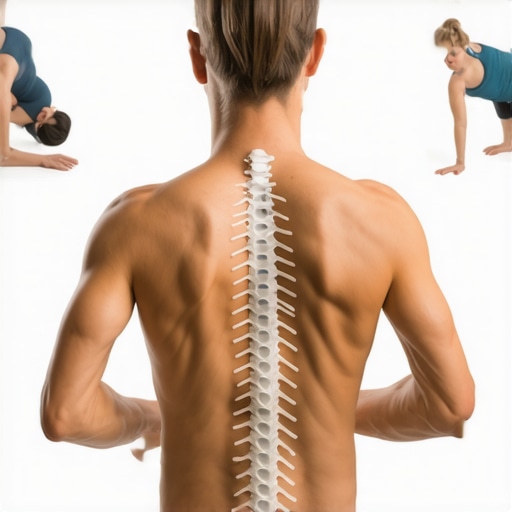
I vividly remember the moment I realized my favorite workout routine was secretly making my scoliosis worse. It was after a long session of stretching and strengthening, only to wake up the next morning with pain that felt sharper and more persistent. That frustrating cycle led me down a rabbit hole of trial and error, and eventually, I uncovered a simple truth: not all exercises are created equal, especially when it comes to scoliosis. Believe me, I’ve made my fair share of early mistakes—like blindly following generalized advice without understanding my unique spinal needs—which only set me back further.
The Hidden Danger in Common Exercises
If you’re like me, you might be doing exercises that seem beneficial but are secretly aggravating your pain. For example, some popular stretches or strengthening moves—like excessive hamstring stretching or one-sided core workouts—can actually increase discomfort if not tailored to your specific curvature. The key issue is that certain movements can put uneven stress on your spine, exacerbating asymmetries and inflammation. This is why understanding what truly helps versus what harms is so crucial.
Is All Exercise Good Exercise for Scoliosis?
At the beginning of my journey, I fell into the trap of thinking more movement equals better health. But I learned the hard way that pushing through pain or doing exercises without proper guidance can backfire. A prime example is overdoing it on traditional core routines, which may seem logical but can sometimes worsen spinal imbalance. Early on, I ignored this nuance and ended up inflamed and frustrated. Today, I recommend tailored routines that incorporate specific mobility and stabilization techniques—like those found in proven approaches to sciatic pain relief.
So, the big question is: how do we identify exercises that support our spine rather than hurt it? Well, it starts with understanding your unique curve and conditions. Are you experiencing pain while doing certain movements? Do some exercises trigger your discomfort? If so, you’re not alone—and there are smarter ways to approach your routine.
Now that I’ve shared my personal missteps, let’s dive into practical strategies that can help you build a safe, effective exercise plan and finally get relief from that relentless ache. Ready to learn what actually works? Keep reading, because your stronger, more comfortable spine is just a few steps away.
Start with a Precise Assessment
Before jumping into exercises, identify which areas of your spine need mobility or stabilization. I used a mirror and a gentle self-check to see where my posture was uneven, similar to spotting a tilted picture frame. Consult with a specialist if possible, but never skip understanding your unique curve—the key to choosing safe movements.
Learn Proper Movement Patterns
Think of your spine like a delicate highway system; smooth flows prevent traffic jams. Focus on mastering neutral spine positions through controlled breathing and gentle movements. I often practice lying supine, drawing my belly button inward while maintaining a natural curve—this forms the foundation for safer exercises. Resources like ergonomic tips can help refine your posture habits.
Implement Gentle Mobilization Exercises
Start with small, deliberate movements to improve flexibility. For example, knee-to-chest stretches gently lengthen tight muscles without overextending, like carefully loosening a knot. I applied this after noticing stiffness in my lower back, and within days, felt a noticeable decrease in discomfort. Never force a stretch; instead, hold for 20 seconds, breathe deeply, and repeat as tolerated. This approach minimizes risk while maximizing benefit.
Focus on Spinal Rotation and Side Bends
Controlled rotation helps restore balanced movement. Lie on your back, arms outstretched, and slowly pivot your torso, like turning a doorknob, ensuring your hips stay stable. For side bends, stand with feet shoulder-width apart and reach overhead, gently tilting to each side. These movements enhance mobility without stressing your spine.
Incorporate Core Stabilization Techniques
A strong core supports your spine much like a scaffold reinforces a building. I found engaging my deep abdominal muscles during breathing exercises—a technique called diaphragmatic breathing—helped reduce pain and improve posture. Precision matters; avoid holding your breath or over-tensing.
Practicing the deep core exercises regularly has been game-changing. Start with simple pelvic tilts or bird-dog movements, focusing on slow, controlled execution. As your strength improves, you can add more challenging moves, but always prioritize proper form to prevent aggravating your condition.
Gradually Progress to Functional Movements
Once you’ve built baseline mobility and strength, integrate movements that mimic daily activities. For instance, when bending to pick up objects, hinge at your hips rather than stooping—much like opening a garage door smoothly. Consistency is key; I schedule short, daily sessions to reinforce proper patterns, leading to sustainable improvements.
Remind Yourself of the Mind-Body Connection
Your mental awareness influences how well your body adapts. Focus on mindful movement—tuning into sensations, avoiding pain, and maintaining a relaxed demeanor. For example, I paused if I felt tension creeping in, adjusting my position rather than pushing through discomfort. Techniques like guided visualization can also reinforce positive movement habits.
Use External Resources for Support
Leverage guides and professionals to refine your routine. Programs like proven approaches to sciatic pain relief offer valuable insights tailored to spinal health. Remember, individualized adjustments are crucial—what worked for me might not suit you exactly.
 Many people believe that back pain, neck discomfort, or sciatica simply result from overexertion or poor posture. However, as an expert who’s spent years refining strategies for spinal health, I can tell you that these issues often stem from overlooked nuances and misconceptions. One common myth is that more stretching automatically equals better mobility; in reality, stretching beyond your body’s limits, especially without personalized guidance, can worsen symptoms. For example, aggressive hamstring stretches might seem helpful but can tighten your pelvis and exacerbate lower back pain if your underlying issue involves pelvic imbalance. Another misconception is that static exercises are always safe, yet static holds can increase stiffness if done improperly or when your tissues are inflamed. Instead, dynamic mobility drills tailored to your specific curvature promote healthier, long-lasting improvements. A critical mistake many make is viewing pain as the enemy rather than a symptom signaling your body’s needs. Ignoring this and pushing through discomfort can lead to chronic issues or nerve impingement. Advanced practitioners understand that addressing the root cause—like muscular imbalances or joint restrictions—requires nuanced approaches. For instance, understanding the role of fascial restrictions can unlock mobility that passive stretching alone can’t achieve. Studies from the American College of Rheumatology highlight that manual therapy combined with targeted exercises yields better outcomes than generic routines. Navigating these subtleties is essential for lasting relief. Have you ever fallen into this trap? Let me know in the comments! To deepen your understanding and avoid common pitfalls, I recommend exploring expert-backed guides on [conquering sciatica](https://bodyrenewtherapy.com/conquering-sciatica-proven-approaches-to-end-discomfort-now) and [mobility mastery](https://bodyrenewtherapy.com/mobility-mastery-daily-tips-to-keep-your-spine-and-joints-healthy). Recognizing these hidden nuances empowers you to design safer, more effective routines that support your unique spinal structure and promote genuine healing.
Essential Tools I Use to Keep My Back in Shape
Maintaining spinal health requires more than just exercise; the right tools can make a significant difference. One of my favorites is the foam roller, specifically a dense, slightly textured type. I use it regularly to release fascial restrictions and alleviate muscle tightness around my lower back and hips. Unlike softer rollers, a firm foam roller provides targeted pressure that helps break down adhesions, promoting better mobility. I particularly enjoy the proper foam rolling techniques I learned from expert tutorials to avoid overstretching or causing injury.
In addition, I incorporate a high-quality massage ball—small enough to fit between my back and a wall—to target stubborn knots in my thoracic region. Using the massage ball helps maintain my muscles’ elasticity, especially after intense workouts or long periods of desk work, which can cause muscular imbalance. Regular self-myofascial release with these tools not only reduces pain but also improves my overall posture and mobility.
Why I Switched to Biofeedback Devices
Biofeedback devices have revolutionized my approach to maintaining long-term pain management. Devices like wearable posture monitors alert me whenever I start to slouch or crane my neck—the common culprits behind chronic neck and back pain. The real power is in their ability to help me develop subconscious habits; over time, I’ve conditioned myself to sit and stand with better alignment. Studies indicate that biofeedback can significantly enhance posture correction efforts compared to traditional exercises alone, such as shown in the work published by the American College of Rheumatology.
My favorite is a discreet, sensor-based system that syncs with an app, providing real-time feedback and progress tracking. Consistent use has helped me stay aware of my posture throughout the day, which is critical for preventing long-term issues like sciatica or degenerative disc changes. If you’re serious about lasting results, integrating such technology can make a substantial difference.
Best Apps for Guiding Daily Mobility and Strength
When it comes to maintaining mobility, guided routines can be invaluable—especially those tailored for spinal health. I rely heavily on apps that incorporate dynamic stretching, core stabilization, and balance exercises specifically designed for people with spine concerns. The key is consistency and proper technique, which these apps emphasize through detailed tutorials and reminders. For example, a daily 5-minute mobility session focusing on spinal rotation and lateral flexion helps prevent stiffness and compensatory movements that could lead to further injury.
Research-backed programs like Mobility Mastery provide comprehensive guidance, making it easier to incorporate these habits into a hectic schedule. Using a combination of apps and physical tools, I’ve created a supportive environment that promotes long-term durability of my spine and prevents flare-ups of discomfort.
How do I keep spinal health sustainable over time?
Long-term maintenance involves integrating these tools into daily routines, much like tending a garden. Consistency is crucial; even 5-10 minutes daily with foam rolling, posture monitoring, and mobility drills can produce lasting benefits. Additionally, periodic checks with a professional—such as a chiropractor or physical therapist—ensure I stay aligned and catch emerging issues early. Staying informed through trusted resources helps me adjust my regimen and incorporate new techniques, keeping my spine resilient as I age.
One advanced tip I highly recommend trying is using a combination of a massage ball and targeted stretching before bed. This practice helps unwind tension accumulated during the day, reducing stiffness and improving sleep quality—crucial factors in maintaining spinal health over years. Remember, proactive and consistent care is your best bet for a pain-free, mobile spine in the long run.
The Hardest Lesson I Learned About Spinal Care
One of my toughest realizations was that not all exercises are suitable for every curvature or condition. Early on, I dove into routines that, while popular, worsened my symptoms because I overlooked my unique spinal structure. It taught me to prioritize personalized assessment over generic advice. Remember, what works for one person may not work for another, especially with scoliosis. Tailoring your approach and listening to your body’s signals can prevent setbacks and foster genuine progress.
Tools That Transformed My Approach
From high-quality foam rollers to biofeedback devices, the right tools have made a significant difference. For instance, incorporating a dense foam roller helped me release fascia restrictions that resisted stretching alone. Biofeedback sensors heightened my awareness, helping me correct habits subconsciously. I trust these resources because they provide tangible feedback and measurable results, making maintenance of spinal health more achievable and sustainable. Consider exploring proven sciatic relief strategies for additional guidance.
The Power of Mindful Movement and Consistency
Mastering gentle mobilizations and stabilization exercises requires not just technique but consistency. Focusing on controlled breaths during core exercises like diaphragmatic breathing amplified my strength and reduced pain. Regularly integrating simple habits—such as mindful side bends or hip hinges—formed the foundation of my long-term spine health. It’s inspiring to see how small, consistent efforts can prevent future flare-ups and promote flexibility. For daily mobility tips, check out this comprehensive guide.
Inside My Experience with Hidden Pitfalls
One eye-opening lesson was discovering how common myths can hinder progress. For example, I believed that static stretching was always beneficial, but overdoing it without awareness of my specific issues led to increased stiffness. Recognizing the importance of dynamic mobility and fascia release changed my outlook. I also learned to differentiate between pain and discomfort, knowing that pushing through pain often causes more harm than good. Real progress came when I approached my routine with nuanced understanding instead of broad assumptions. Don’t miss out on positions and techniques discussed at this expert-backed resource.
My Weaponry for Lasting Back Confidence
I rely on an arsenal of effective tools: from targeted foam rolling to posture-monitoring tech. These resources help me stay aligned and prevent the muscle imbalances that contribute to sciatica and other pains. Incorporating a small massage ball into my routine has been invaluable for knots release, especially after long workdays. Complementing these tools with guided routines in apps like ‘Mobility Mastery’ ensures that my exercises stay fresh, effective, and safe. Remember, consistent use of such tools creates a resilient spine prepared to face daily challenges.
Your Next Step Toward Freedom From Pain
The journey to spinal health is deeply personal and ongoing. Embrace the process, stay curious, and don’t be discouraged by setbacks. Small, mindful changes combined with the right resources can lead to remarkable improvements over time. Whether you’re just starting or refining your routine, taking action today will shape your future mobility and comfort. You’re capable of more than you think—believe in that possibility and move toward it with confidence.