
The dead bug exercise: Your spine’s best friend

One evening, I found myself curled up on the couch, desperately trying to ignore that familiar ache in my lower back. It had been sneaking up on me for weeks, worse after long days at my desk and even worse after my weekend gardening efforts. Suddenly, I had a lightbulb moment—what if I was unknowingly neglecting the one thing that could truly make a difference? That moment marked the beginning of my journey with the dead bug exercise, a simple movement that transformed my understanding of back health.
Your Spine’s Best Friend: The Dead Bug Exercise
I used to think that building core strength meant endless crunches or planks that left me breathless. But I learned that not all core exercises are created equal—some can do more harm than good, especially if performed improperly. The dead bug exercise, in particular, stood out because of its gentle yet effective approach to stabilizing my lower back and improving mobility.
What’s incredible is that this exercise addresses a fundamental issue many of us overlook: pelvic and lumbar stability. When your spine is properly supported during movement, the chances of pain and future injury diminish significantly. I realized early on that a common mistake was rushing through core routines without ensuring proper form or ignoring the importance of coordinating breath and movement. That mistake almost kept me in a cycle of discomfort, but once I adjusted my approach, I began to notice real improvements.
If you’ve been battling recurring back pain or feeling hesitant about starting a new exercise routine for your spine, you’re not alone. Many people dismiss these exercises fearing they’re too complicated or ineffective. But let me assure you, there’s real power in simple movements that prioritize control and awareness.
The good news? You don’t have to be a fitness expert to incorporate the dead bug into your daily routine. And it’s not just about pain relief—enhancing your core stability can improve your posture, boost mobility, and even elevate your confidence in everyday activities like bending, lifting, or even sitting comfortably.
Interested in how you can get started? I’ll guide you step-by-step through this exercise and share tips to maximize its benefits. Trust me, your spine will thank you.
However, before diving into the practicals, it’s essential to understand why so many of us struggle with back issues and what common pitfalls to avoid. For instance, I once skipped the importance of engaging my lower abs properly, which rendered my efforts ineffective. Learning from such mistakes is how I finally made progress.
Ready to discover how this simple exercise can make a profound difference in your back health? Let’s explore the technique that turned my back pain around and could do the same for you.
Position Yourself Correctly
Lie face up on a comfortable surface, like a yoga mat, with your arms extended straight above your shoulders and your knees bent at 90 degrees, feet flat on the ground. I remember one evening when I first tried this, I kept losing balance, but adjusting my head slightly and focusing on pressing my lower back into the floor made all the difference.
Engage Your Core Gently
Begin by gently activating your deep abdominal muscles, as if trying to pull your belly button toward your spine without holding your breath. This engagement stabilizes your lumbar spine, akin to tightening the backbone of a building before stressing it. I found that rushing this step led to ineffective movements, so I took my time connecting with my core muscles.
Control the Opposite Limb Movement
Slowly extend your right arm straight back, overhead, while simultaneously extending your left leg forward, keeping both a few inches off the ground. Think of it as a controlled switch—like a light being turned on gradually rather than flicked. During my first attempt, I felt my hips wobbling, but focusing on maintaining my pelvis steady and engaging my core prevented unwanted movement.
Breath and Hold
As you extend your limbs, breathe out slowly; then, during the return to starting position, breathe in. Remember, proper breathing acts like a rhythm that keeps your muscles coordinated. I once skipped this, which caused my movements to feel rushed and my back to feel strained.
Return with Precision
Bring your limbs back to the starting position slowly and with control, ensuring your lower back remains pressed against the floor. This cautious approach is vital because, just like balancing a tightrope, quick moves can disrupt stability. Initially, I had a habit of dropping my limbs too quickly, which compromised my form and limited benefits.
Repeat with Consistency
Perform 8-12 repetitions per side, maintaining perfect form throughout. Consistency is key; over time, this exercise trains your nervous system to activate deep stabilizers more effectively, providing long-term relief.
Micro-Story: Applying This Technique
Once, after a long day of gardening, I was tempted to skip this exercise, but I remembered the importance of gentle movements. I spent a few minutes practicing it, focusing on slow, controlled extensions. The next day, I woke up without that familiar lower back stiffness, reaffirming that proper technique yields tangible results.
Watch for Common Pitfalls
Avoid arching your back during limb extension or letting your pelvis tilt. These mistakes can negate the benefits and even cause pain. To summarize, focus on maintaining a neutral pelvis and a stable spine—that’s the secret to making this move work for you.
Embedding this core control into your routine can dramatically improve your mobility and reduce back discomfort. For more insights into safe and effective exercises, explore simple exercises that make a difference.
Many believe that back pain, sciatica, and neck discomfort stem solely from muscle strains or poor posture, but this oversimplification masks crucial nuances. One common myth is that simply strengthening core muscles or stretching will resolve chronic issues—a misconception that can lead to overlooked underlying causes like nerve involvement or joint dysfunction. In fact, overemphasizing isolated strengthening exercises without addressing global movement patterns and joint health may cause more harm by creating muscle imbalances or compounding inflammation.
Are You Missing the Fine Line Between Flexibility and Stability?
Understanding the distinction between flexibility and stability is essential. For example, overly aggressive stretching can destabilize joints, especially if it causes ligaments to loosen, increasing injury risk—something many exercise routines fail to consider. Research from the National Academy of Sports Medicine highlights that stability exercises that focus on motor control and neuromuscular training have greater long-term benefits than passive stretching alone. Remember, your spine is a delicate structure requiring nuanced care, not just generic routines.<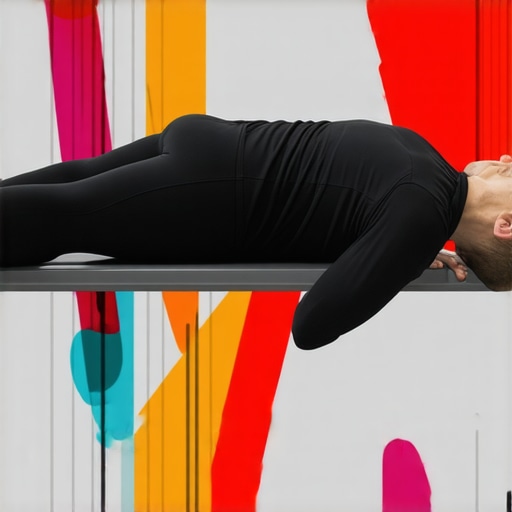 >Another trap is neglecting the role of joint lubrication and disc health. Movements that seem harmless—like twisting or bending—can aggravate underlying degenerative changes if performed improperly or too aggressively. The mistake here involves assuming pain always signals a need to rest; sometimes, it’s a sign that movement needs modification, not cessation. Advanced practitioners realize that understanding individual joint limits and stages of degeneration guides safer, more effective exercise choices.
Furthermore, many try to fix pain by focusing solely on symptomatic relief—such as painkillers or passive therapies—without addressing the root causes like poor movement patterns, weak stabilizers, or proprioceptive deficits. This oversight often results in recurrences and chronicity. The key is to integrate dynamic assessments into your routine, ensuring exercises improve global function rather than just alleviate symptoms temporarily.
So, how can you tell if your approach is missing the mark? Consider whether your current regimen includes comprehensive movement variability, joint-specific exercises, and core stabilization tailored to your unique needs. If not, it might be time to revisit your strategy, perhaps with guidance from a professional familiar with the subtleties of spinal health.
Have you ever fallen into this trap? Let me know in the comments or explore expert-tested strategies at this resource for a smarter approach to back and neck health.Maintaining a healthy back requires more than just periodic exercises; it involves using the right tools and adopting consistent habits that support long-term mobility and pain prevention. One indispensable tool I personally rely on is a quality foam roller. Unlike cheap, hard rollers, I prefer a medium-density foam roller because it effectively releases tension from my muscles without causing undue discomfort. Regular rolling helps prevent myofascial restrictions, which are often the unseen culprits behind recurring pain. Incorporating a foam roller into my nightly routine has significantly reduced flare-ups, especially after intense days of activity.
Another essential device I recommend is a heat wrap. Applying heat to affected areas, particularly after waking or before bedtime, promotes blood flow and relaxes tight muscles. I use an infrared heat wrap that can be wrapped around my lower back or neck—areas prone to stiffness. The key advantage is that infrared heat penetrates deeper, providing sustained relief and preparing my spine for gentle movement. For consistent application, I set a timer for 15 minutes, ensuring safety and effectiveness.
For tracking progress and adjusting your routines, I use a digital posture trainer. This device continuously monitors your spinal alignment and alerts you when poor posture habits develop during daily tasks like working at a desk. It’s a game-changer for maintaining ergonomic awareness and preventing postural deterioration over time. I’ve found that wearing the device for a few hours daily leads to subtle but meaningful improvements in my posture, reducing neck and shoulder tension.
Looking into the future, I predict that intelligent biofeedback devices will become more integrated with everyday health routines. Advances in wearable technology will provide real-time data on muscular engagement, joint stress, and even nerve function. This information will empower us to tailor preventative strategies with precision, reducing reliance on reactive treatments.
How do I keep my back and neck healthy over the years? Consistency is vital. I set aside 10 minutes nightly to perform my foam rolling and gentle stretching routines, focusing especially on areas that tend to tighten after prolonged sitting. Additionally, I schedule quarterly consultations with a physical therapist who uses video assessments to fine-tune my exercises and ensure my tools remain effective. Combining these habits with reliable tools has kept me active and pain-free, even as I age.
If you’re serious about long-term mobility, consider integrating a foam roller into your regimen and explore ergonomic aids like posture trainers. Remember, maintaining spinal health is a journey, not a one-time fix. For more tips on sustainable back care, visit this resource.
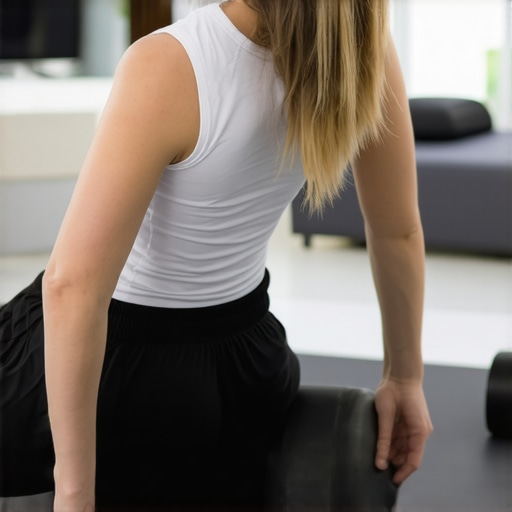
To maximize your durability and comfort, invest in a versatile foam roller designed for spinal release. Look for one with textured surface for better grip and control during self-massage sessions.
Through my journey of tackling chronic back pain, I uncovered that significant improvements often come from embracing mindful, controlled movements rather than relentless volume. One vital lesson was realizing that rush and neglect of proper form could turn a beneficial exercise into a painful mistake, emphasizing quality over quantity. Additionally, I learned that addressing root causes—like muscle imbalances and joint stability—requires patience and a willingness to adapt routines rather than sticking to cookie-cutter solutions. Lastly, the power of consistency, even with small daily habits, proved crucial; small, mindful movements compounded over time bring profound healing and resilience to our spines.