
The Simple Change to Your Desk Setup That Ends Wrist and Neck Pain
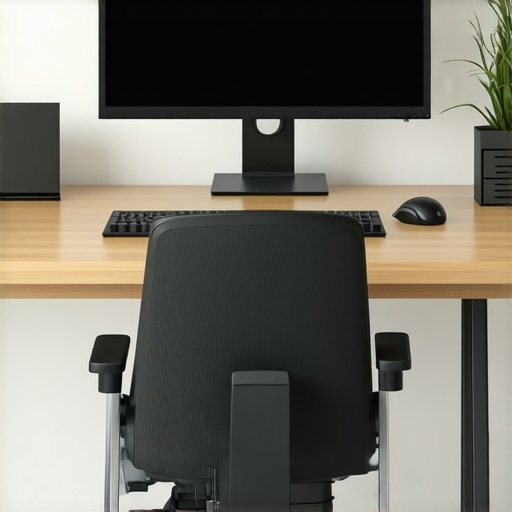
I remember the exact moment I realized my desk setup was whole-heartedly sabotaging my daily comfort. It was a typical Tuesday afternoon when I felt that sharp, stabbing pain radiate from my neck down to my shoulders, making it almost impossible to focus on work. That uncomfortable twinge turned into a persistent ache, and before I knew it, I was dreading every sitting session. I knew I couldn’t keep living this way, constantly fighting off discomfort after hours at the computer. But honestly, I was overwhelmed by the endless advice out there—ergonomic chairs, standing desks, fancy accessories—and felt stuck. Then, I had a lightbulb moment: the solution might be something surprisingly simple, something I could do myself without spending a fortune or reorganizing my entire life.
Why Your Desk Setup Could Be Causing Chronic Pain
In my journey to find relief, I discovered that a single, small adjustment to my desk position made an enormous difference. It wasn’t about investing in the latest ergonomic gadgets; it was about understanding how to optimize what I already had. Poor posture and misaligned screens can lead to repetitive strain on your wrists, neck, and shoulders, often resulting in headaches, stiffness, and even nerve issues. Studies show that improper workstation setup is a leading cause of musculoskeletal discomfort among desk workers, with many people unknowingly compounding their problems through simple mistakes like the height of their monitors or the angle of their keyboard.
Early on, I made the mistake of neglecting the importance of screen height, which caused my neck to cranear down excessively. This added stress over time, transforming into chronic pain. If you’re feeling the same, know that these issues are incredibly common—you’re far from alone. The key, I realized, is to make incremental, targeted changes that align your body naturally and reduce strain.
If you’ve experienced persistent neck, wrist, or shoulder pain after long hours at your desk, keep reading. I’ll share the small but powerful tweaks that helped me end years of discomfort. And trust me, these tips are backed by expert advice, like that shared by physical therapists at [Body Renew Therapy](https://bodyrenewtherapy.com/enhance-your-back-mobility-ergonomic-tips-for-everyday-comfort), who emphasize the significance of ergonomic alignment for long-term health. Are you ready to regain your comfort and productivity with just a few simple changes?
Adjust Your Monitor Height to Eliminate Strain
Start by setting your monitor so that the top of the screen is at eye level. You can use books or a stand to elevate your screen if it’s too low. This prevents your neck from craning down or up, which over time causes stiffness and pain. Remember the feeling of looking down at a book — prolonged neck flexion adds stress. I once struggled with persistent neck aches until I placed my monitor on a stack of books, aligning my gaze perfectly. The relief was immediate and long-lasting.
Use Visual Cues for Proper Height
When adjusting, aim for a natural, relaxed neck position. Your eyes should rest comfortably on the top third of your screen. This reduces the tendency to tilt or rotate your head unnaturally. Making this small tweak can prevent the misalignments that lead to chronic pain.
Set Your Keyboard and Mouse for Better Posture
Position your keyboard and mouse so that your elbows are at approximately 90 degrees and close to your sides. This minimizes shoulder and wrist strain. Think of your arms as pendulums: keeping them close reduces unnecessary tension. I once extended my arms forward to reach my keyboard, which caused upper arm discomfort. After pulling my keyboard closer, my shoulders relaxed, and pain diminished within days.
Use Supports to Keep Wrists Neutral
Consider wrist supports or pads to maintain a neutral position. Avoid resting your wrists at extreme angles, which can cause nerve compression. Small adjustments like these can prevent repetitive strain injuries over time.
Position Yourself for a Healthy Back
Ensure your chair supports your lumbar curve. Use a pillow or lumbar roll if needed. Sit back fully, avoiding slouching or leaning forward. I made the mistake of sitting on the edge of my chair, which stressed my lower back. Once I adjusted my seating position and added lumbar support, discomfort stopped and posture improved.
Take Micro Breaks to Reset Posture
Every 30 minutes, stand, stretch, or walk briefly. These micro-movements prevent stiffness and promote circulation. I learned this when I started feeling numbness in my legs after long sitting. Short breaks helped me stay alert and healthy.
Implement Gentle Mobility Exercises Daily
Incorporate simple stretches to enhance flexibility and reduce tightness. For example, the chin tuck strengthens neck muscles and counteracts forward head posture. I do these exercises every morning and notice less tension during my workday. Consistency is key for lasting relief.
Practice Deep Breathing for Tension Release
Deep diaphragmatic breathing calms muscles and nerves alike. Inhale deeply through your nose, hold for a few seconds, then exhale slowly. This technique has helped me manage stress-related tension that exacerbates physical discomfort.
Stay Mindful of Phone and Posture Habits
Avoid looking down at your phone for extended periods. Use stands or hold your device at eye level. Just like secondhand smoke, poor habits silently worsen pain. Making conscious adjustments can protect your cervical spine from cumulative damage.
Develop a Routine That Reinforces Good Habits
Set reminders to correct your posture throughout the day. Over time, these habits become second nature, reducing the risk of chronic pain. I’ve found that small, consistent changes yield the most durable improvements.
When it comes to managing mobility issues, sciatica, or neck and back pain, many assume that doing more stretching or strengthening exercises will always lead to relief. However, there’s a nuanced aspect that often gets overlooked: the quality of movement and the underlying movement patterns matter far more than sheer activity volume. Common myths like “if I stretch daily, my pain will disappear” can be misleading, as some stretches—like certain hamstring or piriformis stretches—may actually exacerbate symptoms if performed incorrectly or in the wrong conditions, potentially worsening nerve compression or muscle imbalance.
One major mistake I see repeatedly is the belief that pain is always a sign of weakness or injury that must be fixed with aggressive mobilization. In reality, chronic pain often results from compensatory movement patterns ingrained over time; attempting to force mobility without addressing these patterns could reinforce poor habits and pain cycles. To truly improve, understanding and correcting dysfunctional movement patterns—such as anterior pelvic tilt or rounded shoulders—are crucial. Advanced techniques like neural gliding or specific fascia releases, which most beginners skip, can unlock restricted mobility that stretching alone cannot reach. For example, focusing solely on hamstring flexibility without considering pelvic alignment might lead to increased tension and discomfort, not relief.
Furthermore, many believe that static stretching is the go-to solution, but research indicates that proprioceptive neuromuscular facilitation (PNF) and dynamic mobility drills produce longer-lasting improvements in movement and pain reduction. Over-stretching in a cold muscle can cause micro-tears or overstress tendons, especially when performed aggressively or without adequate warm-up. Recognizing this, seasoned practitioners emphasize gentle, controlled movements and proper warm-up routines to prevent injury.
For advanced insight, one might ask: How do neuromuscular control and proprioception influence chronic pain management? Improving proprioceptive awareness—your body’s ability to sense its position—can drastically alter movement quality, reduce injury risks, and diminish pain episodes. Techniques like balance training, unstable surface exercises, or even controlled chaos movements help retrain the nervous system, stabilizing joints and promoting healthy movement patterns. These methods are supported by research from reputable sources like the National Institutes of Health, which highlight neuromuscular training as a key component in effective rehabilitation.
In summary, the crucial nuance is that maximizing mobility and reducing pain isn’t just about more stretching or strengthening, but about enhancing neuromuscular control, correcting faulty movement habits, and understanding the body’s complex feedback systems. I invite you to reconsider your approach: Are you addressing the root movement patterns or merely symptoms? For deeper strategies, check out these expert tips on mobility management. Have you ever fallen into this trap? Let me know in the comments.Maintaining the progress you make in alleviating mobility issues, sciatica, or chronic neck and back pain requires more than just temporary fixes; it demands the right tools and consistent habits. Over the years, I’ve refined my toolkit based on what truly works, focusing on equipment and methods that promote long-term resilience and ease of scaling your health routines. Here’s what I recommend.
First, investing in a high-quality ergonomic chair isn’t just about immediate comfort—it’s about fostering proper spinal alignment every day. I personally use the Steelcase Leap, renowned for its adjustable lumbar support and seat depth, which fosters optimal postural support and reduces strain during long work sessions. Pairing this with a sit-stand desk like the Uplift V2 allows me to alternate between sitting and standing, reducing the cumulative pressure on my lumbar spine—something supported by research at enhance your back mobility.
Second, tools for mobility drills make a noticeable difference. I swear by resistance bands for gentle strength activation and fascia release. During my daily routine, I incorporate theTheraBand, which I loop around my shoulders for scapular stabilization, fundamental for preventing rounded shoulders and neck tension. Regular use of such bands has helped me fine-tune my posture, flexibly scale my routine, and prevent setbacks.
Third, software and apps have become invaluable. I use the software Zone of Control to monitor my posture with real-time feedback, encouraging habits like micro-adjustments to maintain spinal alignment. Apps like Upright not only remind me to check my sitting posture but also track improvements over time, reinforcing long-term habits.
Predicting where the trend is headed, I believe wearable biofeedback devices will become more sophisticated, refining how we proactively manage posture and muscle balance throughout the day. As technology advances, integrating biosensors with real-time coaching data will enable us to customize our movement patterns even better.
How do I maintain mobility and spinal health over time? Consistency, smart tool integration, and ongoing education are key. One advanced technique I recommend trying involves neural gliding exercises for the sciatic nerve, which can alleviate nerve irritation without invasive procedures. Implemented correctly, these exercises scale well and can be tailored to individual needs.
To get started, consider adding a resistance band sequence to your daily routine or exploring posture feedback applications. Small, focused effort over weeks leads to lasting improvements. For personalized strategies, check out expert mobility tips for managing back pain and see how technology can support your journey.
The Hardest Lesson I Learned About Mobility and Chronic Pain
The most profound realization came when I stopped chasing quick fixes and started addressing the root movement patterns that caused my pain. I used to believe that stretching endlessly or investing in fancy ergonomic chairs would solve everything, but I learned that without correcting dysfunctional habits, relief was only temporary. This epiphany helped me shift from symptom management to sustainable healing.
You Don’t Need a Penny to Start Improving Your Posture and Movement
Simple, mindful adjustments—like aligning your monitor or sitting with your feet flat—cost nothing but can save you years of discomfort. I found that awareness and consistency trump expensive gadgets every time. Trusting your body’s signals and making small daily tweaks create momentum for lasting change, proving that sometimes the best investments are free.
Patience Outshines Everything in True Long-Term Change
Fast results are tempting, but real progress in mobility and pain relief demands patience and persistence. My own experience taught me that consistent action over months beats sporadic attempts, fostering resilience and deep neurological change. Embracing this patience allowed me to truly transform my movement patterns and stay committed to my health journey.
Curated Resources for a Smarter Approach to Back and Neck Health
- Effective Ergonomic Tips for Daily Comfort: I trust these practical ergonomic strategies because they focus on simple, sustainable adjustments rather than gimmicks.
- Master Your Sciatica Relief: The comprehensive guide to managing sciatica offers insights I wish I had early on, emphasizing movement correction over pills or pads.
- Daily Mobility Practices That Actually Work: I incorporate these targeted exercises into my routine, which have kept my joints healthy and pain-free.
- Understanding the Link Between Posture and Pain: Deepen your knowledge with this insightful resource.
The Time to Act Is Now—Your Future Self Will Thank You
Taking charge of your mobility and pain today isn’t just about avoiding discomfort; it’s about reclaiming your quality of life. Small, consistent steps—like adjusting your workspace or embracing mindful movement—compound into powerful, lasting change. Remember, your body is your most valuable asset, and caring for it today sets the foundation for a pain-free tomorrow. Don’t wait for pain to dictate your life—start making those simple adjustments now. Have you ever tried a tiny change that unexpectedly transformed your comfort? Share your story below, and let’s inspire each other to move better every day.
.