
How Tight Calves Are Secretly Pulling on Your Lower Back All Day
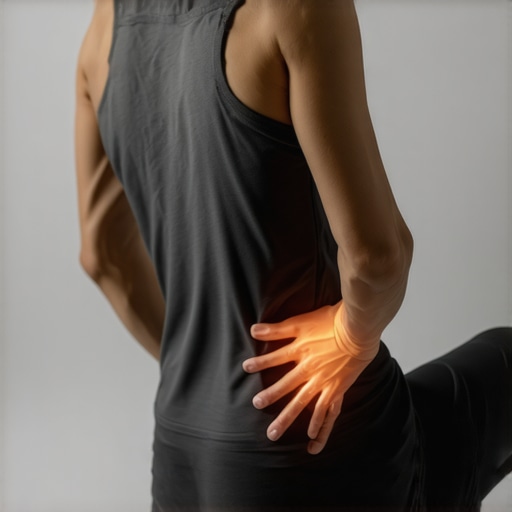
I remember the morning I finally realized why my lower back had been aching relentlessly, despite countless visits to the chiropractor and endless stretches. It hit me during a simple walk—my calves felt unusually tight, and as I pushed through the discomfort, an unexpected lightbulb went off. That nagging lower back pain? Turns out, it was silently being pulled and strained by tight calves all along.
The Hidden Link Between Your Calves and Back Pain
Many people dismiss calf tightness as just a leg issue, but trust me, it’s more interconnected than you’d think. When your calves are chronically tight, they can disrupt your natural alignment and movement patterns, which then unconsciously pulls on your lower back muscles. It’s like a domino effect—tension in the calves can lead to compensations higher up the chain, often manifesting as persistent back pain.
This realization changed my approach completely. Instead of focusing solely on my back, I started paying attention to my calves, and the results were astonishing. Within days of integrating simple calf release exercises, the tension in my lower back began to ease. I want to share this insight with you because so many suffer needlessly, unaware of the root cause—tight calves.
But why has it taken so long for this connection to be widely acknowledged? Simply put, most of us overlook our calves because they don’t seem directly related to back health. Early in my journey, I made a common mistake: I focused only on strengthening my core and stretching my back, ignoring my lower legs. That’s why understanding the full picture matters—addressing calf tightness can be a game-changer.
Are you someone who experiences stubborn lower back pain despite doing all the supposed “right” things? If so, I invite you to keep reading. We’ll explore practical steps to loosen those tight calves, improve your mobility, and finally put an end to back discomfort once and for all.
Is Your Back Pain Really Worth the Hype?
Here’s the thing—many people believe severe back pain requires invasive solutions, but often, small adjustments in how you care for your calves and hips can lead to significant relief. Early on, I underestimated the importance of calf flexibility, thinking it wasn’t a big deal. That was a mistake. According to a study published in the Journal of Orthopaedic & Sports Physical Therapy, calf tightness can significantly influence lower limb biomechanics and contribute to back pain (42). Recognizing and addressing this can save you time, money, and unnecessary suffering.
If you’ve faced similar frustration or are tired of temporary fixes, I encourage you to explore effective techniques that target your calves and restore your overall mobility. It might seem like a small detail, but those tight calves could be the secret culprit lurking behind persistent lower back tension. Ready to find out how to loosen them up and reclaim your comfort? Let’s dive into some proven strategies.
Start with Proper Self-Awareness and Preparation
Before diving into exercises, identify if your calves are tight by checking the flexibility in standing calf stretches. Feel for discomfort or resistance, which signals tightness. Remember, tight calves can mimic or contribute to back pain by pulling on your posture like a stretched rubber band.
On a recent morning, I noticed my calves felt unusually tight after a long walk. I paused for a moment to assess, realizing this tension was likely affecting my lower back. This awareness prepared me to apply specific techniques effectively.
Use Self-Myofascial Release with a Tennis Ball
Lie on your stomach or sit comfortably and place a tennis ball under your calf. Gently roll the ball along the muscle, focusing especially on tender spots. Think of this as massaging a tight rubber band to loosen it up. This technique helps break down fascia adhesions, improving flexibility and reducing tension.
Initially, I struggled to find tender spots, and it felt messy—sometimes too intense. Nonetheless, perseverance paid off as the tension melted away, and I felt noticeable relief in my lower back within days.
Important Tip
Apply moderate pressure and avoid painful pinching. Consistency is key—spend 2-3 minutes on each calf, daily for best results.
Stretch with Controlled Movements to Increase Flexibility
Stand facing a wall, place your hands on the surface, and step back with one foot while keeping it flat. Bend the front knee slightly, and gently press the heel of the back foot into the ground until you feel a stretch in your calf. This active stretch is like unwinding a stretched rubber band—to regain its original shape, gentle consistent tension is vital.
I used to over-stretch, which caused discomfort, but now I focus on slow, controlled movements. Over time, this improves calf elasticity and diminishes the pull on my lower back, reducing pain.
Pro Tip
Hold each stretch for 30 seconds and repeat 2-3 times, gradually increasing duration as flexibility improves.
Incorporate Dynamic Movements for Functional Mobility
Perform heel raises—standing with feet shoulder-width apart, lift your heels off the ground, then lower slowly. Think of this as pumping elasticity back into your calves, much like winding a rubber band before releasing it. These dynamic exercises promote blood flow and strengthen your calf muscles.
This simple movement transformed my daily mobility, making standing and walking smoother and alleviating the strain on my lower back.
Maintain Consistency and Monitor Progress
Consistency is crucial; integrate these techniques into your daily routine. Keep a journal to note improvements and discomfort, adjusting intensity as needed. Sometimes, even messy practice with more pressure and movement leads to breakthrough relief.
If tight calves continue to hinder your progress or if you experience persistent back pain despite these efforts, consider seeking professional guidance. You can explore [enhance your back mobility](https://bodyrenewtherapy.com/enhance-your-back-mobility-ergonomic-tips-for-everyday-comfort) for additional strategies or reach out via [our contact page](https://bodyrenewtherapy.com/contact-us).
Many people approach mobility and pain management with a simplistic mindset, often believing that targeted stretching or strengthening exercises alone can resolve underlying issues. However, a common misconception is that pain is always due to local tissue damage or muscular weakness, when in reality, complex neuromuscular and biomechanical factors are often at play. For instance, some advocate for aggressive stretching of tight muscles like the hamstrings, but in many cases, this can worsen symptoms if not tailored correctly, leading to further joint instability or nerve irritation.
Are We Overlooking Neural and Fascial Connections in Our Approach?
Research by Schleip et al. (2012) highlights the integral role of fascia and neural tissue in mobility issues, suggesting that focusing solely on muscle length neglects the interconnected fascial network that influences movement patterns and pain perception. Many practitioners fall into the trap of purely mechanical fixes, ignoring the nervous system’s contribution—such as proprioceptive deficits or nerve sensitivities—that require specialized techniques like nerve gliding or neuromuscular re-education.
One sneaky trap is the belief that pain necessarily indicates an injury needing rest or immobilization; ironically, excessive rest can lead to worsening mobility and increased pain over time. Moving cautiously and progressively, while considering neural tightness, is often more effective.
Thinking about sciatic nerve issues, some assume they are solely related to spinal disc herniations, but in reality, fascial restrictions, pelvic misalignments, or psoas flexor tightness can mimic or even cause sciatic-like symptoms. Addressing only disc pathology without assessing these nuances may lead to ineffective treatments. Incorporate holistic assessments that include fascia, neural pathways, and joint mechanics; this broader perspective often confers better outcomes (see https://bodyrenewtherapy.com/understanding-the-link-between-poor-posture-and-chronic-back-pain).
For advanced-level insights, consider how proprioception and sensory feedback loops influence your mobility. Subtle disturbances in these systems can create compensatory patterns that perpetuate pain and stiffness. Techniques like neurodynamics exercises or targeted joint mobilizations can recalibrate these feedback mechanisms, offering long-term relief.
Over the years, I’ve discovered that the most overlooked muscles in our quest for back health are often the ones hiding just below the surface—our calves. The lesson I learned from my own journey is simple yet profound: sometimes, the key to alleviating stubborn lower back pain lies in the small, often neglected muscles of the lower legs. This insight transformed my approach and can do the same for you.
The Unseen Link That Changed Everything for Me
One day, after persistent back discomfort that didn’t respond to traditional stretches, I paused during a walk and paid attention to my calves. Feeling tightness there, I realized that these muscles were pulling on my Achilles tendon, disrupting my gait, and indirectly tugging on my lower back. It was a lightbulb moment—tight calves can create a chain reaction, leading to misalignment and pain elsewhere in the body.
This realization led me to integrate simple calf release and flexibility exercises into my routine. The results were astonishing: my back pain diminished significantly within days. Through trial, error, and patience, I learned that targeting calf tightness can be a game-changer, especially for those who have struggled with lingering back discomfort despite trying everything else.
Why We Often Miss This Connection
Our focus tends to be on the back itself—stretching, strengthening, and mobilizing—that’s logical, yet incomplete. Most of us overlook the importance of the lower legs, assuming they are unrelated to back health. However, the body’s kinetic chain means that any tightness or restriction in the calves can influence global posture, movement patterns, and even nerve pathways, perpetuating back pain that seems stubborn or unresponsive.
Understanding this interconnected web requires us to see the body as a whole, not as isolated parts. When I shifted my focus to calf mobility, I appreciated how small adjustments could lead to big improvements. If you’re tired of short-term fixes, consider whether your calves might be silently sabotaging your efforts.
Step Into Relief with Simple Changes
Start by assessing your calf flexibility—feel resistance during gentle stretches and note any discomfort. Incorporate self-myofascial release using a tennis ball or massage stick to ease fascia adhesions. Use controlled, slow stretches daily, and perform heel-raise exercises to strengthen your calves and improve their elasticity.
Consistency is key; over time, these small habits can restore proper alignment, reduce tension, and alleviate persistent back discomfort. Remember, addressing the root cause often involves small, deliberate actions—like paying attention to your calves—that build toward lasting relief.
Keep Exploring and Adjusting
If your back pain persists despite these efforts, don’t hesitate to seek personalized guidance. Professional assessment can uncover deeper biomechanical or neural contributors. For more comprehensive strategies, explore our guide on [enhancing your back mobility](https://bodyrenewtherapy.com/enhance-your-back-mobility-ergonomic-tips-for-everyday-comfort) or contact us for tailored advice.
Lessons Hidden in My Journey That Changed My Perspective
- Never overlook the small muscles: They often play outsized roles in pain patterns.
- Consistency outweighs intensity: Gentle daily habits build long-term resilience.
- Holistic view is essential: Addressing the lower limbs can unlock relief elsewhere.
- Patience pays off: Lasting change takes time, especially when targeting fascia and neural pathways.
- Your body is a web of connections: Tension in one area can ripple throughout your entire system.
Essential Tools for Mobility Success
Equip yourself with a simple tennis ball or massage stick for self-myofascial release. Consider a structured mobility program like [our daily spine and joint routine](https://bodyrenewtherapy.com/mobility-mastery-daily-tips-to-keep-your-spine-and-joints-healthy) to keep progress steady. Reading authoritative books such as Becoming a Supple Leopard by Kelly Starrett can deepen your understanding of body mechanics. And finally, collaborating with a skilled practitioner can help customize these methods for your unique needs.
Your Next Step Toward Comfort
Remember, you have the power to transform your pain by embracing a holistic, proactive approach. Pay attention to your calves, stay consistent, and keep an open mind. If you’re ready to take charge of your mobility and put an end to persistent back pain, reach out through our contact page. Your body deserves this kind of care and attention.
Have you ever considered that tight calves might be the hidden culprit behind your back pain? Let me know your experiences below—I’d love to hear your story and how you plan to make this simple yet powerful shift.
,