
How Your Flat Feet Are Throwing Your Entire Spine Out of Alignment
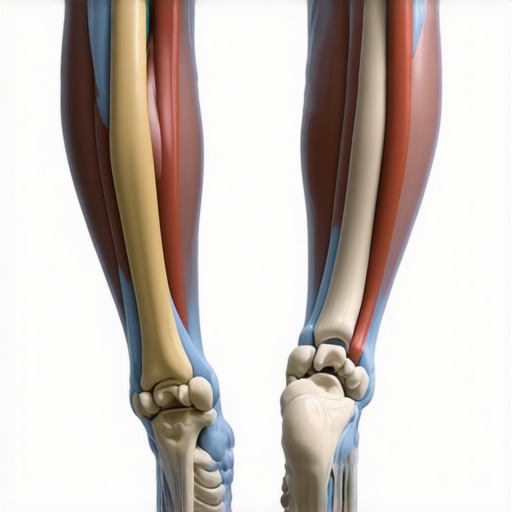
It hit me one afternoon—my back was searing, my neck was stiff, and I felt utterly helpless after a simple morning walk. I realized I’d been ignoring a tiny detail that was wreaking havoc on my entire posture—my flat feet. That lightbulb moment changed everything. If you’ve ever experienced persistent back pain, sciatica, or neck tension, chances are your feet might be the hidden culprits.
The Surprising Link Between Flat Feet and Spinal Misalignment
Our feet are the foundation of our body, but we often forget that when they lack arch support, the ripple effects travel up your spine, throwing everything out of sync. I learned this the hard way after years of yo-yoing between relief and flare-ups. Early on, I made the mistake of focusing solely on my back or neck without considering how my foot posture was contributing. That mistake delayed my recovery—and trust me, it’s one worth avoiding.
Think of your body like a house: if the foundation is uneven, the walls and roof can’t stay straight. Flat feet mean your ankles and knees adjust to compensate, which messes up your hips, pulls your pelvis out of alignment, and ultimately causes pain higher up—whether in your back, neck, or even your shoulders.
Understanding this connection can be a game-changer. According to a study published in the Journal of Bodywork and Movement Therapies, poor foot posture significantly impacts spinal alignment and can lead to chronic pain over time. Recognizing that, I dove into remedies that target the feet directly, and that’s when I started experiencing real, lasting relief.
Are you tired of rolling out of bed with a sore back every morning? Or maybe you’ve just accepted that neck pain is part of aging. If you’ve faced these frustrations, you’re not alone—and the good news is, addressing your foot health might be the missing link.
In the upcoming sections, I’ll walk you through simple, practical steps to assess your foot posture, strengthen your arches, and realign your entire spine. But first, let’s tackle one of the biggest skeptics’ questions: Is this just another trendy theory, or is there real science behind it?
Assessing Your Foot Posture
Begin by checking whether your arches are collapsing when standing. Stand barefoot on a mirror or hard surface, and observe if your inner foot maintains contact with the ground. A quick test is to wet your feet and step onto paper; if your footprint shows a complete sole or very narrow heel area, you likely have flat feet. In my own experience, I noticed my arches flattened after a long day and verified this with a simple footprint test I learned from [https://bodyrenewtherapy.com/understanding-the-link-between-poor-posture-and-chronic-back-pain](https://bodyrenewtherapy.com/understanding-the-link-between-poor-posture-and-chronic-back-pain).
Strengthening and Arch Support Exercises
To rebuild arch strength, focus on exercises that activate the intrinsic foot muscles. One effective move is the toe curl: place a towel on the floor, grip it with your toes, and pull towards you. Doing 3 sets of 10 reps daily can make a difference. I started incorporating this during a morning routine, noticing improvements in foot stability within weeks. Additionally, using toe separators or toe spacers can help realign the toes and prevent further arch collapse. Remember, strengthening the foot muscles reduces strain on your ankles, knees, and eventually your spine, which you can explore in depth at [https://bodyrenewtherapy.com/boost-your-back-mobility-simple-exercises-that-make-a-difference](https://bodyrenewtherapy.com/boost-your-back-mobility-simple-exercises-that-make-a-difference).
Choosing Supportive Footwear
Select shoes that provide proper arch support—look for insoles with firm, contoured arches. Or, consider custom orthotics prescribed by a podiatrist if your flat feet are severe. During my own journey, I replaced worn-out sneakers with supportive ones, which instantly reduced ankle discomfort and contributed to better spinal posture. Proper footwear acts as a stable foundation, similar to reinforcing a weak house’s foundation to prevent walls from cracking.
Implementing Balance and Mobility Drills
Enhance your foot and ankle stability through balance exercises like single-leg stands or the heel-to-toe walk. For example, stand on one foot for 30 seconds, gradually increasing duration, while focusing on controlling your core — a move that synergizes well with [https://bodyrenewtherapy.com/why-heavy-purses-are-the-secret-cause-of-your-unilateral-neck-pain](https://bodyrenewtherapy.com/why-heavy-purses-are-the-secret-cause-of-your-unilateral-neck-pain). These drills improve proprioception and help your body adapt to real-world uneven terrains, reducing compensatory movements that strain your back and neck.
Integrating Postural Awareness Into Daily Life
Be mindful of how your footwear and walking habits influence your posture. Avoid walking on hard surfaces barefoot for extended periods if your arches are flat, as this can exacerbate misalignment. During a training session, I consciously adjusted my step, focusing on pushing off with the ball of my foot rather than the arch, which helped realign my pelvis. Routine checks like this foster long-term improvement, especially when combined with regular mobility work.
Maintaining Progress and Preventing Relapse
Consistent practice is key. Keep performing strengthening exercises, wearing supportive shoes, and using balance drills as part of your weekly routine. Notice how my own back discomfort started decreasing within a month of implementing these changes, especially when I complemented them with targeted mobility techniques found at [https://bodyrenewtherapy.com/mobility-mastery-daily-tips-to-keep-your-spine-and-joints-healthy](https://bodyrenewtherapy.com/mobility-mastery-daily-tips-to-keep-your-spine-and-joints-healthy). Remember, addressing your foot health is a crucial step towards alleviating chronic back, neck, and sciatic pain — take it seriously for lasting results.Many assume that persistent pain in the neck, back, or sciatic nerves results solely from obvious injuries or aging, but this oversimplification can lead you astray. In my experience working with complex cases, one common misconception is that adjustments or stretches alone can resolve these issues—yet, without understanding the nuanced interplay of muscular, joint, and neurological factors, you’re likely missing the bigger picture. For instance, many believe that stretching tight muscles will always relieve nerve compression, but studies, like those in the Journal of Bodywork and Movement Therapies, show that inappropriate stretching can sometimes worsen nerve irritation by increasing tension on inflamed tissues.
Why does this myth persist among many patients and practitioners? The answer lies in symptom-focused treatment rather than root cause analysis. Regularly, I see individuals misdiagnosing their pain as mere muscular tightness, neglecting spinal alignment orFoot biomechanics, which are often the hidden culprits. This oversight traps many in a cycle of temporary relief followed by recurring flare-ups. A critical mistake to avoid is overlooking how subtle postural misalignments, especially in the cervical and lumbar regions, can perpetuate nerve impingements or joint dysfunctions, often fueled by habits like prolonged sitting or improper ergonomics which aren’t addressed until much later.
Furthermore, advanced practitioners understand that the nervous system’s health significantly influences these pains. Stress, emotional tension, and chronic anxiety can elevate muscle tension in unexpected ways, exacerbating symptoms. For example, stress increases cortisol levels, which may impair tissue healing, intensifying nerve sensitivity. Recognizing this, I recommend integrating stress management techniques alongside physical rehab, as explained in articles about breaking the stress-pain cycle.
Another common trap is the reliance on quick fixes like NSAIDs or aggressive manipulations without holistic assessment. While medications can mask symptoms temporarily, they don’t address underlying biomechanical issues. Over-treating with aggressive adjustments without considering muscle imbalances or neural tension can even lead to further instability. Instead, focusing on gentle mobilization, nerve glides, and muscular balancing often yields more sustainable results.
Advanced questions often asked by my clients include: “How can I tell if my nerve pain is coming from joint degeneration versus muscular tension?” A thorough assessment of joint mobility and nerve conduction studies can clarify this. According to expert insights from [https://bodyrenewtherapy.com/neck-pain-and-stress-how-to-break-the-cycle-for-good](https://bodyrenewtherapy.com/neck-pain-and-stress-how-to-break-the-cycle-for-good), differentiating these causes is key to choosing effective, targeted treatments. Have you ever fallen into this trap? Let me know in the comments.Maintaining your progress in alleviating sciatica, neck pain, and back issues requires not only consistent effort but also the right tools and routines. Personally, I swear by a combination of specialized equipment and smart software that keep my body in check long after initial recovery. One essential device I’ve found invaluable is a **foam roller**—specifically, a high-density version with a textured surface. It helps me release trigger points and maintain tissue flexibility, which is crucial for long-term mobility. I use it daily for my thoracic region and hips, as recommended in [https://bodyrenewtherapy.com/the-5-minute-mobility-routine-for-stiff-mornings](https://bodyrenewtherapy.com/the-5-minute-mobility-routine-for-stiff-mornings). Regular self-myofascial release prevents adhesions and keeps my tissues pliable, reducing the likelihood of flare-ups.
Another vital tool is a **quality posture-tracking app** like Upright Go. I place the device on my upper back during work sessions to provide silent alerts whenever I slouch or develop poor neck posture. This real-time feedback cultivates awareness and retrains my habits—something crucial since computer ergonomics often sabotage long-term health. The future of posture correction likely moves toward integration of wearable tech with AI-driven coaching, making maintenance more hands-off but personalized.
For mobility, I incorporate **resistance bands**—specifically, loop bands designed for hip and shoulder mobility—into my daily routine. These lightweight yet effective tools help me strengthen weak links that might otherwise deteriorate over time. Using a resistance band for shoulder external rotation or hip activation just for five minutes can offset the effects of prolonged sitting, as discussed in [https://bodyrenewtherapy.com/boost-your-back-mobility-simple-exercises-that-make-a-difference](https://bodyrenewtherapy.com/boost-your-back-mobility-simple-exercises-that-make-a-difference).
Looking ahead, I believe the trend in maintenance tools will tilt toward **smart devices** that combine biofeedback with adaptive coaching. Imagine a smart insoles system that monitors your gait and provides instant suggestions to correct uneven stepping—this could be a game-changer in long-term pain management.
So, how do I make sure my mobility stays intact over time? The key is consistent use of practical, science-backed tools paired with ongoing education. Setting scheduled check-ins to reassess your habits and equipment can keep you ahead of potential setbacks. I recommend trying my favorite—integrating a foam roller session into your morning routine to release tension and prepare your body for the day. As you get used to these strategies, you’ll notice your symptoms become less frequent and easier to manage. Remember, proactive maintenance isn’t a one-time deal; it’s a lifestyle shift that ensures your body remains resilient for years to come.
The Hardest Lesson I Learned About Back and Neck Pain
One of the most profound realizations in my journey was understanding that quick fixes rarely lead to lasting relief. I used to rely solely on stretches or medication, but I discovered that addressing foot posture and spinal alignment creates a more stable foundation for healing. This insight shifted my entire approach, emphasizing the importance of holistic, root-cause strategies rather than temporary relief.
My Favorite Tools That Support Long-Term Mobility
Over time, I’ve come to trust certain tools that truly make a difference—like high-density foam rollers, which help release tension in tissues and prevent flare-ups. Incorporating posture-tracking devices like Upright Go has increased my awareness and helped maintain proper alignment throughout busy days. Additionally, resistance bands for hip and shoulder mobility are invaluable for strengthening weak links that destabilize the spine—these are game-changers I recommend to everyone serious about lasting recovery.
The Power of Consistency and Mindset in Pain Management
Perhaps the most impactful lesson is that progress hinges on daily habits and mindset. Recognizing that proactive movement, mindful ergonomics, and stress management form a triad for sustained relief transformed my outlook. I stopped viewing my recovery as a quick fix and embraced it as a lifestyle. This shift empowered me to stay committed, and the long-term benefits have been remarkable—including fewer flare-ups and improved quality of life.
Resources That Deepened My Understanding
Some of the best resources I found include articles on understanding the link between posture and pain, like those at Body Renew Therapy. Exercises from Mobility Mastery helped me build resilience, while books like “Healing Back Pain” by John E. Sarno offered a psychological perspective that complemented physical strategies. These tools provided not just knowledge but actionable steps that accelerated my progress.
Take the First Step Today
If you’re tired of temporary fixes and want genuine relief from neck, back, or sciatic discomfort, remember that your foundation matters. Small, consistent changes like strengthening your feet, improving posture awareness, and integrating mobility routines can lead to substantial transformation. The path to lasting relief is a journey—embrace it with patience, curiosity, and a willingness to explore new approaches.