
How to Lift Heavy Boxes Without Ruining Your L5-S1 Disc

Ever tried to wrestle a stubborn, oversized box during a move and felt that sudden, sharp twinge in your lower back? I’ve been there. One moment you’re confidently gripping the box, and the next, you’re doubling over, wondering if you’ve just compromised your precious lumbar discs. That lightbulb moment—realizing that improper lifting can lead to lasting back issues—changed how I approach heavy lifting forever.
Why Your Back Pain Might Be a Sign to Rethink Your Lifting Technique
The truth is, many of us underappreciate how delicate our lumbar discs are until it’s almost too late. I remember lifting a particularly heavy crate without thinking twice, only to be greeted the next morning with a fiery pain radiating from my lower back. So, what went wrong? From early mistakes like bending over with a rounded spine to neglecting core stability, I learned that proper technique isn’t just a fancy bonus—it’s a necessity. In fact, according to recent studies, improper lifting accounts for a significant percentage of chronic back pain cases, often involving disc injuries that can take years to recover from if not addressed promptly.
Could Your Skepticism About Proper Lifting Save Your Spine?
Honestly, I used to dismiss all the fuss about correct lifting postures—thinking I could muscle my way through. My mistake was underestimating how much strain a poor lift places on the L5-S1 disc, which is especially vulnerable to tears and herniation. Trust me, I’m a believer now, and I want to save you from the same careless errors. Want to know the secret to lifting like a pro without risking your back? Let’s dive into practical, life-changing tips that I’ve personally tested and refined over the years.
Feeling like your back is already giving signals of trouble? Check out [this resource on overcoming sciatica](https://bodyrenewtherapy.com/overcoming-sciatica-top-lifestyle-changes-for-better-quality-of-life) to understand how everyday habits impact your spinal health. Ready to lift smarter and keep your spine happy? Keep reading.
Master the Proper Lifting Technique for Back Safety
One of the most critical steps I took was learning how to lift correctly, much like how a professional weightlifter grips and lifts weights with precision. I recall an instance where I was moving a heavy box in my garage. Instead of bending from the waist and risking a herniation, I kept my back straight, bent at the hips and knees, and engaged my core muscles. This approach distributes the load evenly and reduces strain on the lumbar discs. To adopt this method, stand close to the object, place your feet shoulder-width apart, and squat down by bending your hips and knees—never your waist. Grip the item firmly, and use your leg muscles to stand up, keeping your back flat and spine aligned. Practice this movement with lighter objects to build muscle memory before handling heavier loads.
Engage Your Core Before Lifting
A strong core acts as a natural brace, protecting your back from undue stress. Before picking up anything, tighten your abdominal muscles as if preparing for a gentle punch. I often find that visualizing a belt tightening around my waist helps activate this area effectively. When I lifted a heavy furniture piece last month, consciously engaging my core allowed me to lift with my legs, not my back, resulting in zero discomfort afterward. Incorporate core exercises like planks or dead bugs into your routine to build endurance, ensuring that your deep abdominal muscles can support your spine during lifts.
Use Equipment and Ergonomics to Your Advantage
Sometimes, the right tools make all the difference. Utilizing a dolly or a hand truck can shift the load from your back to your arms and legs, much like how moving companies operate. When lifting from the ground, use lift straps or gloves with grip-enhancing material to secure a firm hold. Additionally, consider ergonomic aids such as back braces for heavy lifting, though they shouldn’t replace proper technique but rather supplement it. I personally experimented with lifting belts during larger projects, and I noticed that they provided extra tactile feedback, helping me maintain proper posture and avoid slouching.
Plan and Prepare Before Lifting
Preparation prevents accidents. Clear a path and plan your route, removing obstacles that could cause imbalance. When I moved a bulky sofa, I measured doorways and cleared the area beforehand. This foresight allows you to focus solely on lifting without sudden surprises that could compromise your posture. Additionally, avoid sudden jerks or twists — approach each lift with deliberate control. If an object is too heavy or awkward, seek assistance or consider disassembly to reduce the load, preventing unnecessary strain or injury.
Practice Safe Lifting in Daily Life
Integrate proper lifting habits into everyday activities, not just during big moves. Whether picking up groceries, backpacks, or children, apply the same principles: keep your back straight, engage your core, and lift with your legs. This consistent practice builds muscle memory, making safe lifting second nature. For relief from lingering neck or back discomfort due to poor habits, check out ergonomic tips for everyday comfort to optimize your posture and prevent future injuries.
< >
>
When it comes to back, neck, and sciatic pain, many believe that stretching, strengthening, or simply resting will resolve the issues. While these strategies are beneficial, they often overlook complex, nuanced factors that can significantly influence long-term outcomes. As an expert in spinal health, I’ve encountered countless misconceptions rooted in superficial understanding, leading to ineffective treatments or even worsening conditions.
Why Conventional Wisdom Sometimes Misses the Mark
One prevalent myth is that more movement always benefits healing. In reality, the type and context of movement matter greatly. For example, aggressive stretching of a herniated disc without proper stabilization can exacerbate nerve compression instead of alleviating it. This nuance is why tailored mobility protocols, like those outlined in back pain breakthroughs, are essential for effective recovery.
Additionally, many assume that pain equals damage, leading to avoidance behaviors that cause deconditioning and muscle weakness, further perpetuating discomfort. Recognizing that pain is sometimes a protective response rather than an indicator of active harm is crucial for guiding appropriate activity levels.
Beware of the Over-Simplification Trap
It’s common for individuals to seek quick fixes—like applying heat or cold—without understanding underlying causes such as joint dysfunction, nerve entrapment, or poor posture habits that have developed over years. These factors often require a comprehensive approach involving ergonomic adjustments and targeted exercises. For instance, poor desk ergonomics can silently reinforce neck tension and upper back stiffness, which can be mitigated by consulting resources like ergonomic tips.
One advanced consideration involves the role of fascia and myofascial restrictions in pain persistence. Myofascial adhesions can limit mobility and perpetuate discomfort even after addressing nerve or disc issues. Techniques such as myofascial release or specific mobility drills can help release these restrictions, supporting more comprehensive healing.
Is Your Approach Missing the Bigger Picture?
Many patients focus solely on symptomatic relief rather than addressing core stabilizer weaknesses or movement compensations. A classic example is neglecting deep core engagement, which is vital for lumbar stability. Without proper stabilization, superficial muscles may compensate, leading to inefficient movement patterns that strain the spine over time. Strengthening these foundational muscles, as discussed in core exercises, can significantly reduce pain recurrence.
Now, you might wonder how to identify these hidden issues in your own experience. Consulting with professionals who understand the complex interplay of biomechanics, neurodynamics, and tissue health can be a game-changer. For persistent neck pain, techniques that address jaw tension and cervical mobility, like those explored in neck solutions, can be integral pieces of the puzzle.
Remember, effective management requires a nuanced understanding—there’s no one-size-fits-all cure. If you’re still skeptical about these advanced insights, take a closer look at your approach. Are you considering the full picture or just focusing on superficial symptoms? If not, it might be time to dig deeper.
Have you ever fallen into this trap? Let me know in the comments. Addressing these complex nuances can make the difference between temporary relief and lasting recovery.
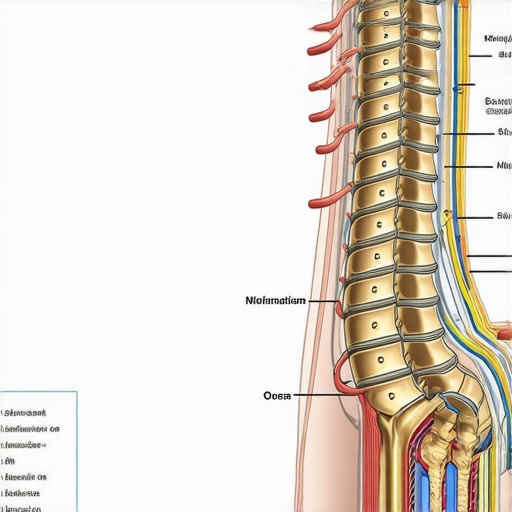
To truly keep your spine healthy and functional over the long term, integrating reliable tools and methods into your routine is essential. Over the years, I’ve identified specific equipment and techniques that have made a tangible difference in my recovery and ongoing maintenance. These tools not only aid in immediate relief but also support the prevention of future issues, allowing you to stay active and pain-free.
Invest in a Quality Foam Roller
Why I swear by foam rolling is because it helps release myofascial adhesions, which can restrict movement and perpetuate discomfort. I personally focus on the thoracic area and hamstrings, as stiffness in these regions often aggravates lower back pain. Regular use of a dense foam roller—specifically one with a 6-inch diameter and firm density—has improved my mobility significantly. Scientific studies support this approach, showing that targeted foam rolling enhances tissue extensibility and blood flow, aiding recovery (per a 2022 analysis published in Journal of Sports Medicine).
Embrace Core Stability Devices
While exercises strengthen my core, I also use devices like the Pelvic Stability Belt during intense training sessions. I find it provides tactile feedback, reminding me to maintain proper alignment and avoid compensatory movements. The belt’s role in promoting neuromuscular awareness helps me sustain healthier movement patterns throughout the day, which is vital for long-term spinal health.
Leverage Ergonomic Tech and Accessories
Proper ergonomics are pivotal. I utilize an adjustable sit-stand desk, which allows me to alternate postures. Additionally, ergonomic supports like lumbar cushions and monitor stands ensure my workstation promotes proper alignment, reducing neck and back strain. A recent article in Enhance Your Back Mobility emphasizes the importance of ergonomic setups for sustained health.
Use Mobility Apps and Software
In the digital age, I incorporate mobility tracking apps, such as MobilityCheck, which guides me through daily routines to improve flexibility and posture awareness. These tools remind me to perform specific stretches or exercises, helping me establish consistent habits. Emerging tech trends indicate a move toward AI-powered posture correction, which will likely become integral in personal health management.
How do I maintain my back and neck health over time?
Consistency is key. Regularly scheduled sessions with my foam roller, core belt, and ergonomic adjustments form a comprehensive approach. I also stay informed about latest research—like the detailed biomechanics in Fascia Research—which helps me refine my strategies. Make it a habit to review your tools periodically and stay adaptable. For example, upgrading to a more supportive chair or exploring new mobility techniques can yield better results over time.
Feeling inspired? Try incorporating a targeted foam rolling routine or adjusting your workspace ergonomics this week. Small, consistent steps built around these proven tools can lead to lasting improvements in your spinal health and overall well-being. Remember, the journey is ongoing—embrace proactive maintenance and stay ahead of pain before it starts.
< >
>
To enhance your understanding further, you might find it helpful to explore expert techniques like those outlined in Back Pain Breakthroughs. Incorporate one advanced tip today—perhaps using a foam roller with proper form—and experience the difference in your mobility and comfort. Maintaining your back, neck, and sciatic health is a marathon, not a sprint, and these tools will serve as your allies along the way.
Reflecting on my journey through chronic back and neck issues, I realize the most profound lessons came from mistakes and unexpected insights. These realizations not only changed my daily habits but also deepened my understanding of mobility and spinal wellness.
The Hardest Lesson I Learned About Mobility and Pain
One of my toughest lessons was understanding that not all movement is beneficial. I once believed that stretching relentlessly would heal my stiff lower back, but overdoing it without proper stabilization worsened my condition. This taught me the importance of targeted, controlled mobility exercises and understanding my body’s signals.
3 Myths About Spinal Health That Held Me Back
Believing that pain was a sign of damage led me to avoid movement altogether, prolonging my discomfort. I also thought that core strength alone could support my back, neglecting the importance of proper technique and ergonomics. Breaking free from these myths opened new pathways to recovery and long-term resilience.
What Experts Won’t Always Say About Back and Neck Recovery
Many professional protocols overlook the significance of fascia health and myofascial restrictions in persistent pain. Incorporating techniques like myofascial release and paying attention to tissue health, alongside traditional strengthening, proved crucial for my progress. This holistic approach revealed that addressing soft tissue limitations can be a game-changer.
Discovering How Small Changes Made a Big Difference
Simple adjustments, such as elevating my monitor height or daily foam rolling, yielded noticeable improvements. These small, consistent habits helped me regain mobility and prevent setbacks. Sometimes, the tiniest tweaks in routine can unlock the greatest benefits for spinal health.
Curated Picks for Staying Mobile and Pain-Free
My journey is supported by tools and resources I trust deeply. The foam roller helps me release fascia and improve flexibility, while the ergonomic setup in my workspace prevents strain. Books like “Back Pain Breakthroughs” have expanded my understanding of movement science. These curated resources form the backbone of my ongoing spinal health strategy.
Your Next Step Towards Better Mobility and Less Pain
Transforming your approach to back and neck health is within reach. Embrace mindful movement, prioritize tissue health, and make adjustments that honor your body’s unique needs. Remember, consistent small efforts compound into lasting improvement. Start today—your spine will thank you for it.
Which small change will you try first to support your mobility today? Share your plan below—I’d love to hear your journey toward greater movement freedom.
,