
How This Single Toe Drill Improves Your Balance and Spine Alignment
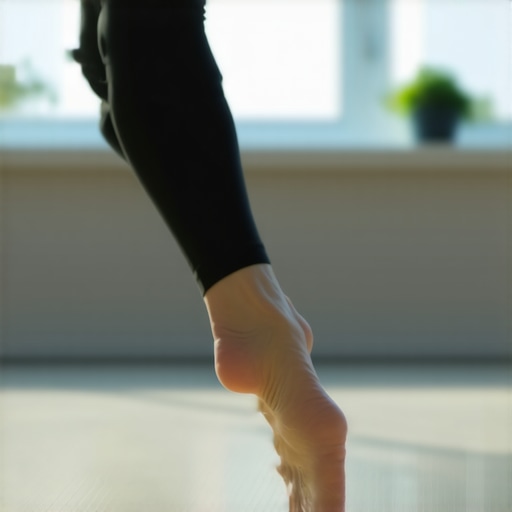
I remember the moment vividly — standing in my kitchen, trying to reach for a cereal box on the top shelf, when I suddenly wobbled and nearly lost my balance. It was a small slip, but enough to kickstart a wave of discomfort that I couldn’t shake. Weeks later, my back ached more than usual, and I realized I was compensating, unconsciously, for a lack of stability in my body. That lightbulb moment made me dig deeper into how my daily habits and inherent balance issues were affecting my spine and overall mobility.
Why Our Balance Matters More Than We Think
As we age, maintaining good balance becomes crucial—not just for avoiding falls but for ensuring our spine stays properly aligned. When balance falters, it often leads to uneven stress on our vertebrae and joints, which can cause chronic pain or exacerbate conditions like sciatica. Early on, I made the mistake of dismissing my small wobbles as mere clumsiness, instead of recognizing them as warning signs. These missteps can seem insignificant, but over time, they compound and create deeper health issues.
Has Your Balance Been Slipping Without You Noticing?
If you’ve ever felt unsteady after standing or walking, you’re not alone. Many underestimate how much their balance influences spine health. Personal experience taught me that tiny adjustments can lead to significant improvements, which is why I want to share something I discovered that transformed my stability and relieved my discomfort.
By focusing on just a simple single toe drill, I found I could drastically improve my balance and correct my spine’s alignment. This small change not only boosted my confidence but also reduced my back pain. According to recent research, improving proprioception—the body’s awareness of its position—can make a profound difference in managing chronic back issues (more on mobility and spine health). If you’re tired of feeling unstable or suffering from persistent discomfort, then stay with me. Next, we’ll explore how this straightforward toe exercise can pave the way for better balance, stronger posture, and a healthier spine.
Start with the Toe-Alignment Drill
One morning, I decided to try this simple toe exercise after experiencing persistent lower back discomfort. I stood barefoot, lifted one foot slightly, and tried to balance while focusing on my toes gripping the floor. At first, it was shaky—like trying to stand on a boat during a storm. But with consistent practice, my stability improved noticeably, and my back pain decreased. This exercise activates tiny stabilizer muscles in your feet and legs, which play a crucial role in your overall spinal health.
Identify Your Weak Spots
Tomorrow, stand in front of a mirror and pay close attention to your posture. Are your shoulders uneven? Do you lean more on one leg? This reveals which side of your body needs more strengthening. After spotting asymmetries, I targeted the weaker side with focused balance exercises, similar to how you might strengthen a weak link in a chain. Strengthening these muscles redistributes load evenly along your spine, reducing stress and alleviating pain.
Incorporate Dynamic Balance Movements
Next, add movements like heel-to-toe walking or single-leg stands to challenge your stability. I did short sessions throughout the day, imagining myself as a tree swaying gently in the wind—stable yet adaptable. Doing so improves proprioception—the body’s sense of its position—which is vital for preventing falls and maintaining spinal alignment. Regularly practicing these drills is like tuning your body’s internal GPS, keeping your spine properly supported.
Use Support Tools to Accelerate Progress
During my early days, I used a balance pad to make exercises more effective and safe. Think of it as training wheels on a bicycle—they provide extra stability while you build strength. Over time, as my balance improved, I transitioned to harder surfaces. This progression mirrors building a house: start with a solid foundation before tackling the higher levels, ensuring your spine remains protected during the journey.
Track and Adjust Your Routine
Keeping a journal of your balance exercises helped me notice patterns and plateaus. If I felt myself wobbling more on certain days, I would incorporate more targeted drills or rest. Monitoring your progress is similar to tuning a musical instrument—you need to listen carefully and make adjustments for harmony. A balanced routine, combining static holds and dynamic movements, maximizes benefits for back health.
Be Consistent and Patient
In my experience, improvements didn’t happen overnight. Just like building muscle, enhancing balance requires regular practice over weeks. The payoff was worth the effort: reduced pain, better posture, and a more confident gait. Remember, every small step counts; a steady routine can prevent future injuries and keep your spine resilient.
To deepen your understanding of how posture influences back issues and learn more advanced techniques, visit this guide on posture and back pain. Keep moving and refining your approach to stay pain-free and maintain optimal mobility.
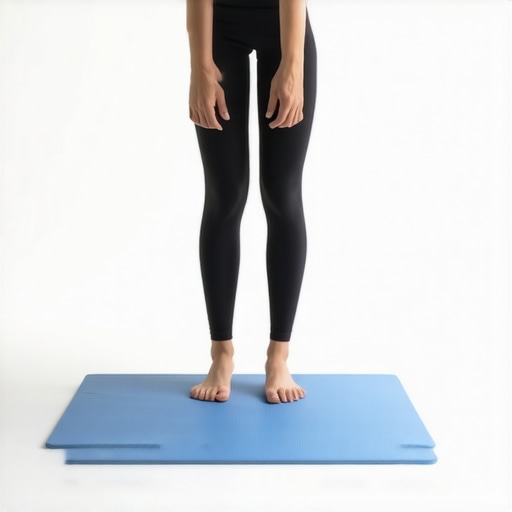 Many assume that back pain or sciatica stems solely from injury or age-related wear and tear, leading to a common misconception: that these issues are inevitable or purely structural. However, this overlooks the nuanced interplay of neuromuscular control, proprioception, and lifestyle factors. In my experience, a prevalent mistake is oversimplifying these conditions as solely mechanical problems, rather than recognizing the importance of the nervous system and movement patterns. For example, focusing only on stretching or strengthening without addressing faulty movement habits can be counterproductive. An advanced trap is neglecting the role of motor control and the brain’s adaptive responses, which can perpetuate pain cycles. This oversight is backed by research indicating that impaired proprioception—not just tissue damage—is a significant contributor to chronic back pain (see more here). To avoid these pitfalls, I recommend integrating neuromuscular control exercises into your routine, such as balance and coordination drills, which have shown promising results in retraining the body’s natural stability. Also, beware of the myth that rest is always the best solution; in many cases, movement and controlled activity facilitate healing and improve function. For instance, many patients assume that immediate immobilization prevents further injury, but evidence suggests that early, gentle mobilization accelerates recovery (more info here). Remember, when addressing complex issues like sciatica or neck pain, it’s crucial to consider the intricate balance between structural, neurological, and lifestyle factors rather than isolating one aspect. Do you find yourself stuck in a cycle of focusing only on symptom relief? Stop and reassess your approach. Sometimes, understanding the deeper nuances of your condition can unlock more effective, lasting solutions. Want to learn how to refine your movement patterns for lasting mobility? Check out our comprehensive guides and expert tips to move beyond temporary fixes.
Ensuring your back stays healthy and pain-free over the years requires more than just occasional exercises; it involves investing in the right tools and establishing sustainable habits. Personally, I emphasize equipment that promotes consistent engagement and offers durability, helping me maintain mobility and prevent setbacks. One of my go-to items is a high-quality balance pad. I use it daily to challenge my proprioception and strengthen stabilizer muscles, which are vital for spinal support. Unlike basic foam pads, this specialized equipment provides feedback, subtly mimicking unpredictable terrains and encouraging active adjustments.
Which tools genuinely support your back in the long run?
Beyond balance tools, ergonomic accessories are game-changers. An adjustable lumbar support cushion, for instance, aligns perfectly with my chair, alleviating pressure during extended work sessions. I personally prefer one with memory foam and customizable firmness because it conforms to my spine’s unique curve, maintaining proper posture throughout the day. Additionally, I recommend investing in a sit-stand desk converter. Alternating between sitting and standing reduces strain and encourages movement, which is essential given that prolonged static postures can speed up degenerative changes in your spine (more here).
Using tools alone isn’t enough without a consistent routine. Daily habits like mindful activation of core muscles when standing or lifting can significantly extend the benefits of your equipment. It’s also worth noting that ITC (intermittent tension control) devices, such as passive stretching bands, are gaining popularity. I use a portable stretch band during breaks to gently release tightness in my hip flexors, which directly influences lower back stability.
Looking forward, I believe technology will continue to personalize back health solutions through smart wearables that monitor posture and movement patterns, providing real-time feedback and automated adjustments. This integration could revolutionize how we track long-term progress and prevent pain before it starts.
How do I maintain my back health over time? The secret lies in a multi-layered approach: combining preventive tools, deliberate movement patterns, and regular adjustments to your setup. Dedicate a few minutes daily to perform targeted exercises with your equipment, like a quick balance challenge on your pad or a brief stretch with your band. This disciplined routine creates a resilient foundation that adapts as your body evolves.
For instance, I recommend trying the simple yet effective practice of alternating between sitting and standing, supported by ergonomic accessories, to keep your spine in optimal alignment. Small, consistent commitments make a huge difference in avoiding chronic issues and ensuring lasting mobility. Remember, investing in the right tools integrated with mindful habits is key to keeping your back working smoothly for years to come. Want to optimize your daily routine even further? Explore our detailed guides on ergonomic adjustments and mobility exercises to stay ahead in your back health journey.
What I Wish I Knew About Recovery When I Started
One of the most eye-opening lessons I uncovered is that progress in back health isn’t always linear. There were times when I thought I’d hit a plateau, but a simple reassessment revealed subtle imbalances or habits sabotaging my efforts. Recognizing that my body had unique tight spots and weak links taught me to personalize my routine rather than follow generic advice blindly.
Why Small Adjustments Can Make a Big Difference
Through experience, I learned that tiny tweaks—like adjusting my sitting posture slightly or adding a brief balance drill during breaks—can dramatically improve stability and reduce pain. This insight reinforced the importance of mindful habits and paying attention to how daily movements impact my spine’s well-being.
The Power of Consistency Over Perfection
Initially, I aimed for perfect form or rigorous routines, but I soon realized that consistency, even with imperfect execution, yields long-term benefits. Small, regular efforts—such as daily toe drills or mindful posture checks—build resilience and keep chronic discomfort at bay. Persistence truly outperforms sporadic intensity.
Genuine Progress Comes From Embracing Complexity
Early on, I underestimated how the nervous system influences back health. Fully understanding the role of proprioception and neuromuscular control opened my eyes to why exercises like balance drills are just as crucial as stretching or strengthening. This holistic approach accelerates recovery and sustains mobility better than isolated techniques.
A Personal Tip for Lasting Back Freedom
Investing in ergonomic tools and integrating movement into my routine created a foundation that supports my back daily. Using a high-quality balance pad, an adjustable lumbar cushion, and alternating between sitting and standing has empowered me to prevent setbacks and enjoy lasting relief. Remember, sustainable back health stems from smart choices and consistent habits.
Curated Resources and Tools That Shape My Approach
For those serious about long-term back and neck health, I recommend exploring our comprehensive guides, like simple mobility exercises that truly work. Also, books such as “Unlocking Mobility” provided foundational insights that transformed my understanding. Tools like balance pads and ergonomic accessories have become staples in my daily routine, helping me stay pain-free and confident in my movement.
Take Your Next Step Toward Pain-Free Living
Understanding these lessons personally has fueled my passion to share them with others. Whether you’re just beginning or looking to refine your approach, remember that your back health is a journey—one built on small, consistent actions. Embrace the process, and you’ll find renewed mobility and comfort in ways you never imagined. Have you discovered an adjustment or habit that drastically improved your back health? Share your experience below—I’d love to hear your story.
,