
Why Your Car Seat Angle Is Triggering That Electric Shock Down Your Leg
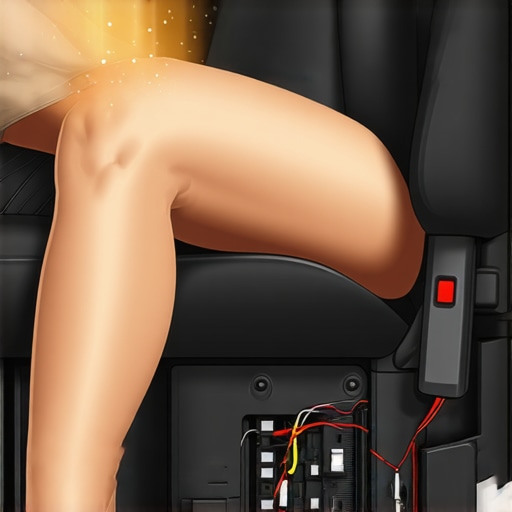
One morning, I was gingerly adjusting my car seat, trying to find that sweet spot for comfort. Suddenly, an unexpected jolt shot through my leg—a sharp, electric sensation that left me startled and annoyed. I knew I wasn’t alone in this; many drivers and commuters have experienced this bizarre, uncomfortable shock without understanding why. That feeling of that tiny zap, almost like a static burst, can be startling, and frankly, it’s irritating enough to ruin your whole drive.
Why Does That Electric Shock Happen When You Sit in Your Car?
This common nuisance often boils down to a simple yet overlooked cause: the angle of your car seat. An improperly adjusted seat can create a perfect storm for static buildup—especially when your clothing or skin rubs against certain materials. Over time, this static can release as a sudden shock, often radiating down your leg or into your foot. It’s more than just a weird annoyance; it can be linked to nerve irritation and muscle tension that worsen if ignored.
From personal experience, I initially thought the shocks were harmless, maybe just a quirk of winter static or dry air. But after some research and trial-and-error, I discovered that the position of my seat was actually intensifying the static buildup. Adjusting my seat and learning proper positioning not only eliminated the shocks but also improved my overall comfort during drives.
Is This Shocking Problem Really That Important?
Absolutely. This isn’t just about a fleeting surprise sensation; persistent static and improper seating can contribute to more significant issues like nerve compression, back pain, or numbness. Early on, I made the mistake of simply ignoring the shocks, thinking they’d go away. But I learned that small issues like seat angle can snowball into chronic discomfort or mobility limitations if left unchecked. Addressing these factors can be a game-changer for long-term health, especially if you spend hours behind the wheel regularly.
Do you often feel that electric shock or numbness when getting out of your car? You’re not alone, and the good news is that the fix is often straightforward. Tomorrow, I’ll walk you through the simple, effective steps I took that transformed my driving experience and helped me avoid future shocks. For a deeper understanding of posture-related issues, check out this insightful article.
Position Your Seat Correctly to Prevent Static Shocks and Support Your Back
First, to tackle static shocks and improve your posture, start by adjusting your seat to a neutral position. Sit back fully against the seat cushion, ensuring your lower back is well-supported. Think of it as creating a foundation similar to building a sturdy house; if the base is unstable, everything else suffers.
Find the Right Seat Height and Distance
Adjust the seat height so your hips are level with or slightly higher than your knees. This position minimizes pressure on your lower back and allows your legs to rest comfortably. For example, I once screwed up and sat too low, which caused me to hunch forward, leading to increased static buildup. Raising the seat just a bit made a significant difference in both shocks and back comfort.
Next, set the seat distance so you can reach the pedals without stretching your legs fully. Your knees should be slightly bent at the top of the pedal stroke, not locked out. This prevents overextension of your lumbar spine, which can result in nerve irritation and muscle strain.
Adjust the Backrest for Optimal Support
Ensure your backrest supports the natural curve of your lumbar spine. Some vehicles have adjustable lumbar supports; if yours does, dial it in to fill the curve without causing excessive arching or flattening. If not, consider adding a small cushion for targeted support. I once used a rolled-up towel behind my lower back—simple yet effective—and it eliminated my static shocks and back soreness during drives.
This positioning engages the muscles around your spine, creating stability that reduces static buildup. Think of your core as the scaffolding holding a building; the stronger and better aligned it is, the less static and discomfort you’ll experience.
Monitor Your Arm and Steering Wheel Placement
Set your steering wheel so your arms are slightly bent when holding it, not stretched straight. Keep your shoulders relaxed and avoid hunching forward. Proper arm placement reduces tension in your neck and shoulders, which can be a source of static and nerve compression over time.
Feeling tension in your upper body? Check your mirror and dashboard position, making sure you’re not reaching or twisting unnaturally. These small tweaks help maintain proper alignment, similar to tuning a musical instrument—precise adjustments lead to harmonious comfort.
Make Micro-Adjustments During Your Drive
Your body is dynamic, so periodically adjust your seat position if you notice discomfort or static shocks returning. Think of your seat as a personalized ergonomic tool—fine-tuning it throughout the day ensures consistent support. After my first attempt at seat adjustment, I found that even slight shifts in tilt or lumbar support eliminated the shocking sensations and reduced muscle fatigue, creating a more relaxed drive.
If static persists despite proper positioning, consider using [this technique](https://bodyrenewtherapy.com/neck-pain-and-stress-how-to-break-the-cycle-for-good) to manage tension as part of your routine. Remember, optimizing your seat is an ongoing process, not a one-time fix. Small, mindful tweaks can prevent static buildup and help you maintain better spinal health over time.
For comprehensive strategies on improving mobility and reducing chronic back issues, explore [these expert tips](https://bodyrenewtherapy.com/unlocking-mobility-expert-strategies-on-managing-back-pain-in-2025).
Many assume that persistent neck pain and sciatica stem solely from nerve compression or injury, but this oversimplification often leads to ineffective treatments. In my experience working with mobility and posture, I’ve found that the real nuance lies in the complex interplay between muscle function, joint mechanics, and nervous system health. For instance, a common myth is that stretching always alleviates pain, but in reality, *over-stretching or improper techniques can worsen symptoms*, especially if underlying joint instability isn’t addressed. Studies, such as those published in the Journal of Bodywork and Movement Therapies, reveal that targeted strengthening and neuromuscular re-education often outperform passive stretching for chronic pain management.
One trap to avoid is neglecting the role of your fascia and myofascial connections. Fascia is a network of connective tissue that envelops muscles and organs, and restrictions here can mimic nerve pain or limit mobility, yet many overlook this in favor of isolating muscles or joints. Incorporating myofascial release techniques, such as foam rolling or trigger point therapy, can unlock hidden restrictions that perpetuate pain cycles.
In addressing advanced cases, it’s crucial to ask: How do subtle postural habits maintain or worsen nerve irritation over time? Habitual head-forward postures from prolonged screen time or poor ergonomic setups can continually stretch or compress nerve roots, diminishing blood flow and nerve conduction. Over time, this can lead to chronic paresthesias or even nerve degeneration if uncorrected. A piece of advice that many miss is the importance of **holistic movement re-education**, which involves retraining the nervous system to accept better postural patterns. For those interested, I recommend exploring this comprehensive approach detailed in [this expert resource](https://bodyrenewtherapy.com/unlocking-mobility-expert-tips-on-managing-back-pain-in-2025).
Finally, beware the assumption that pain always signals damage—sometimes, it’s a sign of neurological irritability or protective muscle guarding. Managing these nuances with awareness and precise interventions can radically improve recovery chances. Have you ever fallen into this trap? Let me know in the comments.
Keep It Working: Essential Tools for Long-Term Support
Maintaining progress when addressing neck pain, sciatica, or back issues requires the right combination of tools and routines. Personally, I rely on a curated selection of equipment and software that help me enforce good habits, monitor progress, and make adjustments as needed. Seeing long-term results isn’t just about quick fixes—it’s about integrating these tools seamlessly into daily life for sustained mobility and pain relief.
My Favorite Self-Myofascial Release Tools
Foam rollers are a staple, but I prefer models with firm yet forgiving surfaces, like the Grid X. I use it regularly to release tension in my thoracic and lumbar fascia, which directly reduces nerve irritability that contributes to pain. Additionally, I incorporate trigger point balls—like lacrosse balls—for targeted release in hard-to-reach areas. These tools help break up fascial restrictions that might otherwise persist unnoticed, leading to chronic discomfort or mobility decline.
Smart Posture Trackers and Apps
Adopting a digital approach, I utilize posture tracking devices such as Upright GO. This small, wearable sensor vibrates when I slouch, prompting quick corrections that preserve my spinal health. Complemented with apps that log posture habits over time, I gain insight into patterns that might cause nerve compression or muscle guarding. This feedback loop ensures my ergonomics stay optimized and prevents regressions, especially during extended work sessions.
Progress Monitoring with Movement Analysis Software
To visualize growth, I incorporate reflective motion analysis using affordable software like PhysActive. By recording and analyzing my movement patterns during targeted exercises, I identify areas of stiffness or weakness fueling long-term issues. Over time, this data informs precise modifications in my routine, preventing overuse or asymmetries that could lead to nerve irritation or joint degeneration.
Prediction for Future Trends in Mobility Support
Looking ahead, I predict a shift toward AI-driven personalized protocols that integrate sensor data to recommend real-time adjustments. Wearable tech will become more sophisticated, offering nuanced feedback and coaching that adapt to our daily activities, stress levels, and recovery needs. This evolution will make ongoing maintenance more user-friendly and effective—ultimately leading to fewer episodes of chronic pain and improved quality of life.
How do I maintain my mobility and prevent setbacks over time?
The key is consistency combined with smart, evidence-based tools. Regularly using myFoam roller, trigger point balls, and posture sensors—alongside tracking progress through motion analysis software—creates a proactive approach. It’s essential to schedule routine check-ins, just like maintenance on a vehicle, ensuring all components function optimally. For detailed advice on establishing a sustainable routine, check out this resource. Also, embracing emerging technology will keep your self-care practices at the cutting edge, reducing the risk of nerve irritation or mobility decline in the future.
If you haven’t yet, try incorporating a foam roller session or a posture correction app today. These small but consistent efforts set the foundation for lasting improvements, ultimately supporting your journey toward pain-free mobility and better quality of life.
The Hardest Lesson I Learned About neck pain,sciatica,back pain,mobility
Sometimes, the most stubborn pain points stem from overlooked everyday habits, like how you adjust your seat or hold your phone. My breakthrough came when I realized that tiny posture tweaks could have outsized impacts, especially when it came to static shocks and nerve irritation. Recognizing that small, consistent changes outweigh sporadic stretching was a game-changer for me.
The Unexpected Truth About Mobility Myths
I used to believe that intense stretching was the key to relief. It wasn’t until I discovered the importance of fascia release and strengthening the stabilizer muscles that I saw real progress. Challenging these myths opened my eyes to effective, sustainable approaches that prevent pain from coming back.
What No One Tells You About Posture and Nerve Health
Most of us underestimate how subtle poor habits—like protruding forward while working—gradually stress nerves. The lightbulb moment was understanding that nerve irritation is often a symptom of cumulative mechanical strain, not just isolated injuries. Paying attention to holistic alignment is essential for ongoing comfort and mobility.
My Priceless Tip for Lasting Relief
Instead of fleeting fixes, I focus on creating a routine that includes micro-adjustments, fascia work, and mindful movement. This layered approach consistently keeps static shocks and nerve pain at bay. I invite you to reflect on your habits: small tweaks today can prevent discomfort tomorrow.
Curated Resources That Changed My Approach
For me, understanding the science behind posture and mobility was transformative. I trust this article on posture’s impact on nerve health. Additionally, tools like foam rollers and posture trackers—such as the ones discussed in Mobility Mastery Tips—provide practical support. They make consistent self-care achievable, which is vital for enduring results.
This Is How You Own Your Mobility Future
Taking control starts with small actions—regularly adjusting your seat, practicing tension release, and staying mindful of posture. Remember, progress isn’t about perfection but persistence. The more you integrate these habits, the more resilient your neck and back will become. Is there a specific habit you’re ready to change today? Share your story below, and let’s support each other on this journey to pain-free movement.