
The Secret Connection Between Tight Calves and Recurrent Neck Cricks
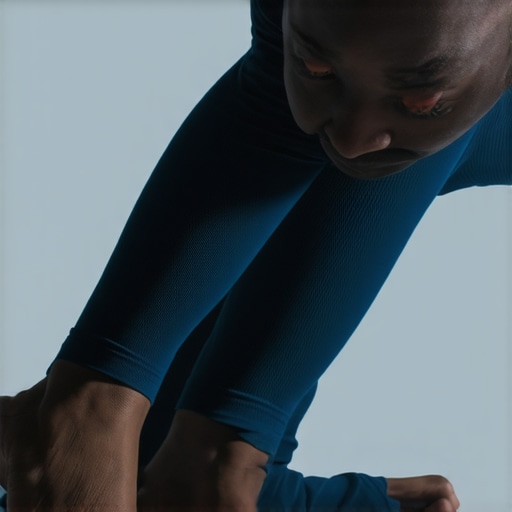
Have you ever experienced a sudden, sharp neck crick that seemed to come out of nowhere, leaving you frustrated and wondering what you did wrong? I remember the exact moment I realized my connection wasn’t just a random coincidence. I was stretching in the morning, feeling a tightness in my calves, and suddenly, my neck stiffened up like a rusty hinge. It was a lightbulb moment that changed how I understood persistent neck pain.
When Your Body Sends Confusing Signals, There’s Usually a Hidden Cause
For years, I battled recurrent neck cricks, often dismissing them as isolated issues. I kept telling myself, “Maybe I slept oddly again” or “It’s just stress.” But deep down, I knew there was more to the story. Soon, I started noticing a pattern: tight calves seemed to coincide with my neck stiffness. It sounds odd, but the more I explored, the clearer it became that my body’s tension was interconnected—like a web of hidden links working behind the scenes.
This realization isn’t just anecdotal; science backs it up. Recent studies show that muscles don’t operate in isolation. Tightening in one area can ripple through the body, causing discomfort elsewhere. According to a report published by theClinical Journal of Pain, areas distant from the original pain source often share common neural pathways and muscular chains, which means addressing just the neck might not fully resolve the problem. Instead, focusing on the root—like calf flexibility—can make a significant difference.
Is Fixing Your Calves Enough to Relieve Neck Pain?
Early in my journey, I made a common mistake: I only concentrated on my neck, neglecting the rest of my body. I thought stretching my neck muscles alone would do the trick. That’s when I learned about the importance of holistic approaches, which target muscle chains and tension patterns throughout the body. It’s a game-changer, and it led me down a path of discovering effective techniques and exercises, like those outlined in mobility mastery tips, that can dramatically improve your quality of life.
If you’re tired of stubborn neck discomfort that just won’t quit, keep reading. We’ll explore simple, practical steps to identify and release tight calves, which might just be the unexpected key to ending your recurrent neck cricks for good. Ready to uncover the secret connection? Let’s dive in and start feeling better today.
Targeting Your Calves for Neck Relief
One of the most effective ways to combat stubborn neck pain involves directly releasing tight calf muscles, which often act like hidden anchors pulling your body out of alignment. I vividly remember a morning when I performed a simple calf stretch after experiencing persistent neck stiffness; within minutes, I noticed a significant reduction in my discomfort. This tangible result reinforced the idea that addressing distant muscle tension can drastically influence neck health.
Identify and Pinpoint Tight Calves
Begin by standing upright and placing your hands on your hips. Step one foot back into a lunge position, keeping the heel flat on the ground. Feel for resistance along the back of your lower leg. If you can’t reach comfortably, use a wall or sturdy chair for support. Aim to hold the stretch for 30 seconds and switch legs. This step is crucial because tight calves can restrict ankle mobility, which affects your overall posture, ultimately putting strain on your neck.
Implement Self-Myofascial Release Techniques
Using a tennis ball or massage ball, gently roll along the calf muscles—particularly targeting tender spots. Place the ball against a wall, position your calf over it, and apply gentle pressure while rolling back and forth. In my practice, I often spend 2-3 minutes per calf, focusing on knots I find resistant. This self-massage helps break down fascia restrictions, promoting better blood flow and flexibility. Improved calf mobility can lead to a more balanced gait and reduced neck strain.
Incorporate Active Calf Strengthening and Mobility Movements
To sustain progress, integrate exercises like heel raises: stand with feet shoulder-width apart, then slowly lift your heels off the ground, hold briefly, and lower back down. Perform 10-15 repetitions, twice daily. During a particularly challenging week, I added this to my routine and noticed my overall posture improved, leading to fewer neck stiffness episodes. Strengthening these muscles ensures they support proper ankle and foot positioning, cascading upwards to refresh your spinal alignment.
Control Your Daily Movement Habits
Be mindful of activities that reinforce calf tightness, such as prolonged sitting or wearing high heels. Take short breaks every 30 minutes to stretch or walk around. I caught myself sitting with my feet tucked under my chair often, which kept my calves in a shortened position—worsening tension. Adjust your habits accordingly; this small change can prevent the re-tightening of calves and help maintain your progress.
Use Supportive Techniques to Maintain Correct Alignment
Consider incorporating ergonomic supports or foot orthotics if necessary. Proper footwear and supportive insoles help keep your Achilles tendon lengthened, easing calf tension. In my own routine, switching to supportive shoes alleviated evening calf cramps and contributed to better neck comfort over time.
Remember, addressing calf tightness isn’t an isolated fix; it’s a strategic move that influences your entire posture chain. By integrating these targeted steps into your daily routine, you can reduce the frequency and severity of neck cricks, leading to more lasting relief. Consistency is key—small, persistent actions build toward substantial, long-term improvements.
Many believe that addressing only the symptomatic area—like the lower back or neck—is enough to resolve pain and restore mobility. However, this common misconception overlooks the body’s interconnected muscle chains and neural pathways. For instance, countless individuals focus solely on strengthening or stretching their back muscles, thinking it will magically eliminate discomfort. But as I’ve learned through extensive experience and research, the real nuance lies in understanding the body’s holistic movement patterns and the often-overlooked factors influencing pain.
One critical myth is the idea that poor posture alone causes chronic back or neck pain. While posture plays a role, the root causes are frequently deeper, involving habitual movement habits, fascia restrictions, or compensatory tension patterns. This distinction is vital. If you treat posture as the sole culprit, you might miss underlying issues like ankle mobility restrictions or subtle pelvic tilts, which perpetuate pain cycles. For a comprehensive approach, consider exploring techniques that enhance mobility at the joints and fascia as outlined in mobility mastery tips.
Are You Falling for the Over-Simplicity Trap?
Another trap is assuming that disc degeneration or nerve impingement is the sole cause of sciatic pain. While these issues can contribute, recent studies suggest that many cases labeled as ‘degenerative’ are natural aging processes without clinical significance. Instead, nerve sensitivity and pain often stem from muscle tension, fascia adhesion, or poor movement patterns. For instance, tight calves or hamstrings can alter pelvic positioning, increasing pressure on the sciatic nerve. Recognizing these nuances can drastically change your recovery strategy.
Be cautious with quick fixes like over-the-counter creams or passive treatments. They might provide temporary relief but fail to address the root. Evidence indicates that active, movement-based therapies—particularly those targeting fascial restrictions and joint mobility—are more effective for long-term relief. To deepen your understanding, consider reading more about effective sciatic pain solutions.
Why Advanced Techniques Matter for Chronic Pain
For those with persistent or recurring pain, superficial treatments often fall short. Advanced approaches, such as neural gliding exercises, functional movement assessments, and fascia release, can uncover hidden restrictions that perpetuate pain cycles. These strategies are supported by experts like Dr. Kelly Starrett, who emphasizes the importance of addressing mobility at every joint and muscle chain to promote lasting recovery and prevent future issues.
Remember, pain is a complex feedback system involving much more than the superficial site of discomfort. Recognizing and addressing this complexity—by combining mobility, fascia work, and movement pattern correction—can be transformative. If you’re interested in a comprehensive plan, check out proven techniques for neck and back mobility.
Have you ever fallen into this trap? Let me know in the comments. Embrace the full picture, and unlock your body’s true potential for healing and mobility.
Maintaining your progress in pain management and mobility requires the right set of tools and consistent routines. Over the years, I’ve identified specific equipment and methods that have truly made a difference in my practice and personal recovery journey. These tools not only facilitate effective self-care but also help sustain long-term results, especially when scaling up or adapting to new challenges.
Invest in Quality Foam Rollers for Fascia Release
I personally swear by high-density foam rollers with a textured surface. They’re durable, provide targeted pressure, and help break down fascia restrictions that contribute to chronic tension. Regular use of a roller like the TriggerPoint GRID, for example, has allowed me to address issues deep beneath the surface—improving flexibility and reducing discomfort. I recommend incorporating these into your daily routine to promote circulation and prevent the re-tightening of muscles that cause pain.
Smart Movement Tracking Devices Enhance Your Routine
Technology can be a game-changer. Devices like the Oura Ring or WHOOP strap help monitor sleep, activity levels, and recovery metrics. I use these to fine-tune my movement routines, ensuring I recover adequately and avoid overtraining. Accurate data empowers you to make informed decisions, especially when scaling your mobility work or managing persistent issues. As I anticipate future trends, integrating biofeedback tools with AI-driven insights is likely to become standard for personalized pain management plans.
Cold and Heat Therapy Kits for On-Demand Relief
Having a versatile heat pack and an ice therapy wrap on hand has saved me during flare-ups. Personally, I prefer gel-based pads that conform to the body and can be reused multiple times. These tools are vital for reducing inflammation and soothing tight muscles quickly. Use them to maintain mobility routines or to ease pain after intensive stretching sessions. Remember, consistency in applying these therapies enhances their effectiveness over time.
How do I keep my tools effective over time?
Regular maintenance of your equipment is crucial. Foam rollers should be cleaned and stored properly to prevent bacterial buildup. Digital trackers require periodic software updates to maximize accuracy. Heat and cold packs should be replaced or serviced as needed to ensure safety and efficacy. By establishing a routine maintenance schedule, you keep your tools reliable, ensuring they continue to support your mobility and pain relief efforts.
Looking ahead, I predict an increasing integration of smart home devices tailored for physical health, such as automated massage chairs or AI-guided mobility systems. These innovations will make long-term management more accessible and personalized. Meanwhile, I encourage you to try incorporating a targeted self-myofascial release session with your foam roller today. Even just five minutes can reduce tension and pave the way for more effective mobility work.
If you’re serious about scaling your progress, consider exploring advanced techniques like neural gliding exercises available in our neck pain solutions. Consistency and proper tool maintenance are your allies on this journey—embrace them, and you’ll maintain your newfound mobility for years to come.
When I first started exploring solutions for my persistent neck discomfort, I believed that targeted neck stretches and posture adjustments would be enough. But a few years into my journey, I uncovered a profound lesson: often, the root causes of neck pain are veiled in overlooked parts of the body like the calves. This revelation transformed my approach from isolated corrections to holistic mobility mastery, emphasizing the importance of understanding how interconnected muscular chains influence chronic pain and movement quality. Now, I see my own experiences and countless others’ pain patterns through a new lens—one where neck pain isn’t just about the neck, but a symptom of deeper, systemic tension that can be traced and unraveled with patience and precise techniques.