
Why You Should Stop Stretching Your Hamstrings if You Have Sciatica

I remember the moment clearly—stuck in traffic, my lower back sending sharp, stabbing pains down my leg. I had been diligently stretching my hamstrings every day, believing it was the key to relieving my sciatic discomfort. But that day, I realized something was wrong. The stretches that once felt like a soothing solution suddenly worsened my pain. It was as if I was pouring fuel on a fire.
Why Conventional Hamstring Stretches Can Worsen Sciatica
For years, I believed that tight hamstrings were the root cause of my persistent sciatic nerve pain. So, naturally, I kept stretching them, thinking more flexibility would bring relief. The problem? Overstretching or misapplying hamstring stretches can actually increase pressure on the sciatic nerve, especially if underlying issues like nerve irritation or disc herniation are present. The muscles may feel tight because they’re reacting to nerve inflammation, not because they’re the real culprit.
Research supports this approach. A study published in the Journal of Orthopaedic & Sports Physical Therapy found that aggressive stretching without addressing underlying nerve or postural issues can exacerbate symptoms rather than ease them.
Could Your Stretching Habits Be Doing More Harm Than Good?
I made a huge mistake early on—thinking that stretching was universally beneficial. But blindly stretching my hamstrings without understanding the biomechanics only led to more discomfort. It was like trying to fix a leaky pipe by banging on the sink. The real fix involved targeted strategies that assessed and corrected my posture and nerve health first.
If you’ve been following traditional advice and still feel stuck, it might be time to reconsider your approach. The good news? There are proven methods that can help alleviate sciatic pain without risking further injury.
Next, I’ll walk you through simple, effective changes you can start implementing today to optimize your recovery. Want to learn how to tell if stretching is helping or hurting? Keep reading, because understanding your body’s signals could be the game-changer.
Straighten Your Posture to Reduce Nerve Pressure
Begin by assessing and correcting your posture throughout the day. Sit with your back straight, shoulders relaxed, and feet flat on the floor. Use ergonomic adjustments to support your lower back, like lumbar pillows or adjustable chairs. When slouching, your pelvic tilt shifts, increasing pressure on your sciatic nerve. making small, conscious corrections can significantly decrease nerve irritation. Try setting reminders every 30 minutes to check and reset your posture, much like a mental tune-up. This simple habit can be a game-changer in your pain management routine.
Incorporate Targeted Mobility Exercises
Next, focus on gentle mobility exercises that enhance flexibility without overstretching. For instance, the bridge exercise strengthens glutes and stabilizes the pelvis, helping prevent nerve compression. Lying on your back, knees bent, lift your hips until your body forms a straight line. Hold briefly, then lower slowly. This move mimics the feeling of decompressing your lower spine, easing pressure on the sciatic nerve. Additionally, hip rotations can increase range of motion and reduce tightness. Perform these daily, gradually increasing reps. Consistency here is key, much like tightening a bolt gradually until it’s secure.
Address Underlying Muscle Imbalances
Identify and correct muscle imbalances contributing to sciatic pain. Often, tight hip flexors or weak core muscles disturb your pelvic stability, aggravating nerve irritation. Use self-massage tools like a tennis ball to release tension in tight muscles—place it under the hip flexors or around your lower back, applying gentle pressure to knots. Also, strengthen your core with planks or bird-dog exercises, which act like the foundation of a sturdy building—without a solid base, everything shifts out of alignment. This dual approach—release tension and build stability—creates a balanced system, reducing nerve stress over time.
Optimize Daily Movements and Habits
Simple adjustments during everyday activities prevent setbacks and promote healing. When lifting objects, bend your knees and tighten your core, like preparing to lift a heavy box with proper technique. Avoid prolonged sitting; stand or walk every 30 minutes. Standing desks or adjustable workstations help maintain movement flow, keeping your spine active. When sleeping, use a supportive pillow and sleep on your side with knees slightly bent—this position keeps your spine aligned and reduces sciatic nerve pressure. These habits, combined with mindful movement, serve as daily armor against flare-ups.
Stay Consistent and Listen to Your Body
Consistency outperforms sporadic efforts. Track your exercises and adjustments to notice patterns and improvements. Pay attention to how your body responds—if a movement increases pain, modify or skip it. Use pain as a guide, like a finely tuned instrument signaling when something’s out of tune. Regularly revisit your strategies, integrating new techniques from reliable resources or expert guidance. Remember, gradually building resilience is akin to mowing a lawn—patience and persistence yield the best results over time. By implementing these steps, you’re forging a sustainable path to relief and mobility.Many individuals believe that pain is solely a result of straightforward issues like muscle strain or disc problems. However, this oversimplification can lead to misdiagnosis and ineffective treatments. A common myth is that all back pain originates from the muscles or vertebrae, but recent research shows the significance of neuromuscular and postural imbalances in perpetuating discomfort. For instance, poor breathing patterns or subtle asymmetries in muscle activation can maintain or worsen pain syndromes, yet they are often overlooked in standard assessments. Understanding these nuances requires a deeper knowledge of the body’s interconnected systems.
Furthermore, the misconception that “more stretching is always better” can be detrimental. While flexibility is important, over-stretching or stretching in the wrong direction can facilitate joint instability or nerve irritation, especially if foundational issues like core weakness or faulty movement patterns are not addressed first. This oversight is a classic trap—clients often think that increased flexibility alone will resolve their pain, but the truth is that mobility is a complex balance between flexibility, strength, and motor control. To truly optimize recovery, integrating strength and stability exercises with targeted mobility work is essential.
Why does faulty movement pattern preservation hinder pain relief?
Research indicates that habitual movement patterns, developed over years, often compensate for underlying dysfunctions. These compensations can perpetuate abnormal stresses on joints and nerves, making pain stubborn to resolve. For example, a person with subtle pelvic misalignment may develop altered gait patterns, leading to increased sciatic nerve tension. Correcting these requires more than surface-level stretching; it demands retraining neuromuscular pathways. This is why consulting specialists who understand the intricate relationship between posture, movement, and neural function can make a significant difference. Websites like this resource offer insights into how posture directly affects pain.
Another misstep is ignoring the role of habitual breathing, which can influence both neck and back tension. Poor respiratory mechanics—such as shallow chest breathing—can contribute to muscle imbalance and joint stiffness, especially in the cervical and thoracic regions. Improving breathing patterns not only reduces tension but also enhances overall mobility and pain resilience. Techniques found in this guide can assist in retraining diaphragmatic breathing.
Ultimately, the key lies in seeing the body as an integrated system rather than isolated parts. Avoid the trap of focusing solely on symptomatic areas without assessing the root causes—like dysfunctional movement patterns or neuromuscular imbalances—that sustain discomfort. Embracing this holistic perspective ensures more sustainable pain relief and improved mobility. Have you ever fallen into this trap? Let me know in the comments.
Keeping It Working with the Right Tools
When it comes to maintaining spinal health and mobility, having access to effective tools makes all the difference. I personally rely on a few key pieces of equipment that have proven invaluable in my daily routine. These tools help me address lingering tightness, break up muscle knots, and reinforce good movement habits. Investing in quality gear ensures my progress isn’t thwarted by equipment limitations or inadequate support.
An essential piece of my toolkit is a high-density foam roller. Unlike softer versions, a firm foam roller targets deep muscle layers, promoting myofascial release. I use it regularly to alleviate tightness in my piriformis, hamstrings, and lower back muscles, which helps prevent nerve compression and enhances mobility. When choosing a foam roller, I opt for a textured surface that provides additional grip and massage stimulation, preventing slipping during use.
Another underrated tool is a tennis ball or small massage ball. These allow targeted myofascial release of hard-to-reach areas, especially around the hips and glutes. I focus on trigger points in the hip flexors and gluteal muscles, which often contribute to sciatic nerve irritation. An added bonus? These balls are portable and affordable, making them perfect for quick relief during a busy day or travel.
In addition, I recommend using a posture-crompting app or wearable device. Technologies like the Upright GO or similar posture trainers gently vibrate when you slouch, reminding you to re-engage proper alignment. As someone who has struggled with poor desk posture, these devices have been game-changing in cultivating long-term habits. Over time, consistent use rewires my awareness, reducing forward head and rounded shoulders that can exacerbate neck and back pain.
How do I maintain what I’ve built over time?
Long-term results hinge on integrating these tools into a sustainable routine. Regularly scheduled self-massage with foam rollers or trigger point balls prevents muscle tightness from creeping back. Incorporating ergonomic adjustments and posture awareness exercises, like those detailed here, reinforces healthy habits daily. I also like to keep a journal tracking soreness levels and mobility improvements, adjusting my tool usage accordingly.
Looking ahead, I believe the future of back and neck health tools will focus more on smart technology, like AI-driven posture monitors and auto-adjusting massage devices. These innovations will personalize interventions and provide real-time feedback, further reducing the risk of setbacks. Embracing these advancements can help you stay on top of your mobility and pain management.
What’s one step you can take today?
Try incorporating a targeted myofascial release session using a tennis ball on your glutes or hips. Spend 2-3 minutes on each trigger point, applying gentle pressure to release tension—this is a simple yet powerful move to keep your sciatic nerve happy and your hips flexible. Want a more comprehensive approach? Explore the videos and tips shared here.
Remember, consistency is key. Regularly using these tools and habits will help keep your body functioning at its best, reducing flare-ups and supporting long-term mobility.
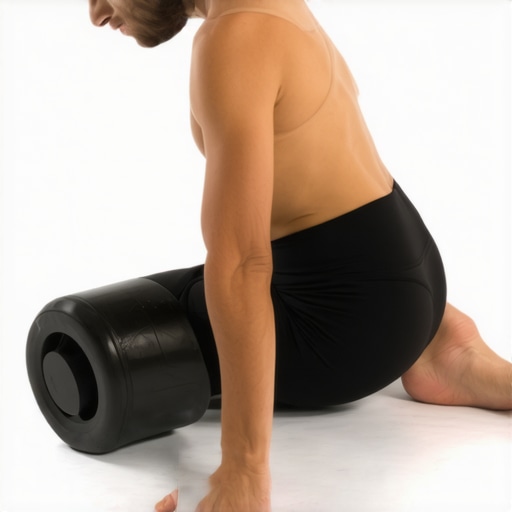
Throughout my journey to conquer sciatic pain, I uncovered that the road to lasting relief isn’t paved solely with stretches or generic exercises. Instead, the most profound breakthroughs came from understanding my body’s unique signals and embracing holistic strategies. Recognizing that nerve irritations often masquerade as muscle tightness was a pivotal lesson—one that shifted my approach from reactive to proactive, integrating posture correction, targeted mobility, and deep tissue work. This personalized perspective revealed that what worked for others might not suit my body’s specific needs, emphasizing the importance of listening carefully and adjusting consistently.
What I Wish I’d Discovered Sooner
- Not all tightness is the enemy: I used to believe that stretching was always the answer. Turns out, overstretching can aggravate nerve issues if underlying imbalances aren’t addressed first. Focusing on gentle mobility and core stability proved far more effective than aggressive stretches.
- Posture is the foundation: Correcting my daily habits—like sitting with proper lumbar support, mindful breathing, and mindful movement—reduced nerve pressure significantly. Small adjustments, like setting reminders to reset my posture, created big shifts over time.
- The power of self-awareness: Listening to my body’s signals prevented setbacks. If a movement increased pain, I learned to modify or pause, allowing healing to progress without frustration.
Tools That Changed My Approach
- Foam rollers and trigger balls: These have been game-changers for releasing deep muscle tension, especially around my hips and lower back. Trust me, investing in quality tools pays off in relief and mobility.
- Posture coaches and apps: Devices like posture trainers served as gentle reminders to maintain alignment throughout the day, reinforcing good habits effortlessly.
- Educational resources: Books and expert-guided videos provided insights into neuromuscular patterns and posture correction, empowering me to craft a tailored recovery plan.
Embrace Your Unique Path to Movement Freedom
Healing from sciatic discomfort and achieving lasting mobility is a deeply personal journey. It demands patience, curiosity, and a willingness to explore strategies beyond conventional wisdom. Remember, your body is an intricate system—what works for one may not work for all, and that’s okay. By integrating posture improvements, targeted mobility, and mindful movement, you’re building a resilient foundation that can withstand daily stresses and setbacks.
Take the first step today—whether it’s practicing mindful sitting, incorporating a gentle hip release, or educating yourself on body mechanics. Your commitment to these small yet meaningful actions will multiply over time, leading to a more comfortable, mobile, and pain-free life.
What’s one change you’re willing to try today to support your sciatic health?
Share your thoughts below—I’d love to hear about your journey toward better mobility and relief!