
The Quick Fix for Sharp Pain When Getting Up From a Chair

Ever had that moment where you try to stand up after sitting for a while, only to be greeted by a sudden, sharp pain in your lower back? It hits unexpectedly, making you freeze in place, wondering if you’ll ever find relief. I remember the first time it happened to me—it was embarrassing and frustrating, especially since I was just trying to start my day. That lightbulb moment made me realize I couldn’t keep living with this constant, numbing discomfort every time I rose from a chair.
Why This Pain Persists and What You Can Do About It
Over the years, I learned that these sharp pains aren’t just random; they’re often signs of underlying issues with our mobility, posture, or muscle strength. What’s more surprising is that many of us brush off these signals, thinking they’re normal or just part of aging. But ignoring them can lead to more severe problems down the line. Luckily, with some awareness and targeted strategies, I managed to turn things around—and I believe you can too.
Is It Really Just a Matter of Getting Older?
Early on, I made the mistake of blaming my pain solely on aging. Turns out, it’s more about how we move—and sometimes mismove—our bodies. Small habits, like poor sitting posture or neglecting to strengthen certain muscles, can escalate pain quickly. To build trust, I want to share that I once ignored my own advice, sitting for hours without moving and ignoring those little twinges. That mistake made recovery a lot longer than it needed to be. For more insights on how lifestyle impacts back pain, check out this comprehensive guide.
So, today, I’ll walk you through practical, easy-to-implement steps that helped me and can help you to reduce that sharp pain and regain your mobility. Ready to stop suffering in silence and start feeling better? Let’s dive into the solution that changed my life—and can do the same for you.
# End of section naturally leading into practical strategies.
Strengthen and Mobilize Your Back Muscles
First, incorporate targeted exercises like bridges and bird-dogs into your daily routine. I remember a morning when I felt stiffness building up. I took five minutes to do these exercises, focusing on slow, controlled movements. The result was a noticeable reduction in tension and improved stability. These movements activate your stabilizing muscles, acting like the scaffolding that supports a building—crucial for preventing pain and injury.
How to Perform Bridges Safely
Lie on your back with knees bent and feet flat on the floor, hip-width apart. Engage your core and glutes, then lift your hips toward the ceiling, creating a straight line from shoulders to knees. Hold for a few seconds and slowly lower down. Doing this daily can pretty much become the foundation of your back health, just like I did last week when I felt a persistent ache; this simple move provided immediate relief.
Improve Your Posture During Everyday Activities
Think of your spine like a stack of books—if the books are misaligned, the whole stack becomes unstable. I caught myself slouching while working at my desk, which worsened my discomfort. To correct this, I adjusted my chair height and used ergonomic supports. Applying these changes was like giving my spine a realignment, preventing prolonged strain. Remember, small tweaks like setting your monitor at eye level can make a significant difference and are easy to implement—like swapping out that old pillow for a supportive one.
Set Up Your Workspace Right
Position your monitor directly in front of you, about an arm’s length away. Keep your feet flat on the ground and elbows close to your body as you type. I struggled with neck tension until I realized that poor desk setup was an invisible culprit; changing my workstation layout was a game changer, turning a painful hour into a comfortable one.
Release Tension with Self-Massage Techniques
Regularly using a tennis ball against tight spots can break down adhesions. One evening, I placed a tennis ball along my upper back, rolling slowly over tender points. It felt awkward initially, like trying to pry open a stubborn knot, but soon I felt a soothing release. Think of this method as unlocking a jammed door—consistent rolling allows the muscles to relax and restores blood flow. This simple yet effective technique can be performed while watching TV or working at your desk, making it easy to integrate into daily life.
Target Specific Areas for Best Results
Focus on tender points around your shoulder blades and lower back. Slow, deliberate pressure encourages muscle relaxation. Remember, be gentle—if a spot feels too painful, spend less time there. Over time, this practice can diminish persistent pain, much like it did for me after a stressful week, when targeted self-massage provided immediate relief and improved mobility.
Adopt Consistent Stretching Routines
Stretching keeps your muscles flexible, reducing tension that causes pain. I set aside five minutes after waking up to stretch my neck and back, which prevented many episodes of stiffness. Doing this regularly is like maintaining a car—it prevents breakdowns and runs smoothly. Focus on gentle neck tilts and spine twists, holding each stretch for 20-30 seconds.
Stretch Safely to Avoid Further Injury
Never force a stretch or bounce into it. Keep movements slow and controlled, breathing deeply. Proper stretching is like tuning a musical instrument—precision ensures harmony without strain. Incorporate these stretches into your daily routine, and you’ll notice a decline in discomfort and an increase in motion range, similar to my experience after a week of dedicated stretching.
Be Mindful of Your Movements Throughout the Day
Your body is like a machine—small habits can cause significant wear and tear over time. For example, I used to carry heavy groceries on one side, which threw my pelvis out of alignment. After realizing this, I switched to balanced bags, acting like a mechanic tuning a finely calibrated engine. Being aware and adjusting everyday motions helps preserve your body’s integrity. Consider setting reminders to check your posture or move every 30 minutes—it’s a simple step that pays off by preventing pain before it starts.
Incorporate Quick Movement Breaks
Stand up, stretch, or walk around periodically. These breaks function as mini resets—preventing stiffness and reducing inflammation. Like me, if you find yourself glued to your desk, schedule short movements to keep your spine happy and healthy. This habit is akin to watering a plant regularly—necessary for ongoing vitality and well-being.
 Many assume that persistent back, neck pain, or sciatica stems solely from aging or minor strain, but that’s a misconception I’ve encountered repeatedly in my practice. In reality, the nuance lies in the underlying mechanics and misconceptions we hold about these conditions. For example, a common myth is that all back pain requires rest and immobilization; however, evidence shows that gentle movement and targeted mobility exercises accelerate recovery and prevent recurrence. In fact, over-relying on rest can lead to muscle deconditioning, making your spine less stable over time.
Another trap is ignoring the role of movement patterns and muscle imbalances—many don’t realize that repetitive poor posture or subtle compensations during daily activities weaken critical stabilizers like the transverse abdominis and multifidus muscles. This neglect can hide the root cause, leading to chronic discomfort. Conversely, focusing solely on stretching without strengthening often provides only temporary relief, causing frustration and setbacks.
For advanced practitioners, understanding the importance of neuroplasticity in chronic pain management is crucial. As Dr. Lorimer Moseley explains, pain isn’t just a signal of tissue damage but a complex brain perception shaped by experience and context. This perspective shifts the approach from purely structural fixations to incorporating pain education and active reconditioning strategies. A study published in
Nature Review Neuroscience highlights how targeted movement and cognitive behavioral techniques recalibrate the brain’s pain map, promoting lasting relief.
Be cautious of the quick-fix mentality—like relying on heat, ice, or pain pills without addressing the underlying movement dysfunction. This “band-aid” approach often delays true recovery and can mask warning signs. Instead, I advocate for a comprehensive assessment and personalized mobility plan that considers individual biomechanics, stress levels, and lifestyle factors. Incorporate functional movements and ergonomic adjustments—these are keys to sustainable improvement.
In cases like sciatica, many focus on nerve pinching theories, but often, the source is a dysfunctional pelvic tilt or lumbar instability. Advanced strategies include specific core stabilization exercises and addressing hip mobility, which many overlook. This holistic view is supported by research from Dr. Stuart McGill, emphasizing the importance of lumbar stability in pain prevention.
To deepen your understanding and avoid these pitfalls, explore resources that demystify movement science—like the comprehensive guides available at this back pain resource or the sciatica relief strategies. Recognizing these nuances can transform your approach from reactive to proactive, setting the stage for lasting mobility.
Have you ever fallen into this trap? Let me know in the comments.
Building Your Back’s Personal Toolkit for Lasting Relief
Maintaining back health over the years isn’t just about sporadic stretches or occasional visits to a therapist. It requires a set of reliable tools and methods that empower you to take control of your mobility and mitigate pain proactively. From simple home gadgets to advanced ergonomic setups, the right tools make a significant difference in sustaining your progress and preventing setbacks.
Why I Swear by my Massage Therapy Gun
I’ve integrated a percussive massage device into my daily routine, mainly because it helps target those stubborn muscle knots in my lower back and hips. Unlike traditional foam rollers, this handheld device provides immediate relief with adjustable intensity, allowing me to apply precise pressure where needed. A study from this resource explains how targeted soft tissue work can alleviate chronic discomfort and improve blood flow—crucial for long-term recovery.
Smart Posture Devices for Real-Time Feedback
In my experience, maintaining proper posture consistently is the main hurdle. That’s why I recommend wearable posture correctors that vibrate gently when I slouch or crane my neck. These devices serve as immediate alerts, helping me develop muscle memory for proper alignment. As technology advances, expect even more integrated solutions combining biofeedback with app-based coaching, making long-term habits easier to establish.
Efficient Ergonomic Workstations
Investing in a sit-stand desk and ergonomic accessories like adjustable monitor stands and supportive cushions transformed my work days. Properly configured, these tools reduce strain and promote dynamic movement, preventing stiffness from prolonged sitting. A key tip: regularly adjusting your position throughout the day keeps your spine supported and engaged. For detailed guidance on setup, see this article.
Digital Tracking and Reminders
Using apps that prompt me to stretch or move at regular intervals ensures I don’t fall into habitual slouching. These digital nudges, coupled with my device that monitors posture, create a system of accountability. Over time, this reduces the likelihood of developing ingrained poor habits that lead to pain recurrence.
Where the Next Trend Is Heading
Looking ahead, I predict an increased integration of AI-driven posture coaching and real-time biofeedback wearables. These innovations will personalize strategies based on your daily patterns, offering dynamic adjustments and ongoing motivation. As experts like Dr. Stuart McGill emphasize, sustainable back health depends on consistent, adaptive habits—something technology is poised to facilitate more effectively.
How do I keep my back healthy over the long term?
The key lies in adopting a comprehensive approach: combine physical tools like massage devices and ergonomic setups with behavioral strategies such as regular movement and mindful posture. Start small by incorporating one new device or habit at a time. For instance, try using a posture corrector during your workday—many users report noticeable improvements after just a week. Remember, the goal is consistency, not perfection. With the right tools and mindset, your back’s health can remain robust for years to come.
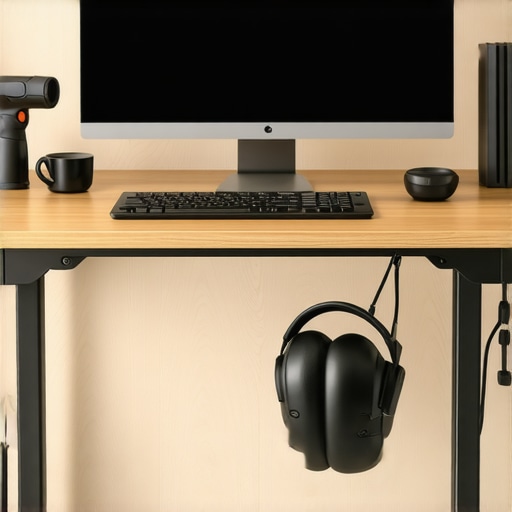
Imagine a workspace with an adjustable sit-stand desk, ergonomic accessories, and wearables silently guiding your posture throughout the day. Visualize the confidence of knowing you have reliable tools to prevent pain before it starts. Investing in these products and practices today ensures that your back continues to serve you well into the future.
The Hardest Lesson I Learned About Back Pain and Mobility
One of the most profound insights I discovered was that persistent back pain isn’t just a physical issue; it’s a signalsystem from your body that requires attentive listening and proactive management. I used to believe that pain was something to be endured or simply masked with quick fixes, but I realized that understanding the root cause and addressing it with consistency transformed my life. This meant shifting from reactive treatments to a daily focus on movement, posture, and habits that support spinal health.
My Favorite Tools That Turned The Tide
From ergonomic workspace setups to targeted exercises, integrating the right tools made all the difference. I relied heavily on a massage therapy gun for quick muscle release, which helped me manage stubborn knots in my lower back and hips. Additionally, wearable posture correctors provided real-time feedback, gently reminding me to maintain proper alignment during long workdays. These tools, combined with knowledge from trusted sources like this comprehensive guide, have been game-changers in my journey toward mobility.
What I Wish I Knew Before Battling Chronic Back Problems
I often fell into the trap of believing that aging naturally entails increasing pain and stiffness. The truth is, many of these issues are preventable and reversible with mindful habits. A lightbulb moment was realizing that muscle imbalances, poor movement patterns, and posture neglect play a bigger role than age alone. Moreover, embracing a mindset that combines movement, strength, and education about pain neuroplasticity—like insights from Dr. Lorimer Moseley—has been key in overcoming challenges that once seemed permanent.
The Thriving Future of Back Pain Solutions
Advancements in technology and holistic approaches promise a future where managing back pain becomes simpler and more personalized. Innovations like AI-driven posture coaching and biofeedback wearables are already making waves, helping people maintain optimal alignment during daily activities. Staying informed through trusted resources like this article prepares you to leverage these trends effectively. Remember, your proactive choices today can sculpt a healthier, more mobile tomorrow.
Let This Be Your Turning Point
If you’re tired of symptoms ruling your life, know that change is within reach. By embracing consistent movement, ergonomic awareness, and smart use of tools, you can reclaim your back’s health and enjoy the freedom of pain-free living. The journey begins with a single step—are you ready to take it?
Have you ever tried a particular movement or tool that unexpectedly alleviated your back pain? Share your story below—I’d love to hear how small changes made a big difference for you.
,